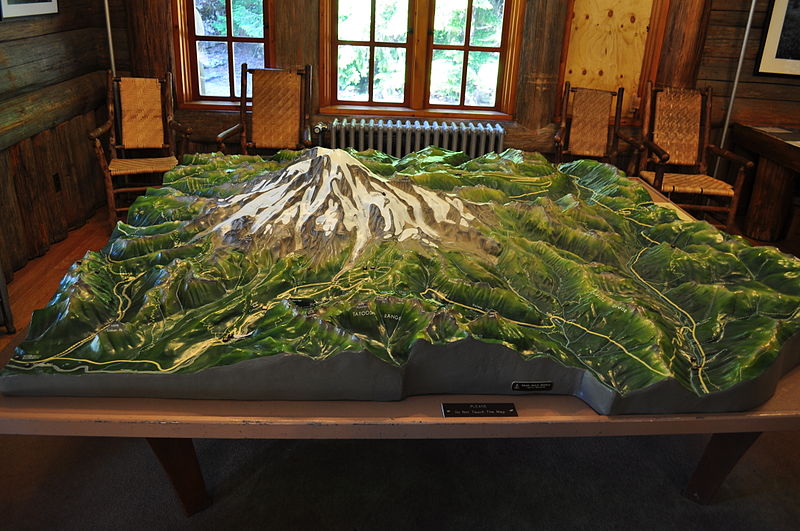
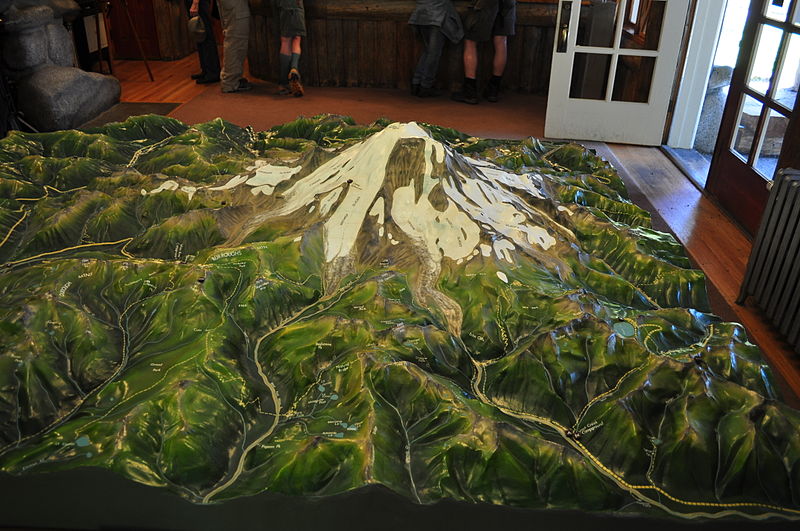
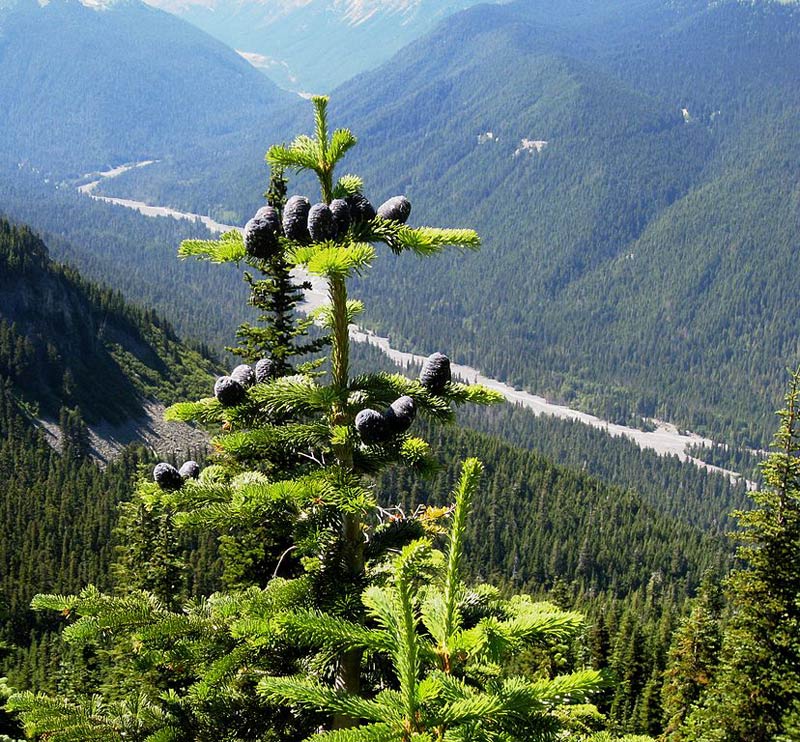
Mount Rainier National Park lies in Washington State in the northwestern United States. Its centerpiece is Mount Rainier, an impressive active volcano rising above forests, mountain valleys, and lakes in the Cascade Range. A snow-covered summit, extensive glaciers, waterfalls, and alpine meadows make the park one of the region’s most remarkable natural destinations.
Established in 1899, the park protects a wide range of landscapes, from old-growth forests to glacier-carved valleys and subalpine meadows. Mount Rainier rises to about 14,410 feet (4,392 meters) and remains an active volcano. Its glaciers feed rivers and help shape the surrounding terrain.
Mount Rainier and its glaciers
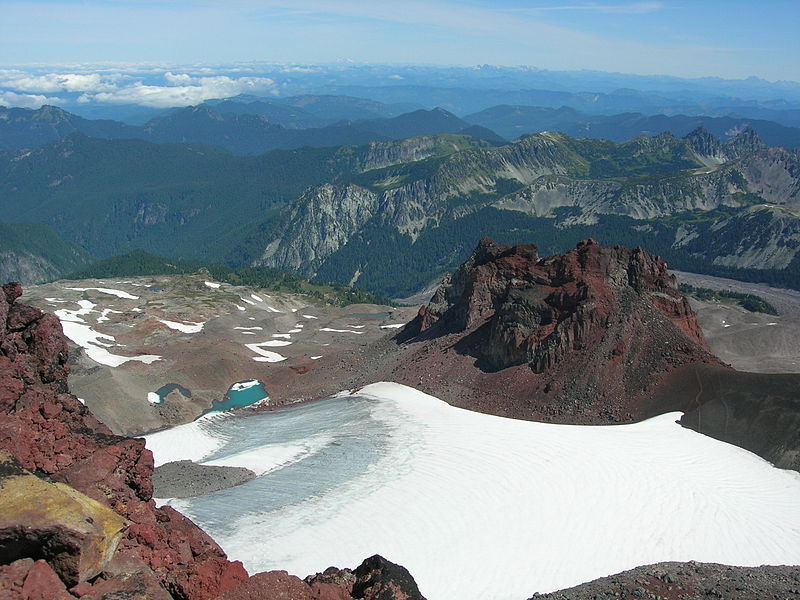
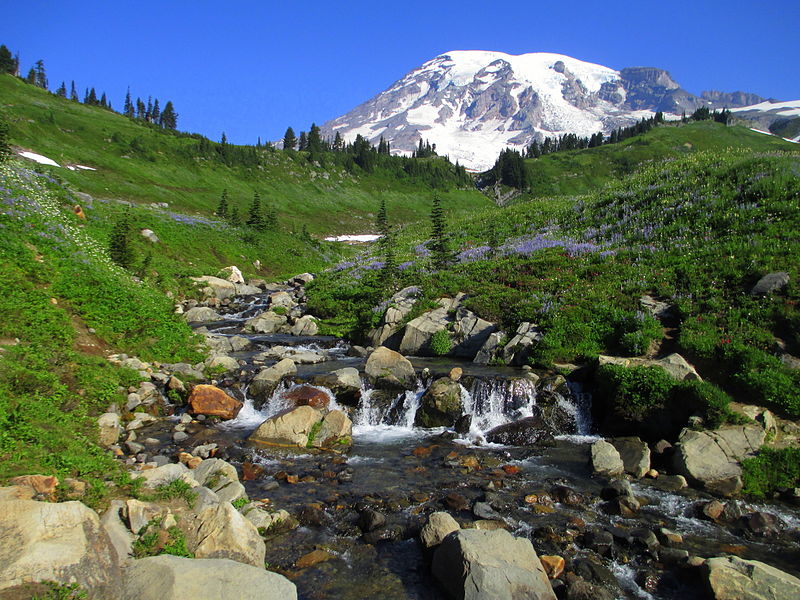
The mountain dominates the park. Snow and ice cover its upper slopes for much of the year, while numerous glaciers descend into deep valleys. The volcano can be seen from many parts of Washington on clear days, but mountain weather changes quickly. Visitors should be aware of hazards including rockfall, avalanches, sudden cold, and glacier crevasses.
Paradise and its wildflower meadows
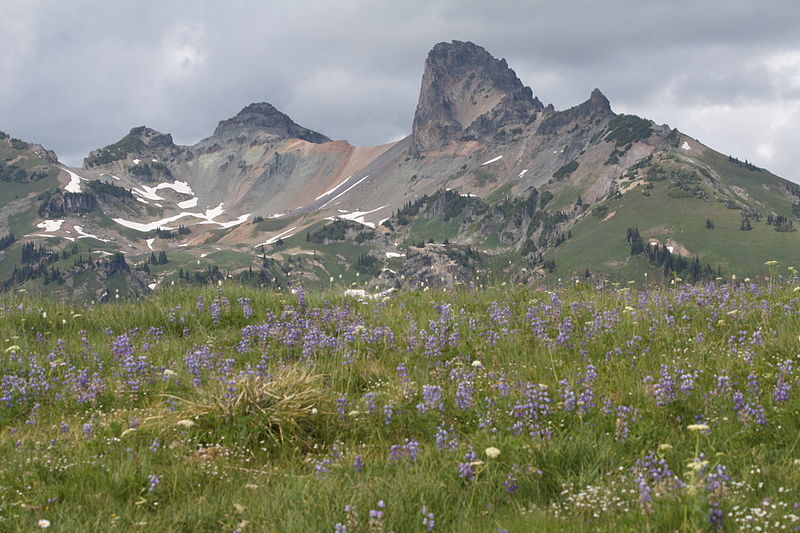
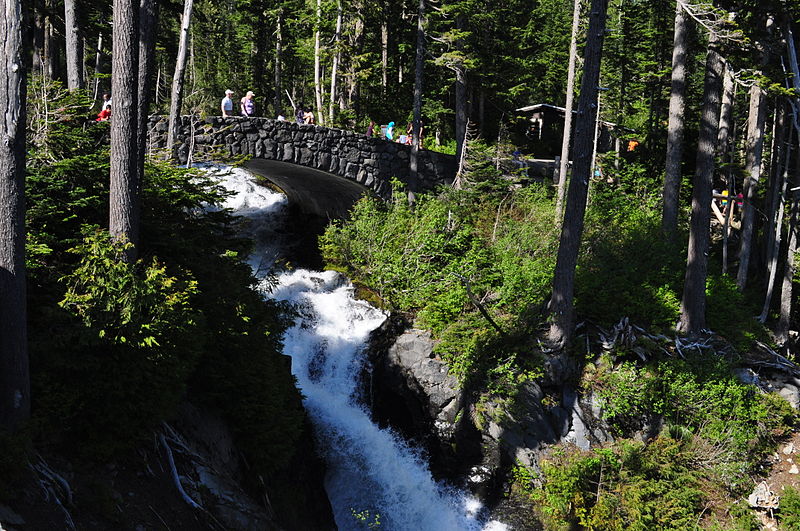
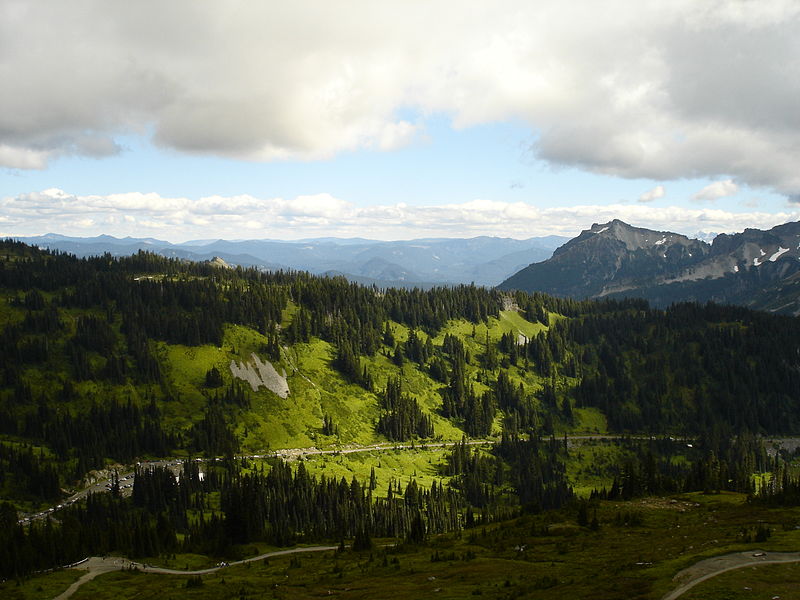
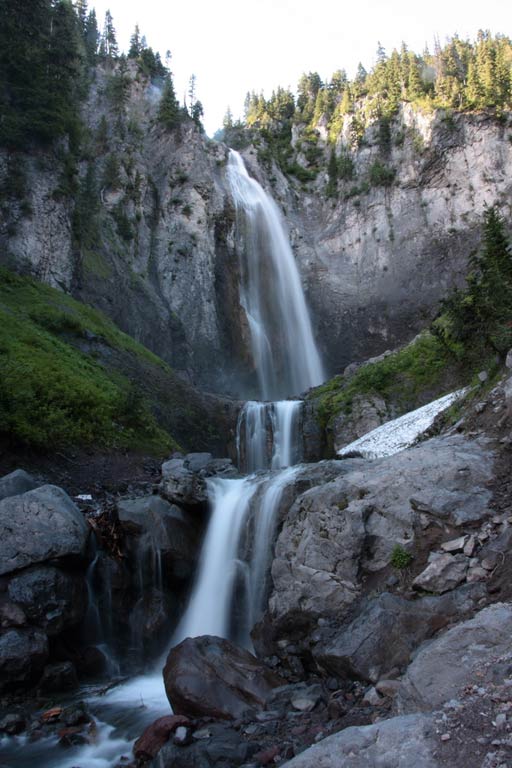
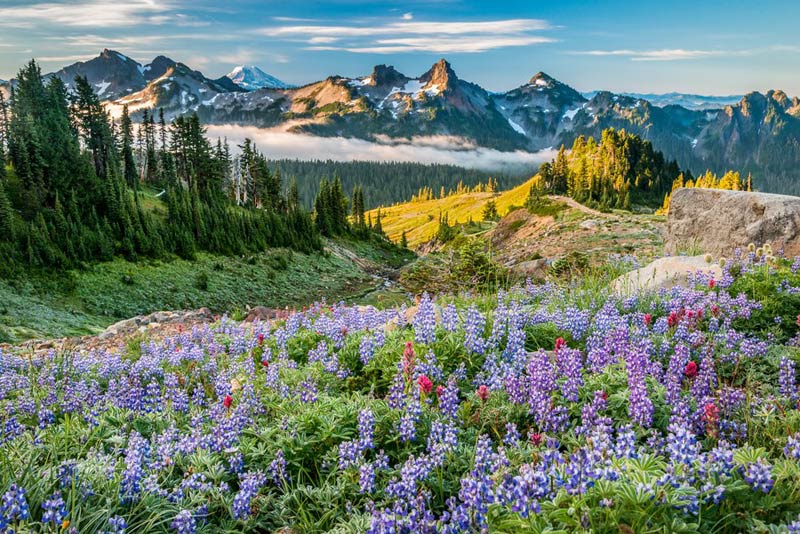
Paradise is one of the park’s most popular areas. In summer, colorful wildflowers cover the meadows, and trails pass streams, open slopes, and mountain forests. The Henry M. Jackson Memorial Visitor Center provides information about the park. The Skyline Trail offers views of glaciers and surrounding peaks, while a shorter walk leads to Myrtle Falls.
Sunrise viewpoints
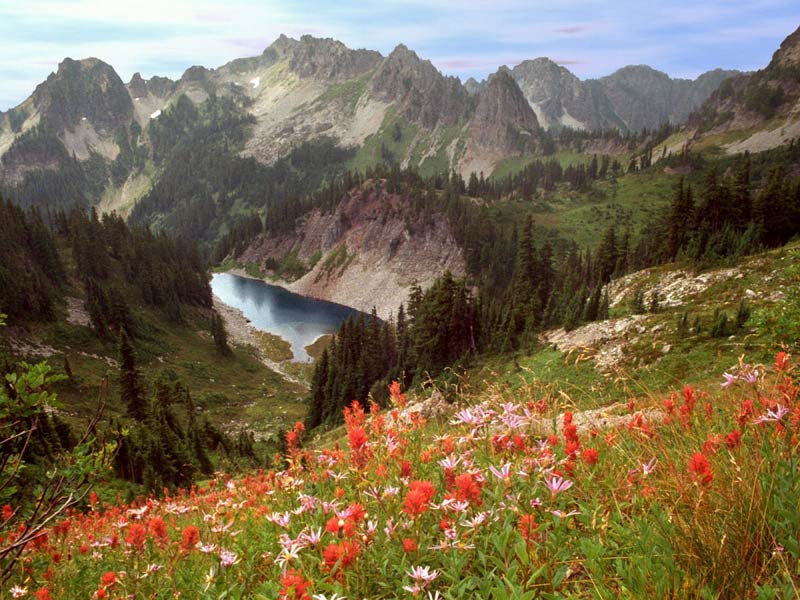
Sunrise sits on the northeastern side of the mountain and is the highest area in the park accessible by car, at about 6,400 feet (1,950 meters). Visitors can enjoy views of Mount Rainier, Emmons Glacier, and other Cascade peaks. Summer brings wildflowers and hiking opportunities to lakes and viewpoints. The road usually opens in late June or early July and closes in autumn, depending on snow conditions.
Forests, waterfalls, and lakes
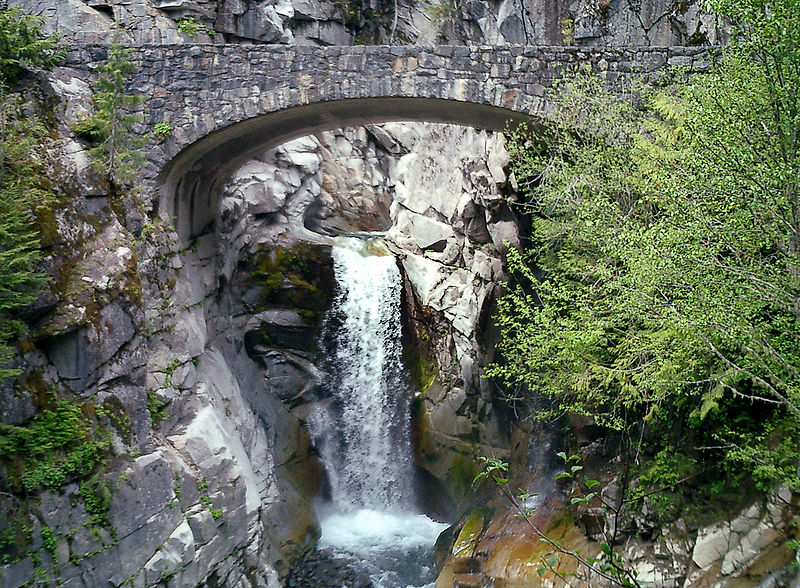
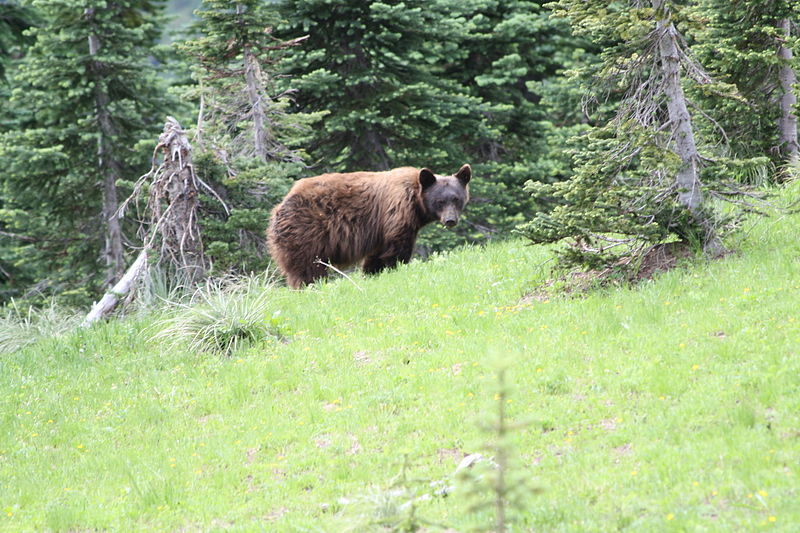
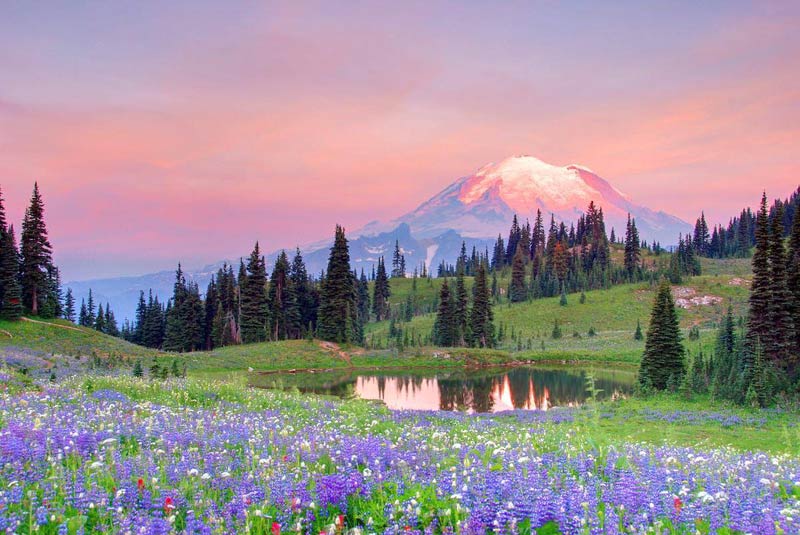
The Ohanapecosh area is known for old-growth conifer forests, tall trees, ferns, and moss-covered trunks. Natural highlights include Narada Falls, Reflection Lakes, and Tipsoo Lake. On calm days, lakes may reflect the snowy volcano. Wildlife includes deer, marmots, birds, mountain goats, and, in some areas, bears. Observe animals from a safe distance and never feed them.
Best time to visit
Summer is generally best for hiking and wildflower viewing, although snow may remain on some trails into June or July. Autumn brings golden colors to the forests, while winter offers snowy landscapes and snowshoeing opportunities where conditions permit. Roads, visitor centers, and trails may close during the colder months.
Getting there and planning your visit
The park lies southeast of Seattle and is most easily explored by car. Its main areas include Longmire, Paradise, Ohanapecosh, Sunrise, and Carbon River–Mowich Lake. These areas are far apart, so plan your route in advance. Check road conditions, visitor center hours, and entry requirements before traveling. Bring water, sturdy footwear, and layers for changing weather. Stay on marked trails to protect fragile meadows and never approach glaciers without proper training.
Mount Rainier National Park is an excellent destination for travelers interested in volcanoes, glaciers, mountain lakes, and forests. A short walk can provide memorable views, while longer trails and campgrounds make it possible to explore the landscape over several days. Consult the official National Park Service website for current conditions.
Gallery