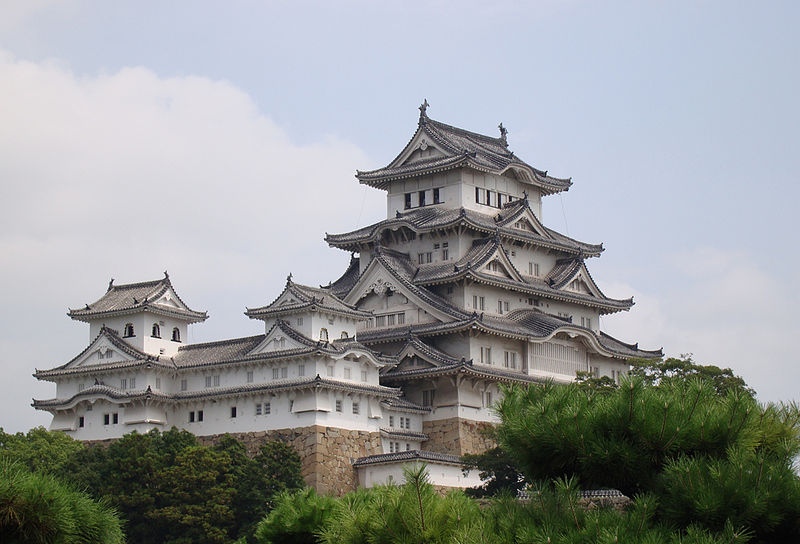
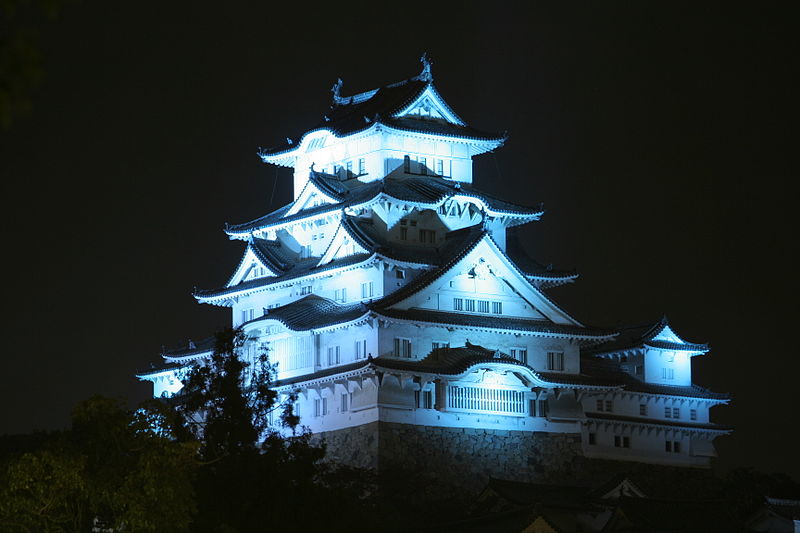
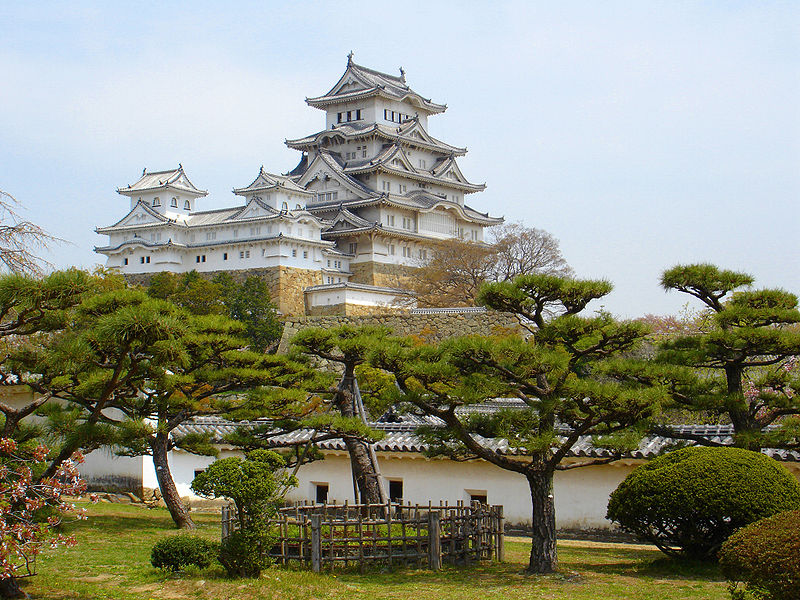
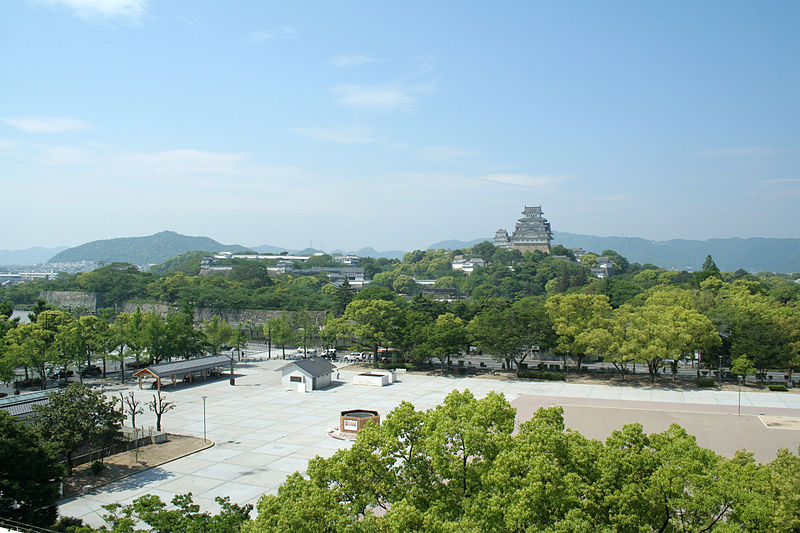
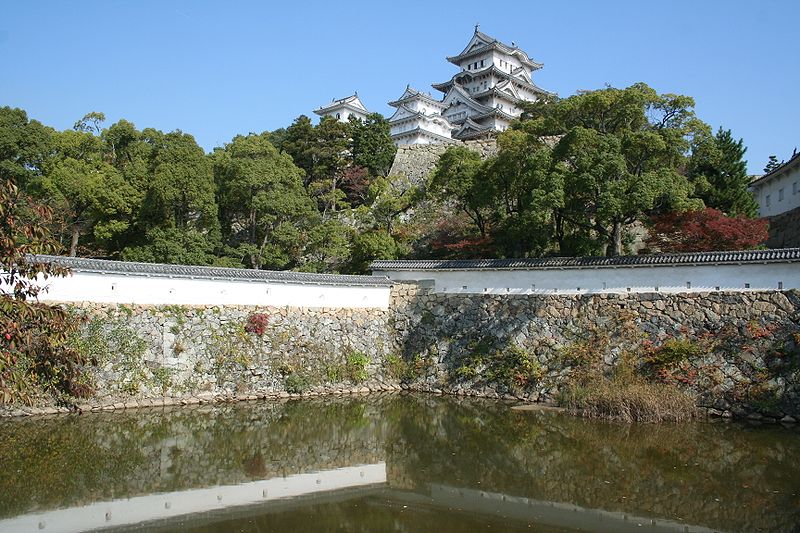
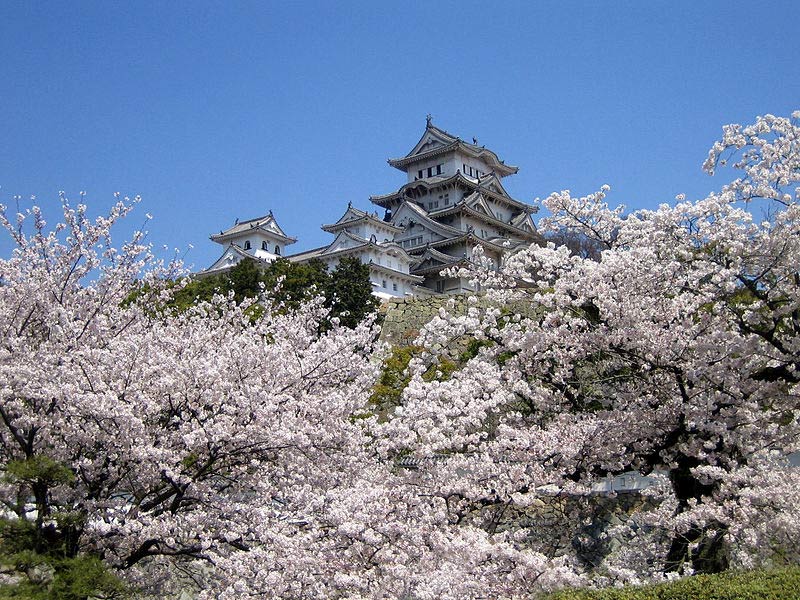
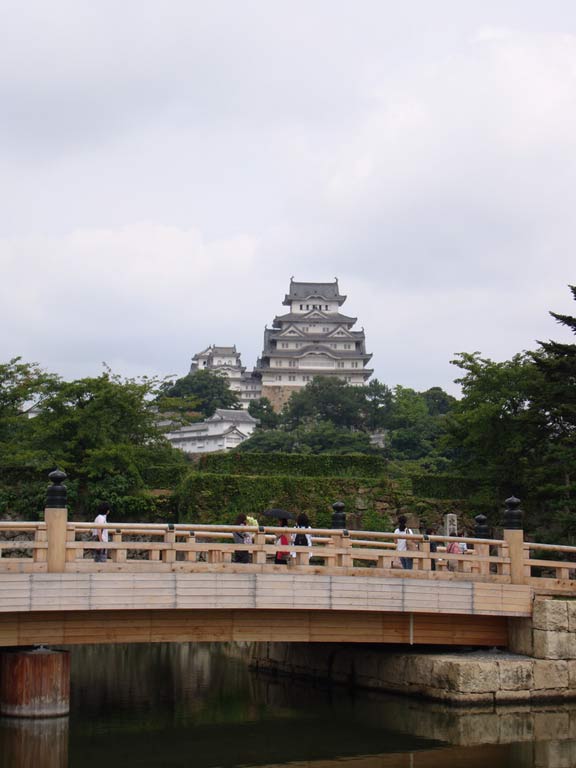
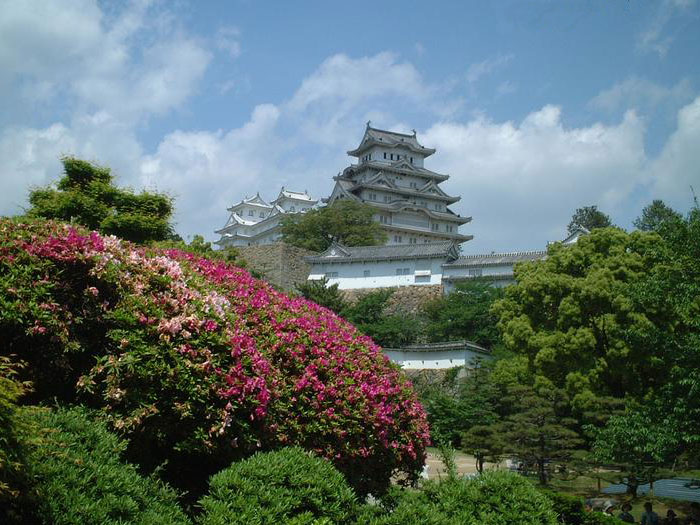
Himeji Castle is one of Japan’s most celebrated historic landmarks. Located in Himeji, Hyogo Prefecture, it is famous for its white plastered walls, layered roofs and elegant towers. The silhouette resembles a bird preparing to take flight, earning the castle the nickname “White Heron Castle.”
Himeji is an outstanding example of Japanese castle architecture. Unlike many fortresses that were dismantled or destroyed, it retains a remarkable collection of historic structures, including its main keep, smaller towers, gates, walls and defensive features. In 1993, it became one of Japan’s first UNESCO World Heritage Sites.
History of the castle
The history of the fortifications on Himeyama Hill dates back to the 14th century. In 1333, Akamatsu Norimura established a fortified structure here. Over the following centuries, the stronghold was rebuilt and expanded several times.
In the late 16th century, the castle came under the control of Toyotomi Hideyoshi, one of the central figures in the unification of Japan. He enlarged the fortifications. Much of the castle’s present appearance took shape in the early 17th century under Ikeda Terumasa. Major construction began in 1601, and important stages of the complex were completed by 1617.
After Japan’s feudal system ended in the 19th century, many castles were dismantled or fell into disrepair. Himeji survived, although its buildings required continuing maintenance. The city was bombed during World War II, but the castle escaped complete destruction. Restoration projects helped preserve its historic layout and architecture.
Architecture and defences
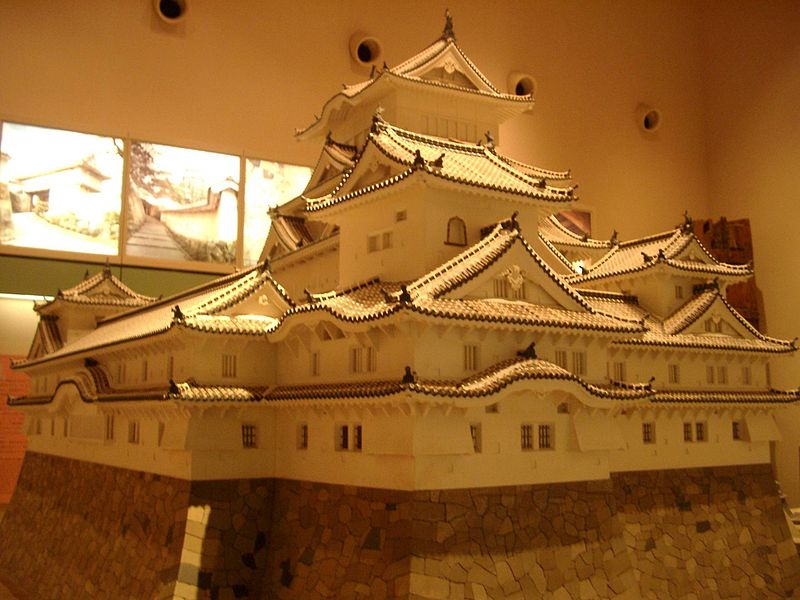
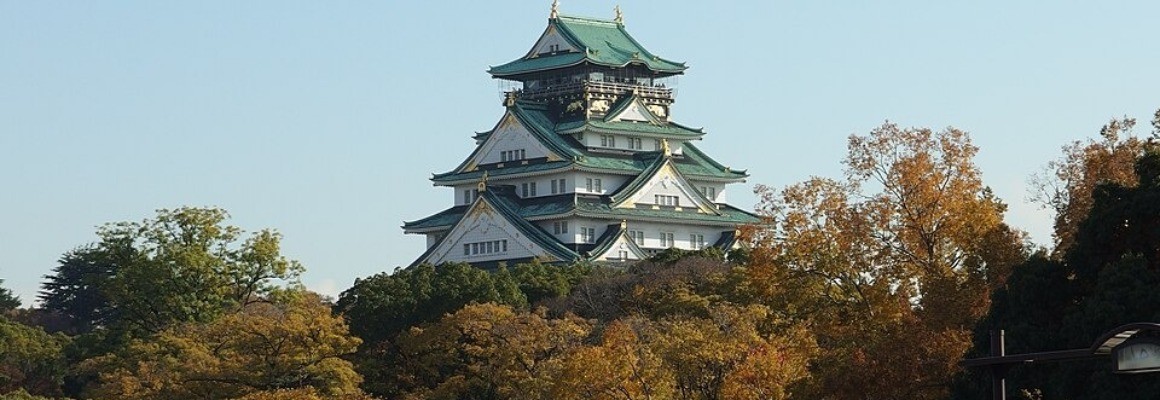
The main keep is a multi-level wooden structure built on a massive stone foundation. Its white plaster not only defines the castle’s appearance but also protects the walls. The roofs feature curved elements and decorative details typical of traditional Japanese architecture.
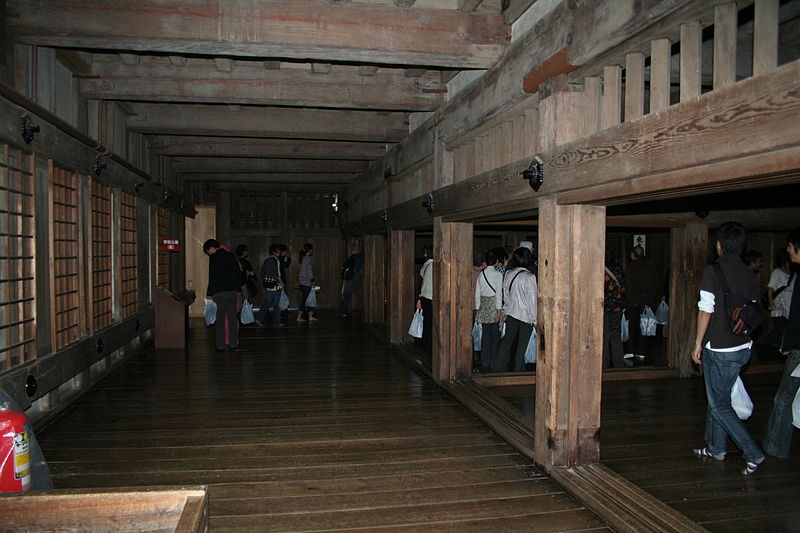
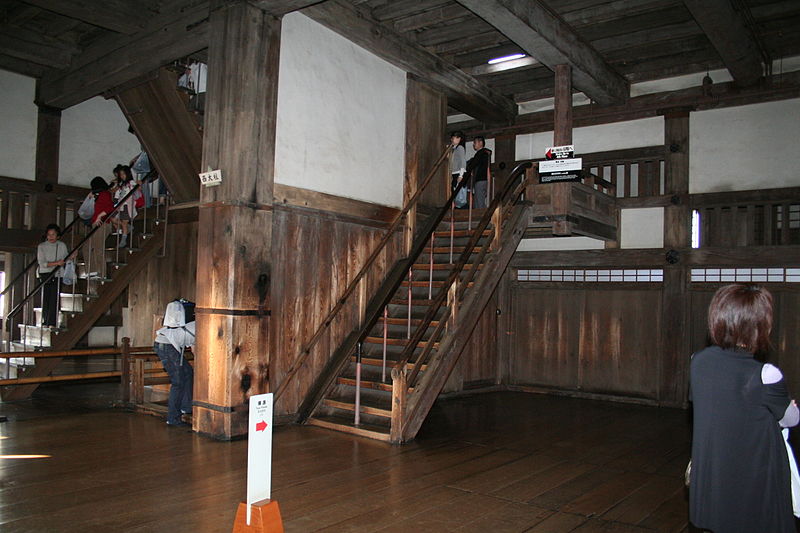
According to UNESCO, the historic complex comprises 83 buildings. Its defensive layout includes winding paths, narrow passages, changes in elevation and successive gates that made it difficult for attackers to reach the main keep. Inside, visitors can see wooden structural elements and steep staircases that reveal the methods used in traditional construction.
The White Heron Castle
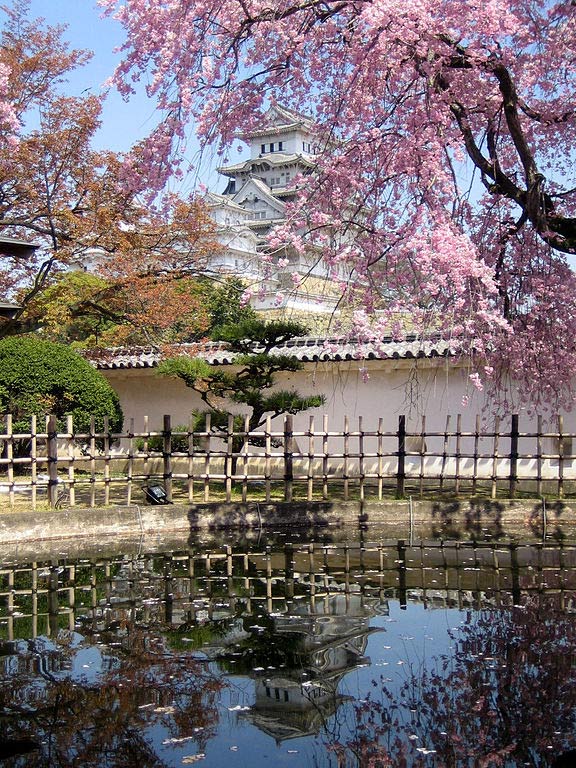
The nickname refers to the castle’s white walls and distinctive silhouette. Against green hills or a blue sky, its layered roofs and towers resemble a bird with outstretched wings. The setting is especially picturesque in spring, when cherry blossoms bloom around the grounds.
What to see
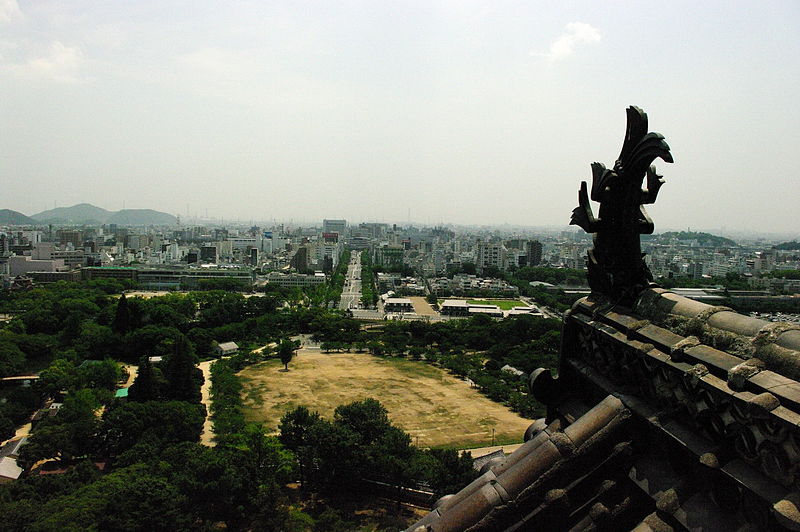
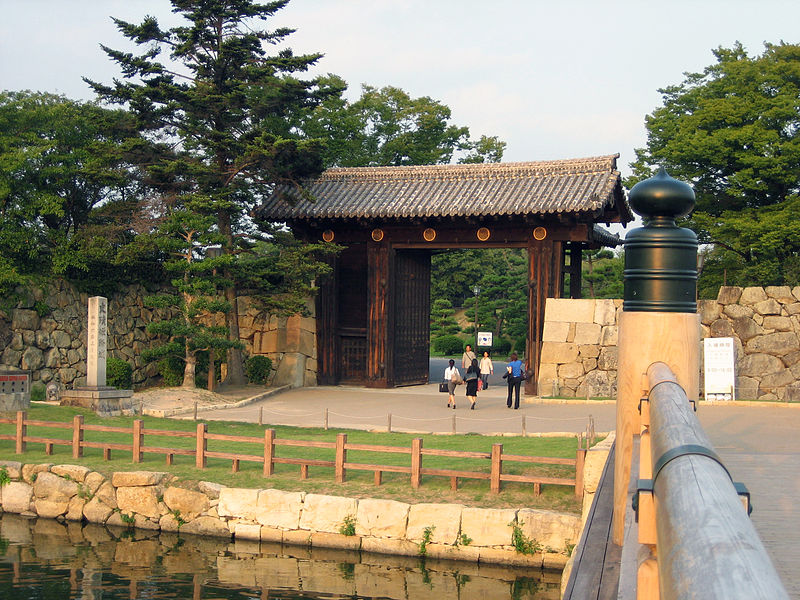
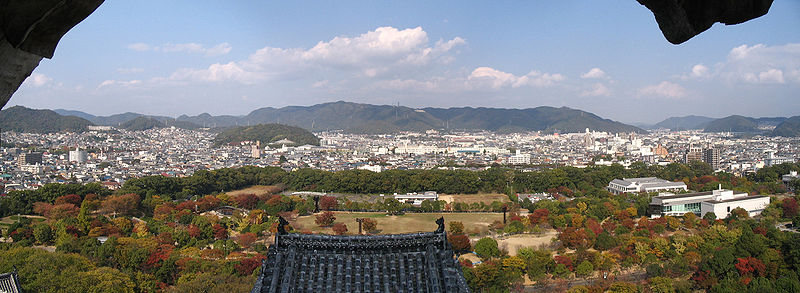
The visitor route passes through outer fortifications, gates and courtyards before reaching the main keep. Along the way, visitors can explore stone walls, defensive passages, smaller towers and traditional architectural details. The upper levels offer views over Himeji. Nearby, Koko-en Garden provides a peaceful stroll through landscaped grounds inspired by traditional Japanese gardens.
UNESCO World Heritage status
Himeji Castle was inscribed on the UNESCO World Heritage List in 1993 for its architectural importance and exceptional state of preservation. It represents the height of Japanese castle construction in the early 17th century, when military function was combined with carefully balanced aesthetics. The main keep and several other structures are designated National Treasures or Important Cultural Properties of Japan. A major restoration of the main keep was completed in 2015.
Getting there and visiting
The castle stands about one kilometre north of Himeji Station. The walk takes approximately 15–20 minutes, or visitors can take a bus to a stop near the main gate. Himeji is connected by rail to Osaka, Kobe, Kyoto and other Japanese cities.
Allow around 1.5–2 hours to explore the grounds and main keep. The interior has steep, narrow staircases, while the grounds include slopes and uneven surfaces, so comfortable footwear is recommended. Check the official website before visiting for current opening hours, ticket prices and visitor rules.
Himeji Castle brings together military history, traditional architecture and scenic views, making it one of Japan’s most remarkable historic landmarks.
Gallery