Golconda Fort
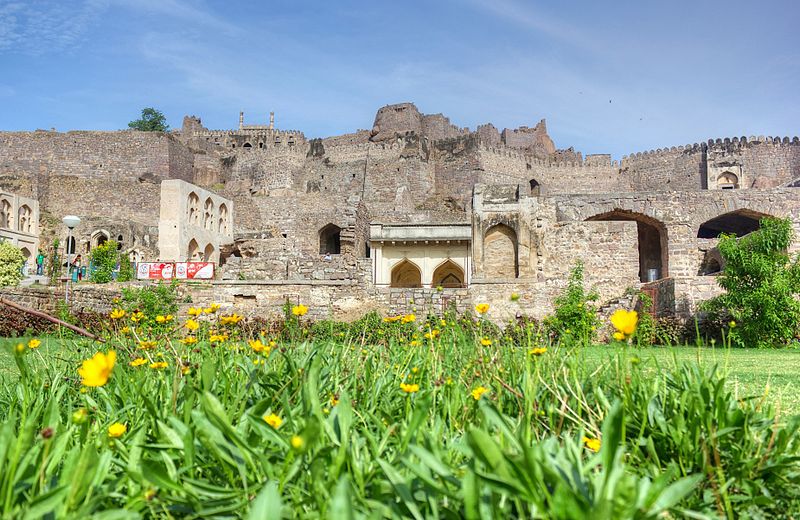
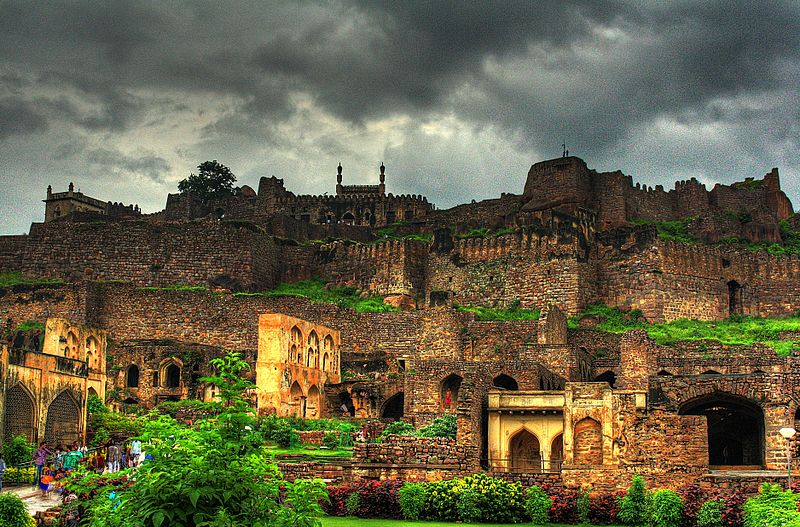
Golconda is a celebrated historic fortress in western Hyderabad, the capital of the Indian state of Telangana. It rises above a granite hill and is known for its massive defensive walls, gateways, bastions, palace ruins and engineering features. For centuries, Golconda was an important political, military and trading centre of the Deccan Plateau.
The fort became especially prominent under the Qutb Shahi dynasty, which ruled the region from 1518 to 1687. During their reign, Golconda served as the sultanate's capital and a major centre of the diamond trade. Today, its ruins reveal the scale of the former fortified capital and its blend of local Indian and Islamic architectural traditions.
Origins and Early History
Golconda's history reaches back to the medieval period. A widely cited account places the first fortification here in the thirteenth century under the Kakatiya dynasty. The early structure was a relatively simple fort on a strategically useful hill. The region later came under the Bahmani Sultanate before the stronghold passed to the Qutb Shahis.
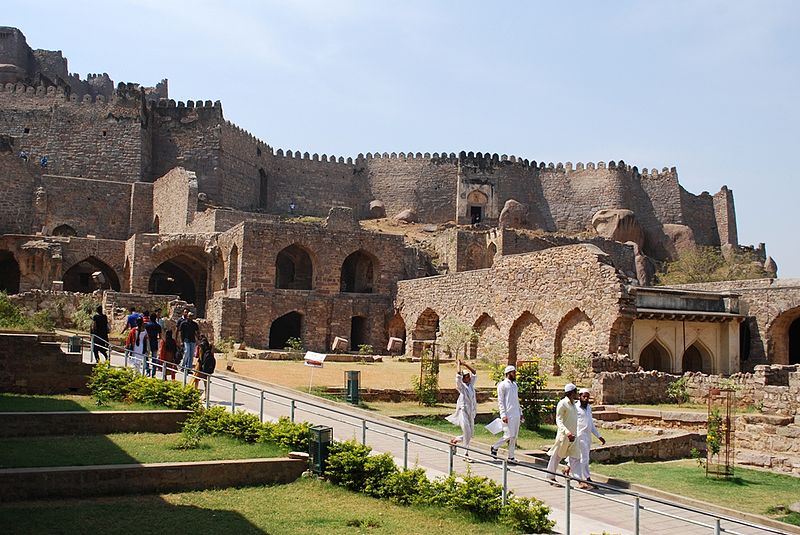
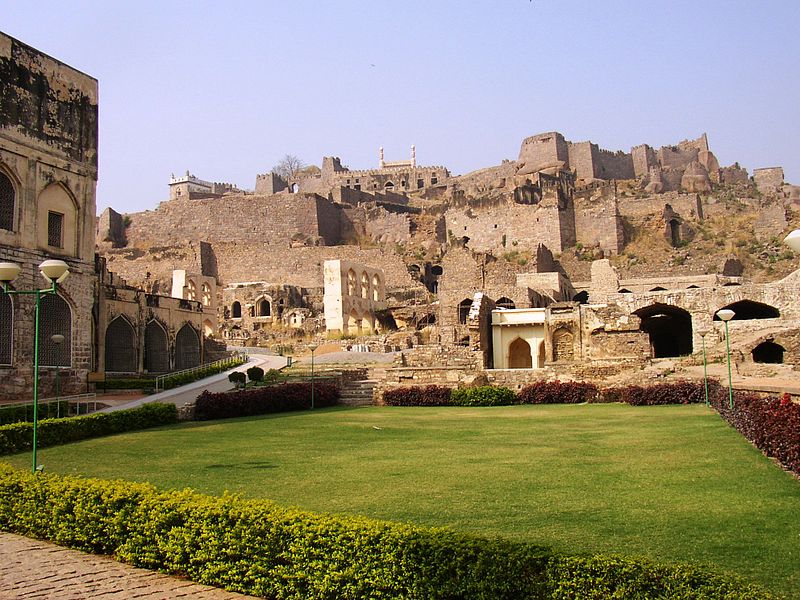
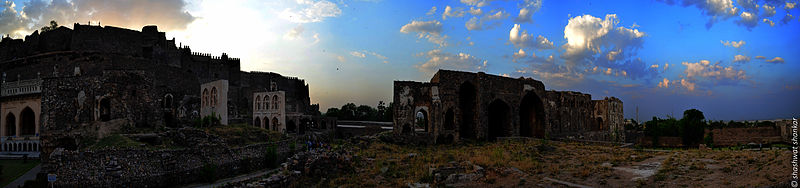
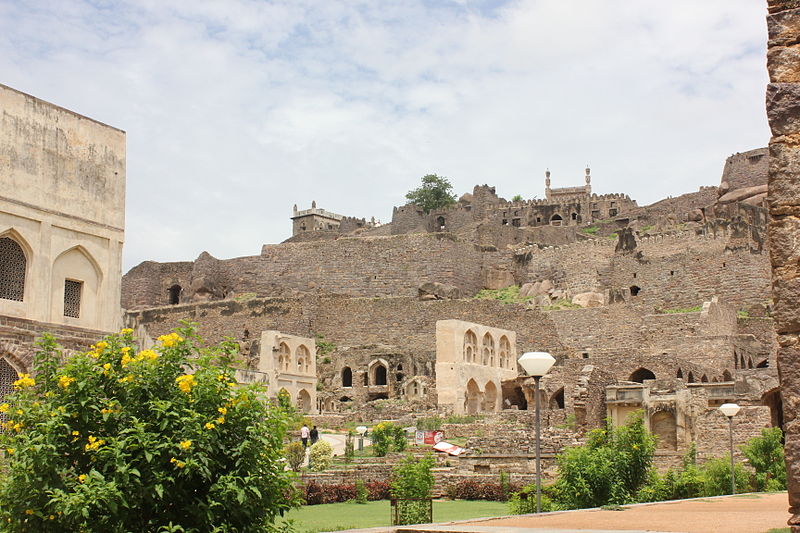
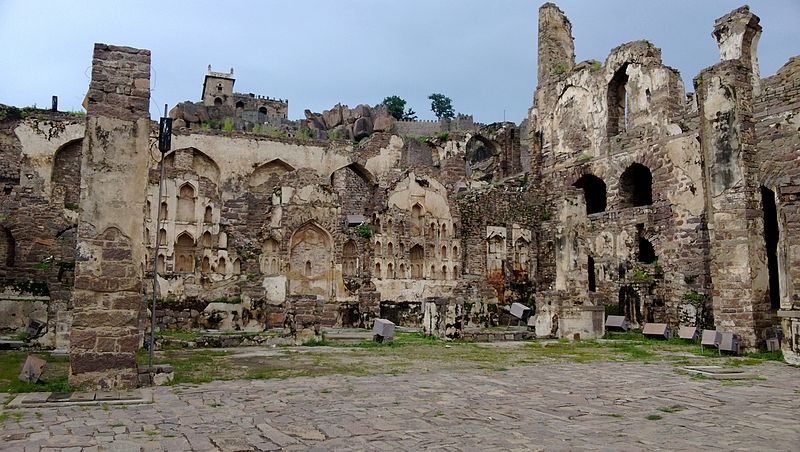
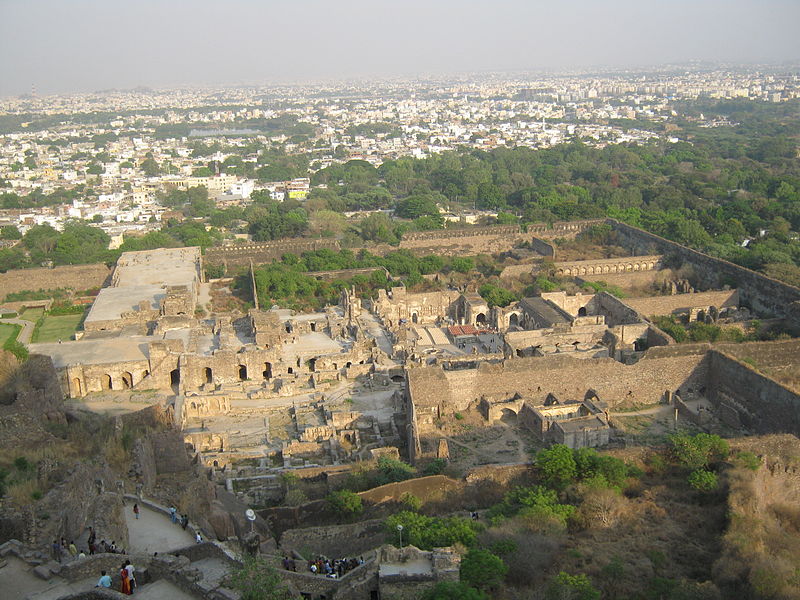
During the sixteenth and seventeenth centuries, the Qutb Shahi rulers expanded the fortress, strengthened it with granite walls and developed it into a royal residence protected by gates, bastions and courtyards. The complex contained palaces, mosques, storehouses, service buildings and military quarters. Golconda was not simply a fort but a fortified city with an extensive infrastructure.
In 1687, after a prolonged siege, the Mughal emperor Aurangzeb captured the fortress. The conquest ended Qutb Shahi rule and changed the political history of the Deccan. Many structures gradually fell into disrepair, yet the surviving walls and ruins still convey the scale of the former stronghold.
The Legend Behind the Name
The name Golconda is often linked to the Telugu expression Golla Konda, commonly translated as Shepherd's Hill. According to local legend, a shepherd discovered a sacred image on the hilltop and informed the ruler. A fort was later established at the site. The story survives in several versions and should be understood as a local tradition.
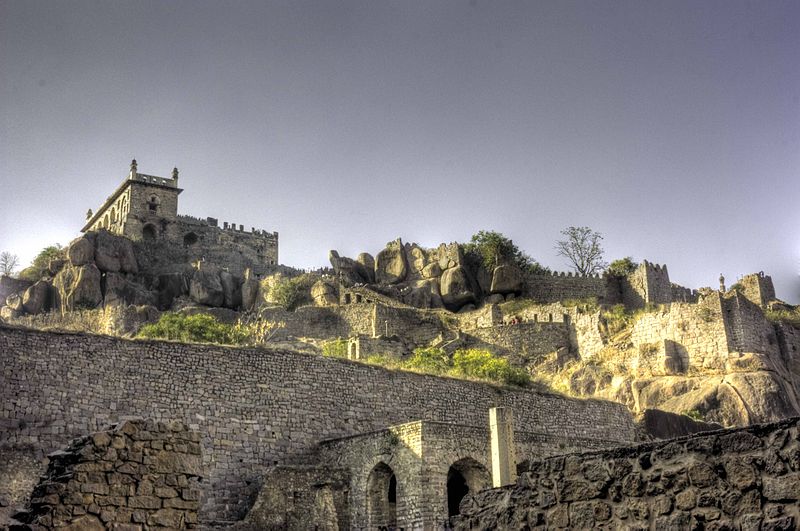
The hill's granite elevation had clear strategic advantages. Defenders could observe the surrounding landscape, control approaches and spot potential attackers from a distance.
Defensive Walls and Gateways
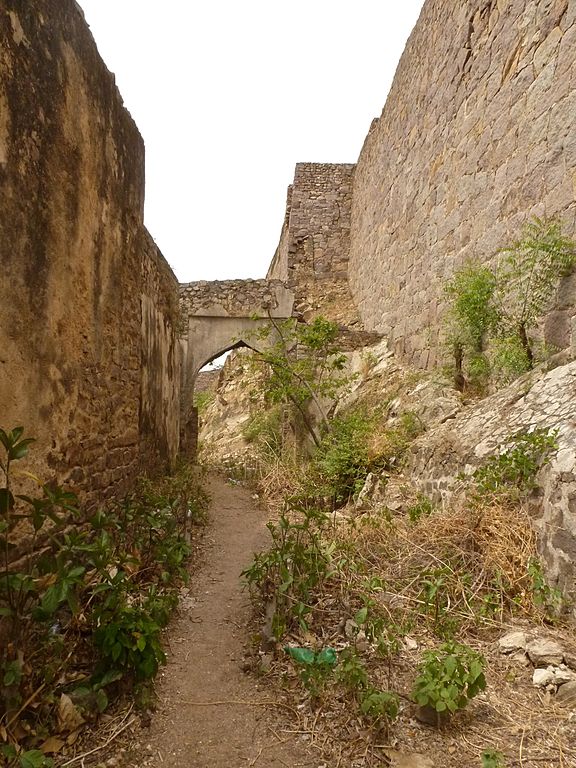
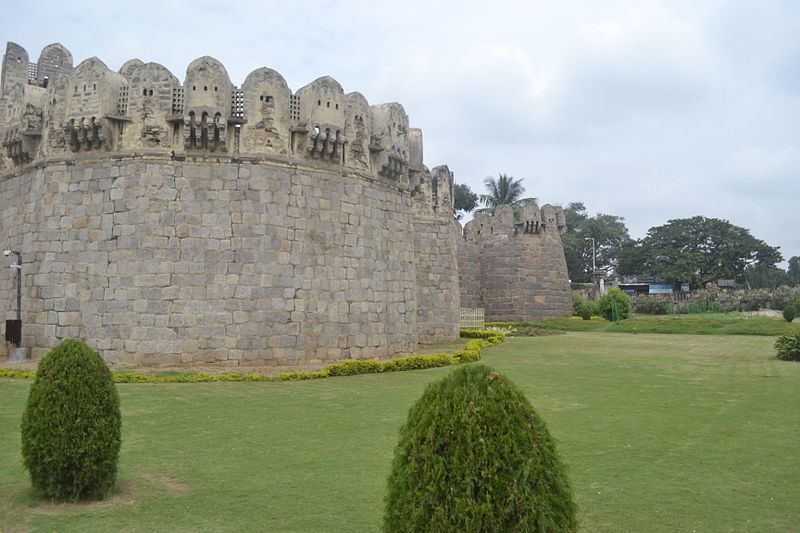
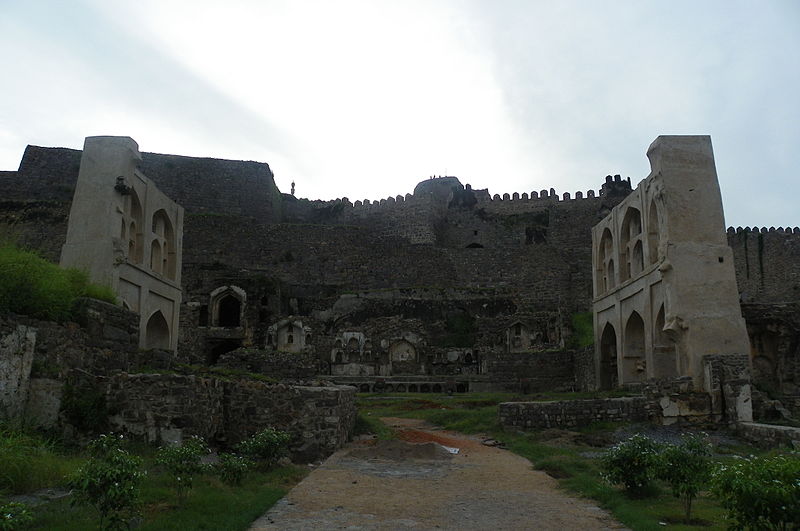
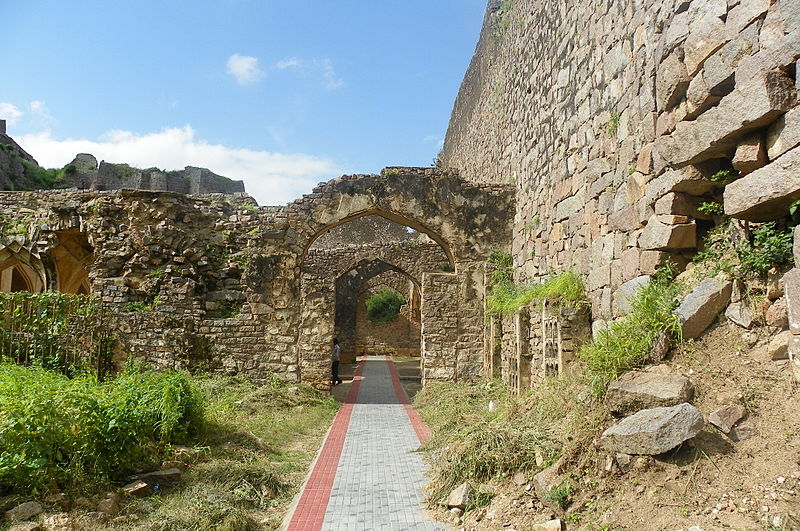
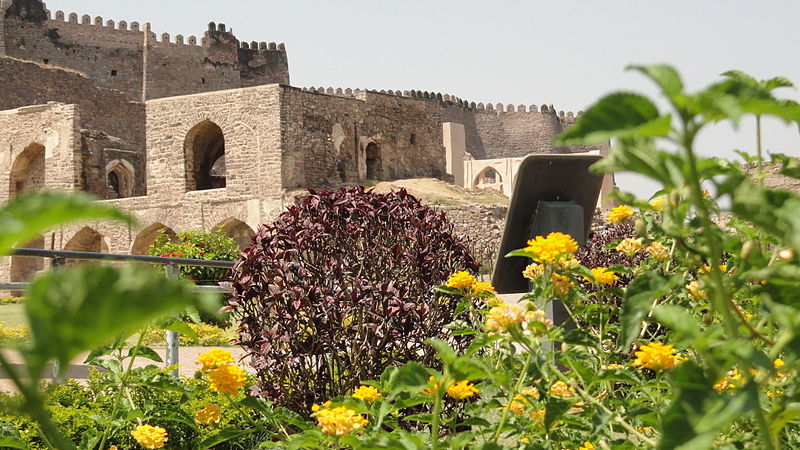
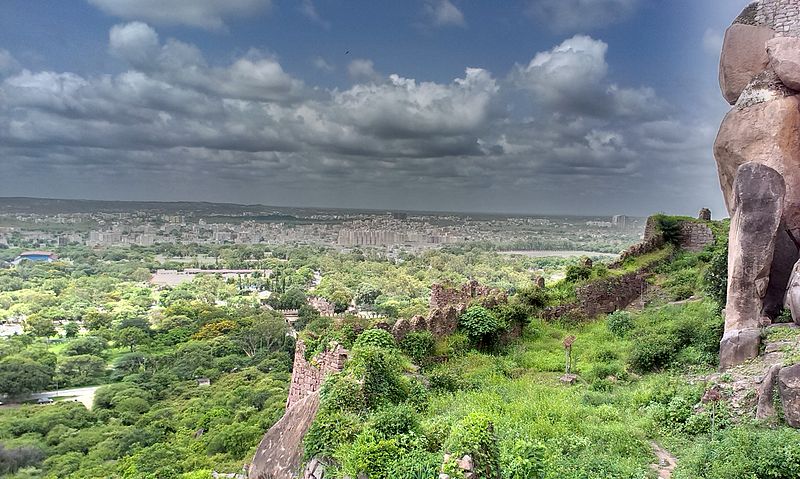
Golconda is a large fortification system with several defensive lines. Granite walls follow the contours of the hills and connect towers, bastions, passages and courtyards. The structures were expanded over time as military needs changed. The elevated position and complex entrances made a direct assault difficult.
Among the most notable entrances is Fateh Darwaza, meaning Victory Gate. It is associated with the events of the 1687 siege, after which Aurangzeb's army took the fort. Visitors can still see imposing gates, cannon positions and sections of crenellated walls.
The Famous Acoustics
One of Golconda's best-known features is the acoustic effect near Fateh Darwaza. A clap at a particular point near the entrance can be heard at a pavilion on the hilltop, nearly a kilometre away. The effect is often described as part of a warning system that helped transmit signals across the fortified complex.
Sound waves reflect off surfaces and travel through the passages because of the layout and architectural forms. Today visitors demonstrate the effect by clapping, although the result depends on the precise spot, volume and surrounding noise.
Palaces, Mosques and Inner Buildings
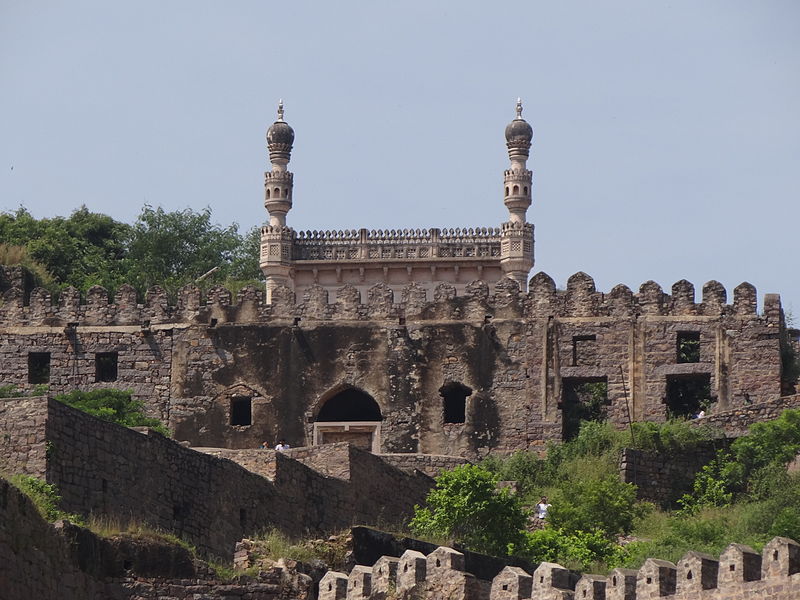
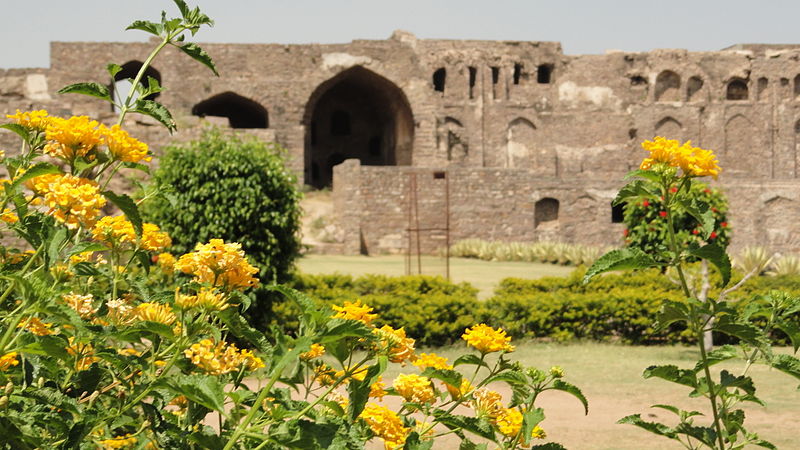
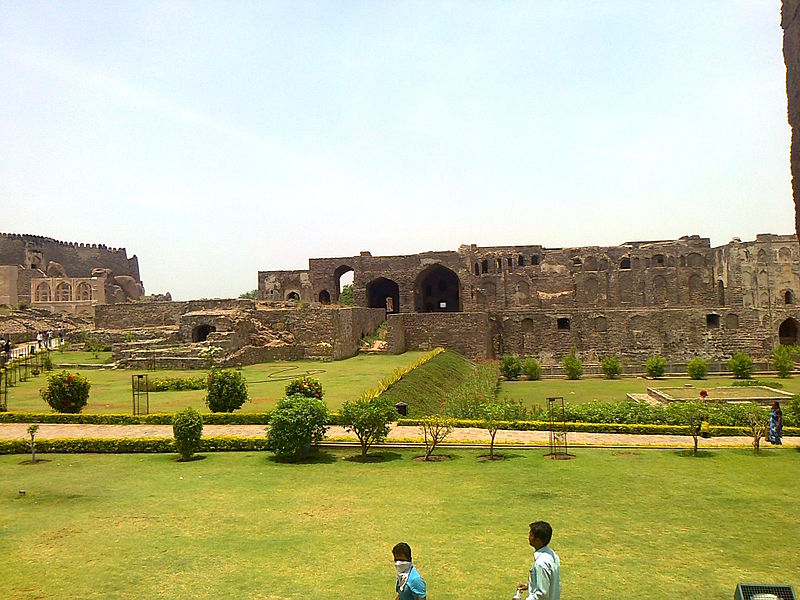
The fort contains the remains of palace complexes, mosques, halls, storehouses and other buildings. They show that Golconda was not only a military citadel but also a royal residence. Palace spaces served for official audiences, administration and everyday court life.
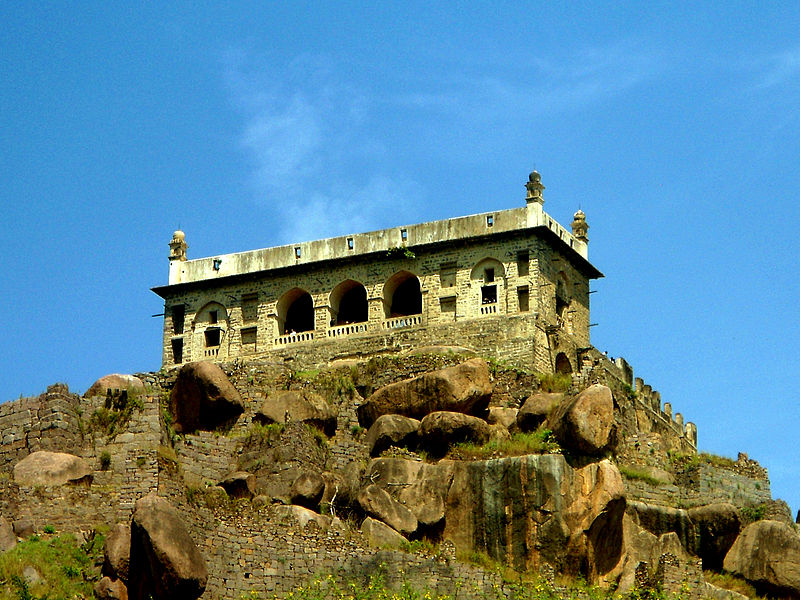
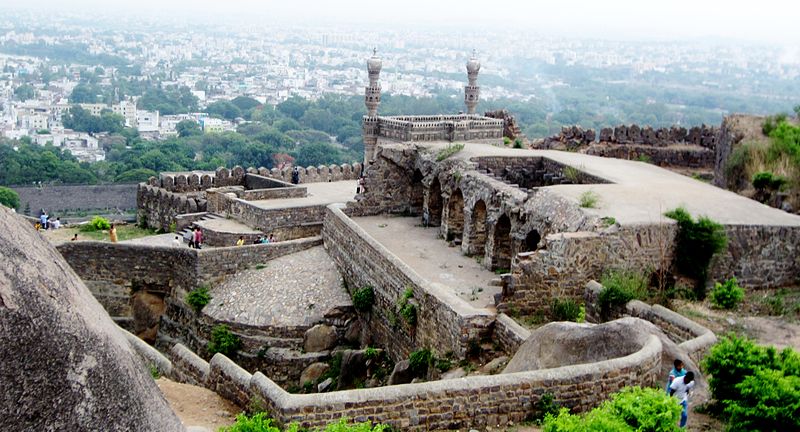
The Bala Hissar pavilion stands on an upper section of the hill and offers views across the fort and the surrounding city. Reaching it involves steps and uneven stone paths. Remains of mosques and other religious buildings also survive, reflecting Deccan traditions that combined local building methods with Islamic architectural forms.
Golconda and the Diamond Trade
Golconda is closely associated with the history of the gemstone trade. During the medieval and early modern periods, the region became an important trading centre for diamonds from Deccan deposits. Stones passed through the hands of merchants, appraisers and intermediaries before reaching markets in India, Persia and beyond.
The famous diamonds Koh-i-Noor, Hope and Regent are traditionally linked with the Golconda region. The provenance and movements of each stone are complex, so these connections should be understood in historical context. The phrase Golconda diamonds became widely associated with high-quality stones from the region's historic diamond fields.
Trade wealth supported the court, army, artisans and construction projects. Golconda's history is therefore about more than sieges and fortifications: it also reflects international trade networks and the economic life of the Deccan.
Water Supply and Engineering
Reliable water was essential for a large fortress, particularly during a siege. Golconda's system included reservoirs, tanks and engineering devices designed to move water to different levels of the hill. Accounts of the complex describe water-lifting mechanisms and conduits that supplied the inner structures.
The careful placement of water sources, storehouses and service areas helped the fortress withstand prolonged blockades. The remains show that life within the walls required not only soldiers and weapons but also dependable supplies of water and food.
Views from the Hilltop
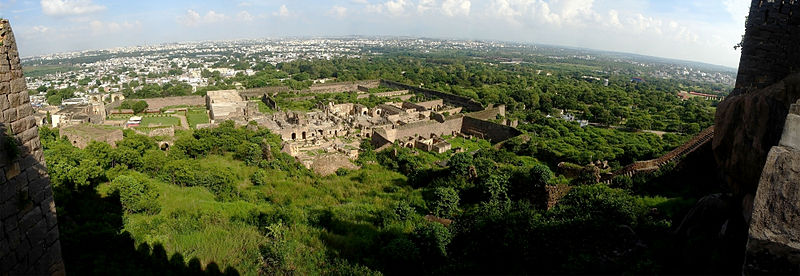
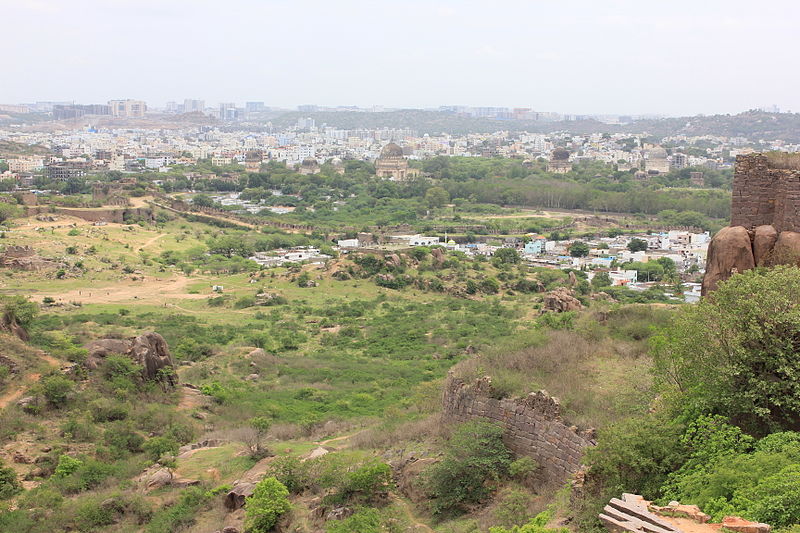
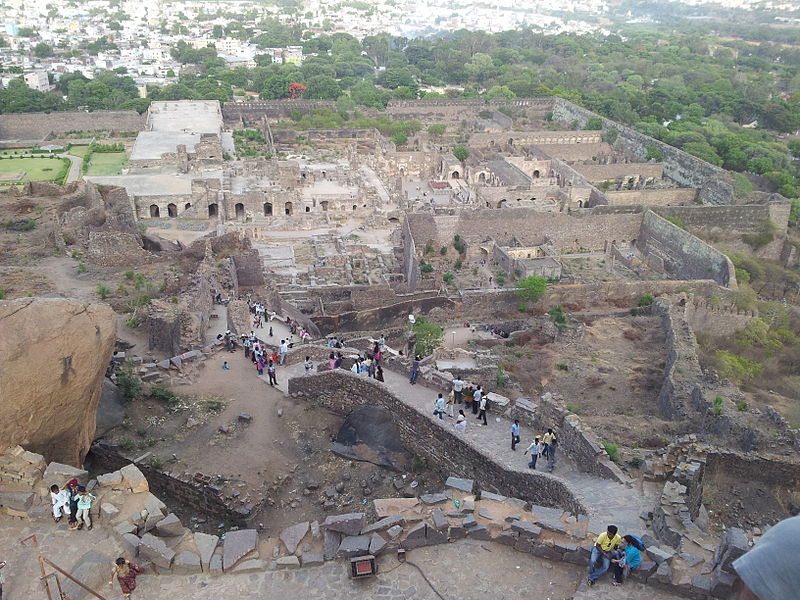
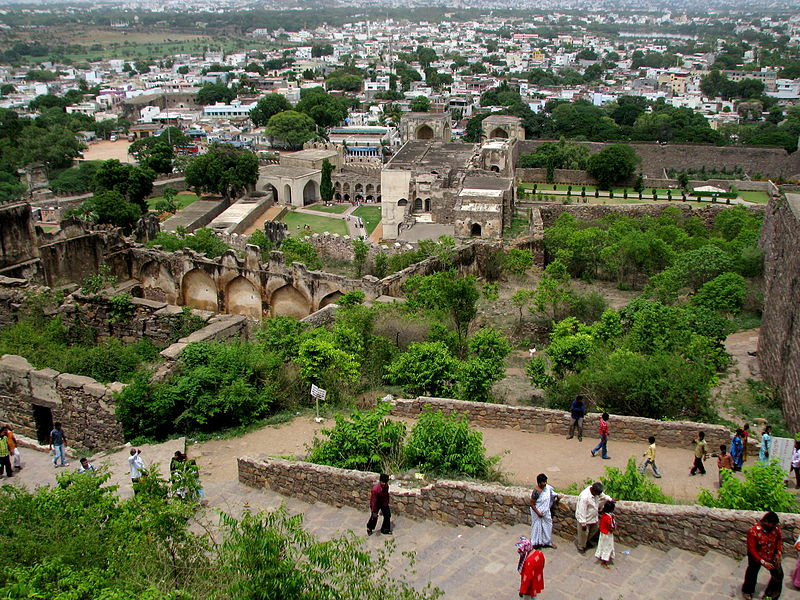
Climbing to the upper platforms is one of the highlights of a visit. From above, visitors can see the walls, bastions, rocky hills and modern Hyderabad. The contrast between the old fortifications and the expanding city is especially striking on a clear day.
Allow several hours to explore the site, which covers a large area and includes many steps, slopes and uneven surfaces. Wear shoes with good grip, carry water and use sun protection. The climb can be tiring in hot weather, and stone surfaces may become slippery after rain.
Sound-and-Light Show
Golconda hosts a sound-and-light presentation about the fortress and the Qutb Shahi rulers. Narration is accompanied by lighting across the walls and ruins, offering a different view of the architecture. Shows have traditionally been presented in several languages, including English, Hindi and Telugu, but schedules and availability can change.
If you plan to stay for an evening performance, check the current schedule, language and ticket arrangements in advance.
How to Get There
The fort is in western Hyderabad, approximately 9-11 kilometres from Hussain Sagar Lake and central city attractions. It can be reached by taxi, car or public transport. Hyderabad is connected to other Indian cities by air and rail.
Before visiting, confirm opening hours, ticket prices and any access restrictions. Much of the site is outdoors, so a hat, drinking water and comfortable footwear are useful. A local guide can help explain the fort's history and architecture.
Historical Significance
Golconda is one of Hyderabad's most distinctive historic monuments and an important legacy of the Deccan sultanates. Its walls tell stories of military architecture, court culture, diamond trading and political change in the seventeenth century. Despite damage and the loss of many buildings, the fort retains the scale and character of a medieval fortified city.
A visit combines a walk through historic ruins with architectural discovery and panoramic views over Hyderabad. Golconda is a major destination for travellers interested in Indian history, historic fortresses and the cultural heritage of the Deccan Plateau.
Gallery