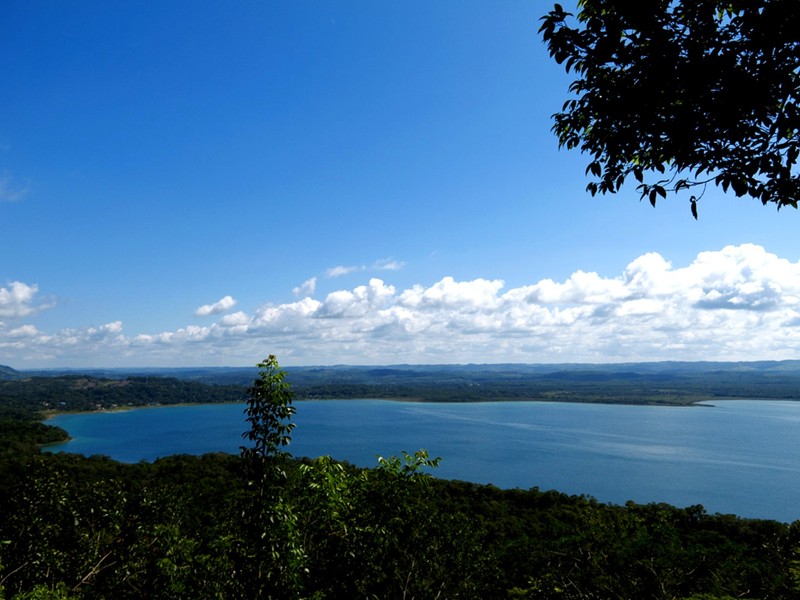
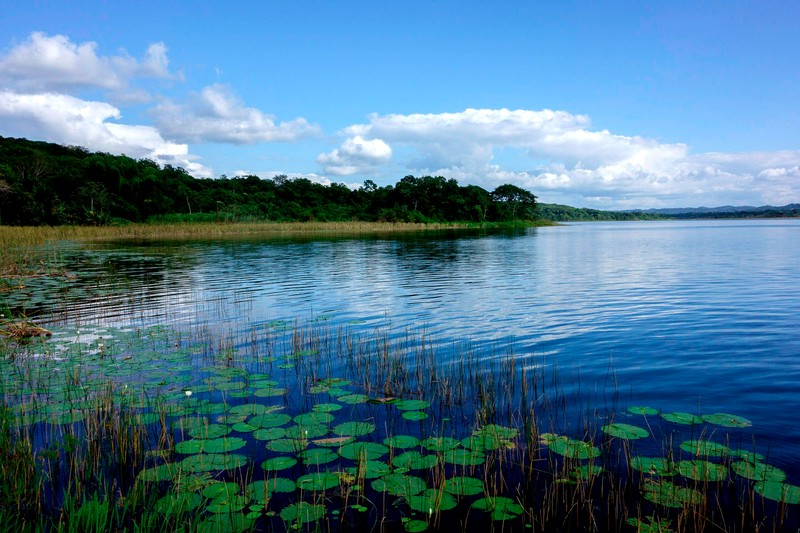
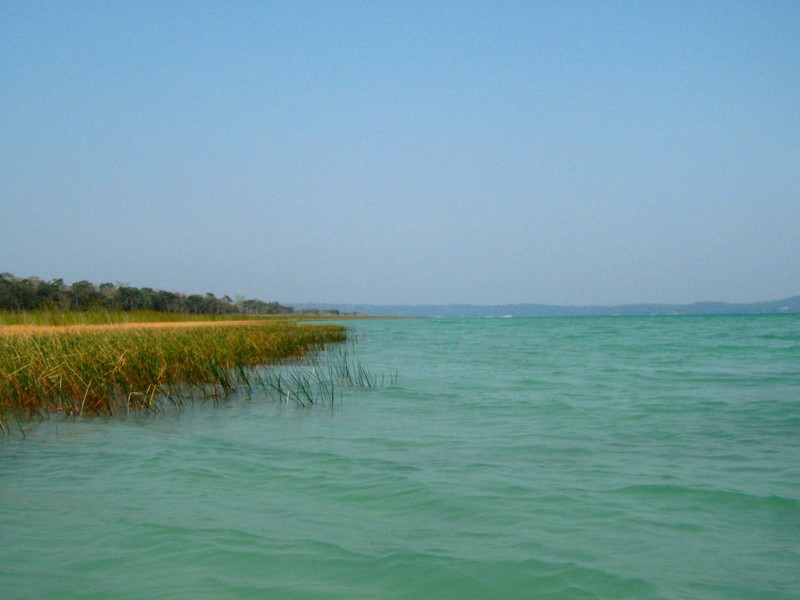
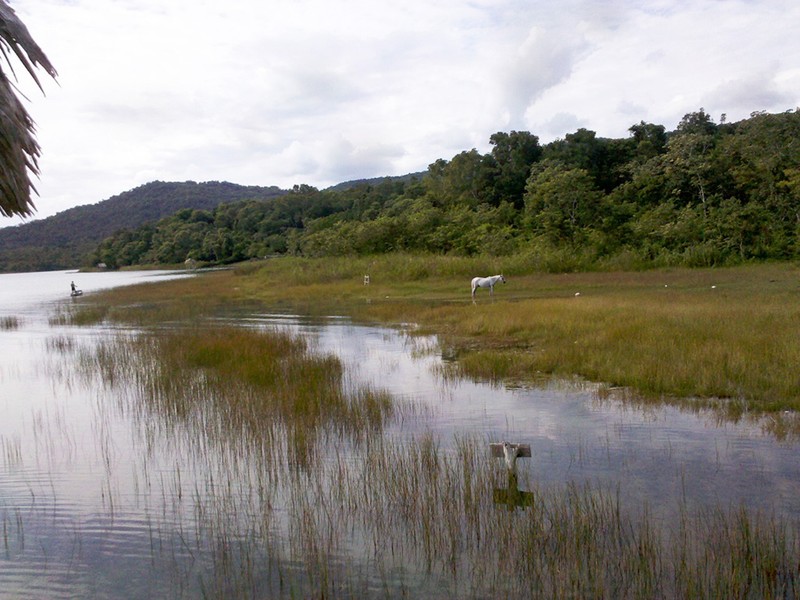
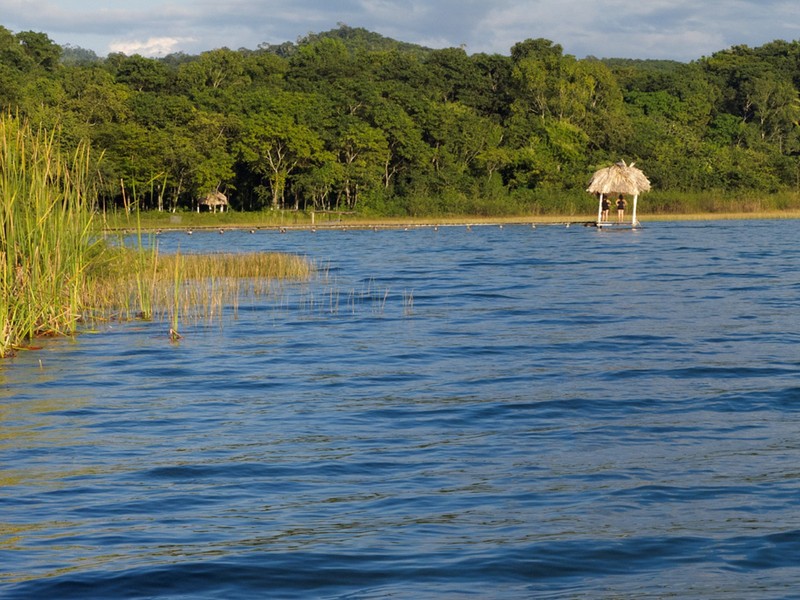
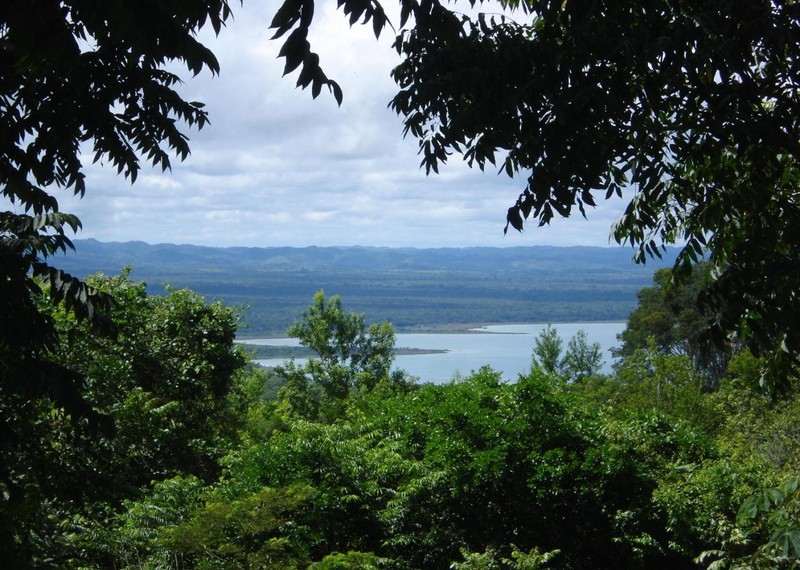
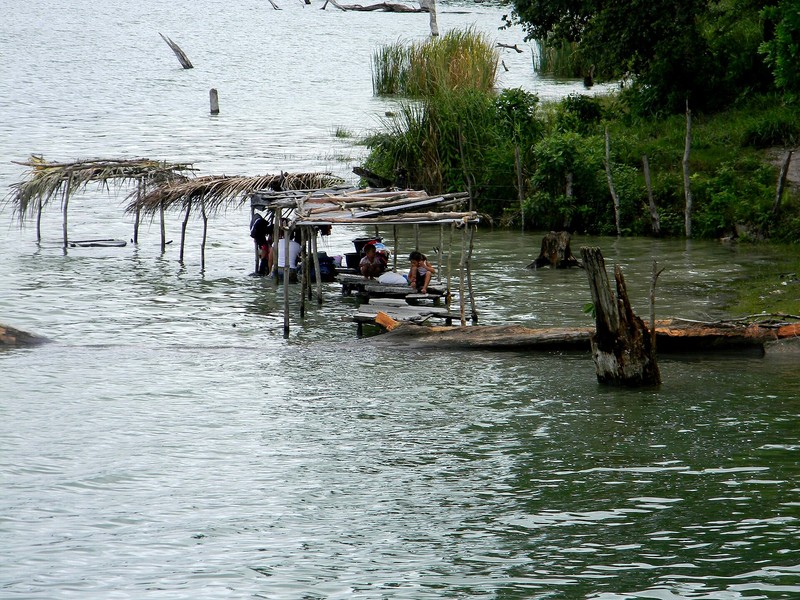
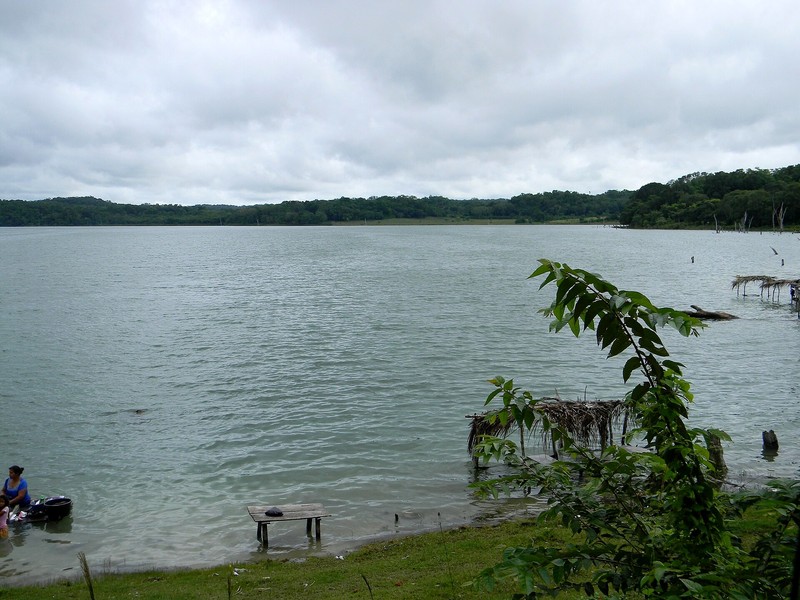
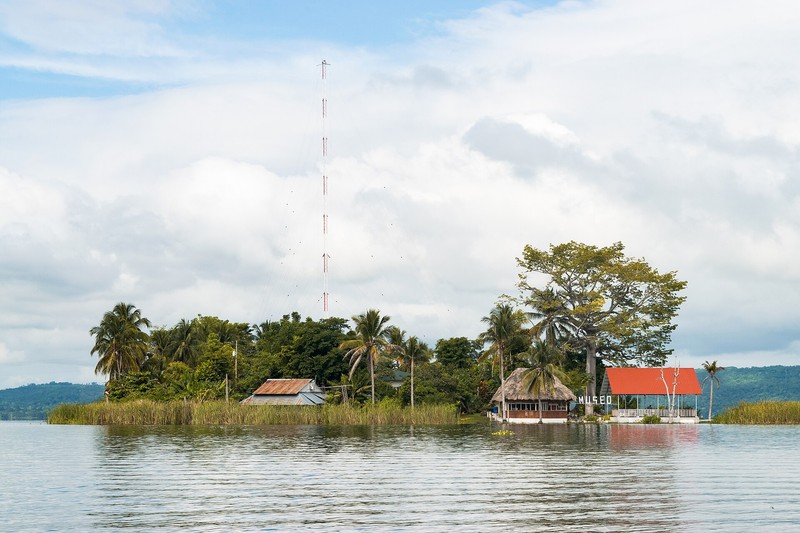
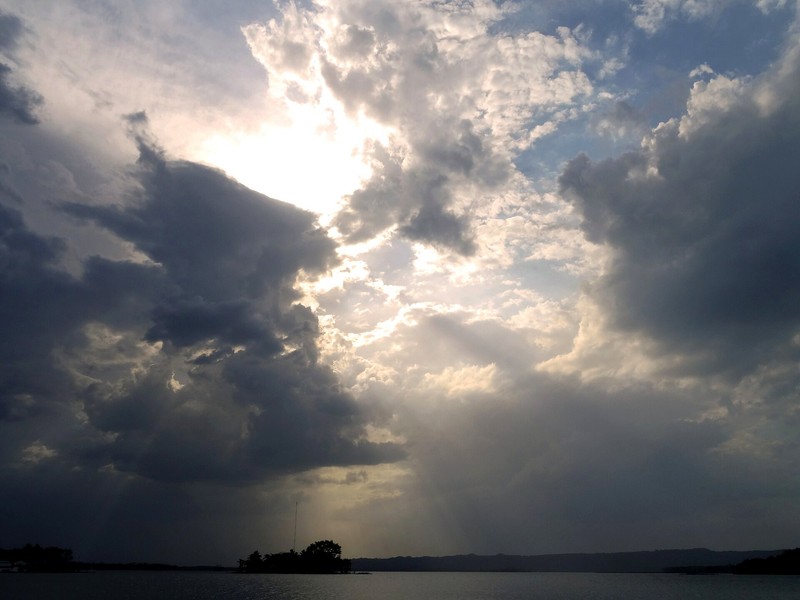
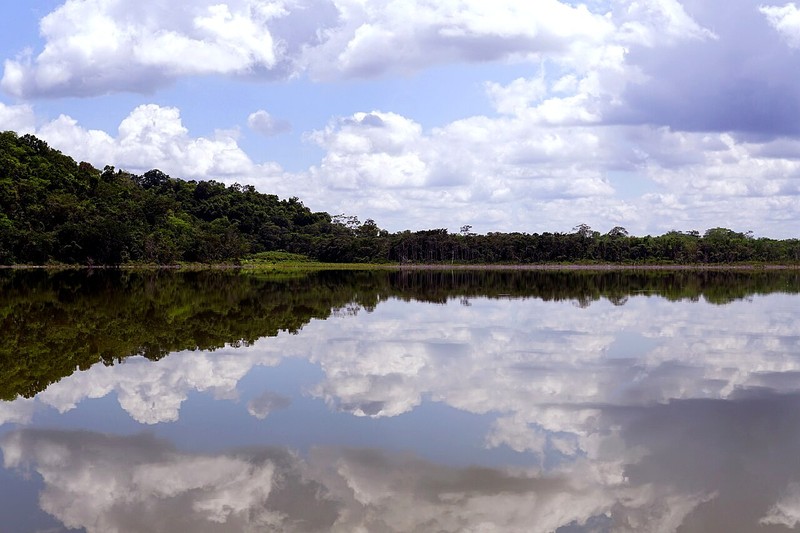
Lake Petén Itzá is one of Guatemala’s largest and best-known lakes, located in the central part of the Petén department in the north of the country. It covers about 99 km² and reaches a maximum depth of approximately 160 metres in some areas. Surrounded by tropical forest and small communities, its shores combine natural scenery, local culture, and the heritage of the ancient Maya.
Geography and natural features
Petén Itzá has a karst origin, associated with the dissolution of limestone and the formation of a natural basin. The lake lies at an elevation of about 110 metres above sea level. Its northern part is deeper, while the southern sections are generally shallower. Natural water exchange occurs partly through underground karst formations, and the water level can change noticeably depending on rainfall and evaporation.
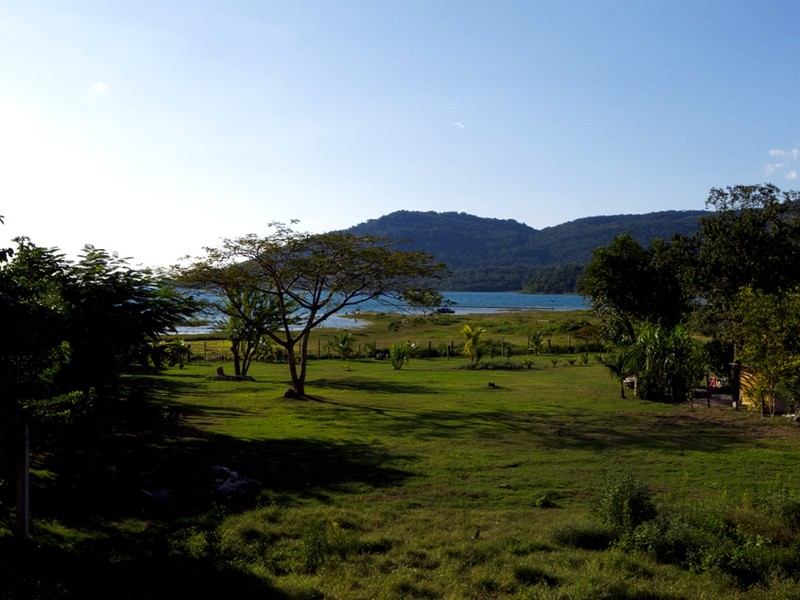
Tropical vegetation surrounds the lake, and its shores provide habitat for birds, fish, and other animals. A characteristic aquatic species in the region is Petenia splendida, known locally as blanco fish, a cichlid native to local waters. Protecting the lake is important for biodiversity and for the communities around it.
Flores Island and Maya history
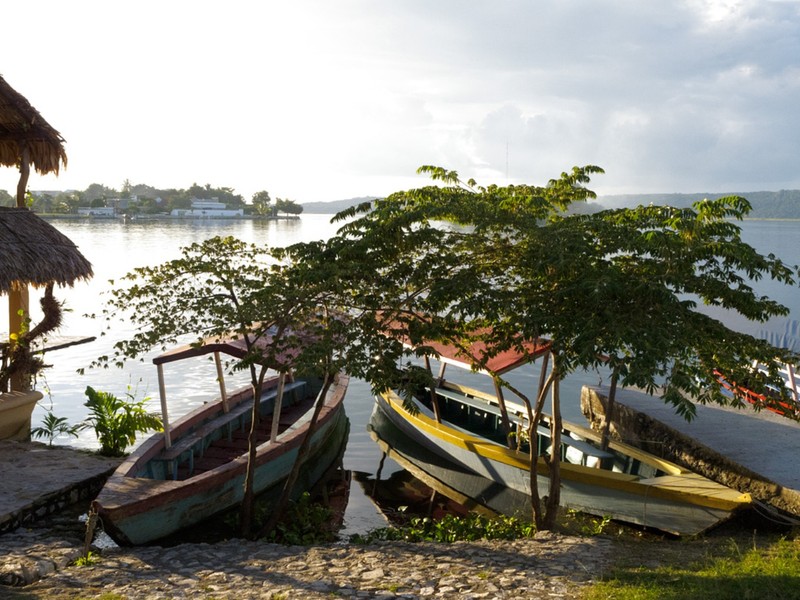
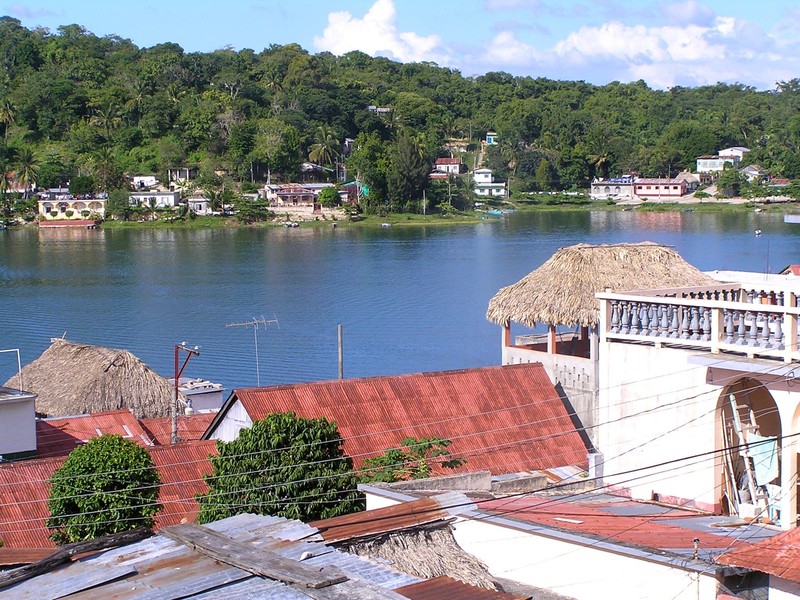
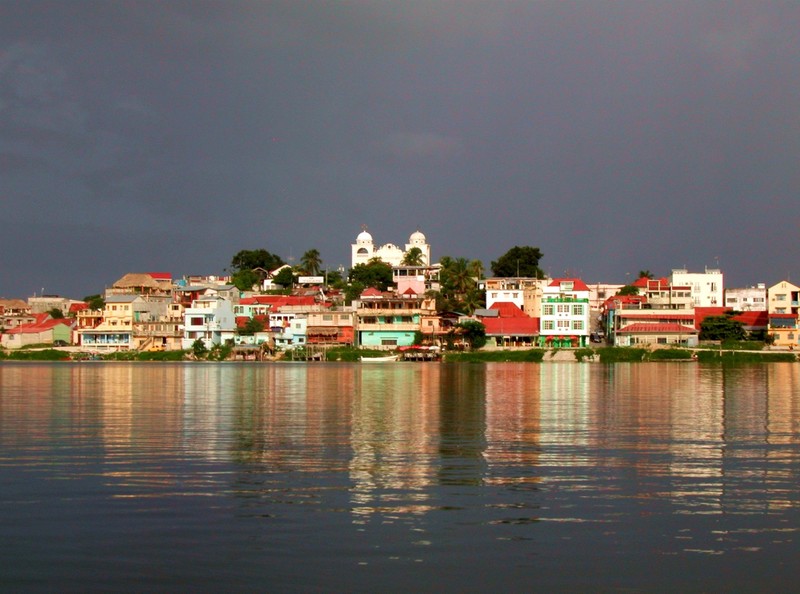
The lake’s best-known settlement is the island town of Flores, connected to the mainland by a causeway. Its colourful buildings, narrow streets, and waterfront create one of the most picturesque urban scenes in northern Guatemala. Flores is also a convenient starting point for boat trips and exploration of the surrounding area.
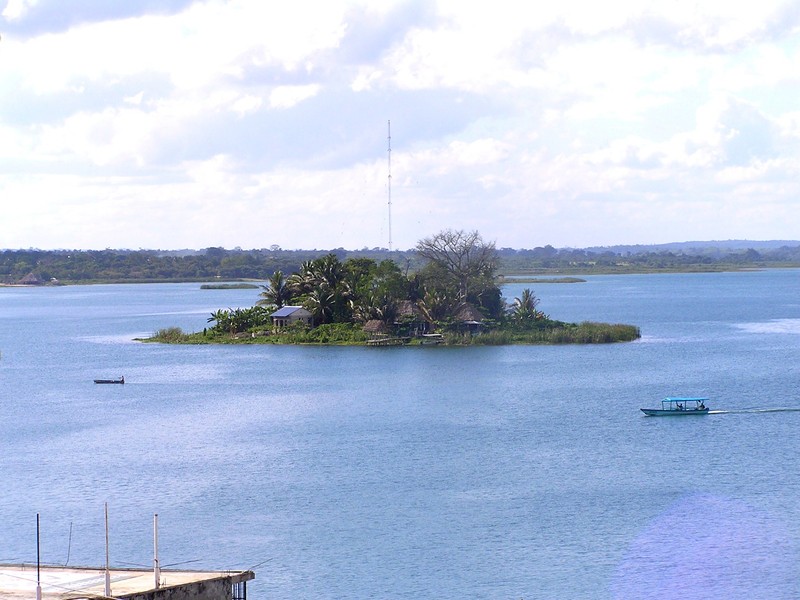
Long before the Spanish conquest, the shores of Petén Itzá were part of the Maya world. The ancient city of Tayasal stood on an island near present-day Flores and remained one of the last independent Maya centres until the late seventeenth century. The lake was an important natural resource and part of a network of settlements linked by trade, fishing, and regional travel.
Places to visit around the lake
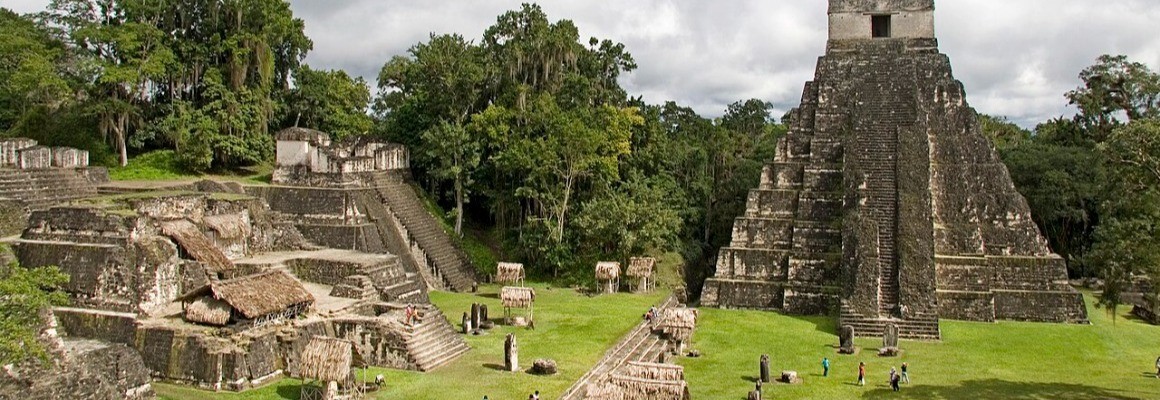
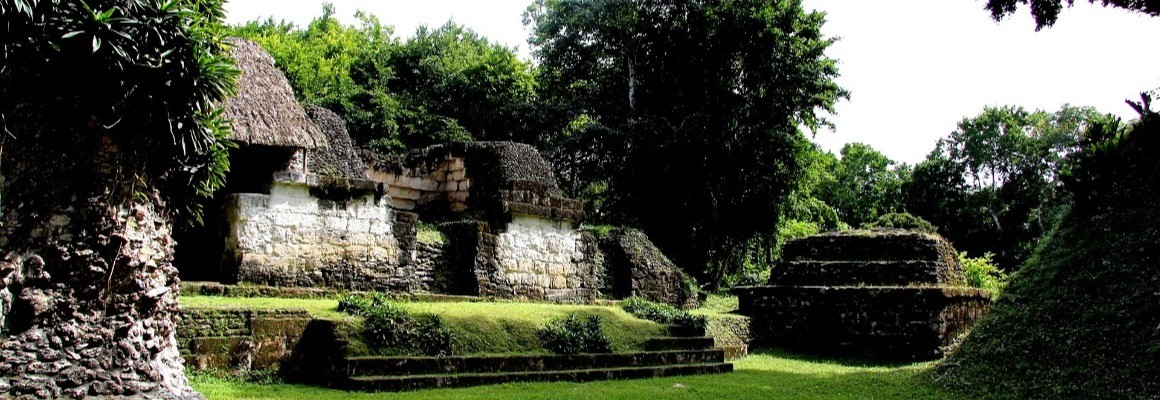
Flores is a convenient base for exploring the lake and Petén’s archaeological attractions. Excursions from the town visit Tikal National Park, the ruins of Yaxha, and other sites associated with ancient Maya civilization. This combination makes it possible to alternate jungle walks and temple visits with relaxing time by the water.
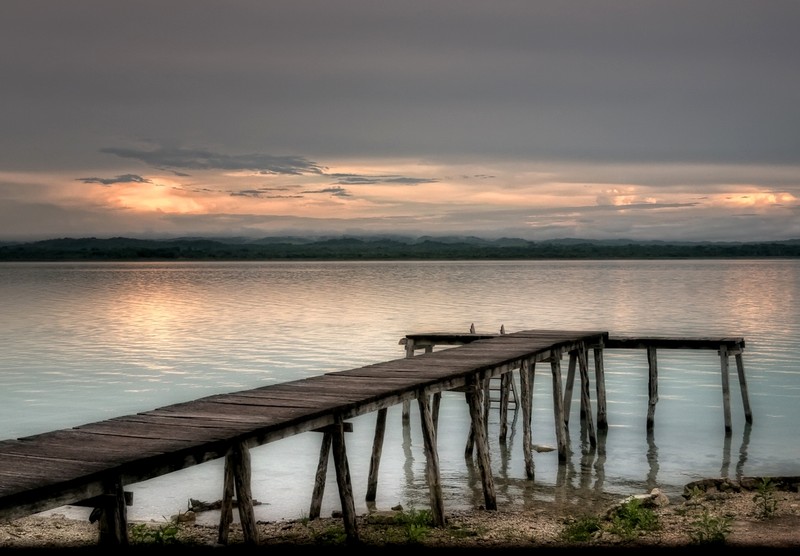
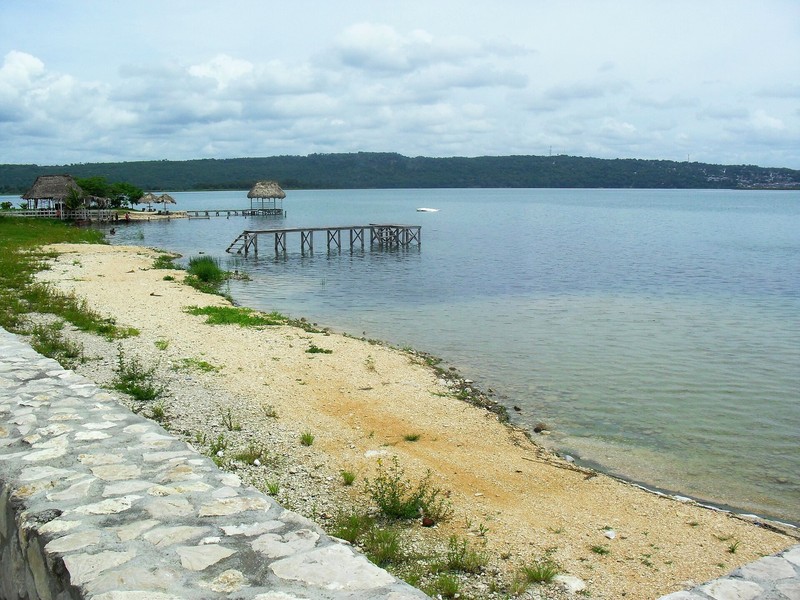
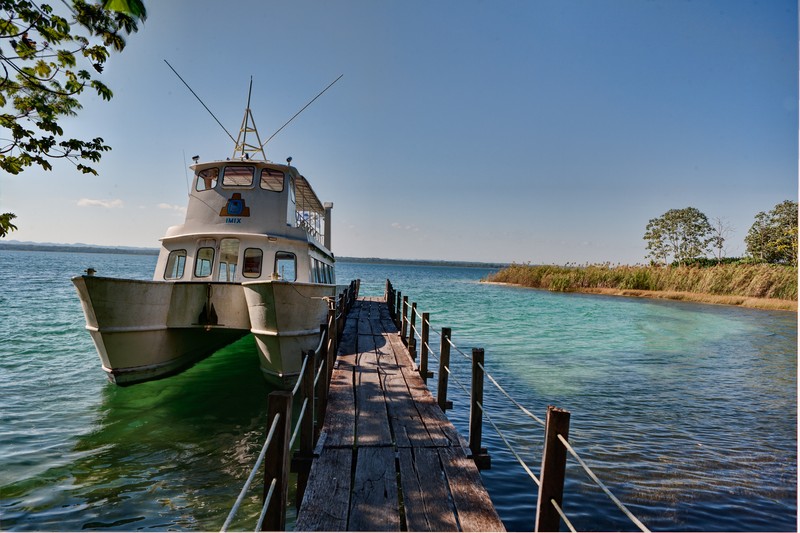
Other communities along the lake include San Andrés, San Benito, El Remate, and Jobompiche. Each has its own atmosphere and access to the water. Some areas have places to relax by the shore, small docks, and local establishments overlooking the lake.
Things to do at Lake Petén Itzá
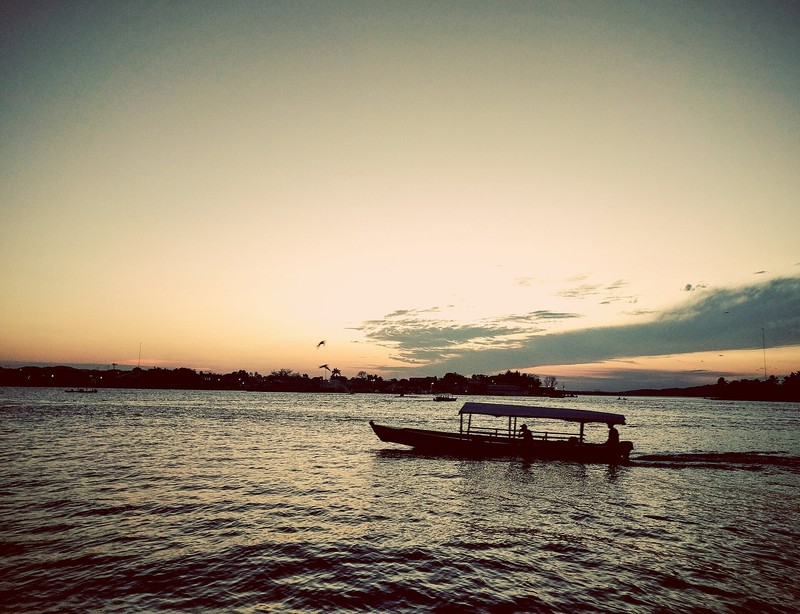
Boat trips are among the most popular activities. From the water, visitors can enjoy views of Flores, forested shores, and small lakeside communities. In suitable locations, it may also be possible to swim, relax by the water, photograph the scenery, and watch birds. Swimming and other water activities depend on the specific shoreline, water conditions, and local rules.
Another way to experience the region is to sample local cuisine and walk along the Flores waterfront. Sunsets are especially attractive, as the light reflects off the lake and casts warm colours over the surrounding shores.
How to get to the lake
Flores is the main transport hub for the region. From Guatemala City, visitors can take a domestic flight to Mundo Maya International Airport nearby, or travel by bus or car. Once in the area, different parts of the lake can be reached by road or boat, depending on the destination.
Flores offers hotels, restaurants, tour agencies, and transport connections to Petén’s main archaeological sites. For trips to more remote communities, it is advisable to check transport schedules and boat-hire options in advance.
Best time to visit
Lake Petén Itzá can be visited throughout the year thanks to its warm tropical climate. The drier period generally runs from November to April and is well suited to boat trips, exploring Flores, and visiting archaeological sites. From May to October, rain is more frequent, but the surrounding vegetation becomes especially lush. During the rainy season, travellers should account for road conditions and possible weather-related changes to their plans.
Lake conservation and environmental challenges
The lake is important ecologically, culturally, and for tourism, but it faces pressure from settlement growth, pollution, and impacts on its watershed. In 2024, Guatemala adopted legislation to protect the Lake Petén Itzá basin, providing for a framework to manage the watershed sustainably and conserve the lake and its tributaries.
Visitors should avoid leaving rubbish on the shore, use designated recreation areas, and follow local rules for swimming and boating. Responsible behaviour helps preserve the lake’s natural resources and appeal for future generations.
Why visit Lake Petén Itzá
Petén Itzá is ideal for travellers who want to combine Maya history with a peaceful natural setting. Visitors can explore colourful Flores, take a boat trip, watch the sunset over the water, and use the lake as a base for excursions to ancient cities hidden in the jungle. It is one of the places where the natural landscapes of northern Guatemala are closely intertwined with the country’s cultural heritage.
Gallery