A major museum of Cuba's revolutionary history
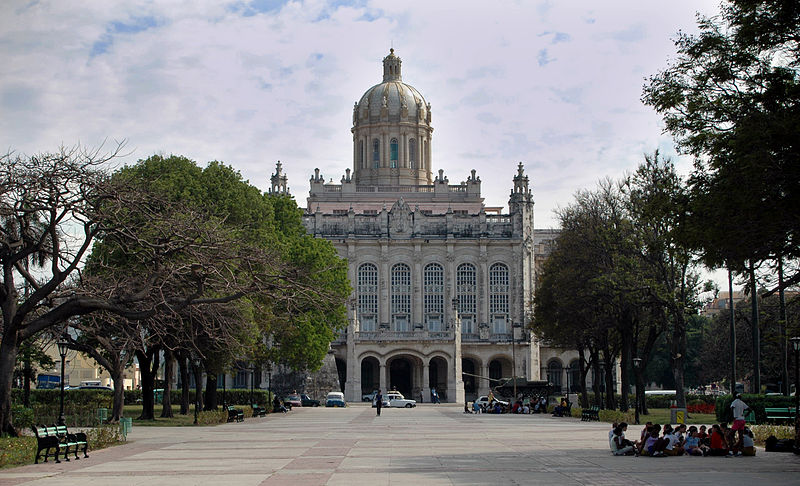
The Museum of the Revolution (Museo de la Revolución) stands in the historic centre of Havana, the capital of Cuba. Its exhibitions explore key events in the country's history, the struggle for independence, political changes in the twentieth century and the Cuban Revolution of the 1950s. The museum occupies the former Presidential Palace, allowing visitors to learn about Cuban history while exploring one of Havana's notable historic buildings.
The galleries contain photographs, documents, flags, weapons, personal belongings of revolutionaries and other historical objects. The collection covers different periods, from pre-Columbian Cuba and the independence struggles to the revolutionary movement led by Fidel Castro. Particular attention is given to the events that led to the fall of Fulgencio Batista's government in 1959.
History of the Presidential Palace
The museum building was constructed during the first decades of the twentieth century. Work began in the 1910s, and construction is generally considered to have been completed around 1920. The building was later used as the residence of Cuban presidents, including Fulgencio Batista, who was in power during the revolutionary events of the 1950s.
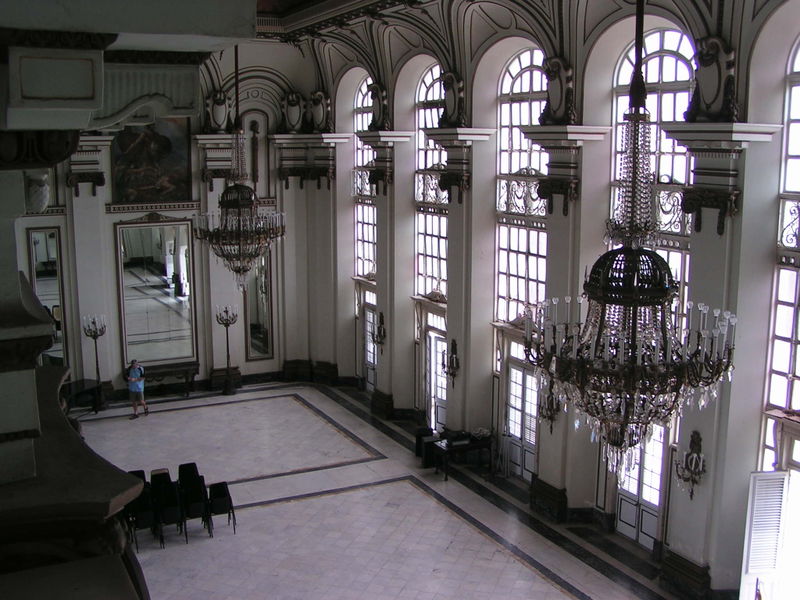
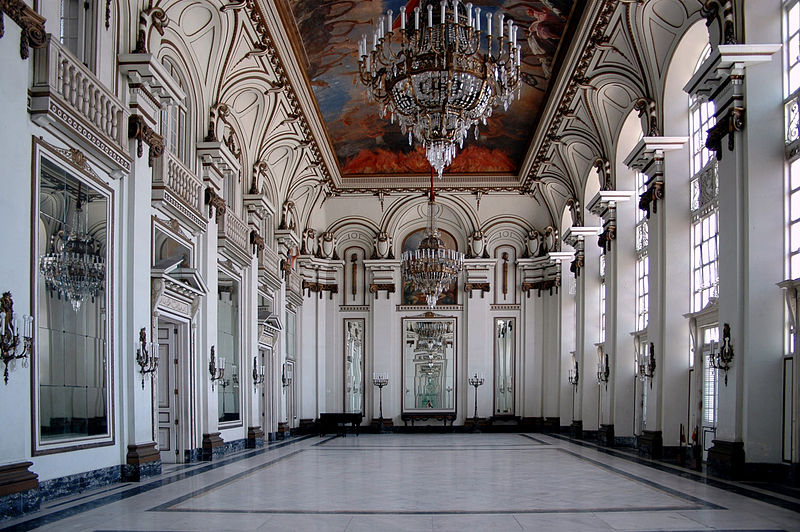
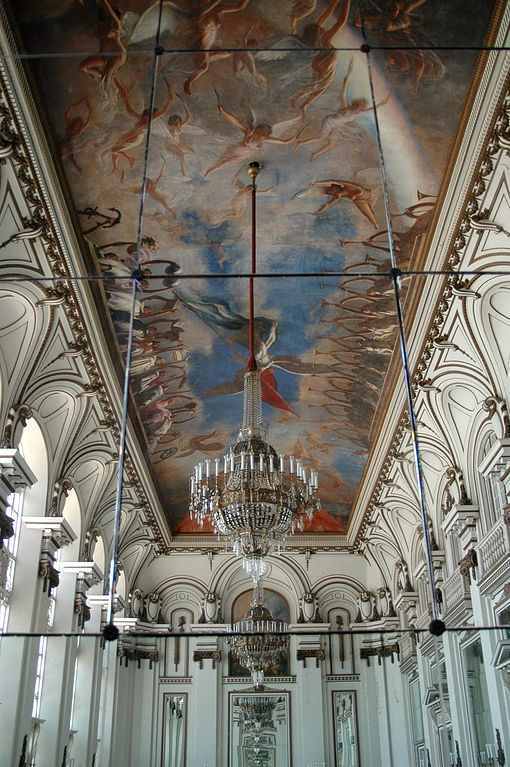
The palace combines the imposing appearance of an official government building with decorative interiors. Specialists from the American company Tiffany contributed to the interior decoration. Grand staircases, spacious halls and ornamental details recall the period when the building was a centre of state power. After the revolution, the palace acquired a new role as a place for preserving and presenting historical evidence.
The Cuban Revolution and the fall of Batista
One of the museum's central themes is the revolutionary movement against Fulgencio Batista. Batista took power in a coup in 1952. His government was associated with political repression and restrictions on democratic institutions, strengthening opposition across Cuban society.
On 26 July 1953, a group of revolutionaries led by Fidel Castro attempted to seize the Moncada Barracks in Santiago de Cuba. The attack failed, and many participants were killed or arrested, but the event became a symbol of resistance. The 26th of July Movement later became one of the main names associated with the revolutionary struggle.
After his release from prison, Castro and his supporters went to Mexico to prepare another expedition. In late 1956, they returned to Cuba aboard the yacht Granma and began an armed campaign in the Sierra Maestra mountains. The movement gradually expanded, and Batista left the country on 1 January 1959. These events transformed Cuba's political system and shaped its subsequent history.
The Granma yacht and memorial pavilion
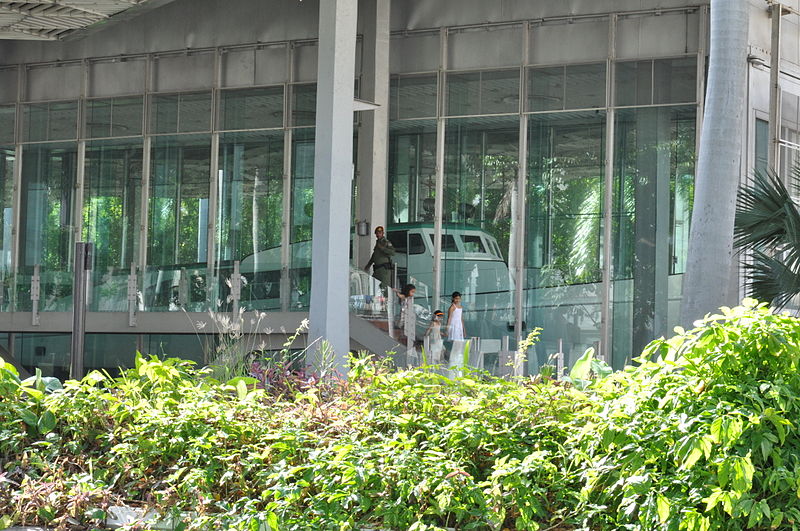
One of the best-known objects in the museum complex is the yacht Granma, which carried revolutionaries from the Mexican port of Tuxpan to Cuba in 1956. The vessel was designed for a small number of passengers, yet 82 people took part in the expedition. The crossing was difficult, and the landing on the Cuban coast did not go according to the original plan. Nevertheless, the arrival of Granma marked the beginning of the guerrilla campaign in the Sierra Maestra.
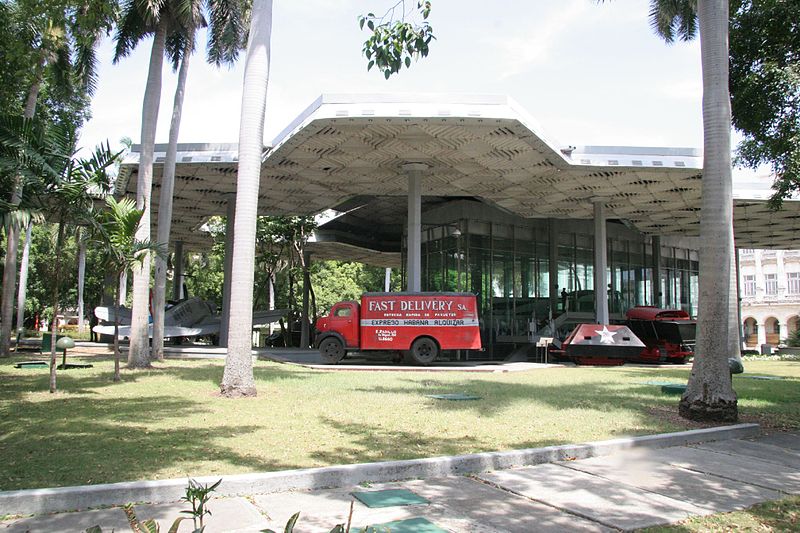
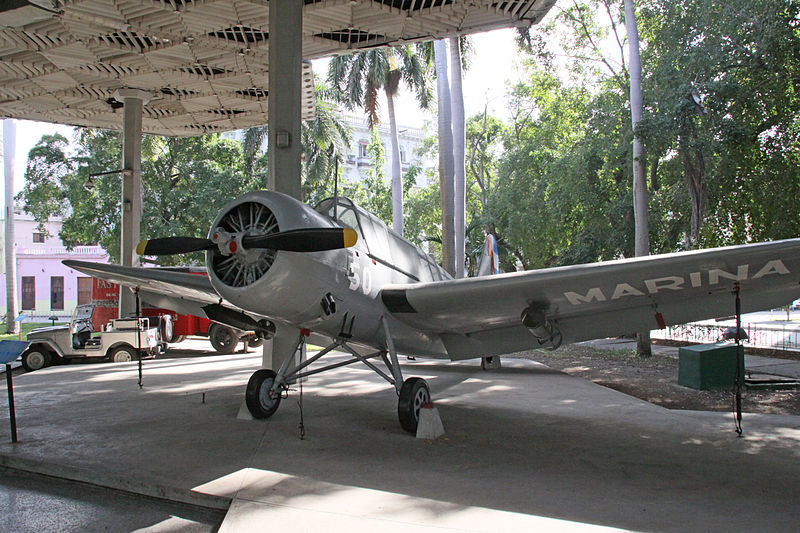
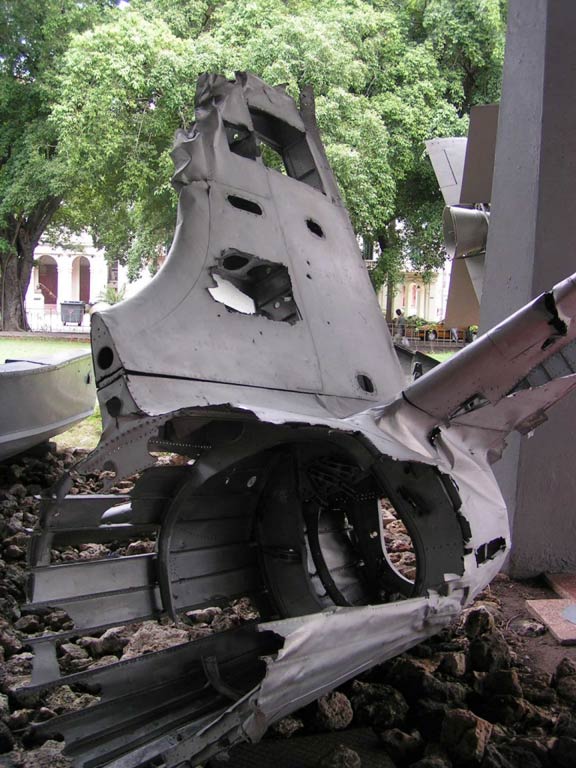
The yacht is displayed in a memorial pavilion behind the main building and protected by a glass enclosure. Nearby are aircraft, vehicles and military equipment associated with the revolutionary events and later Cuban history. The display allows visitors to examine historic objects at close range and imagine the conditions of the expedition.
Che Guevara and the revolutionaries
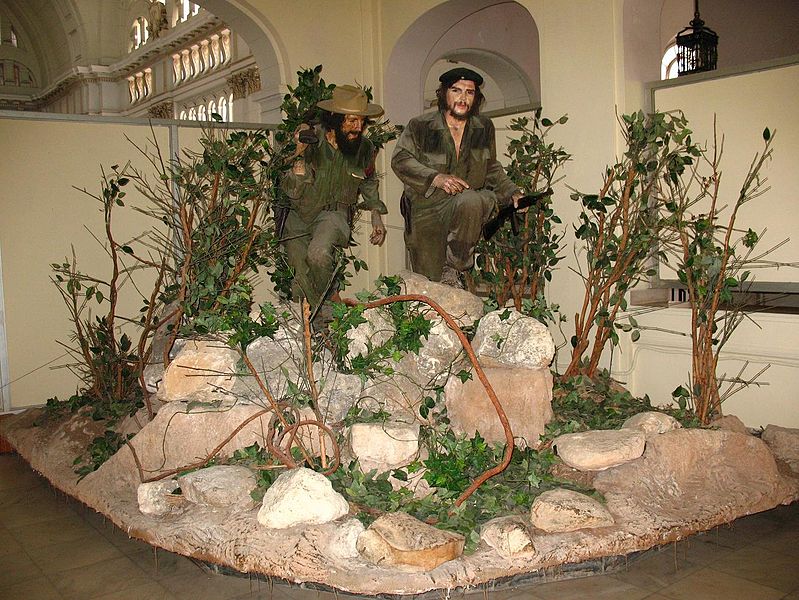
The museum presents material about leading figures of the revolutionary movement, including Fidel Castro, Ernesto Che Guevara and Camilo Cienfuegos. Photographs, documents, personal objects and military items trace the participants' path from preparations for the uprising to the establishment of a new government. Dedicated displays cover the Moncada attack and the guerrilla campaign in the mountains.
The material explores military events, the organisation of the movement and its symbols. The Cuban Revolution remains subject to differing historical interpretations, and the museum primarily reflects Cuba's official account of the past. Visitors seeking a broader understanding may wish to compare the exhibits with other historical studies.
The tank and the Bay of Pigs invasion
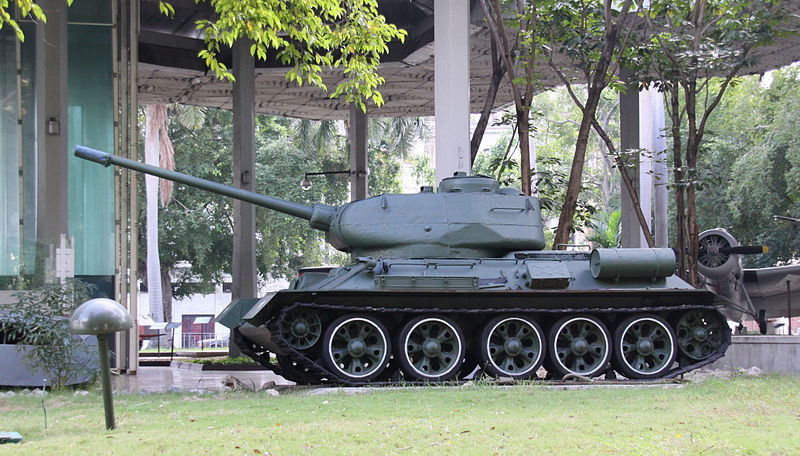
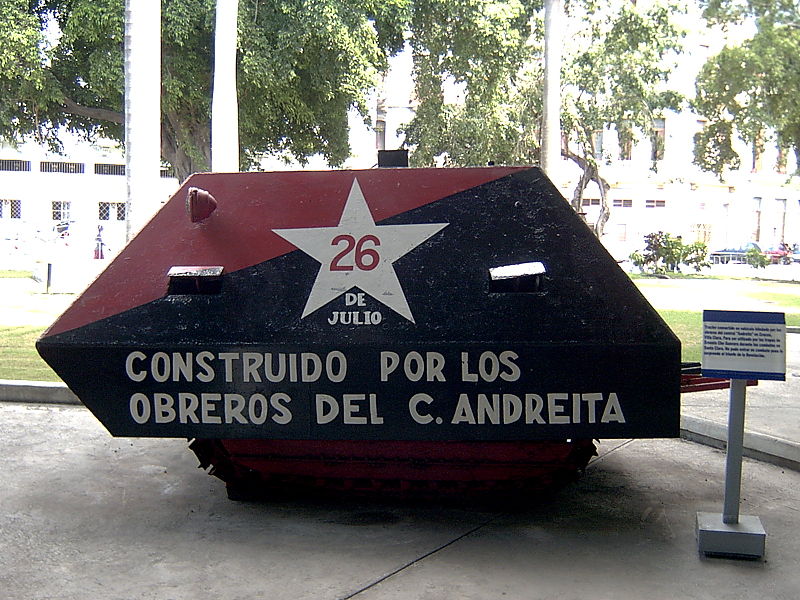
Military equipment associated with post-revolutionary Cuban history is displayed outside the building. Among the best-known objects is the SAU-100 self-propelled gun, which museum accounts associate with Fidel Castro during the events at the Bay of Pigs in 1961.
In April 1961, armed Cuban exile forces backed by the United States landed at the Bay of Pigs in an attempt to overthrow the new Cuban government. The operation was defeated within days. The events deepened tensions between Cuba and the United States and became a major episode in the early Cold War.
Architecture and interiors
The building itself is an important part of the museum experience. The former Presidential Palace has monumental volumes, a symmetrical composition and a formal entrance. Inside, spacious rooms, staircases and decorative details recall its original function as the seat of government.
During a visit, it is worth looking beyond the exhibits to the architectural details. The contrast between the palace's formal rooms and documents relating to armed struggle highlights the scale of the political changes Cuba experienced during the twentieth century.
What to see during a visit
A good starting point is the main exhibition on Cuban history and the revolutionary movement. Visitors can then explore material about the Moncada attack, the Sierra Maestra campaign and key revolutionary figures. The visit can conclude with the Granma Memorial Pavilion and military equipment in the courtyard.
Allow several hours to examine the documents, photographs and historic objects carefully. The galleries available to visitors and the visiting arrangements may change because of maintenance or organisational restrictions, so check current information before travelling.
Location and how to get there
The museum is at Calle Refugio No. 1, between Zulueta and Monserrate streets, in central Havana. It is close to the historic districts of Old Havana, making it easy to combine a visit with a walk through the old city and nearby cultural attractions.
Visitors can walk from central neighbourhoods or take a taxi. If using public transport, check current routes in advance. Opening hours, ticket prices, access to individual galleries and visitor rules may change.
Why visit the Museum of the Revolution
The Museum of the Revolution presents Cuban history through documents, photographs, weapons, personal belongings and iconic historical objects. The former Presidential Palace connects the collection with the history of state power, while the Granma yacht and exhibits on the revolutionary movement explain the events that shaped the country's modern political system.
The museum is particularly interesting for people studying Latin American history, the Cold War, twentieth-century political movements and Havana's architecture. A visit offers insight into the role of the Cuban Revolution in national identity and international relations, as well as the way historical memory is presented in a contemporary Cuban museum.
Gallery