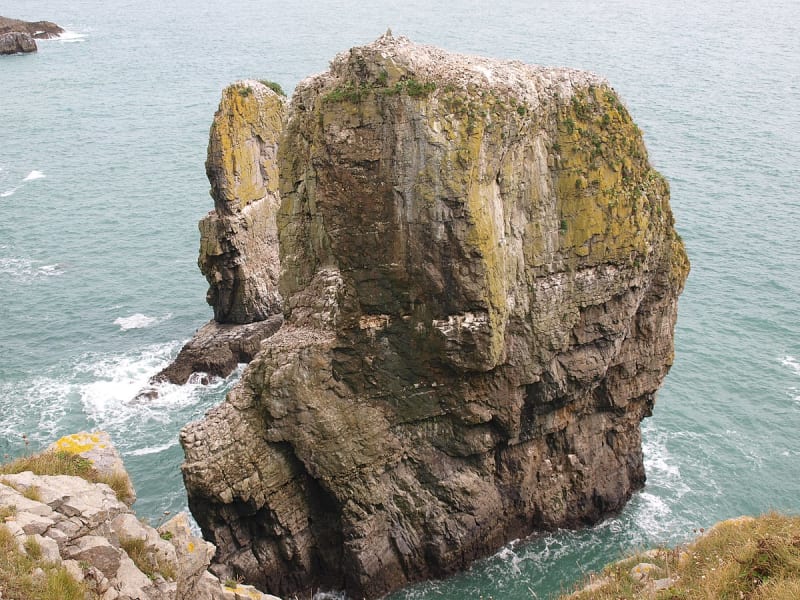
The Pembrokeshire Coast lies in southwest Wales, along the Irish Sea. It is one of the most scenic coastal regions of the United Kingdom, known for dramatic sea cliffs, sandy beaches, sheltered coves, small islands and rich wildlife. Much of the area belongs to Pembrokeshire Coast National Park, established to protect its distinctive coastal landscapes.
The National Park was designated in 1952 and covers approximately 612 square kilometres. Visitors can walk coastal trails, watch seabirds and seals, surf, explore historic settlements and relax on the beaches. The region's main walking route, the Pembrokeshire Coast Path, runs for about 299 kilometres.
What makes the Pembrokeshire Coast special?
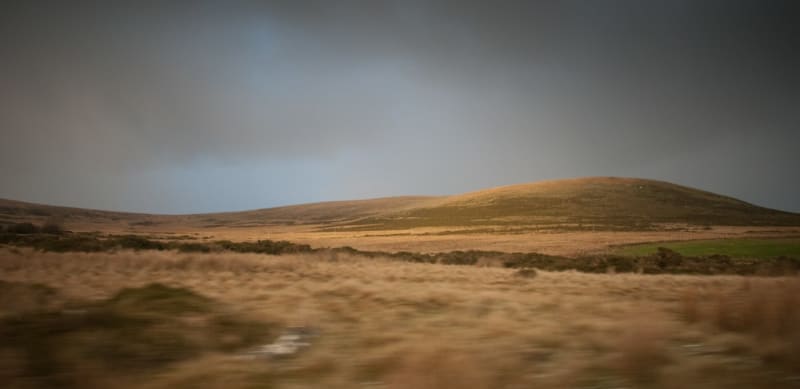
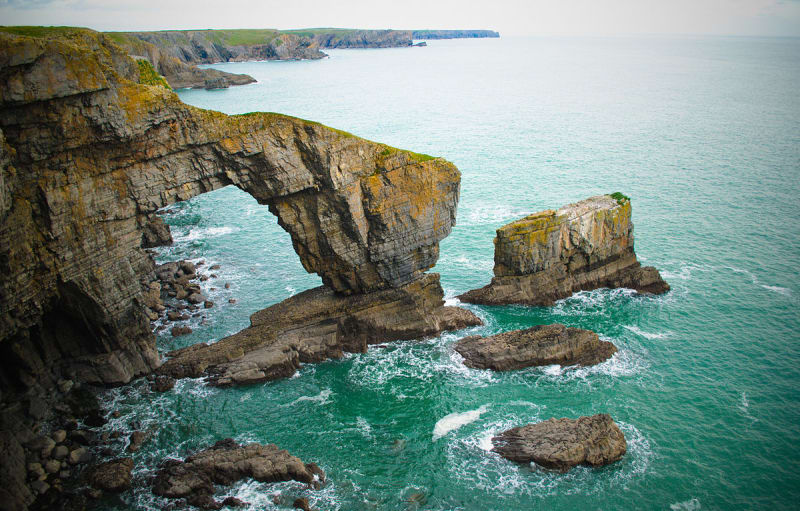
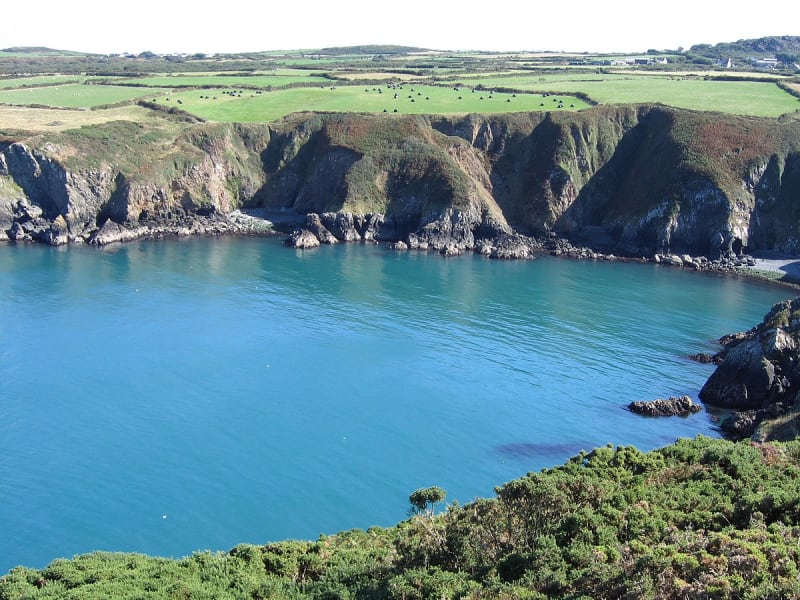
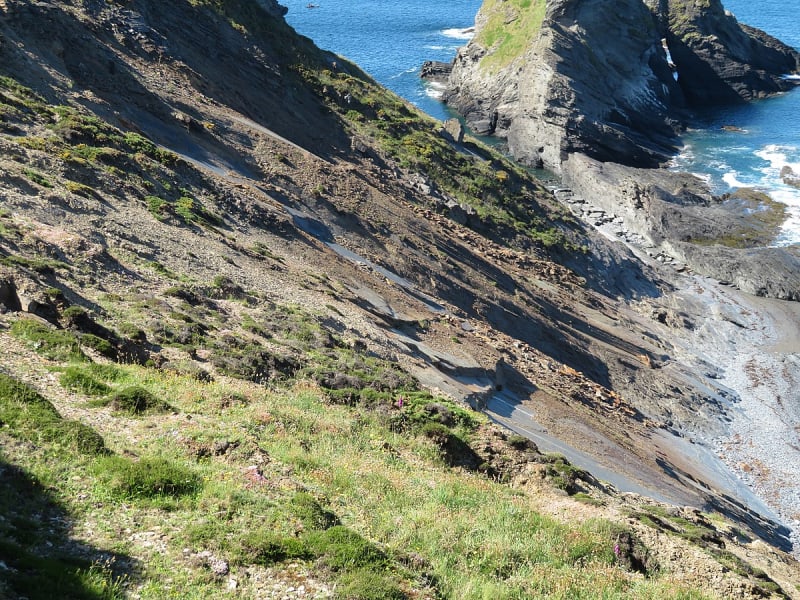
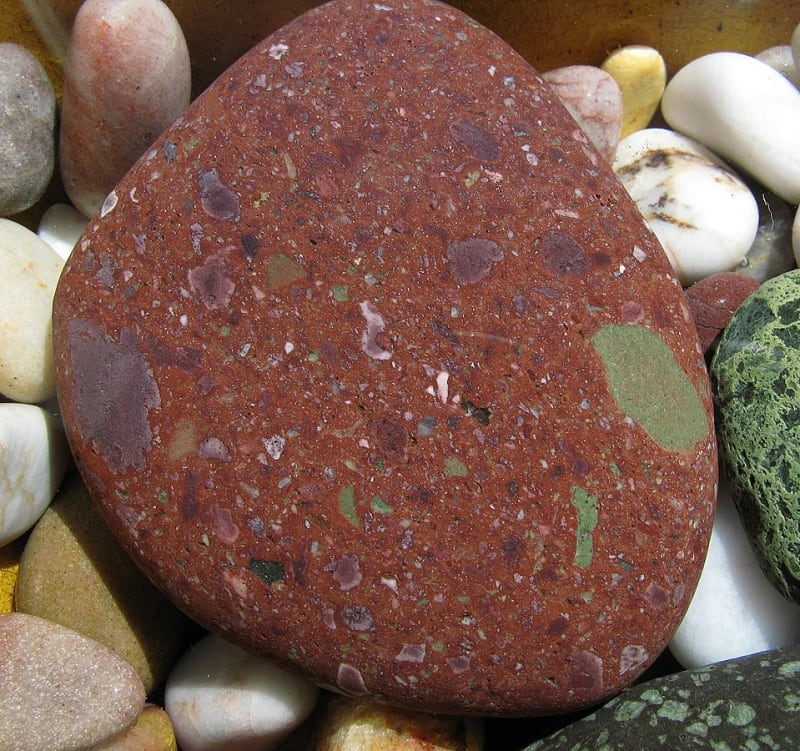
The coast offers a remarkable variety of landscapes over a relatively short distance. Limestone cliffs and broad sandy beaches are common in the south, while the northern coastline becomes more rugged, with rocky headlands, small coves and areas of volcanic rock. The National Park also includes the Preseli Hills and the Daugleddau Estuary.
The region appeals to hikers, photographers, birdwatchers and travellers interested in nature. Open sea views sit alongside quiet coastal villages, historic sites and habitats for wildlife.
Pembrokeshire Coast National Park
The National Park extends between St Dogmaels in the north and Amroth in the south. It covers around 612 square kilometres and is not limited to a narrow strip of shoreline: its boundaries also include islands, estuaries, countryside and the Preseli Hills.
Conservation work protects coastal ecosystems, geological features, historic heritage and traditional landscapes. Cliffs and islands provide important breeding grounds for seabirds.
Pembrokeshire Coast Path
The Pembrokeshire Coast Path is one of Wales's best-known walking routes. Its official length is about 299 kilometres, running from St Dogmaels in the north to Amroth in the south. Along the way, walkers encounter high cliffs, sandy coves, headlands, river estuaries and small coastal settlements.
The route opened in 1970 as the first National Trail in Wales. Walking the entire path usually takes around 12 days, although the time depends on pace, weather and stops. Many visitors choose individual sections for day walks instead of completing the whole trail.
Some sections include steep climbs and descents. Before setting out, check the weather forecast, trail conditions and tide times. High tides or poor conditions can require alternative routes in certain places.
Best beaches on the Pembrokeshire Coast
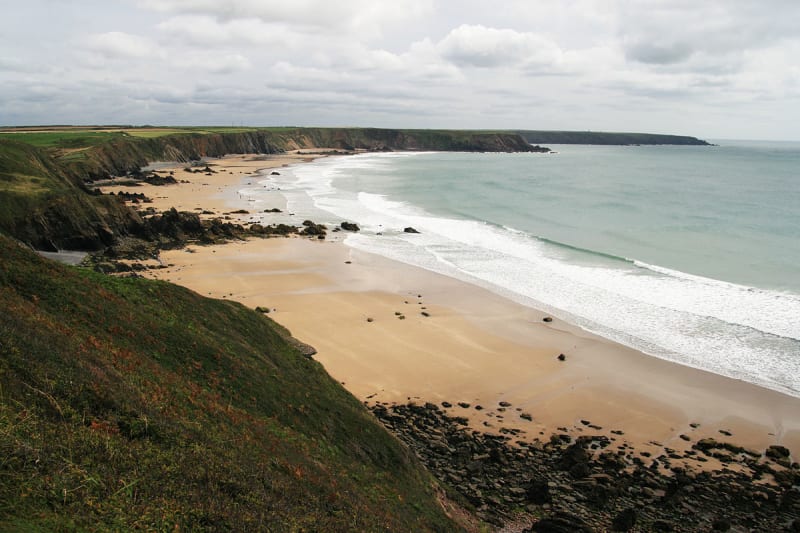
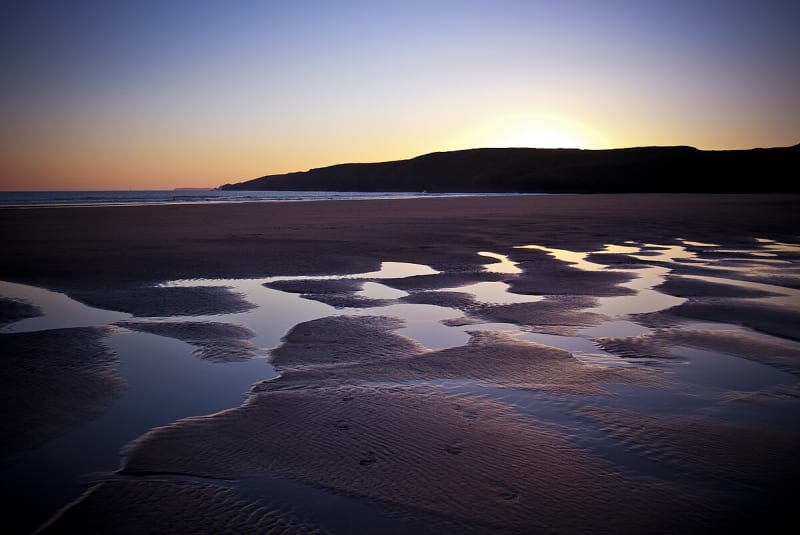
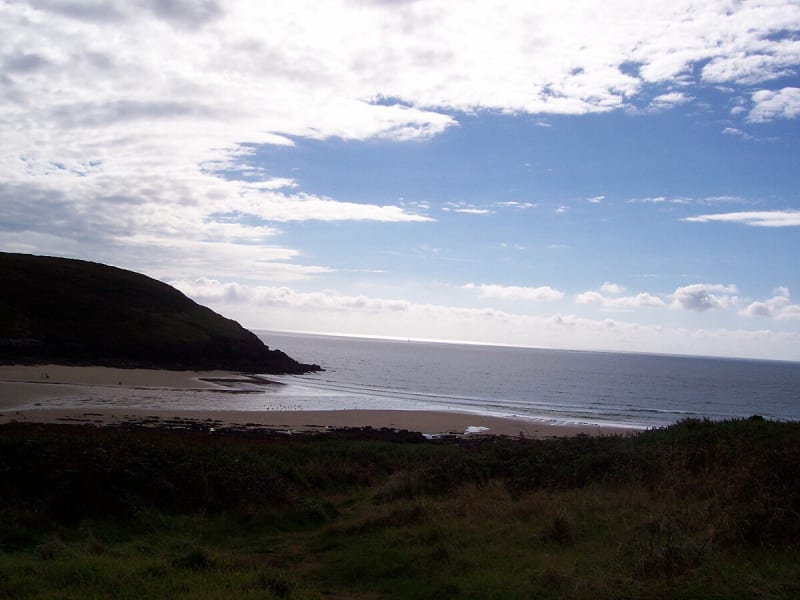
Pembrokeshire has beaches ranging from wide sandy shores to secluded coves surrounded by cliffs. Whitesands Bay near St Davids is popular for its sand and water sports. Newgale Beach is known for its long stretch of sand and shingle and attracts surfers. Freshwater West has an exposed shoreline and strong waves.
Barafundle Bay is famous for its sandy beach and natural setting; it is reached on foot from the Stackpole area. Broad Haven South has a wide sandy shore and striking coastal rock formations. Tenby offers town beaches close to cafés, shops and historic streets.
Before swimming or surfing, check sea conditions, tides and local warnings. Not every beach has lifeguards, and exposed stretches may have strong currents.
Skomer, Skokholm, Grassholm and Ramsey islands
The islands off Pembrokeshire are important for marine wildlife. Skomer is known for seabird colonies, including puffins during the breeding season. Skokholm attracts birdwatchers, while Grassholm supports large seabird colonies, including gannets. Ramsey Island near St Davids is an important habitat for grey seals.
Harbour porpoises and dolphins can also occur in local waters, although sightings are never guaranteed. Access to some islands depends on weather, sea conditions and conservation rules. Check boat schedules and landing arrangements before travelling.
Wildlife and birdwatching
Cliffs, islands, coastal grasslands and coves provide varied habitats for plants and animals. Seabirds nest on the cliffs, and grey seals can sometimes be seen below. In spring and summer, flowers brighten many coastal slopes. To avoid disturbing wildlife, stay on marked paths and keep away from nesting sites.
Historic attractions along the coast
St Davids is known for its cathedral, an important religious and architectural landmark in Wales. Tenby attracts visitors with its historic centre, town walls, colourful houses and beaches. Near Pembroke stands Pembroke Castle, a major medieval fortress associated with Welsh and English history.
St Govan's Chapel, built into the cliffs above the sea, is one of the area's unusual historic sites. Access depends on trail conditions and tides, so check local guidance before visiting.
Outdoor activities on the Pembrokeshire Coast
Popular activities include hiking, surfing, kayaking, boat trips and wildlife watching. Surfing conditions vary by beach, so consider wave strength, wind and advice from lifeguards. Boat excursions offer views of cliffs and islands from the water and may provide opportunities to see seabirds and marine mammals.
When to visit the Pembrokeshire Coast
Late spring and summer are popular for walking, island trips and birdwatching. Days are longer, and seasonal excursions often operate more frequently. Spring and autumn can be quieter, but the weather is changeable. Winter brings dramatic seascapes, although extra care is needed on exposed trails and beaches.
How to get to the Pembrokeshire Coast
Tenby, St Davids, Haverfordwest and Pembroke are useful bases for exploring the region. Pembrokeshire can be reached by car or public transport from other parts of Wales and the United Kingdom. Rail stations include Tenby and Haverfordwest, but reaching remote beaches and coves may require a local bus, taxi or car.
Some coastal roads are narrow, and car parks at popular beaches can fill quickly in summer. If you plan to visit the islands, check boat schedules, weather restrictions and access rules in advance.
Travel tips
For the Pembrokeshire Coast Path, wear sturdy shoes with good grip and bring waterproof clothing. Wind can be strong even in warm weather. Check the route map, tide times and any temporary trail closures before setting out.
Take care on beaches and near cliff edges: rocks can be slippery and cliff edges unstable. Do not approach the edge for photographs or disturb wildlife.
The Pembrokeshire Coast combines some of Wales's most striking seascapes with popular beaches, seabird islands and historic attractions. Visitors can spend a few hours on a single beach or plan a multi-day journey along the coastal trail.
Gallery