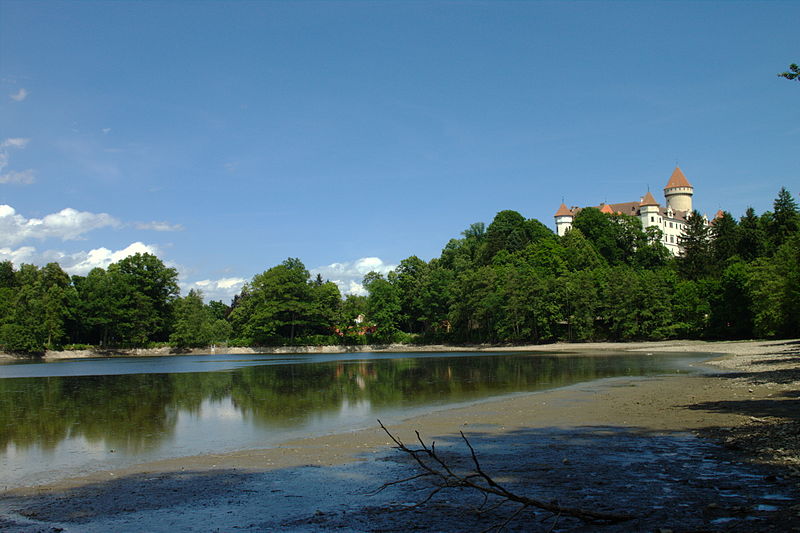
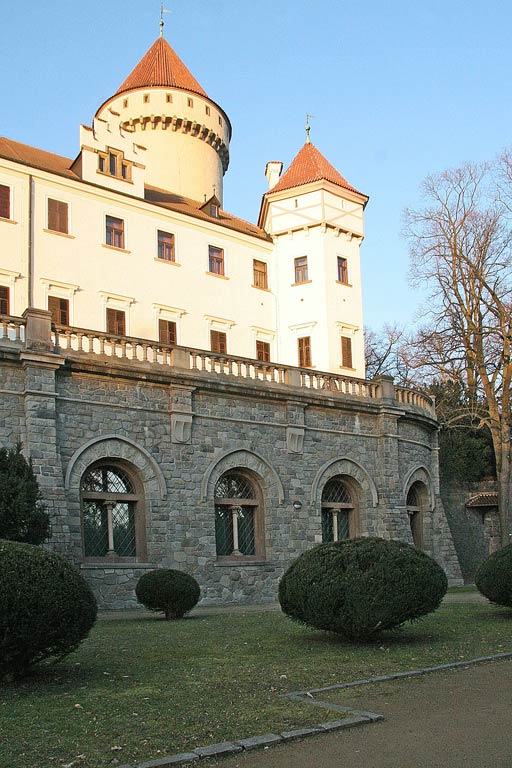
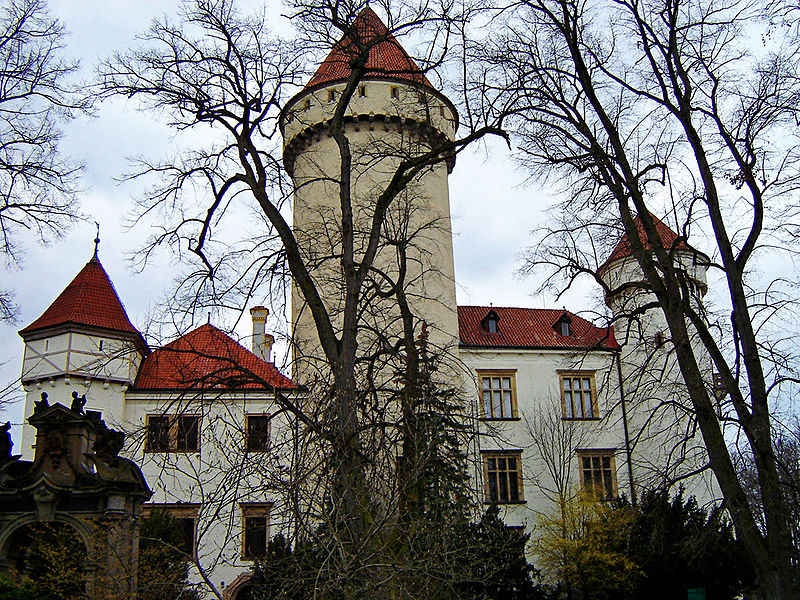
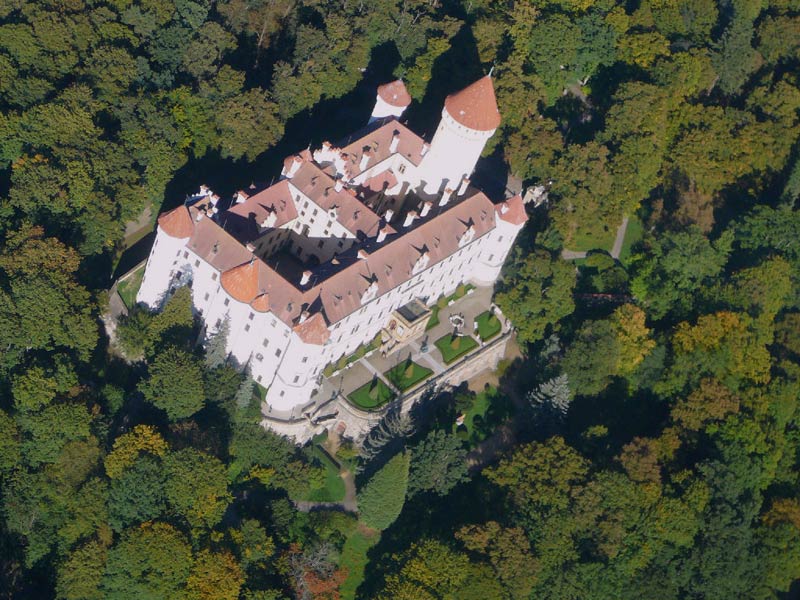
Konopiště Castle is one of the Czech Republic’s best-known historic residences. It lies near the town of Benešov, about 40 kilometres southeast of Prague. The medieval fortress, surrounded by a picturesque park, became especially famous as the last aristocratic home of Archduke Franz Ferdinand d’Este, heir to the Austro-Hungarian throne. Today, visitors come to explore its historic interiors, collections of weapons and artworks, hunting trophies, and beautiful Rose Garden.
Origins of the Medieval Fortress
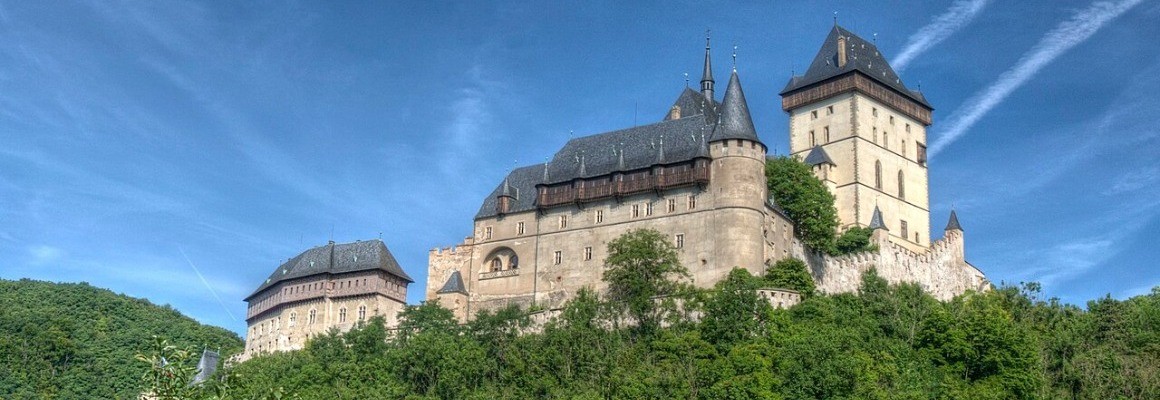
The history of Konopiště dates back to the late thirteenth century. The fortress was probably founded around 1294 by Tobias of Benešov, Bishop of Prague. Its design followed principles of French fortification architecture, including a rectangular layout, strong walls, round towers, and fortified entrances. A drawbridge formed an important part of the defensive system and helped control access to the interior.
In 1327, the castle passed to the Sternberg family and remained in their possession for several centuries. Later, Konopiště belonged to other influential noble families. Each period left traces in the fortress’s architecture and interior arrangements. Gradually, the stern defensive stronghold developed into a more comfortable aristocratic residence.
From Fortress to Palace
Reconstruction began in the late fifteenth century as the castle was adapted to changing living conditions and defensive needs. Further alterations took place in the seventeenth century. In the eighteenth century, the Vrtba family gave Konopiště the character of a Baroque residence. The medieval fortress gradually acquired a more imposing appearance suited to the lifestyle of European nobility.
Between the seventeenth and nineteenth centuries, the castle changed hands among several aristocratic families, including the Hodějovský, Wallenstein, Michna, and Lobkowicz families. These changes reflected political and property shifts in the history of Bohemia. However, the most extensive reconstruction was associated with the owner who turned Konopiště into his favourite residence.
Franz Ferdinand d’Este and a New Era
In 1887, the castle was purchased by Archduke Franz Ferdinand d’Este, a member of the Habsburg dynasty and future heir to the Austro-Hungarian throne. He decided to transform the old residence into a modern palace while preserving its historic character. The renovation incorporated historic architectural styles, while the interiors were equipped for the comfort expected in the late nineteenth century.
Franz Ferdinand was passionate about art, collecting, military history, and hunting. He installed numerous artworks, historic weapons, armour, furniture, and decorative objects in the castle. Much of the collection came from his Italian ancestors, while other pieces were acquired personally. Konopiště thus became not only a family residence but also a repository of historical and artistic treasures.
In 1896, Franz Ferdinand officially became heir to the Austro-Hungarian throne. Despite his high position, he preferred spending much of his time at Konopiště, away from formal court life. Together with his wife, Sophie Chotek, he created a family home where he welcomed guests and pursued his interests.
The Sarajevo Tragedy
On 28 June 1914, Franz Ferdinand and his wife Sophie were assassinated in Sarajevo during a visit to Bosnia. The attack was carried out by Gavrilo Princip, a member of a nationalist movement. The killing of the heir to the throne became the immediate trigger for the July Crisis, which led to the outbreak of the First World War.
The tragedy changed the castle’s fate. In 1921, Konopiště passed into the administration of the Czechoslovak state, and parts of the residence and park were opened to the public. During the Second World War, the headquarters of SS units were located at the castle. After the war, public access was restored, and the historic residence gradually became one of the Czech Republic’s important museum sites.
Interiors and Collections
The interiors of Konopiště offer a glimpse into the life of European aristocracy at the turn of the twentieth century. Visitors can see ceremonial halls, living rooms, furniture, paintings, decorative objects, and historic design details. Many rooms preserve the atmosphere of the period when Franz Ferdinand lived here with his family.
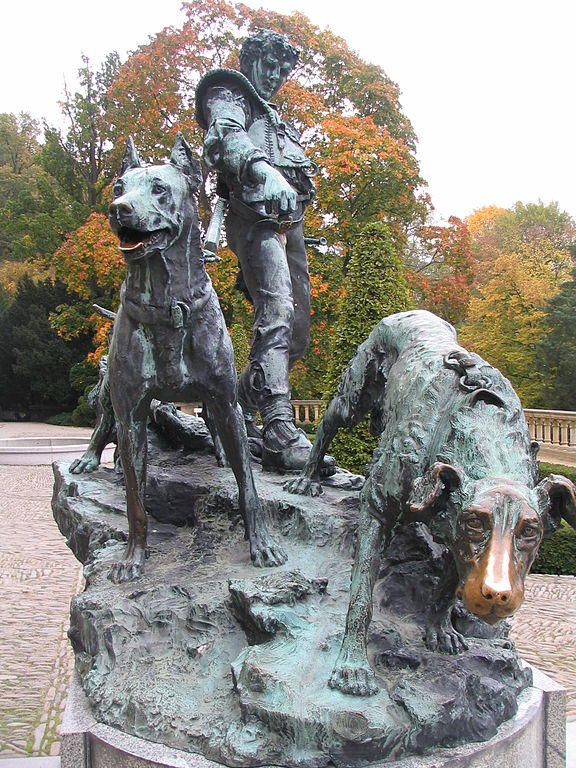
The castle is especially renowned for its collection of historic weapons and armour. Objects from different periods illustrate the development of European arms-making and military culture. The extensive collection of hunting trophies is equally striking and reflects the archduke’s passion for hunting. These displays make Konopiště appealing not only to architecture enthusiasts but also to people interested in European dynasties and military history.
The castle also contains art and decorative collections associated with the history of its owners. Together, these objects show how a historic residence combined ceremonial functions with the everyday life of an aristocratic family.
The Rose Garden and Park
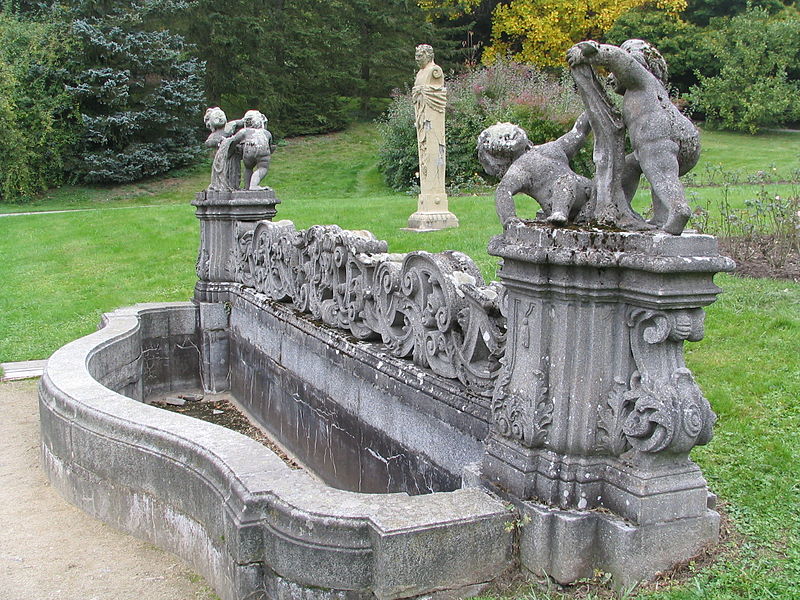
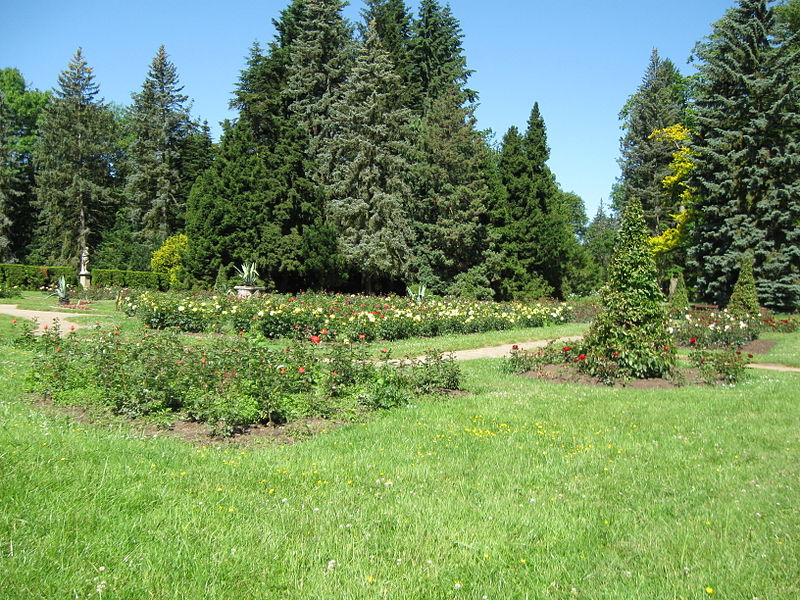
One of the most attractive places around the castle is the Rose Garden with its greenhouses. It was created during Franz Ferdinand’s ownership, when the former Baroque garden was transformed into a landscaped setting for walks and relaxation. Roses, ornamental plants, and trees grow here, while the greenhouses shelter plants that require special conditions.
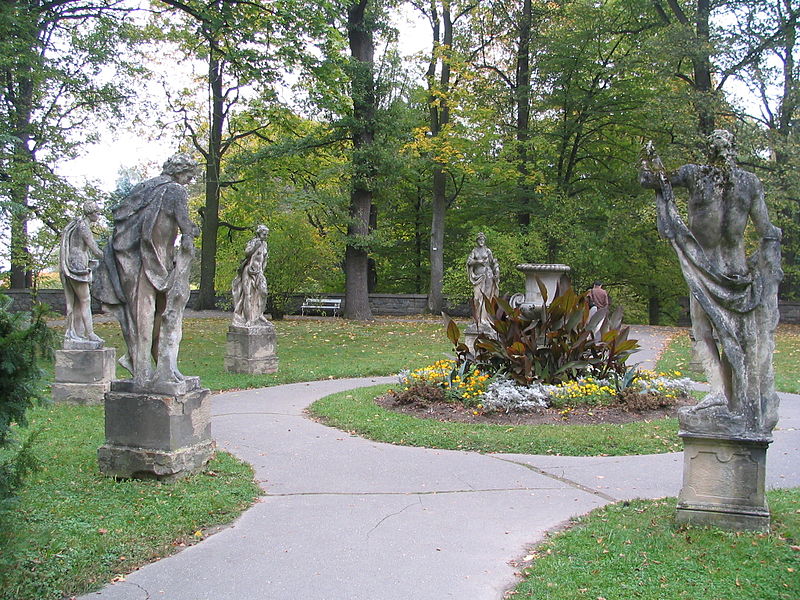
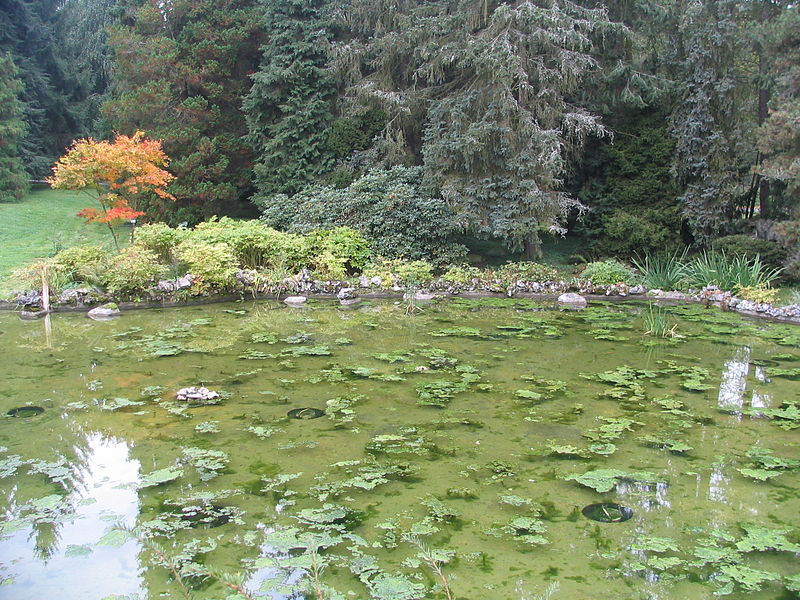
The extensive park complements the architectural ensemble and provides a peaceful setting away from the bustle of the city. Walking paths lead among trees, lawns, and picturesque corners. The park is especially pleasant in warmer months, when roses and other plants are in bloom. Access to certain areas and tours may vary according to the season.
Konopiště Castle Today
Today, Konopiště is managed by the National Heritage Institute of the Czech Republic and is open to visitors through guided tour routes. Depending on the selected tour, guests can explore historic interiors, weapon collections, hunting exhibits, and other parts of the residence. Additional exhibitions are also available on the grounds.
The castle stands in a park near Benešov, making it easy to combine a visit with a walk through the surrounding landscape. Before travelling, check the official opening schedule, tour availability, and ticket arrangements, as opening hours for different parts of the complex can change with the seasons.
Why Visit Konopiště
Konopiště Castle brings together several periods of European history, from medieval fortification to an aristocratic residence of the late nineteenth century. Its walls tell the story of changing noble dynasties, while its collections reveal Franz Ferdinand’s personal interests and the lifestyle of European nobility on the eve of the First World War.
The site is remarkable not only for its architecture but also for its connection to one of the defining events of the twentieth century. Visitors can explore historic rooms, weapons, artworks, and a beautifully maintained park while learning about the life of a man whose death changed world history. Konopiště remains one of the most memorable historic attractions in Central Bohemia.
Gallery