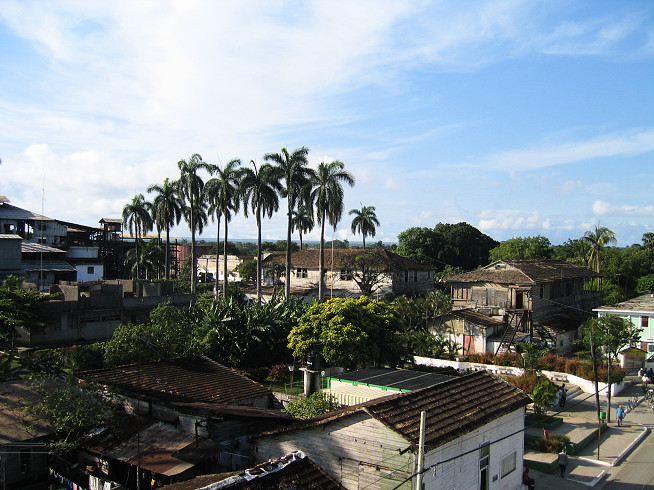
Desembarco del Granma National Park lies in southeastern Cuba, in Granma Province near Cabo Cruz. It is one of the Caribbean's most distinctive natural areas, known for enormous limestone terraces, towering coastal cliffs, deep karst sinkholes and caves. Ancient geological formations, tropical vegetation and marine ecosystems come together here. In 1999, the park was inscribed on the UNESCO World Heritage List for its outstanding geological significance and striking natural scenery.
The marine terraces of Cabo Cruz
The park's defining feature is a series of ancient marine terraces arranged like steps at different elevations. They formed through the uplift of the Earth's crust and changes in sea level over long geological periods. Areas that once lay underwater gradually emerged, preserving traces of former shorelines.
The terraces create a dramatic landscape of limestone ledges, plateaus and steep slopes. Some levels lie below today's sea level, while others rise to approximately 360 metres above it. This sequence of natural steps reveals how tectonic movement and fluctuations in ocean levels shaped the coastline over millions of years.
Cliffs, caves and karst formations
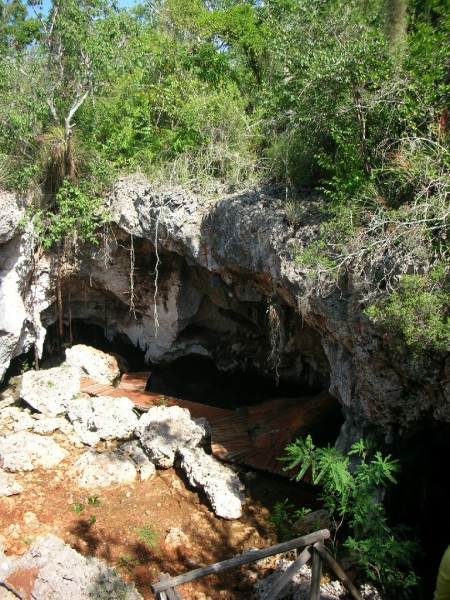
The park is known not only for its marine terraces but also for its varied karst features. Water dissolving the limestone has created deep sinkholes, fissures, gorges and underground cavities. One of the most remarkable formations is El Hoyo de Morlotte, a large, almost circular sinkhole with steep walls.
Impressive limestone cliffs rise above the Caribbean coast. Their pale rock surfaces contrast with the blue sea and green tropical vegetation. Many areas remain relatively undisturbed, allowing visitors to observe geological features shaped largely by natural processes.
Tropical nature and biodiversity
Desembarco del Granma protects a variety of habitats, from dry forests and rocky slopes to mangroves, seagrass beds and coral reefs. More than 500 plant species have been recorded in the park, and a substantial proportion are endemic, meaning they occur naturally only in Cuba. Some species have particularly restricted ranges and are known only within this protected area.
Wildlife includes birds, reptiles, amphibians and mammals. The park supports species characteristic of Cuba and other Caribbean islands. Many local reptiles and amphibians have exceptionally high levels of endemism. Coastal and marine habitats support diverse marine organisms, while mangroves provide shelter and breeding grounds for numerous species.
Coral reefs and coastal ecosystems
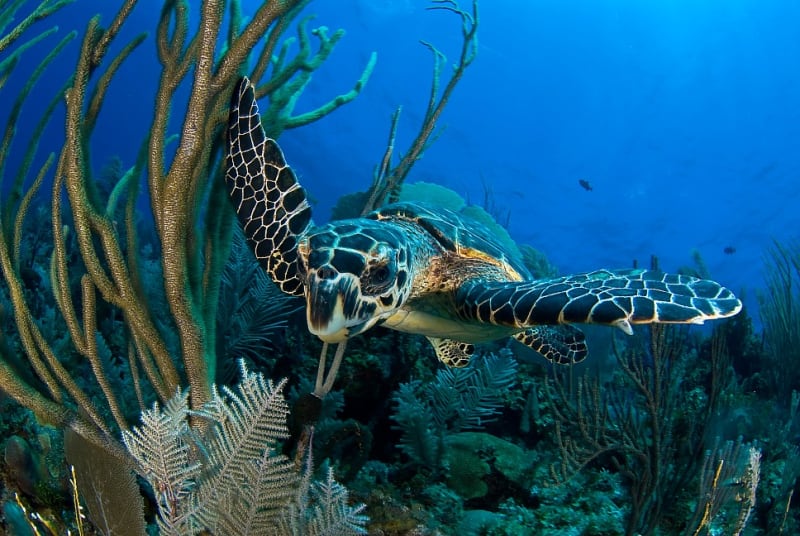
The marine part of the park includes coral formations near Cabo Cruz, underwater seagrass meadows and mangrove forests. These ecosystems are interconnected: mangroves protect the shoreline and shelter young animals, seagrass beds provide feeding grounds for various species, and coral reefs support a wide range of marine life.
The relatively undisturbed coastline makes this area important for conserving Caribbean natural habitats. However, the ecosystems remain vulnerable to pollution, excessive use of marine resources, invasive species and the effects of climate change.
Archaeological heritage and the origin of the name
The park is also significant for its archaeological sites. Near El Guafe, caves and ceremonial spaces are associated with the island's Indigenous inhabitants. Discoveries include rock art, petroglyphs and everyday objects that help researchers understand Cuba's human history before European arrival.
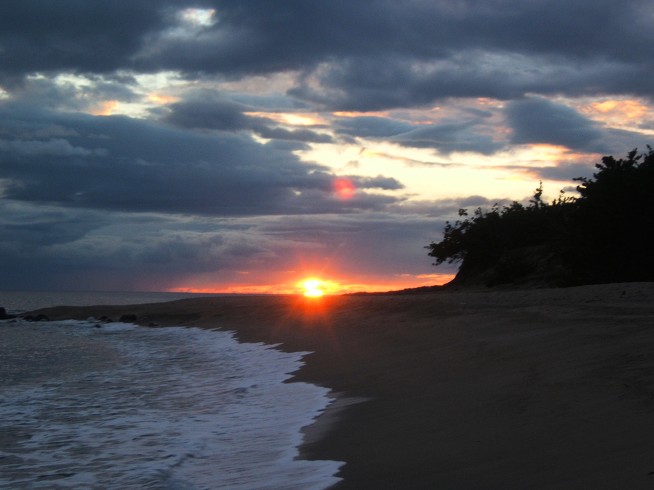
The park's name refers to the yacht Granma, which brought Fidel Castro, Che Guevara, Raúl Castro and their companions from Mexico to Cuba in 1956. Their landing on this coastline became a significant event in the history of the Cuban Revolution. The name therefore reflects both the region's natural heritage and its place in the country's historical memory.
Visiting the national park
Desembarco del Granma is an appealing destination for travellers interested in geology, tropical nature, hiking and archaeology. Notable places include the coastal terraces of Cabo Cruz, the El Hoyo de Morlotte sinkhole and the archaeological area of El Guafe. A small settlement is also located at Cabo Cruz within the protected area.
The park is far from Cuba's major tourist centres, so a visit should be planned in advance. Check trail access, road conditions and whether a local guide is required. Take care on rocky terrain, stay away from unprotected cliff edges and avoid disturbing plants, caves and archaeological remains. Desembarco del Granma offers a rare opportunity to explore a part of Cuba where geological history, rich ecosystems and cultural heritage are closely connected.
Gallery