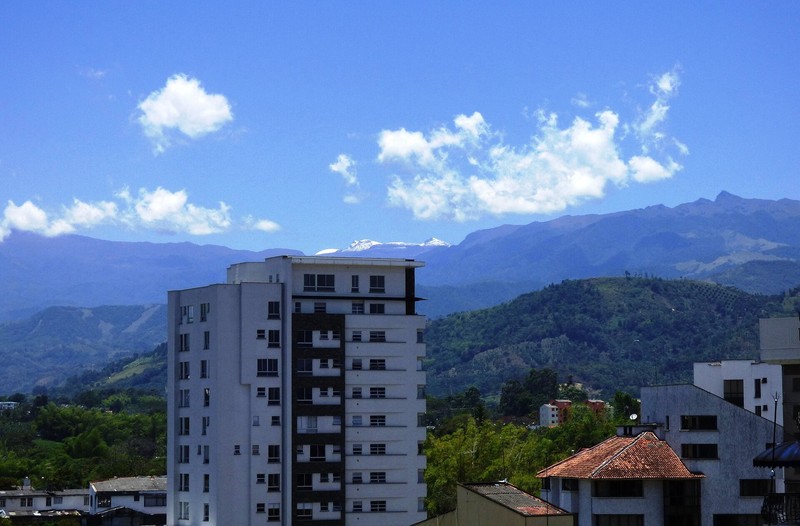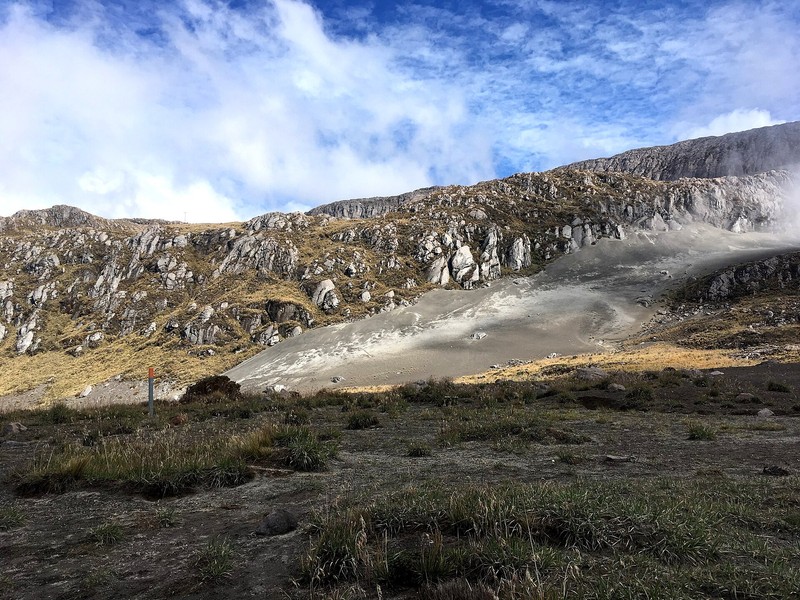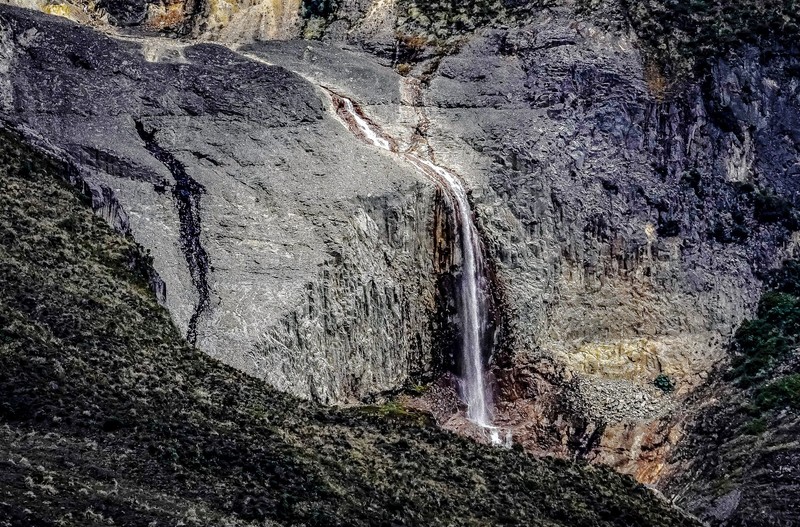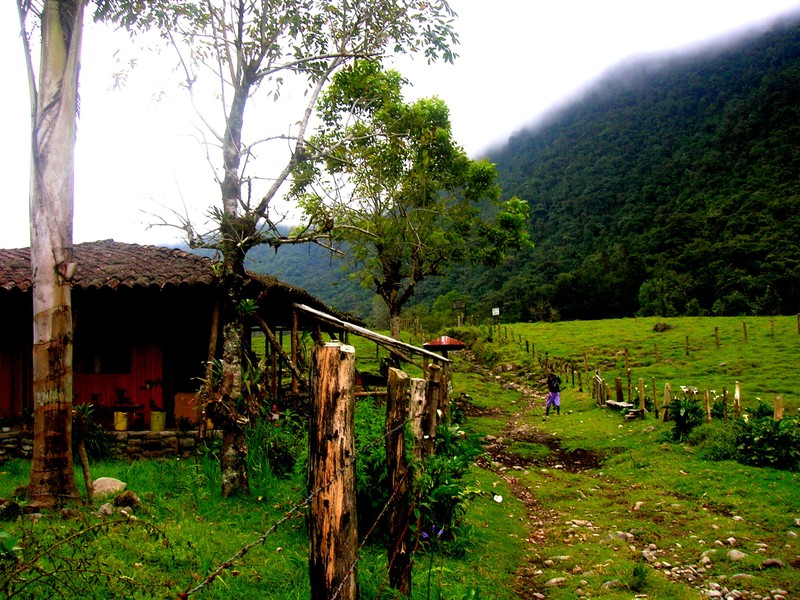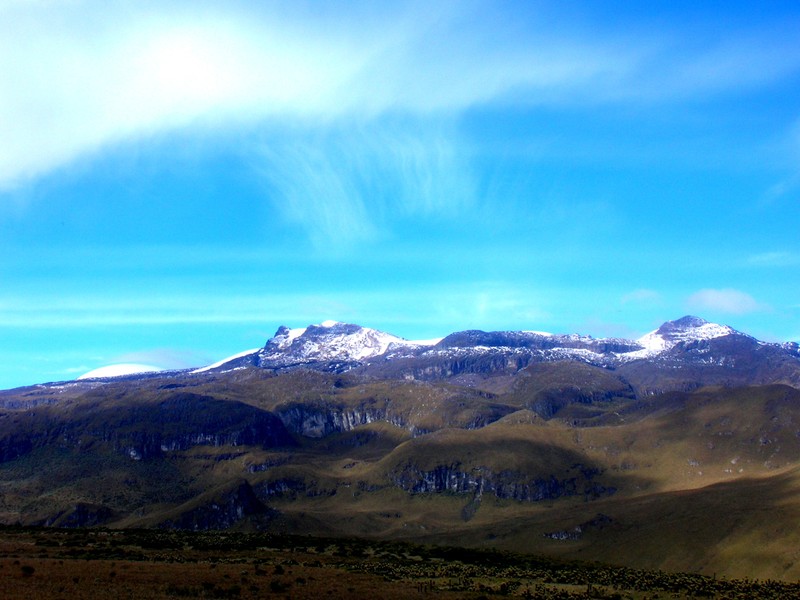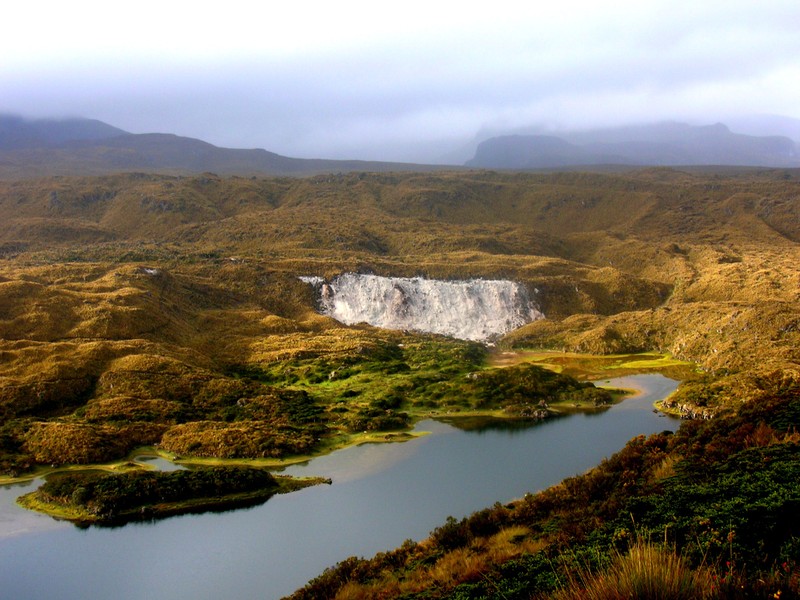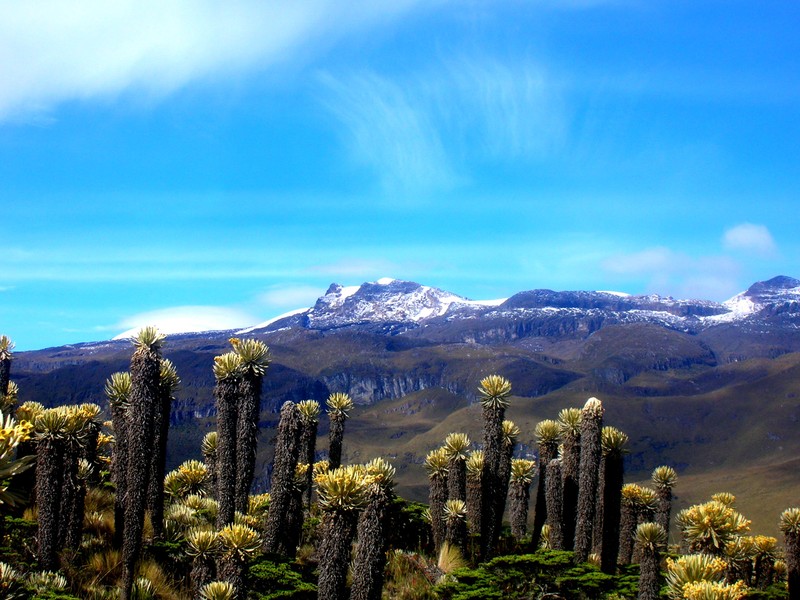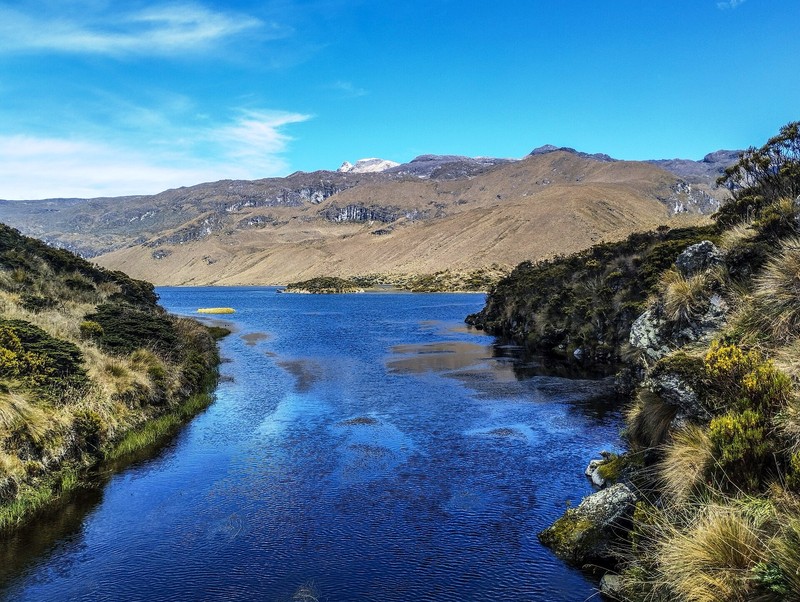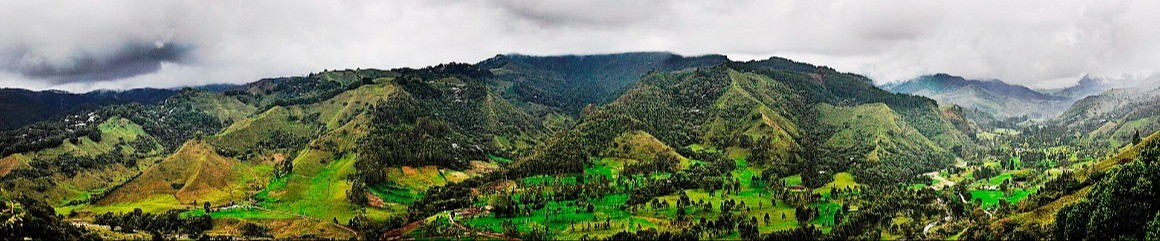

Los Nevados National Natural Park lies in the central Colombian Andes, in the country's renowned Coffee Region. Covering approximately 613.9 km² across the departments of Caldas, Quindío, Risaralda and Tolima, it protects volcanic peaks, remnants of glaciers, high-altitude lakes, mountain forests and distinctive páramo ecosystems.
The park is known for dramatic mountain scenery, unusual volcanic landforms and rich biodiversity. Its high-altitude environments are also essential to regional water supplies and the ecological health of the Andes.
Volcanoes and mountain peaks
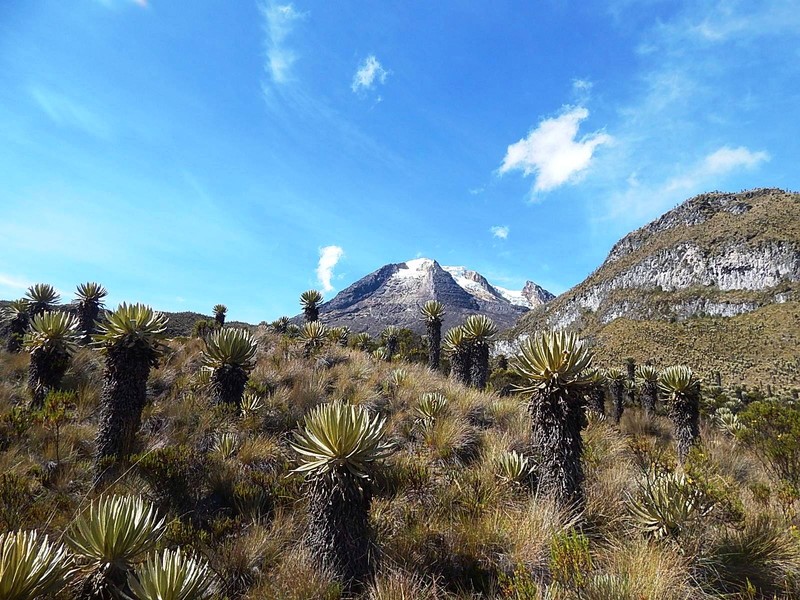
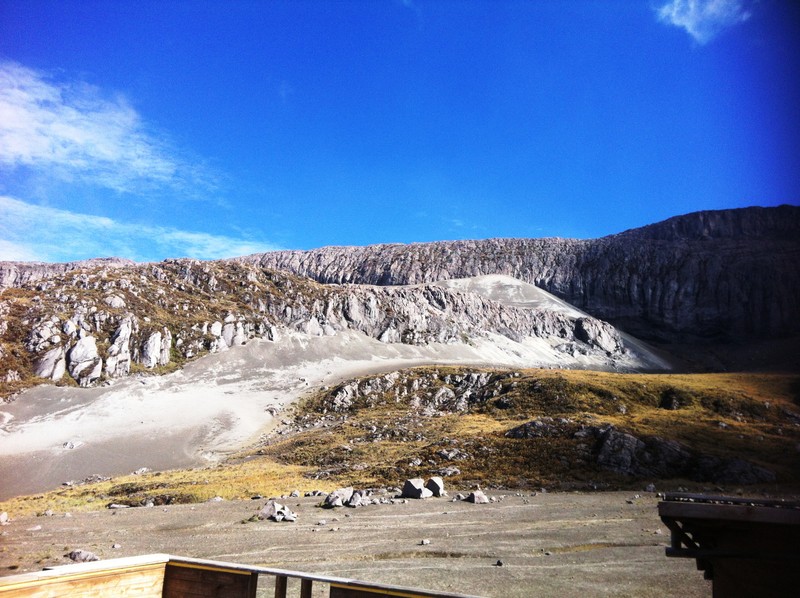
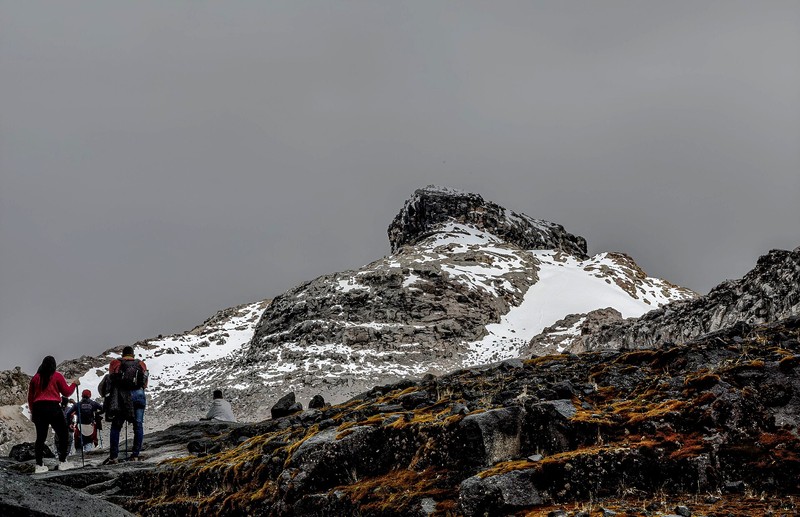
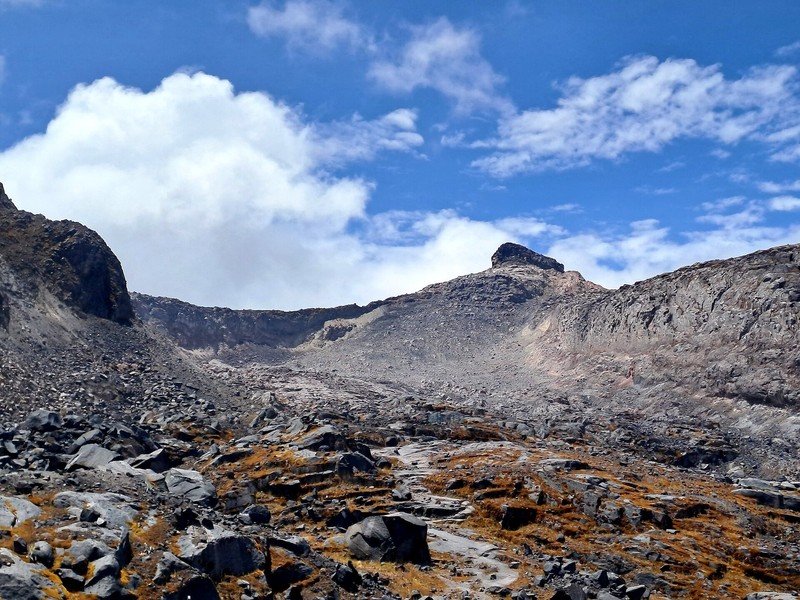
The park's principal landmarks are Nevado del Ruiz, Nevado de Santa Isabel and Nevado del Tolima, which belong to the volcanic complex of the Central Cordillera. Nevado del Ruiz, also known as Kumanday, is an active volcano. Its eruption in November 1985 triggered devastating mudflows. Visitors should therefore check official volcanic alerts and access restrictions before travelling.
Páramo and Andean ecosystems
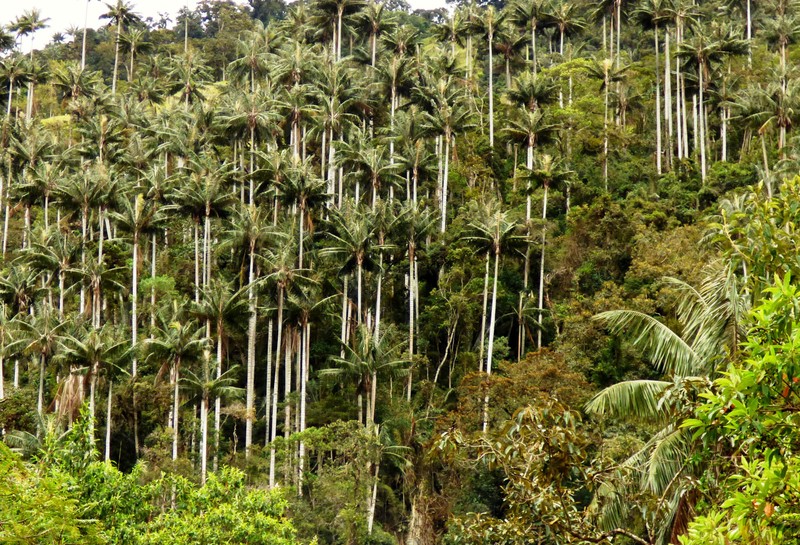
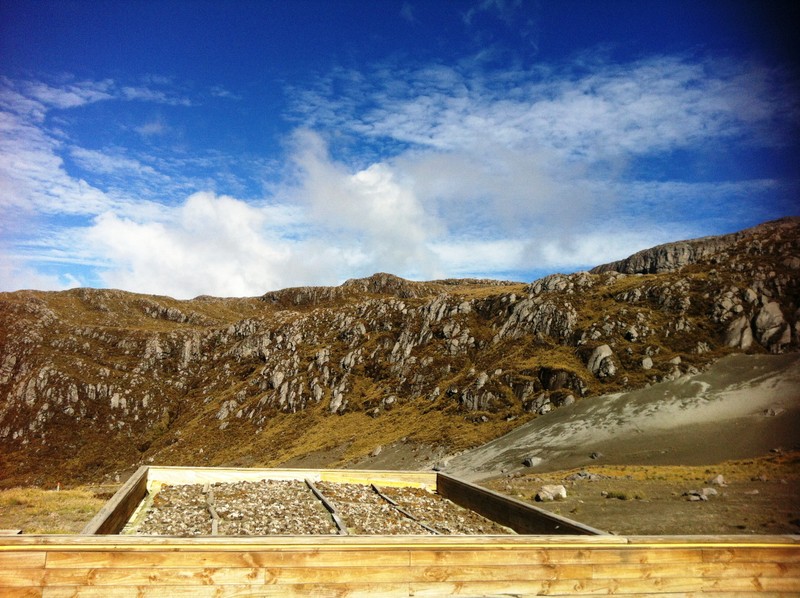
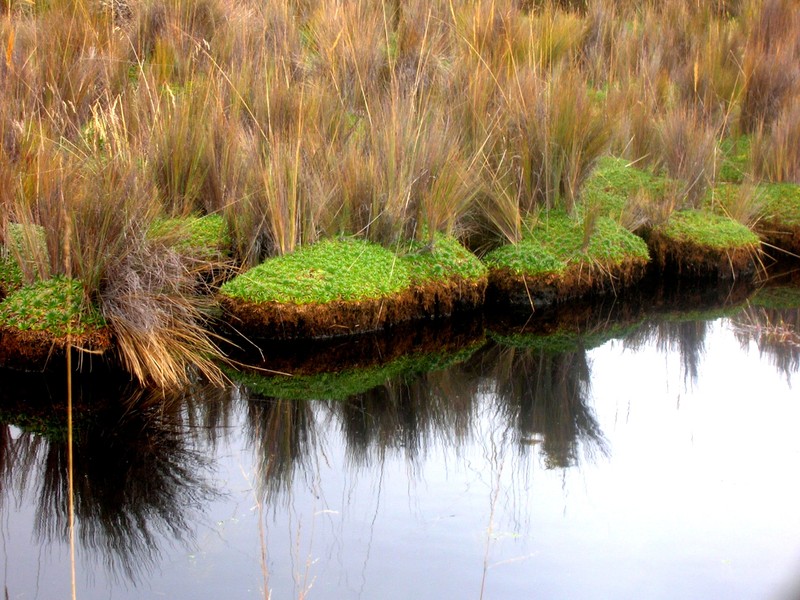
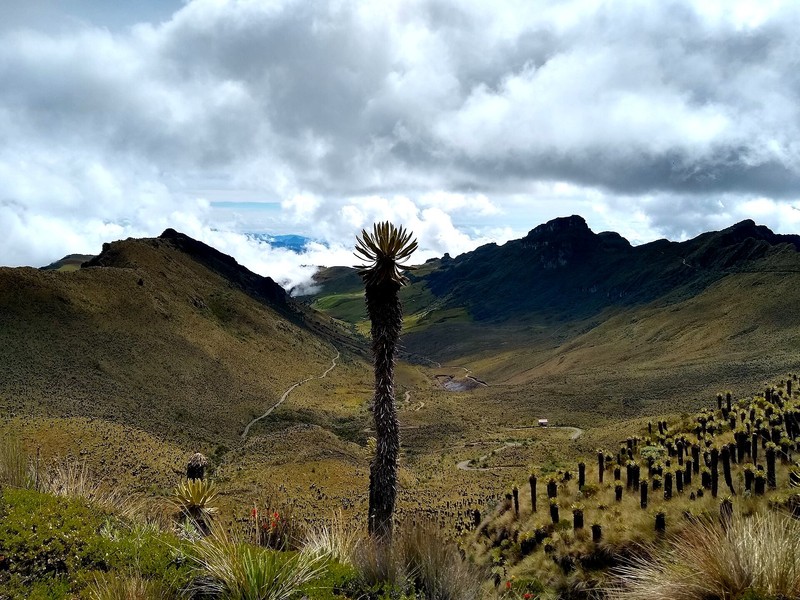
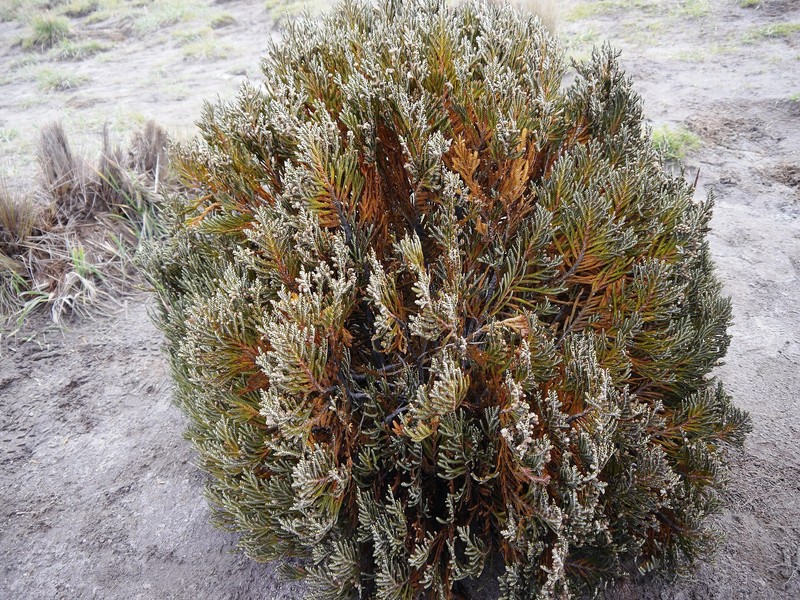
Páramo is a distinctive tropical high-mountain ecosystem featuring grasslands, shrubs, peatlands, wetlands and small lakes. Higher up, superpáramo has rocky terrain, volcanic ash and vegetation adapted to cold temperatures and strong winds. Andean and high-Andean forests occupy lower elevations and provide habitats for numerous birds and other wildlife.
Lake Otún
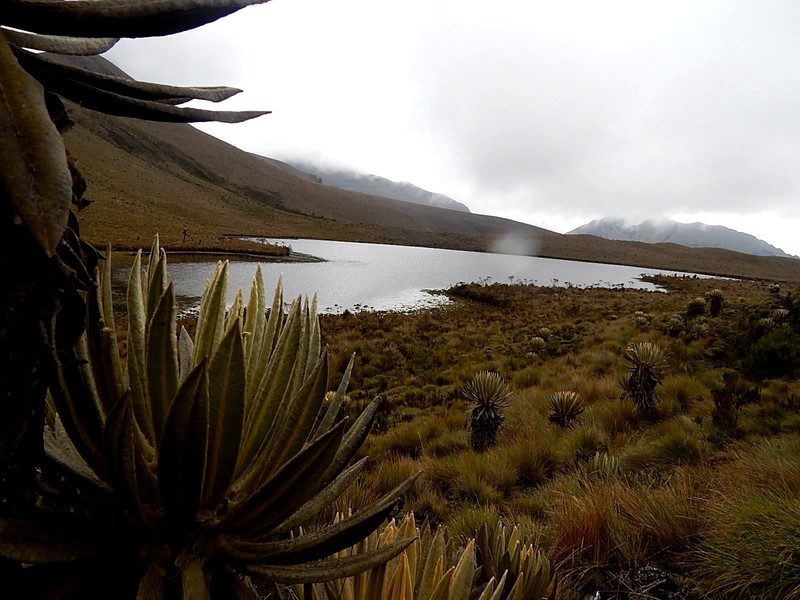
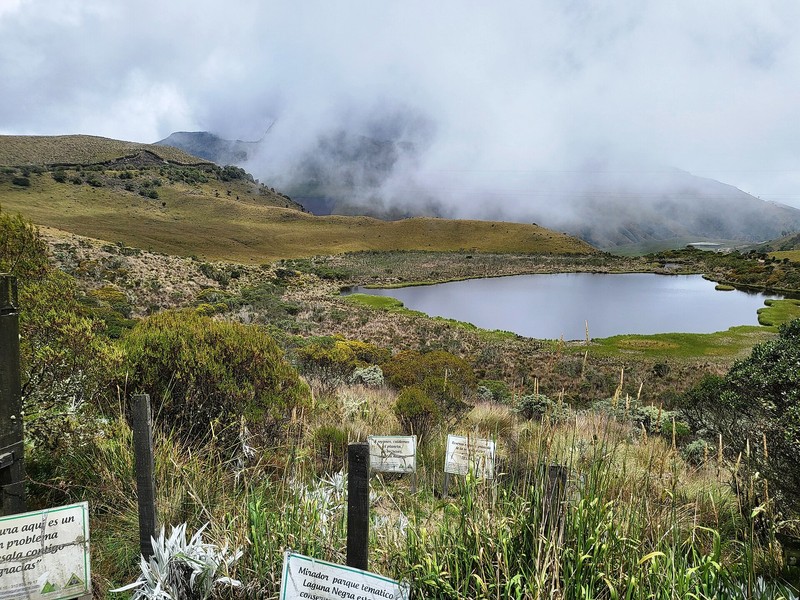
Lake Otún is one of the park's best-known natural attractions. Surrounded by páramo landscapes, it forms part of a high-altitude wetland system that supports biodiversity and regional water resources. The Otún wetland complex is internationally recognised under the Ramsar Convention. Hiking and birdwatching are popular activities, but routes should be arranged in advance with an authorised operator or registered guide.
History and conservation
The park was established in 1974 to protect high-altitude ecosystems, volcanic landscapes, wetlands and glaciers. Rivers originating in these mountains supply water to settlements and agricultural areas. In 2020, the park received a special legal status as a subject of rights under Colombian law, strengthening its protection and restoration. Glacier conservation is particularly important as climate change accelerates ice loss in the tropical Andes.
Things to see and do
The Brisas–Kumanday sector offers access to volcanic scenery around Nevado del Ruiz. The Cisne–Poleka Kasue sector features landscapes near Nevado de Santa Isabel. The Lake Otún area is known for its lake and wetlands, while the Quindío–Dulima sector provides access to more demanding mountain routes near Nevado del Tolima. Depending on current permissions, activities may include hiking, birdwatching, nature photography, geological observation and mountaineering.
How to get there
The park has several entrances across different departments, so choose your route according to the sector you intend to visit. The Brisas–Kumanday sector is commonly approached from Manizales or Murillo. Lake Otún can be reached from the Pereira area or via highland access roads. Routes in the Quindío–Dulima sector often start from Salento or Ibagué. Some roads are unpaved, and conditions vary with the weather. Entry must be arranged with an authorised operator or registered guide. Reservation rules and access requirements differ by sector.
Visitor tips
At high altitude, cold, strong winds, intense ultraviolet radiation and reduced oxygen can make even short walks strenuous. Bring warm layered clothing, a waterproof jacket, sturdy footwear, water, energy snacks, sunscreen and UV-protective sunglasses. Ascend gradually and pay attention to how you feel. Stay away from closed trails and hazardous volcanic areas, follow your guide's instructions, check official alerts and take all rubbish with you.
Los Nevados National Park is one of Colombia's outstanding destinations for discovering the high Andes, volcanic landscapes, páramo and mountain lakes.
Gallery