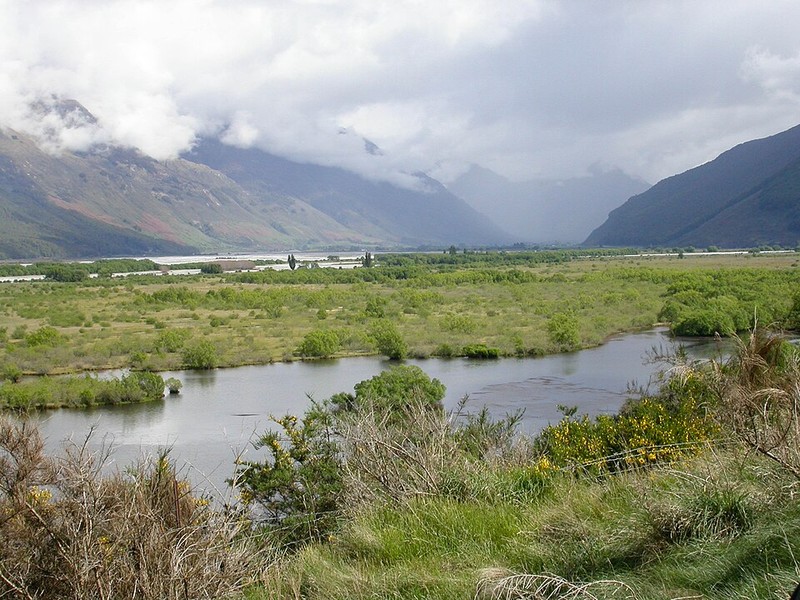
Mount Aspiring National Park is one of New Zealand's most spectacular natural areas, located on the South Island in the southern part of the Southern Alps. Established in 1964, the park takes its name from Mount Aspiring, known to Māori as Tititea. Its summit reaches 3,033 metres and rises above valleys, glaciers and rugged mountain ranges. The park forms part of Te Wāhipounamu, a UNESCO World Heritage Area protecting the distinctive landscapes of southwestern New Zealand.
Mountains, glaciers and alpine scenery
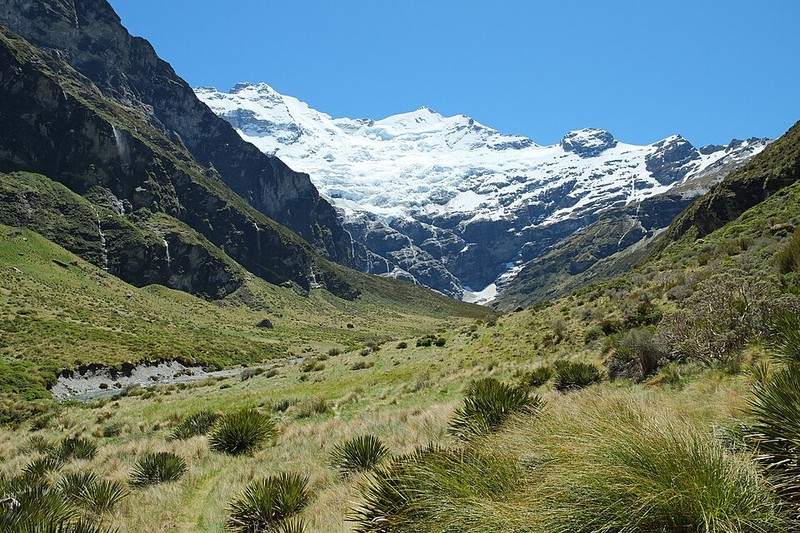
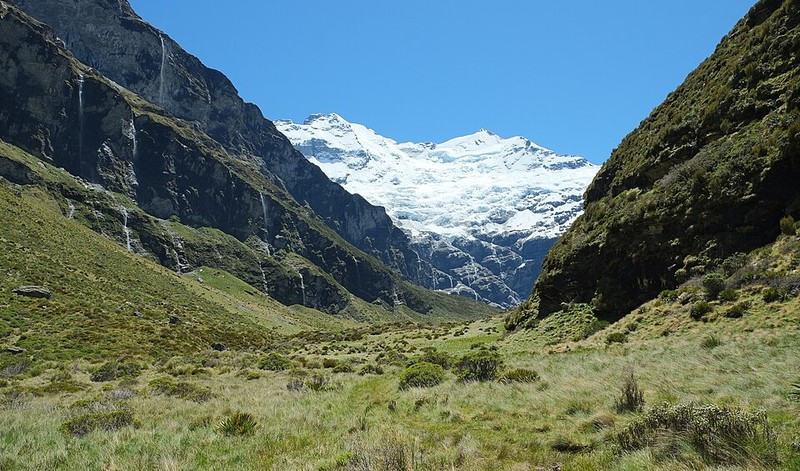
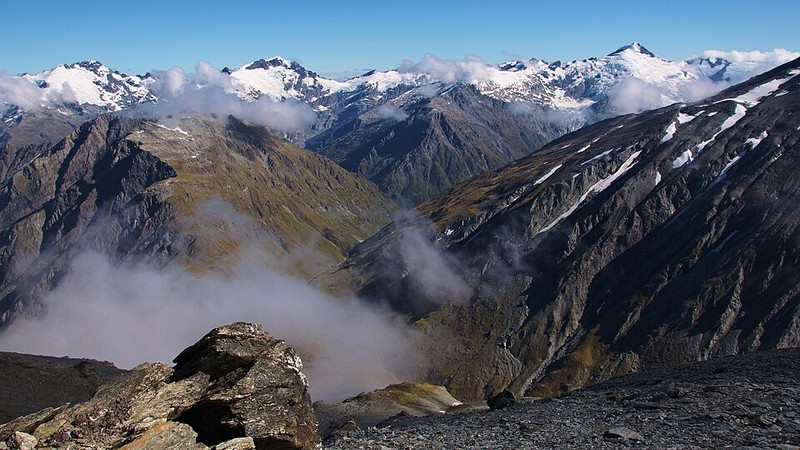
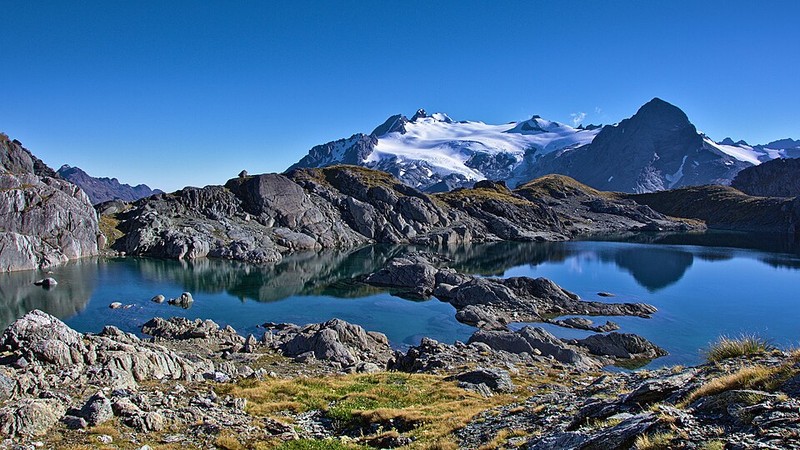
The park is characterised by dramatic mountain landscapes. Sharp rocky peaks, snow-covered ridges, glaciers and deep valleys define the scenery of the Southern Alps. Snowfields and glacial features can be found at higher elevations, while streams and rivers descend from the mountain slopes.
Mount Tititea is one of the region's most recognisable summits. Its steep slopes and challenging terrain attract experienced mountaineers, but climbing requires substantial preparation, appropriate equipment and favourable weather. Snowfall, strong winds and sudden temperature changes are possible even in summer.
Matukituki Valley and Rob Roy Glacier
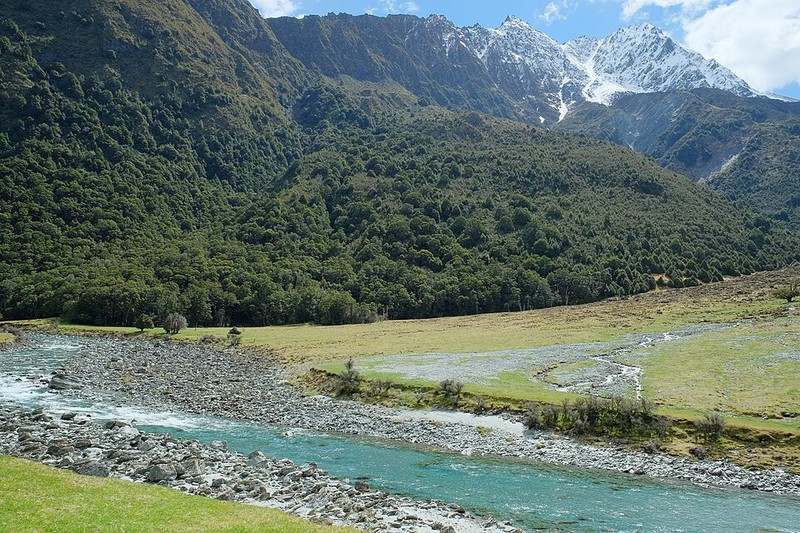
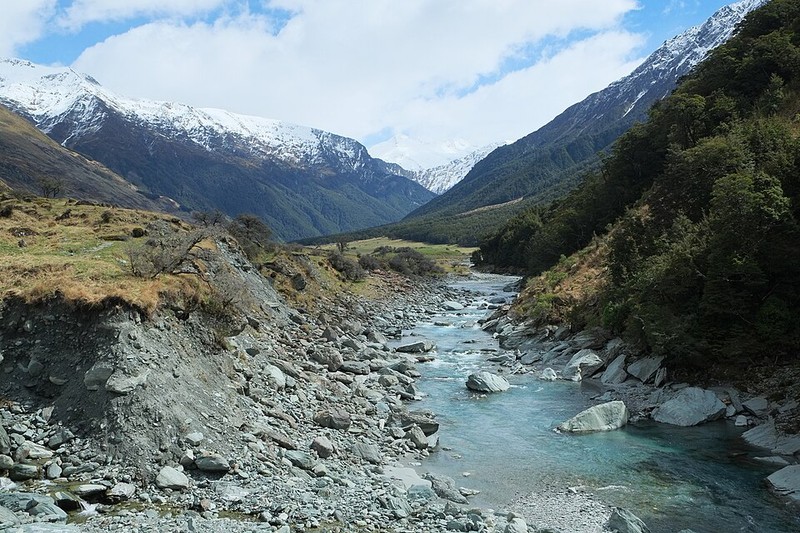
One of the park's best-known areas is Matukituki Valley, surrounded by high mountains, forests and alpine meadows. It provides a starting point for walks and hikes into the surrounding mountain scenery. As visitors travel farther into the valley, views open up across mountain slopes, rivers and foothills.
The popular Rob Roy Glacier Track leads to viewpoints overlooking Rob Roy Glacier, set among steep mountain slopes. The trail passes through forest and crosses a suspension bridge before climbing towards panoramic viewpoints. Before setting out, check current access information, as bridges, roads and tracks may be temporarily closed.
Rivers, lakes and mountain valleys
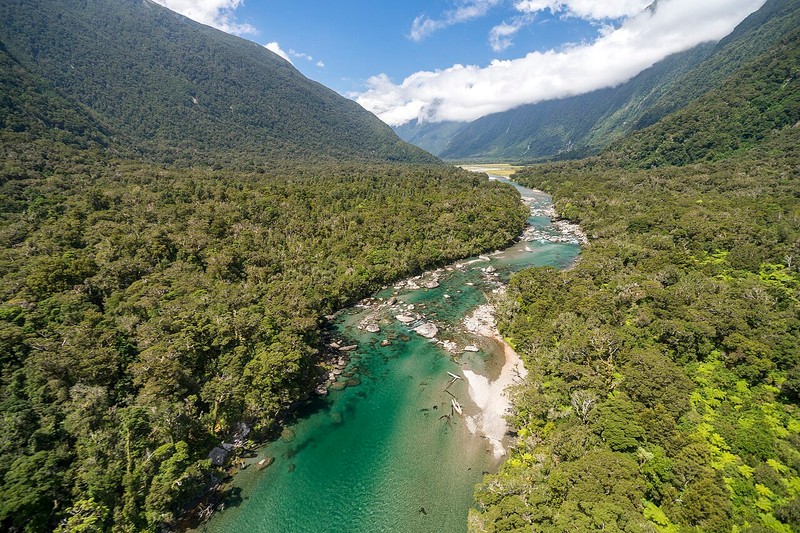
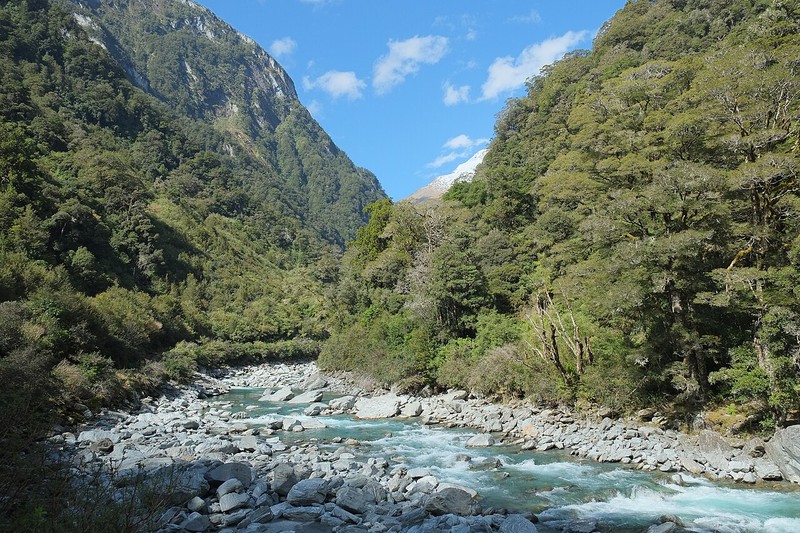
The national park is also known for its clear mountain rivers, waterfalls and glacially carved valleys. Water flows down the slopes in streams whose colour can range from transparent to blue-green depending on the light and the presence of glacial sediment.
Spring and summer bring lush vegetation to alpine meadows, while longer daylight hours provide more time for exploring. In autumn, mountain landscapes take on warmer tones, and winter brings snow to higher elevations. Weather conditions can change rapidly in every season.
Flora and wildlife
The lower parts of the park contain damp forests with native trees and ferns. At higher elevations, these give way to shrubs, alpine grasslands and rocky terrain. Plants in these environments are adapted to cold nights, strong winds and short growing seasons.
The park supports a variety of birds, including the alpine parrot known as the kea, as well as other native New Zealand wildlife. Visitors should stay on marked tracks, avoid feeding animals and take all rubbish away to help protect the ecosystem.
Hiking trails and outdoor adventures
Mount Aspiring attracts hikers, mountaineers and nature photographers. The area offers everything from shorter valley walks to demanding multi-day journeys across mountain passes. Sections of the famous Routeburn Track connect the wider areas of Fiordland and Mount Aspiring national parks.
Multi-day hikes require advance planning, including overnight arrangements, river and pass conditions, and weather forecasts. Mobile coverage may be unavailable in remote areas, so travellers should leave their itinerary and expected return time with someone before departing.
How to reach the national park
Wanaka and Matukituki Valley are the main starting points for exploring the park. Wanaka lies beside the lake of the same name and offers accommodation, shops and visitor services. From there, travellers head towards the western mountain valleys, where many popular walking tracks begin. Some access roads are gravel and may be affected by weather conditions.
The most suitable period for many walks is generally the warmer season, from late spring to early autumn in the Southern Hemisphere. Winter and early spring bring a greater risk of snow, ice and avalanches. Before travelling, check New Zealand's Department of Conservation updates on track conditions, river crossings and weather warnings. Mount Aspiring National Park is an excellent destination for visitors seeking dramatic mountain scenery and New Zealand's wild landscapes.
Gallery