Sanqingshan is a scenic mountain massif and national park in northeastern Jiangxi Province, in eastern China. Located at the western end of the Huaiyu mountain range, it is known for unusual granite peaks, stone pillars, dense forests, and ever-changing cloudscapes. In 2008, Mount Sanqingshan National Park was inscribed on the UNESCO World Heritage List for the exceptional beauty of its natural scenery.
Unusual granite formations
The defining feature of Sanqingshan is the concentration of strangely shaped granite formations within a relatively small area. The World Heritage property includes 48 granite peaks and 89 granite pillars. Many resemble human figures or animal silhouettes, and some have acquired descriptive names.
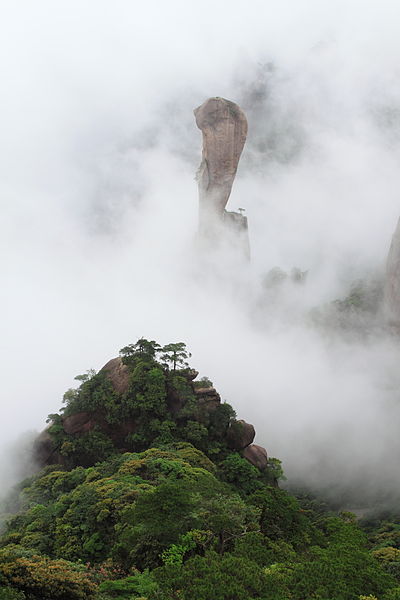
One of the best-known formations is the Oriental Goddess Peak, whose outline resembles a woman. Another famous feature is Python Slithers out of Mountain, a tall, narrow granite pillar rising above forested slopes. These natural sculptures were formed through prolonged weathering and erosion of the granite.
Mountains, forests, and waterfalls
The massif reaches 1,817 metres above sea level at its highest point. Forests cover the slopes, creating a striking contrast with the exposed rocks and sharp peaks. Different types of forest vegetation occur at different elevations, and the mountain habitats support a wide range of plant and animal species.
The park contains deep valleys, gorges, lakes, springs, and numerous waterfalls. Some waterfalls reach approximately 60 metres in height. Water, lush vegetation, and granite cliffs create particularly dramatic scenery after rain, when streams grow fuller and mist gathers on the slopes.
Clouds, mist, and unusual optical effects
Weather plays an important role in Sanqingshan’s appearance. Moist air and the mountain terrain create conditions for cloud seas, mist, and unusual optical effects. Bright halos may sometimes appear around the sun or on clouds, while white rainbows can form under particular conditions.
The cloudscape is constantly changing: granite pillars may rise above the mist and then disappear partly into the clouds. Familiar rock formations can therefore look completely different over the course of a single day. These changing views are one of the main reasons photographers and nature lovers visit the park.
Plant and animal life
Sanqingshan forms an island of temperate forest surrounded by subtropical landscapes. Different climatic influences and elevation zones create an unusually diverse range of vegetation. The forests contain rare and relict plants, including representatives of ancient plant lineages in East Asia.
The park is home to many vertebrates, including numerous bird and mammal species. Rare animals found in the region include the Chinese pangolin and the Asian black bear, along with other species requiring protection. Preserving forests and natural habitats is essential to maintaining local biodiversity.
Taoist culture and historical heritage
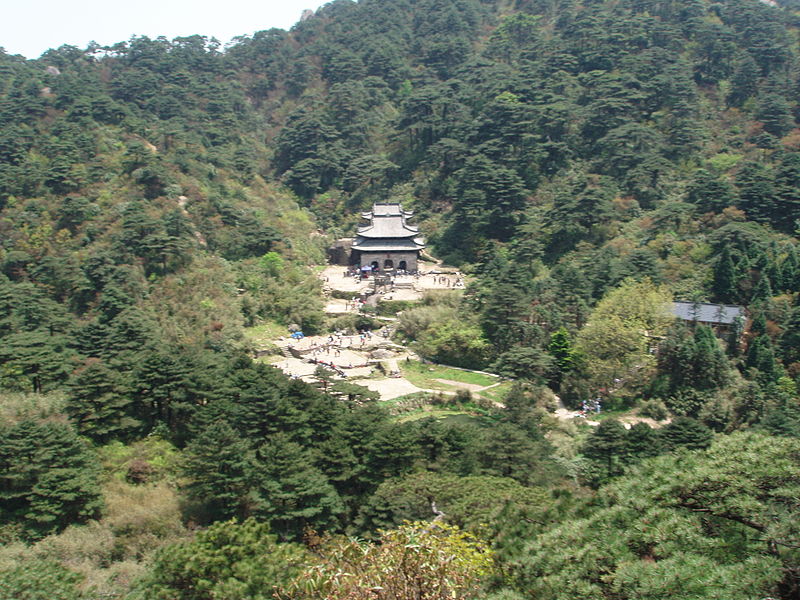
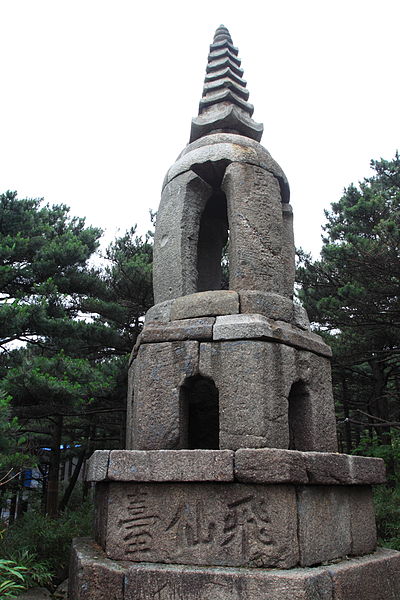
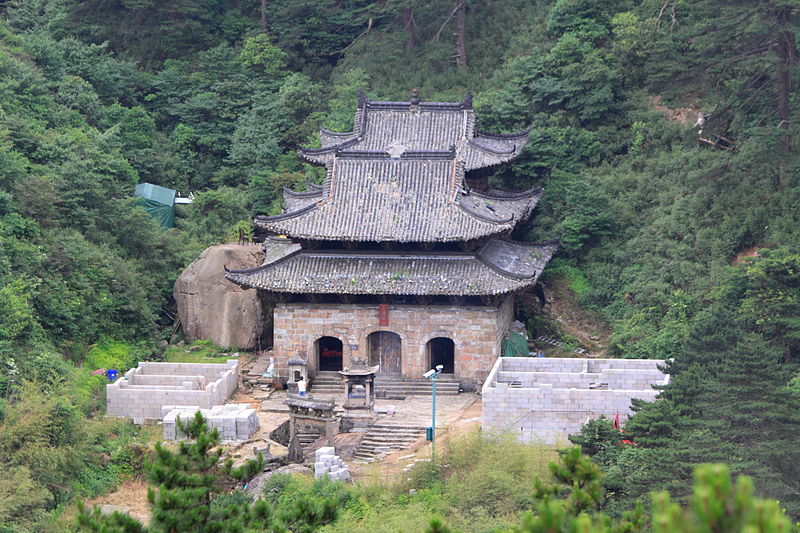
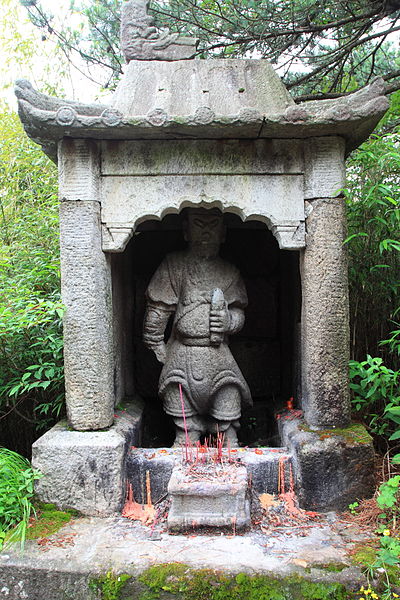
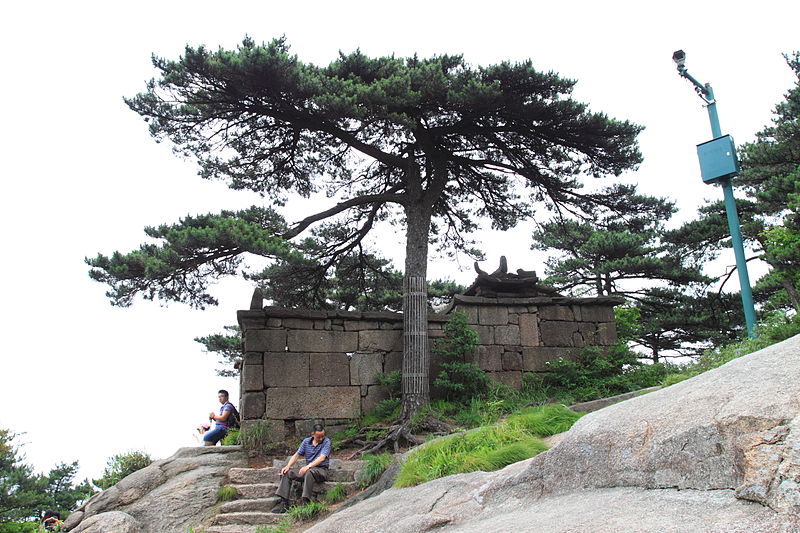
Sanqingshan is important not only for its natural scenery but also for its cultural heritage. The mountain is associated with Taoism, and its history as a place of religious worship extends back more than a thousand years. Temples, stone inscriptions, carved images, and other monuments linked to the region’s religious and cultural history remain in the mountains.
The name Sanqingshan is commonly translated as “Mountain of the Three Pure Ones,” referring to important figures in Taoist belief. The combination of unusual rocks, mountain forests, and historic structures gives the area a distinctive atmosphere. Its landscape is understood not only as a geological phenomenon but also as part of China’s cultural tradition.
Hiking trails
The park has walking paths and elevated trails that run alongside cliffs and across mountain slopes. They provide views of granite pillars, forested valleys, and seas of clouds. The routes allow visitors to see the best-known rock formations and experience the variety of the mountain landscape.
Some walks take several hours, while longer routes require good physical fitness. Before visiting, check the park’s opening arrangements, trail conditions, and weather. Rock surfaces can become slippery after rain, and mist can sharply reduce visibility. Comfortable footwear, sufficient drinking water, and following trail signs help make a visit safer.
When to visit Sanqingshan
The park offers different experiences throughout the year. In spring, fresh greenery appears on the slopes; in summer, the forests become especially lush; in autumn, vegetation changes colour; and in winter, the rocky peaks take on a different appearance. Mountain weather can change quickly, so visitors should check the forecast and consider the possibility of fog or rain before travelling.
Sanqingshan combines extraordinary granite formations, forest ecosystems, waterfalls, and a cultural heritage that spans many centuries. It is one of the most remarkable natural destinations in Jiangxi Province, where geological processes, mountain scenery, and Taoist traditions create a distinctive landscape.
Gallery