
Easter Island, also known as Rapa Nui, is one of the most remote inhabited islands in the world. It lies in the southeastern Pacific Ocean and belongs to Chile, about 3,700 km from the coast of South America. Its isolation, ancient culture and remarkable archaeological sites have made it one of Polynesia's best-known destinations.
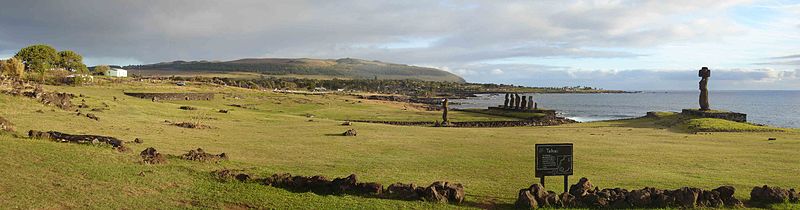
The island is famous for its giant stone moai statues. These monumental figures have oversized heads, elongated faces and distinctive features. They were carved by the ancient inhabitants of Rapa Nui centuries ago and remain the island's most recognizable symbol.
Location and landscape
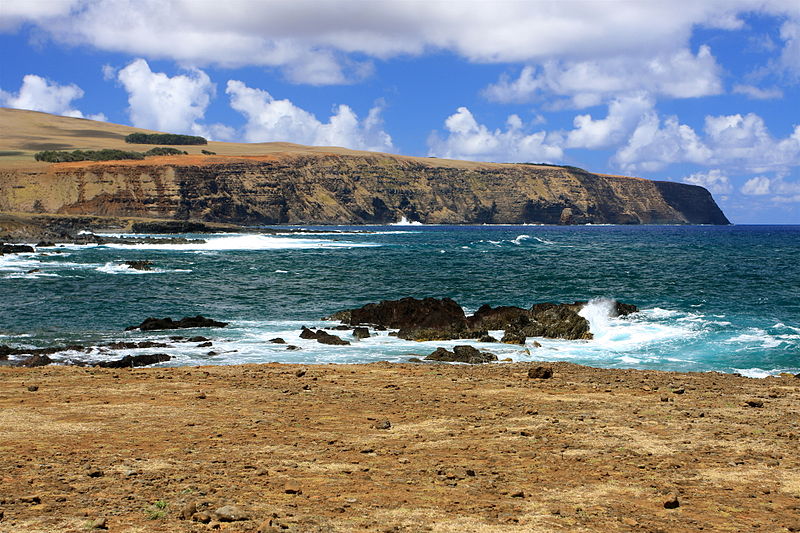
Easter Island lies near the 27th parallel south and covers about 163 square kilometers. Its triangular shape was formed by volcanic activity. The main volcanic features are Terevaka, Rano Kau and Poike. Hanga Roa is the island's principal settlement, with hotels, restaurants, shops, visitor services and Mataveri International Airport.
The mystery of the moai
Most moai were carved from volcanic tuff quarried at Rano Raraku. Their elongated faces, deep eye sockets, prominent chins and long noses give them a distinctive appearance. Researchers often associate them with ancestor worship and beliefs about spiritual protection. Many stand on stone ceremonial platforms called ahu and face inland toward former communities.
How the heavy statues were moved has long been debated. Experiments suggest that some could have been moved upright using ropes and coordinated rocking movements, although techniques may have varied.
Rano Raraku quarry
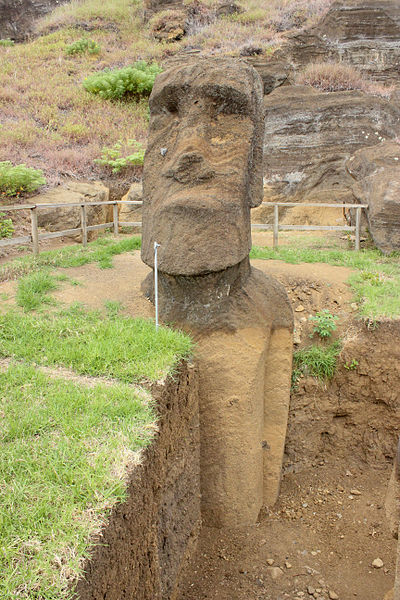
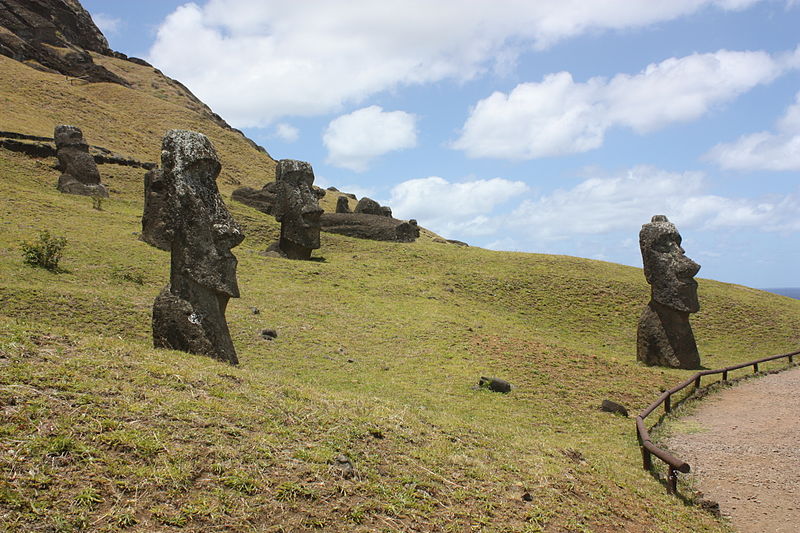
Rano Raraku is one of the island's most important archaeological sites. The slopes of this volcanic crater contain the quarry where most moai were carved. Dozens of statues remain at different stages of production: some are still attached to the bedrock, while others lie on the slopes or are partly buried.
Unfinished figures reveal how carvers shaped the stone into human forms. The site demonstrates the scale of the work and the organization required to create and transport the statues.
Ahu Tongariki
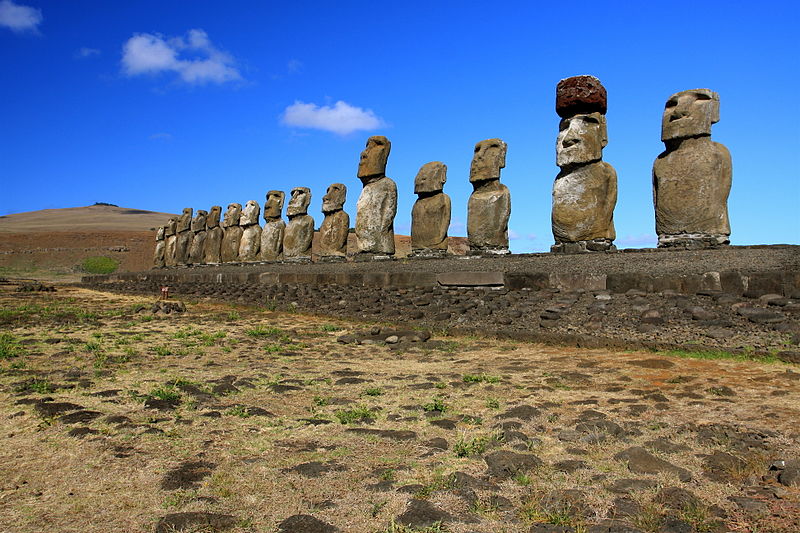
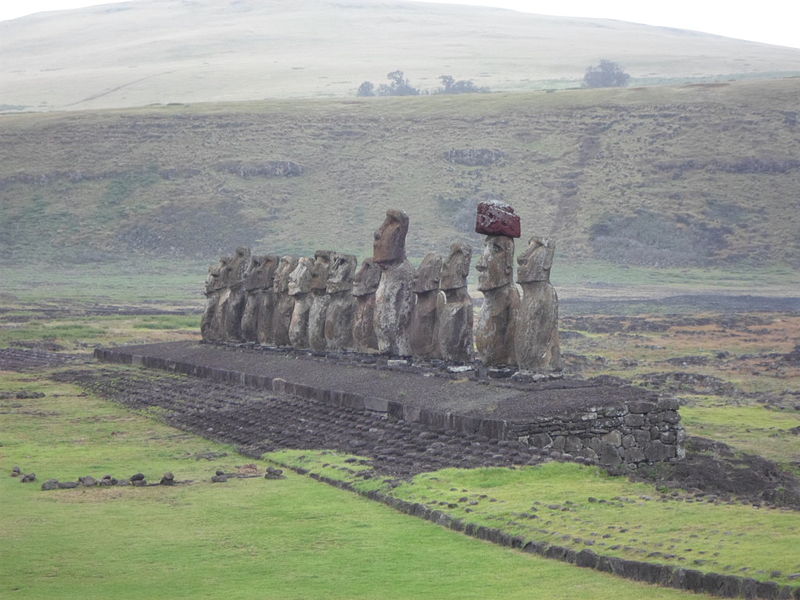
Ahu Tongariki is the largest ceremonial platform on Easter Island. Fifteen moai stand in an impressive row against the ocean and green hills. It is one of Rapa Nui's most recognizable landmarks and a popular place to watch the sunrise.
A powerful tsunami damaged the complex in the twentieth century, displacing statues and stone blocks. The site was later restored through archaeological and conservation work.
Rano Kau and Orongo
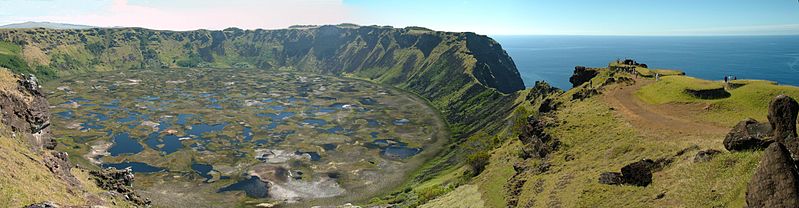
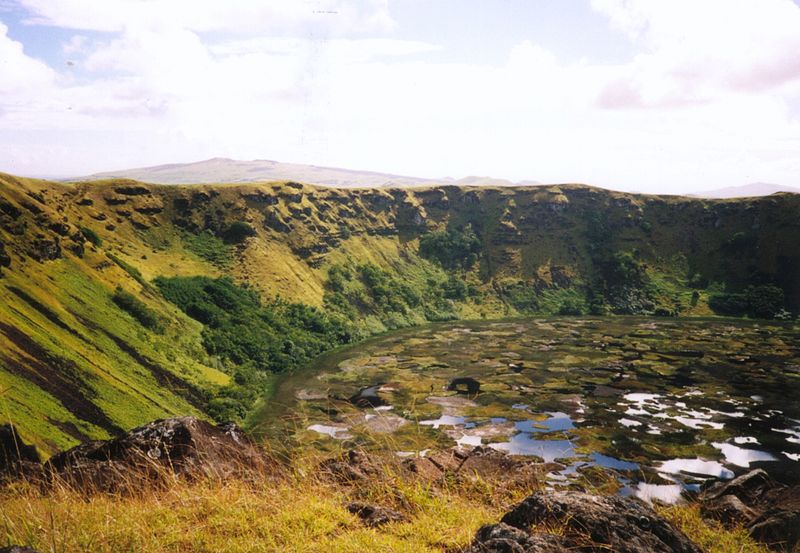
Rano Kau is an extinct volcano with a huge crater containing a lake. On the crater's edge lies Orongo, a ceremonial settlement associated with the birdman cult. Stone houses and petroglyphs depicting birdman figures and other cultural symbols remain at the site.
The birdman ritual involved a competition connected with collecting a seabird egg from the nearby islet of Motu Nui. Orongo is an important place for understanding the later religious and social history of Rapa Nui.
Anakena Beach
Anakena is one of the island's best-known beaches, with pale sand, palm trees and a sheltered bay. Nearby, Ahu Nau Nau features several moai, some of which retain well-preserved details. The combination of archaeological heritage, tropical vegetation and ocean scenery makes Anakena one of the island's most attractive places.
History and Rapa Nui culture
The island's inhabitants developed a distinctive Polynesian culture shaped by kinship, ancestor traditions, ceremonies and communal labor. In 1722, a Dutch expedition led by Jacob Roggeveen arrived on Easter Sunday, giving the island its European name.
During the nineteenth century, forced removals and disease caused severe hardship and disrupted the transmission of traditional knowledge. Today, Rapa Nui people continue to preserve their language, dances, music, crafts and cultural identity.
Rongorongo script
Rongorongo is a system of signs found on wooden tablets and other objects associated with Rapa Nui culture. Its meaning and function remain uncertain. Few original objects survive, and the reading tradition was lost, so rongorongo remains one of the island's historical mysteries.
Rapa Nui National Park
Many of the island's archaeological sites are protected within Rapa Nui National Park. The park preserves moai, ceremonial platforms, quarries and petroglyphs. It was inscribed on the UNESCO World Heritage List in 1995. Visitors should not climb on statues, move stones or damage archaeological remains.
How to get to Easter Island
Most visitors arrive by air at Mataveri International Airport near Hanga Roa. Flights operate from mainland Chile, but schedules can change. Because the island is remote and accommodation is limited, planning ahead is recommended.
Why visit Easter Island
Easter Island combines extraordinary archaeology, Polynesian culture and dramatic volcanic scenery. Visitors can see moai in the quarry and on ceremonial platforms, explore volcanic landscapes, relax at Anakena Beach and learn about the traditions of the Rapa Nui people.
Gallery