Pallas-Yllästunturi National Park is one of Finland's best-known natural areas, located in western Lapland above the Arctic Circle. Covering more than 1,000 km², it protects the region's characteristic fells, coniferous forests, marshy lowlands, mountain streams and open tundra-like landscapes. Visitors are drawn by its sweeping views, fresh air and opportunities to experience northern Finnish nature throughout the year.
The park's defining feature is a nearly 100-kilometre chain of rounded fells. Their treeless summits rise above forests and wetlands, opening up broad views across Lapland. The landscape was shaped by ancient geological processes and repeated ice ages. Between the gently rounded peaks lie forested valleys and extensive wetland areas.
History of the national park
Protection of the area began in 1938 with the establishment of Pallas-Ounastunturi National Park, one of Finland's first national parks. In 2005, the protected area was combined with the old-growth forest region of Ylläs-Aakenustunturi, creating the present-day Pallas-Yllästunturi National Park.
Today, the park extends across the municipalities of Enontekiö, Kittilä, Kolari and Muonio. It plays an important role in conserving northern ecosystems and the traditional landscapes of Lapland, while remaining accessible for hiking, skiing, wildlife watching and discovering regional culture.
Fells and panoramic views
The fells are the park's main attraction. Their summits are covered with low vegetation, mosses, lichens and patches of mountain tundra. Above the tree line, the landscape opens up, so even a short climb can reveal vast stretches of Lapland. On clear days, distant peaks and long bands of forest are visible.
One well-known summit is Taivaskero, which offers broad views of the surrounding fells and valleys. It also has a connection to Olympic history: on 6 July 1952, the Olympic flame for the Helsinki Summer Games was lit on its summit.
Forests and wetlands
The park's vegetation changes with elevation and soil moisture. Spruce and pine forests grow in the valleys, with old-growth trees surviving in some areas. Birch is common in more open terrain, while trees gradually disappear from the fell tops, giving way to low shrubs, mosses and lichens.
Aapa mires are a distinctive feature of northern Finland. These wetlands contain a mosaic of wet ground, small pools and patches of vegetation. They provide habitat for insects, amphibians and many bird species. Clear streams and small rivers connect the wetlands with lakes and forest valleys, creating a varied landscape of habitats.
Wildlife
Reindeer, moose, mountain hares, foxes and various small mammals live in the park. Brown bears and lynx occur in the wider Lapland region, although these elusive predators are rarely seen by visitors. The chances of spotting wildlife depend on the season, time of day and chosen route.
Northern forests and wetlands are particularly important for birds. Species found here include black grouse, capercaillie, hazel grouse, waders, owls and various waterbirds. In the warmer months, wetlands are filled with bird calls, while open fell tops provide good vantage points for observing species adapted to the northern climate.
The Hetta–Pallas Trail
One of the park's main attractions is the approximately 50-kilometre Hetta–Pallas hiking trail. First laid out in 1934, it is considered Finland's oldest marked hiking route. The trail crosses the chain of fells, passes through woodland and climbs open summits with impressive views of the northern wilderness.
The full route usually takes several days and requires suitable clothing, preparation and overnight planning. Weather can change quickly, so hikers should assess their fitness, check trail conditions and carry adequate water, food and equipment. Shorter trails are also available for visitors who prefer day walks.
Visiting in different seasons
Summer is ideal for hiking, multi-day treks, mountain biking and wildlife observation. In June and July, Lapland experiences the season of the midnight sun, when it remains light late into the evening. Even in summer, visitors should prepare for cool winds, rain and sudden weather changes.
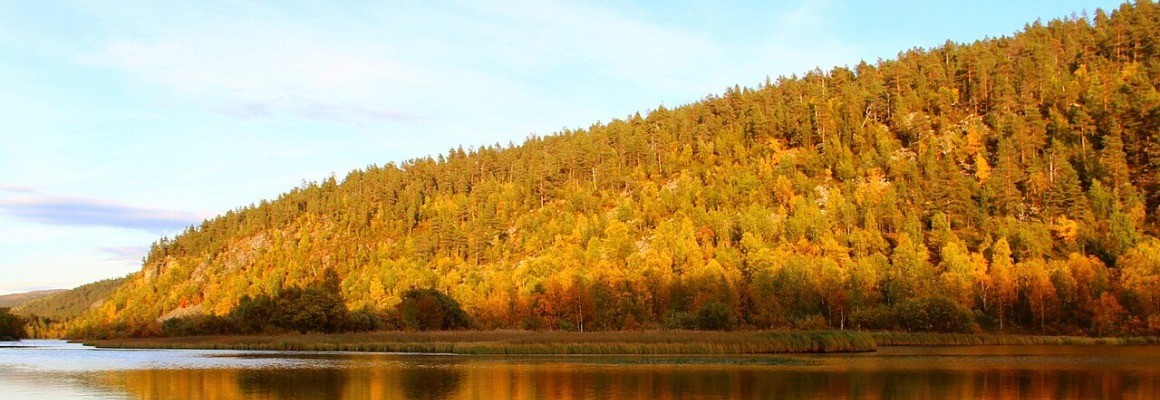
In autumn, the fells turn yellow, orange and red. Known in Finland as ruska, this season is especially popular with photographers and hikers. In winter, the park becomes a snowy northern landscape suitable for cross-country skiing, snowshoeing and winter hikes. Under favourable conditions, the northern lights may appear in the dark sky.
Spring snowmelt can leave some areas wet for a long time. Routes should be chosen carefully, and visitors should check current advice before setting out, particularly for remote summits or overnight trips.
Facilities and visitor rules
The park and its surroundings have marked trails, rest areas, campfire sites, lean-to shelters and wilderness huts. Some locations also have wilderness cafés. Visitor centres, including Pallastunturi and Kellokas near Ylläs, provide information about the park's nature, history and hiking routes.
Rules for camping and fires depend on the park zone and current restrictions. Fires are permitted only at designated sites and when no fire warning is in force. Seasonal movement restrictions may apply in some areas to protect wildlife and sensitive vegetation.
Northern ecosystems can be fragile, particularly on fell tops where vegetation recovers slowly after trampling. Stay on marked trails, take all rubbish away, avoid damaging plants and do not disturb wildlife. For longer hikes, check hut availability and prepare for independent travel.
Why visit Pallas-Yllästunturi
Pallas-Yllästunturi National Park is ideal for travellers who want to experience Finland's northern nature: broad horizons, ancient forests, treeless summits and quiet wetlands. Visitors can take a short walk with panoramic views or complete one of the country's best-known multi-day hiking routes.
The park offers something in every season. Summer brings hiking opportunities, autumn displays vivid colours, and winter offers ski trails and the chance to see the northern lights. Its combination of visitor facilities and expansive wilderness makes it one of the most appealing destinations for discovering Lapland.
Gallery