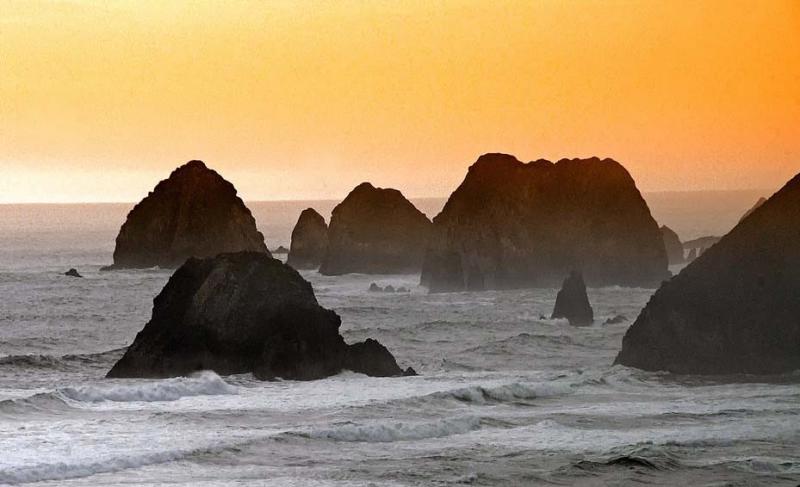
Chiloé National Park lies on the western coast of Chiloé Island in southern Chile. Its landscapes combine humid evergreen forests, wetlands, rivers, lakes, sand dunes, and wild beaches facing the Pacific Ocean. The park is an excellent destination for travelers who want to explore the nature of southern South America away from large cities and busy resorts.
The park was established on November 17, 1982, and covers approximately 42,567 hectares. It protects forest and coastal ecosystems typical of the temperate rainforests of southern South America. Frequent rainfall and high humidity support dense vegetation covered with mosses, ferns, and lichens.
The evergreen forests of Chiloé
The park's main natural feature is its dense, humid forest. Native trees include tepú, olivillo, coigüe, and other species characteristic of southern Chile. Mosses and lichens grow on trunks and branches, while ferns cover the forest floor. In some places, branches and roots intertwine to form a natural maze.
Particularly distinctive are the tepuales, swampy forests dominated by tepú trees. Their reddish trunks and tangled roots create unusual shapes. Wooden walkways make it possible to explore these wet areas while protecting the fragile soil and vegetation.
The El Tepual Trail
One of the park's most interesting routes is the El Tepual Trail. Wooden boardwalks cross a swampy forest without damaging the ground or root systems. Visitors pass moss-covered trees, tangled roots, and lush vegetation. The trail offers a close look at Chiloé's forest ecosystems and opportunities to listen for birds and observe small plants, fungi, and lichens. Check trail conditions before visiting.
Cucao and the Pacific coast
Cucao is one of the main reference points for visitors to the park. On the island's western side, forests give way to sand dunes, open spaces, and ocean beaches. Strong winds, large waves, and mist often transform the coastline. It is a rewarding area for walking, observing seabirds, and photographing natural scenery. However, ocean currents and waves can be dangerous, so swimming along the exposed coast is not recommended.
Lakes and rivers
Lake Cucao, Lake Huelde, and the Chanquín River add to the variety of the landscape. Their calmer waters contrast with the open Pacific and provide opportunities to observe birds and other wildlife. Rivers, lakes, wetlands, and forests together support a wide range of plant and animal species.
Wildlife
The island's isolation has helped shape its distinctive wildlife. Species found in the park and surrounding areas include Darwin's fox, the tiny pudu deer, the monito del monte, and many birds. Seabirds and other coastal animals may be seen along the shore. Rare animals are not always easy to spot because many avoid people. Never feed wildlife or approach animals for photographs.
Chiloé's cultural heritage
The park's natural environment is closely connected to the island's culture. Nearby communities include the Huilliche people, who maintain traditions and knowledge of the local landscape. Chiloé is also known for maritime legends, wooden churches, traditional settlements, and distinctive regional cuisine. Visiting the park can be combined with exploring the island's cultural heritage.
Best time to visit
The period from November to March is generally the most convenient time to visit, as it is summer in the Southern Hemisphere. Rain, fog, and strong winds are still possible. During autumn and winter, trails can become slippery, so waterproof clothing, warm layers, and sturdy footwear are essential.
How to get there
The main visitor access is in the Chanquín–Cucao area. From Castro, travel south before turning toward Chonchi and continuing to Cucao. The drive usually takes around an hour and a half, depending on conditions. Chiloé Island can be reached by ferry across the Chacao Channel from mainland Chile. Before traveling, check route availability, opening hours, and ticket requirements.
Visitor guidelines
Fires are prohibited in the park. Visitors must not leave rubbish, remove plants, feed animals, or leave marked trails. Pets are not allowed, and drone use requires special authorization. Tell park staff your route before setting out on a long hike. Chiloé National Park offers a memorable introduction to temperate rainforests, wild Pacific beaches, and the remarkable natural environment of southern Chile.
Gallery