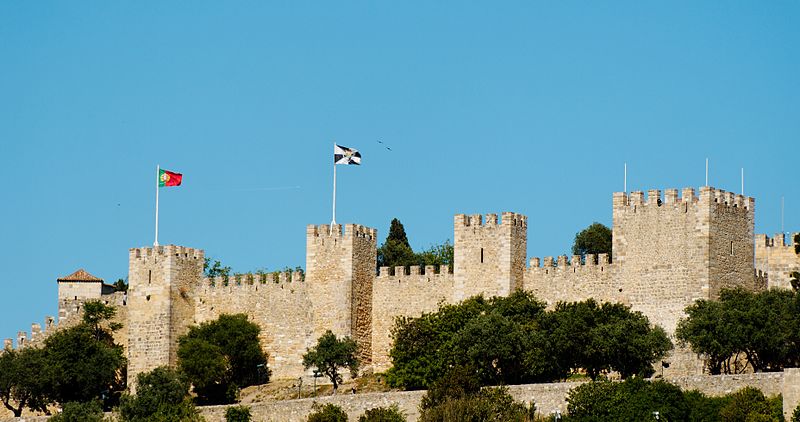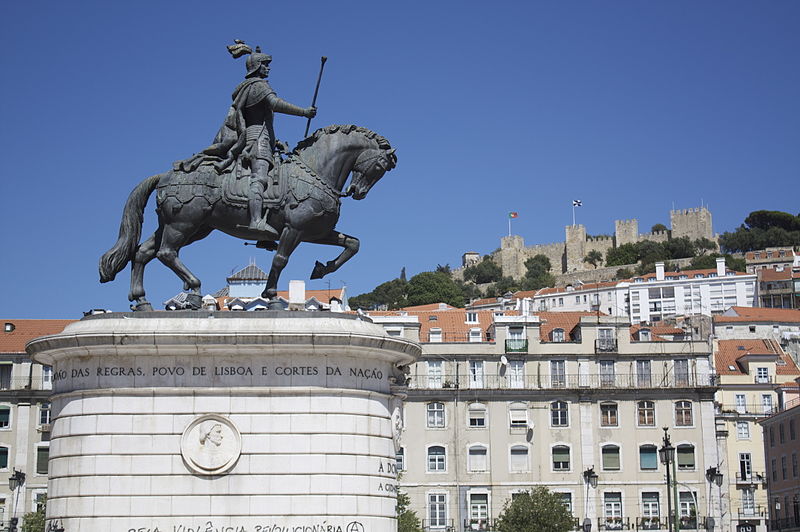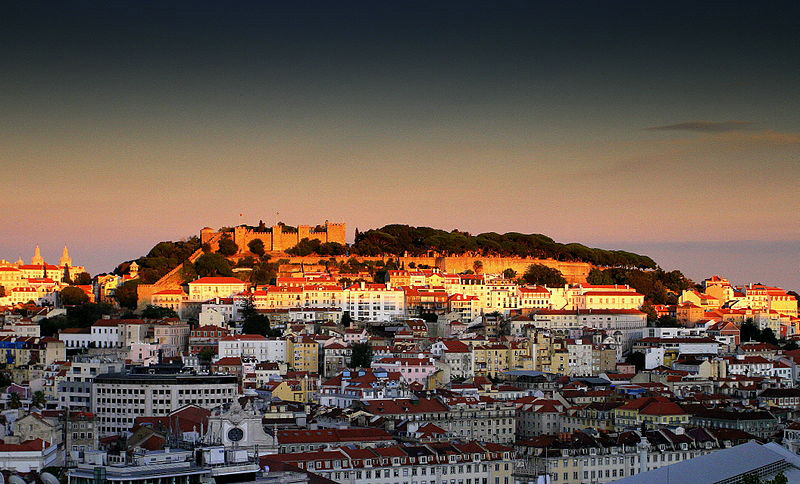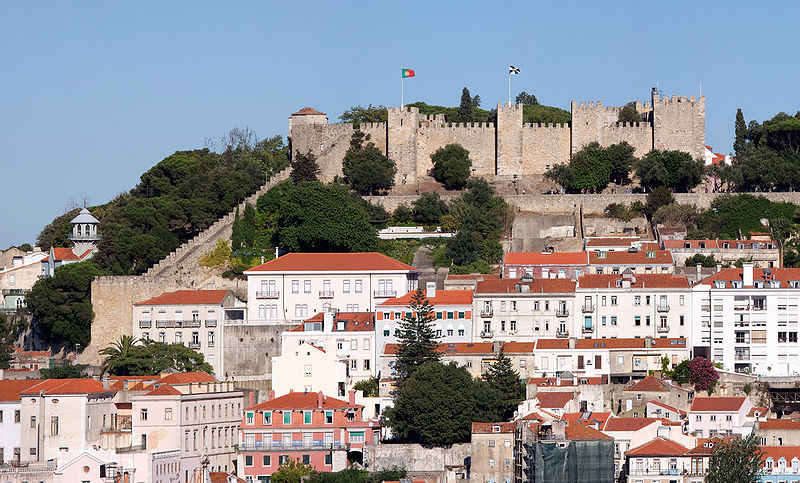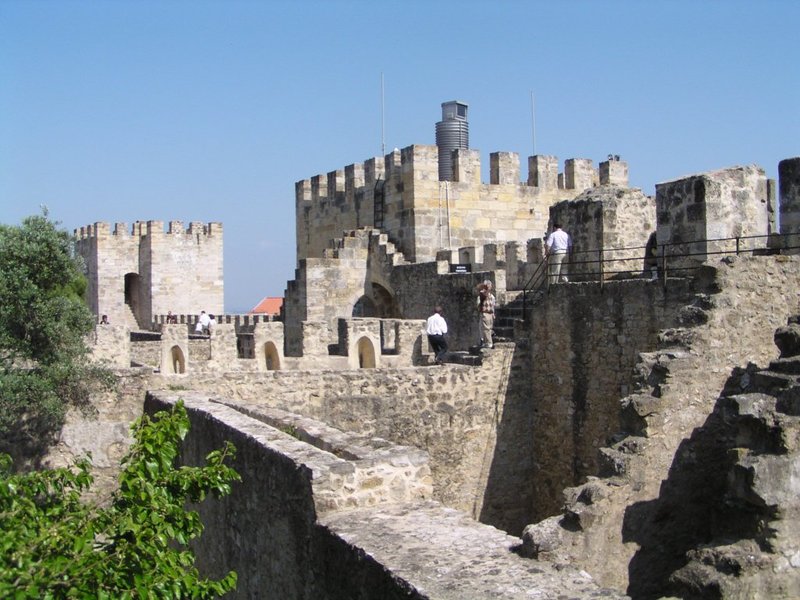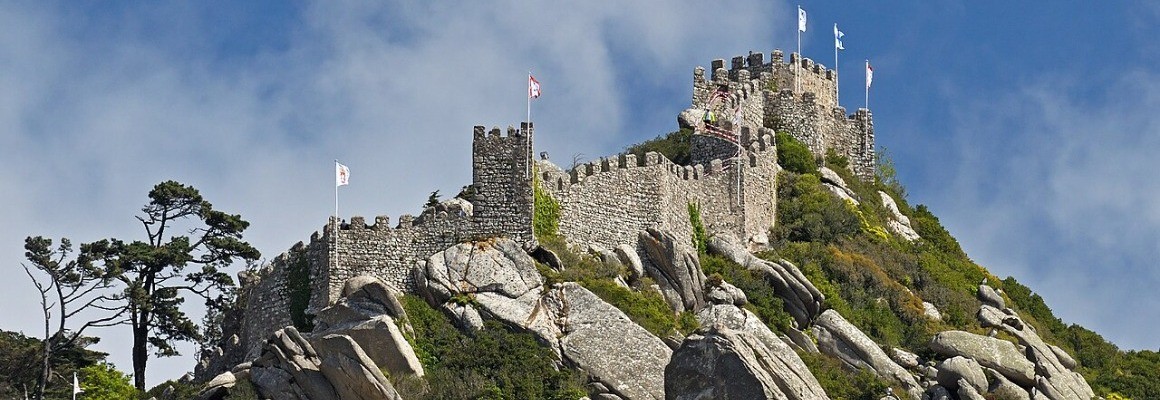

The ancient Castle of St. George is located on a high hill in the historical center of Lisbon. In ancient times, the fortress was well fortified and served as protection for the Romans, Visigoths and Moors.
The castle was named after St. George, the patron saint of England. In 1386, King John I of Portugal married Philippa of Lancaster, thus concluding a long Anglo-Portuguese alliance that lasted until the 20th century. This alliance was concluded as a counterweight to the increased influence of Spain.
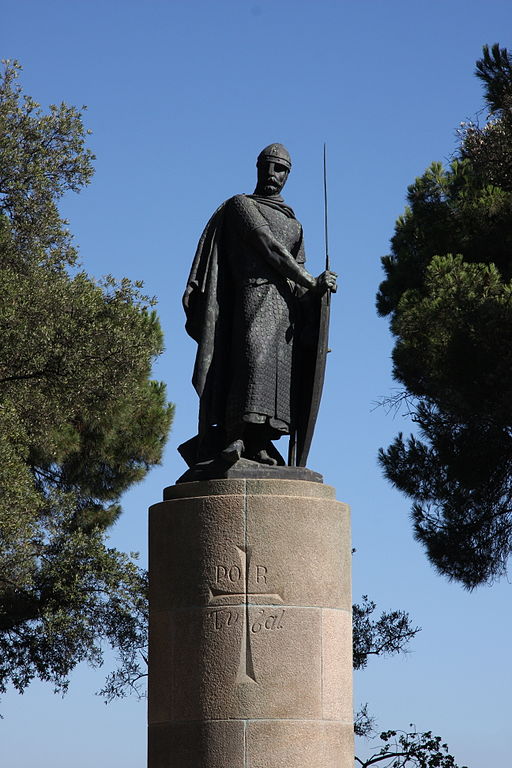
The castle can be seen from almost any part of Lisbon. It was built in the 6th century by the Visigoths, later rebuilt by the Moors, and in 1147 the fortress was captured by the King of Portugal, Afonso Henriques. Since then, the castle became a royal residence and remained there until the 16th century, when the residence was transferred to the Ribeira Palace. After that, the castle was turned into a prison, then a theater, and finally an arsenal. Over time, the castle fell into disrepair, and the earthquake of 1755 destroyed St. George's Castle and Ribeira Palace. It was only in 1938 that the castle was restored, a cozy park was built nearby and monuments to Portuguese kings were erected.
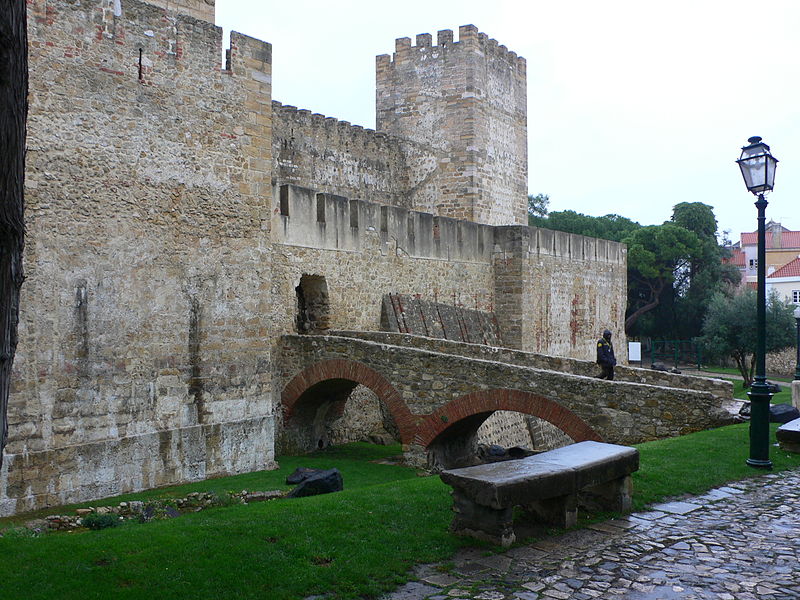
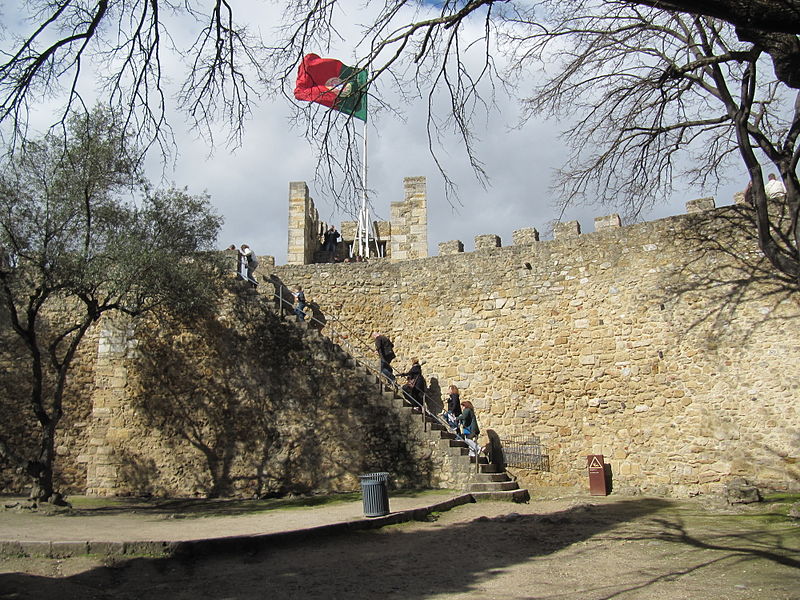
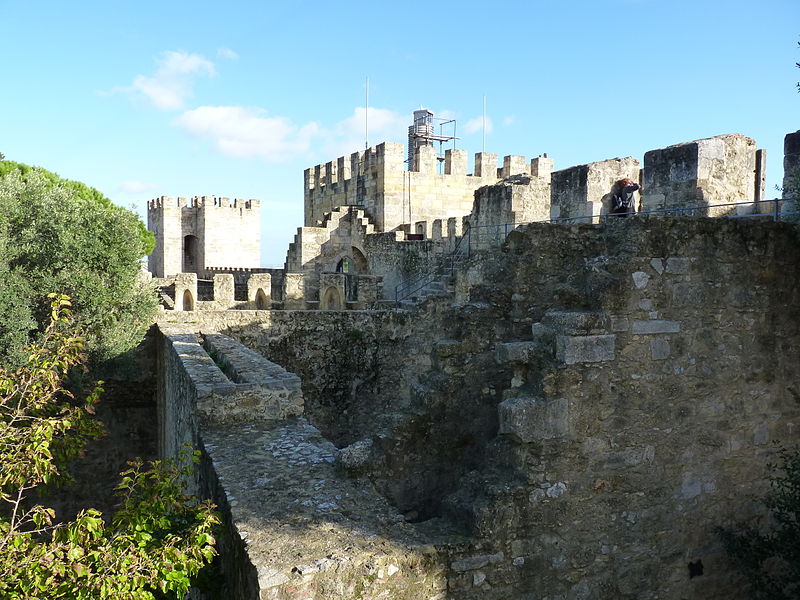
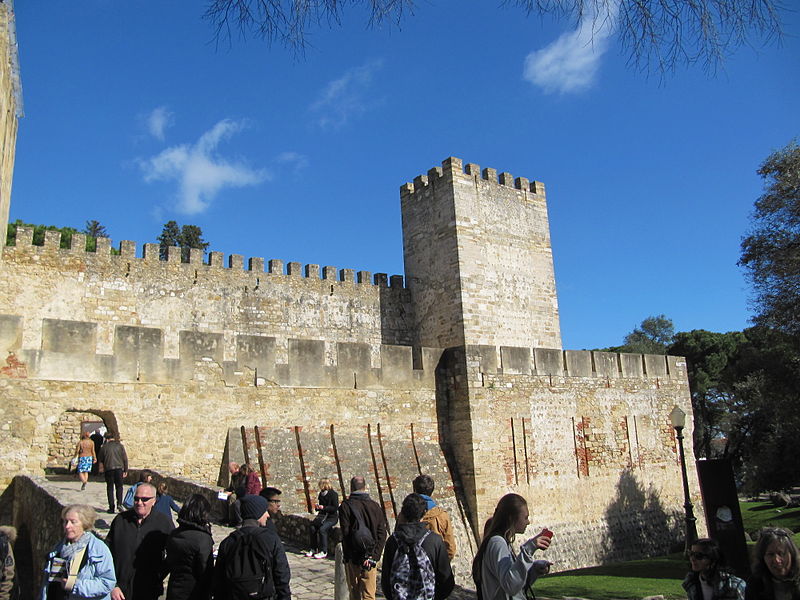
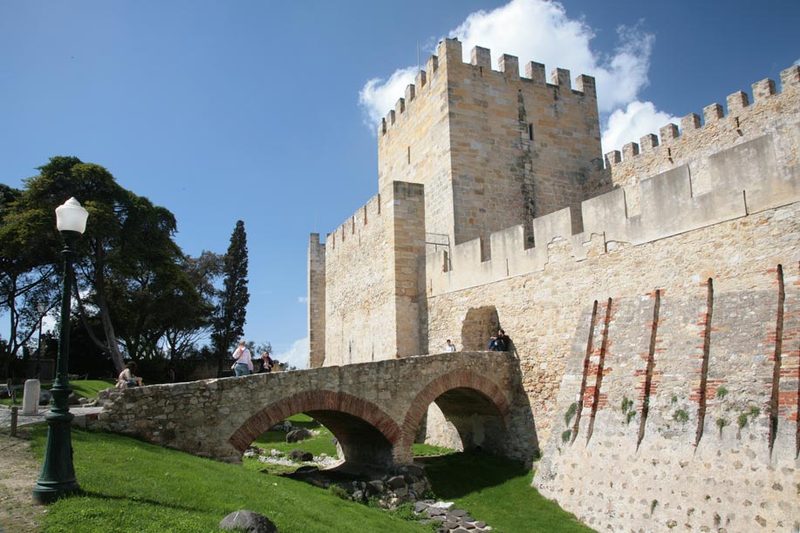
The castle was rebuilt in Romanesque and Gothic style, surrounded by a fortress wall with a wide moat. The only way to enter the fortress is through the bridge. The walls are topped with battlements, and 10 one- and two-tier towers are built around the perimeter. There is also the St. Lawrence Tower, located outside the walls of the fortress, which helped defend the Moors during the siege.
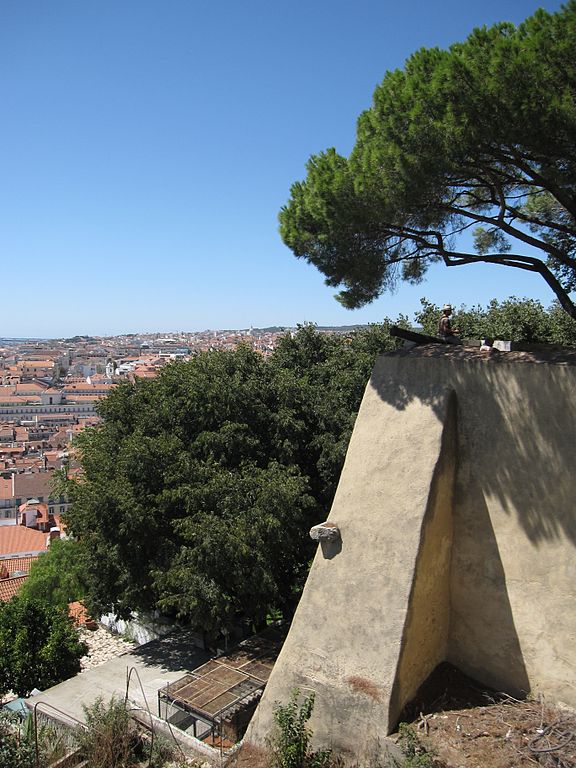
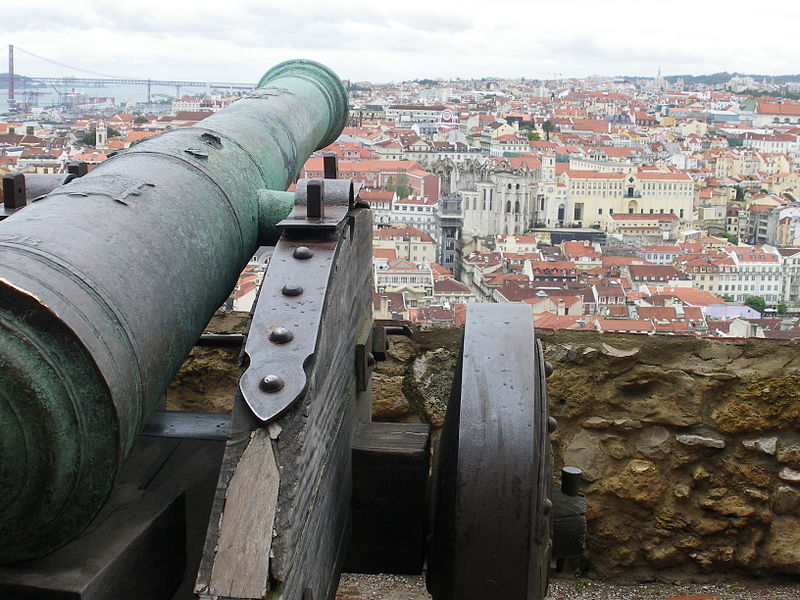
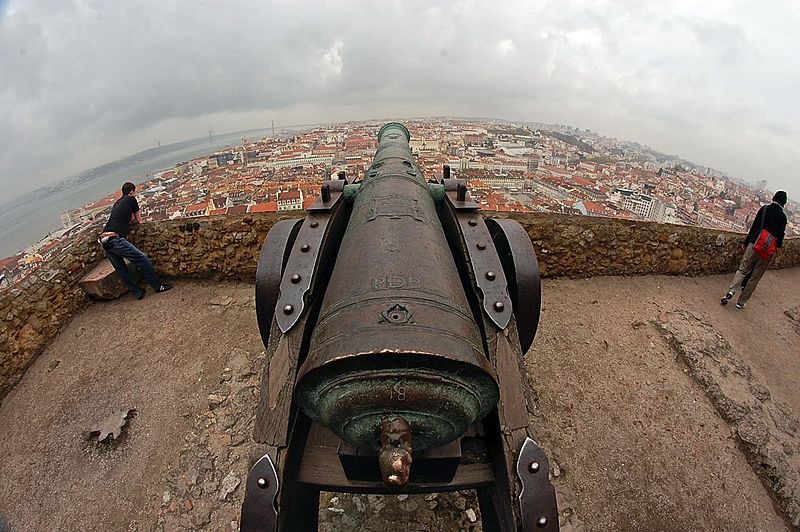
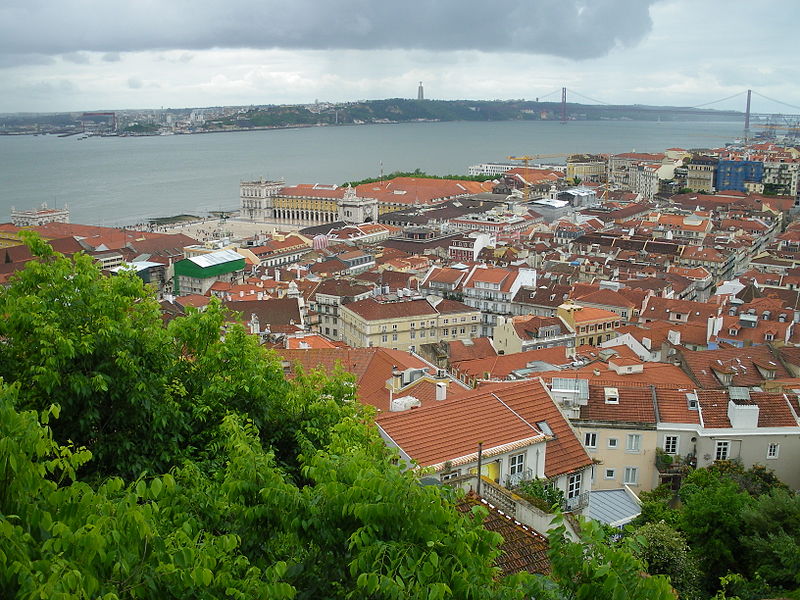
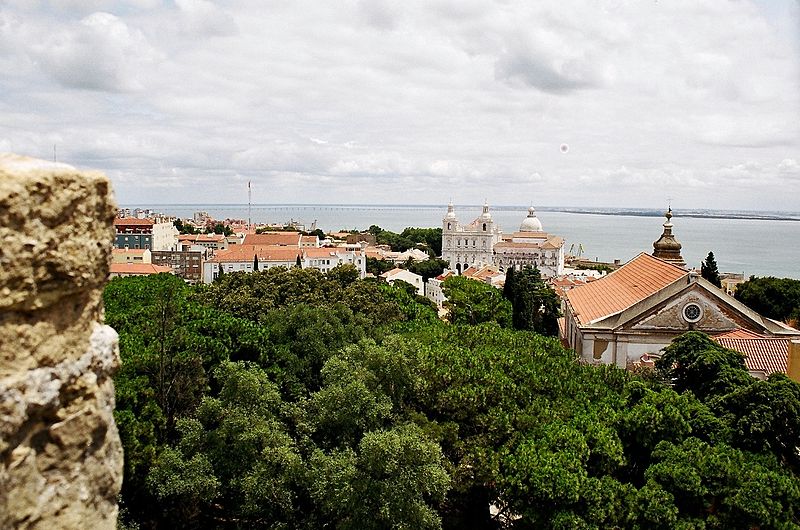
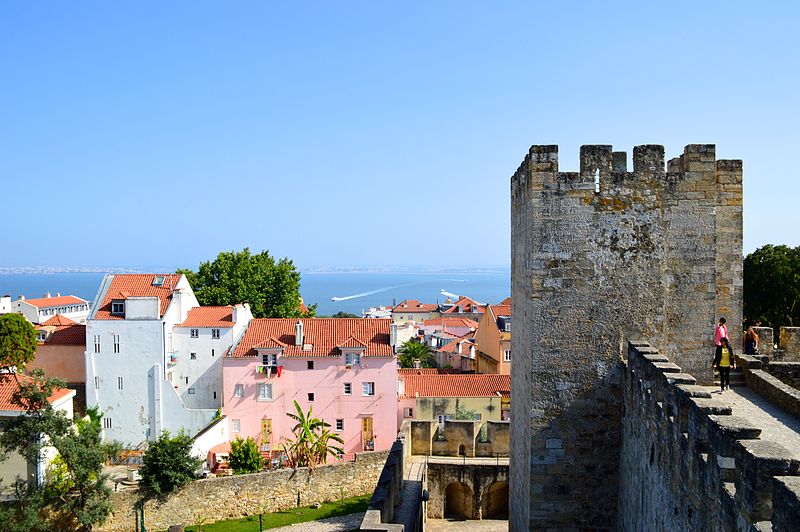
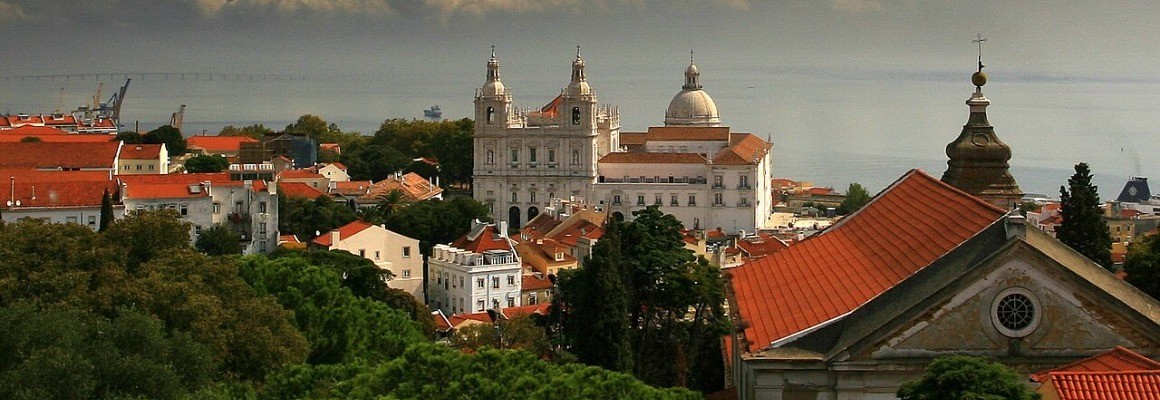
Visitors to the castle can climb its towers, walk along the walls, look at ducks, peacocks, geese in the park, and relax by the cypress trees. The observation deck offers beautiful views of the ocean, the old quarters of the city, and the Tagus River embankment. Every day, St. George's Castle hosts a multimedia exhibition, projecting scenes from the historical events of the city and the castle onto the castle walls.
Gallery