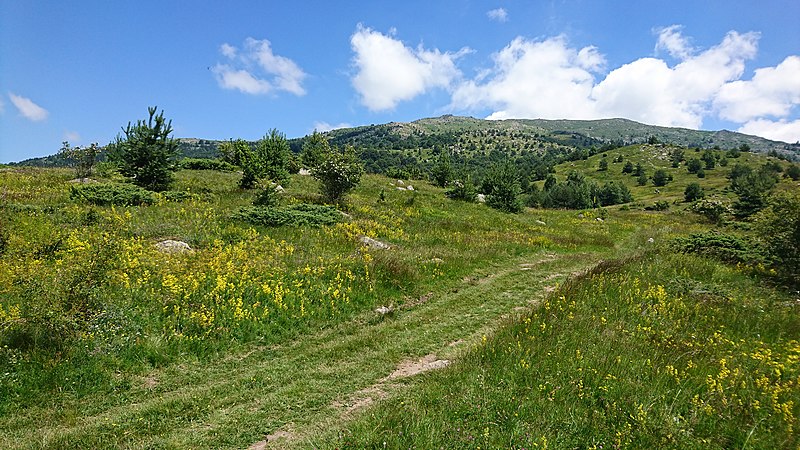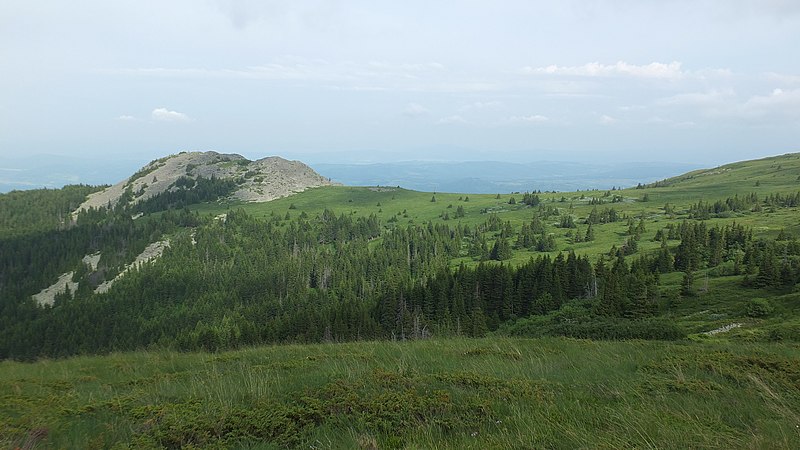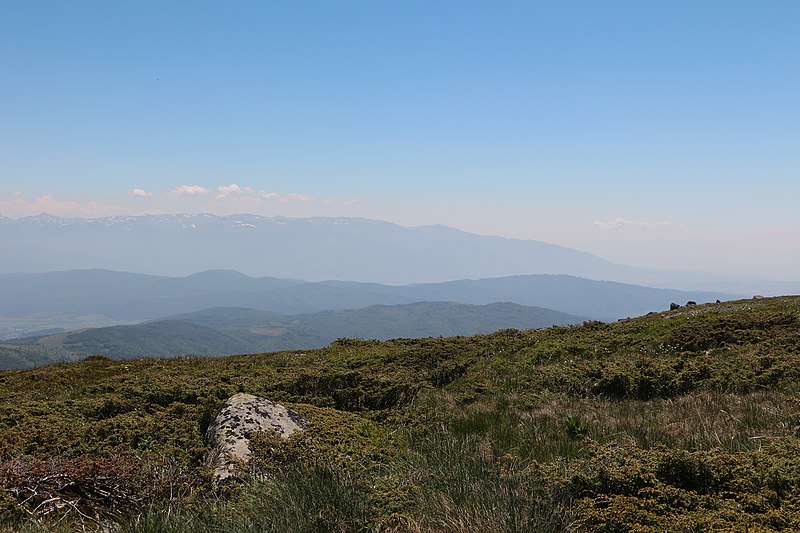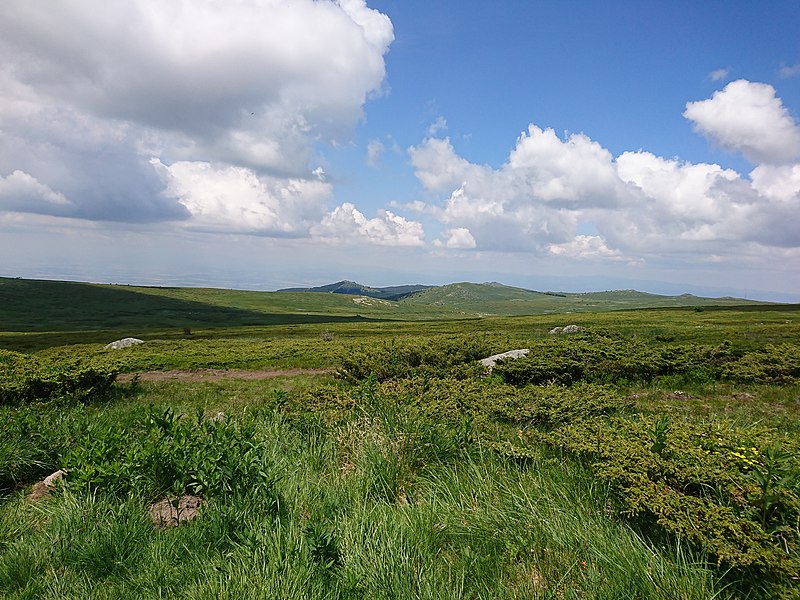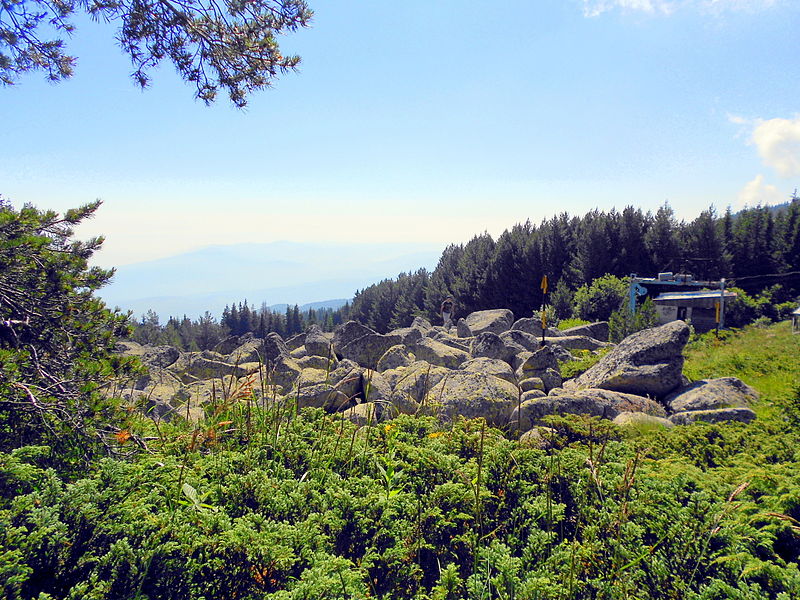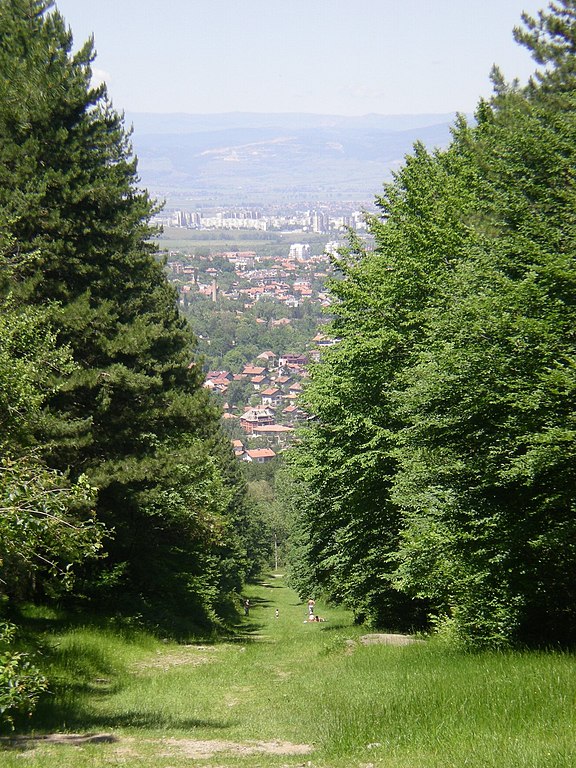

Any resident of Sofia, the capital of Bulgaria, has the opportunity to touch nature without going anywhere and even conquer the height of 2290 meters. All this is possible in Vitosha Nature Park, which is visible from the southern outskirts of the capital.
Basic information
The current name of the park and the peak of the same name is associated with the Bulgarian male name, which means "life". Vitosha Nature Park covers an area of more than 27 hectares, and is located at almost 20 km. It is about 17 km long and wide. The highest point is the Black Peak, 2290 meters, which gained its popularity at the end of the 19th century, when 300 climbers climbed it at the same time.
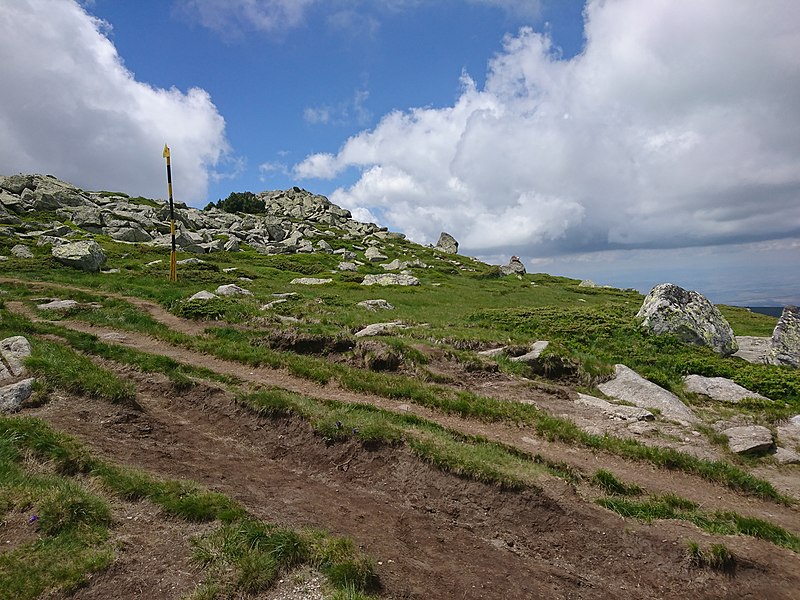
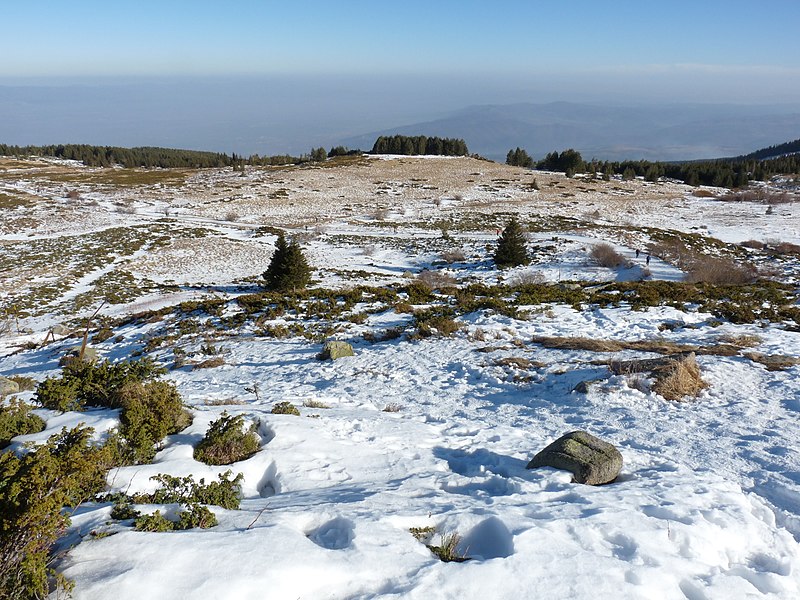
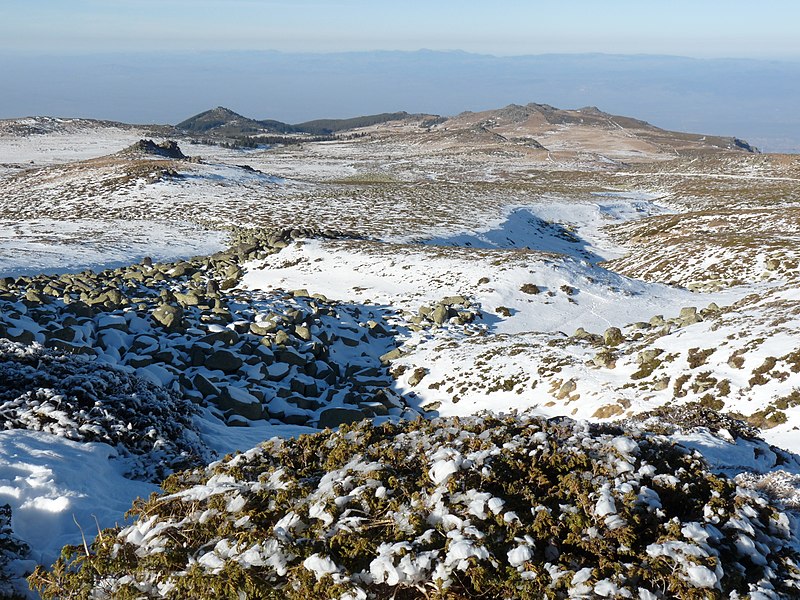
For hiking enthusiasts, more than 50 ecological trails of varying complexity and length are organized on the territory of Vitosha Park. Some of these trails are specially paved with stone, and bridges are laid across streams. There are specially organized places to relax, with tables, benches and campfires. Several tracks are located at an altitude of over 2000 meters. In winter, Vitosha Park becomes a great place for skiers. There are trails for both beginners and professionals. There is snow on the peaks almost half of the days a year, and while the gardens are in bloom in the capital, you can ski and sledge here.
Attractions
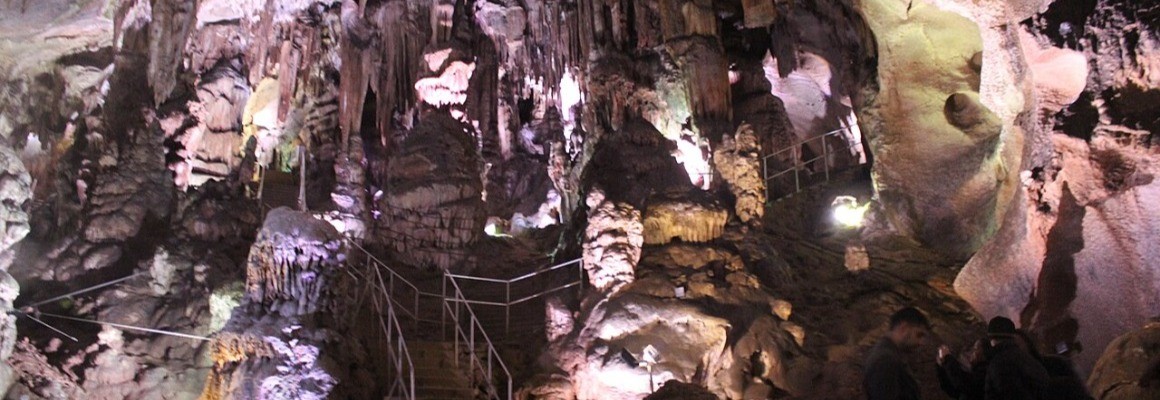
Duhlata Cave is known as the longest cave in the whole of Bulgaria, with over 18 km of corridors. and a depth of more than 50 meters. The cave system is located on 6 levels, with several streams on the lower ones. You can only visit it with special skills and accompanied by a trained local guide. This was done so that people would not harm the local ecosystem. The caves got their name for the peculiar whistling sounds made by the wind at the entrance.
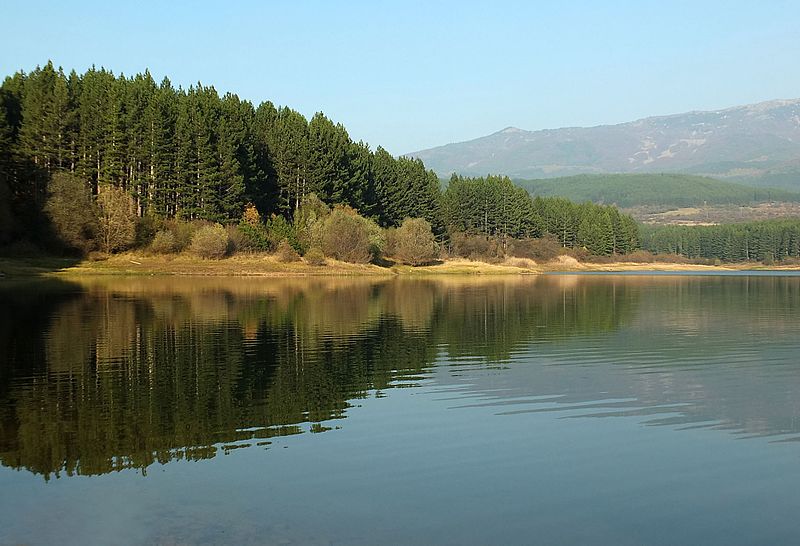
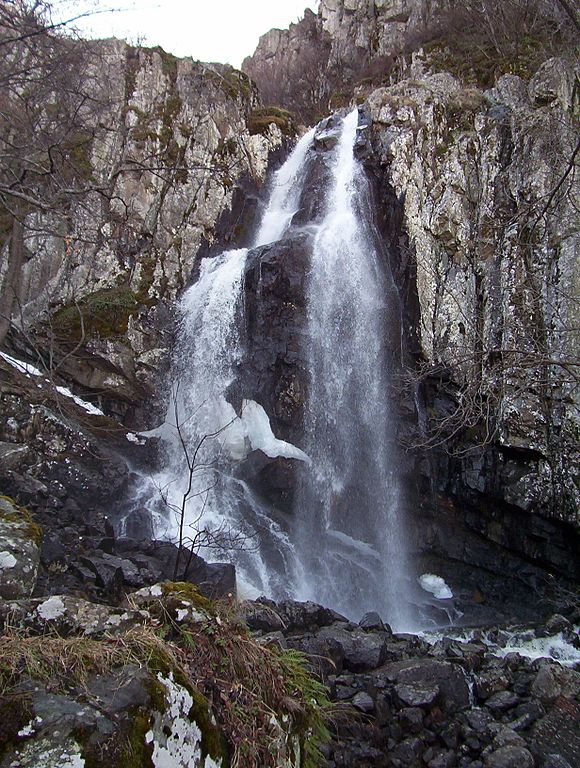
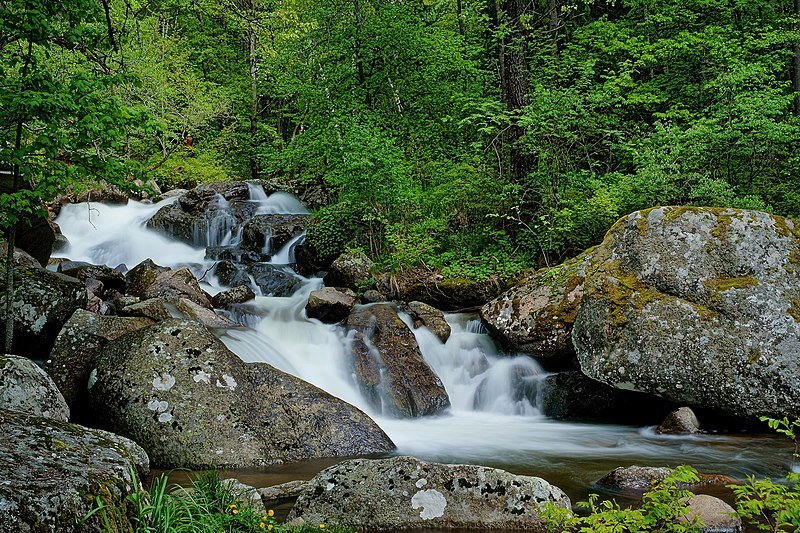
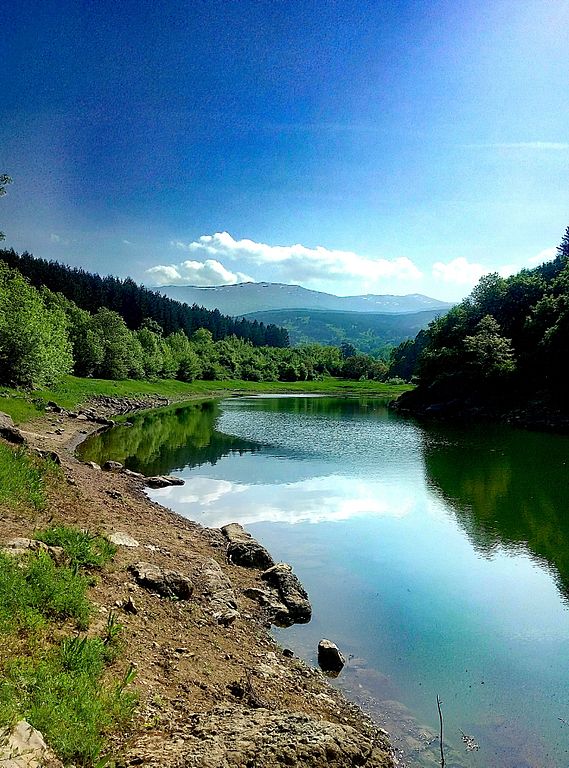
Natural attractions include waterfalls of various sizes, small mountain lakes with icy water, a huge number of beautiful flowers, and more than 200 species of birds.
Boyanskaya Church is a medieval church at the foot of Vitosha Mountain, its construction began in the 10th century, and today it is included in the UNESCO World Heritage List. Initially, the small building was illuminated in honor of Saints Nicholas and Panteleimon, and three centuries later, two more floors were added to it, and frescoed. And in the 19th century, another building was added. Thus, today the church has three limits. The building has an interesting architecture, and the interior is striking with its unique paintings.
Bistrisko Branishte is a nature reserve on Vitosha Mountain. Coniferous trees and high-altitude vegetation growing here are protected in this territory. Visits are allowed only within specially extended trails. It has been established that the average age of the local forest is more than 100 years.
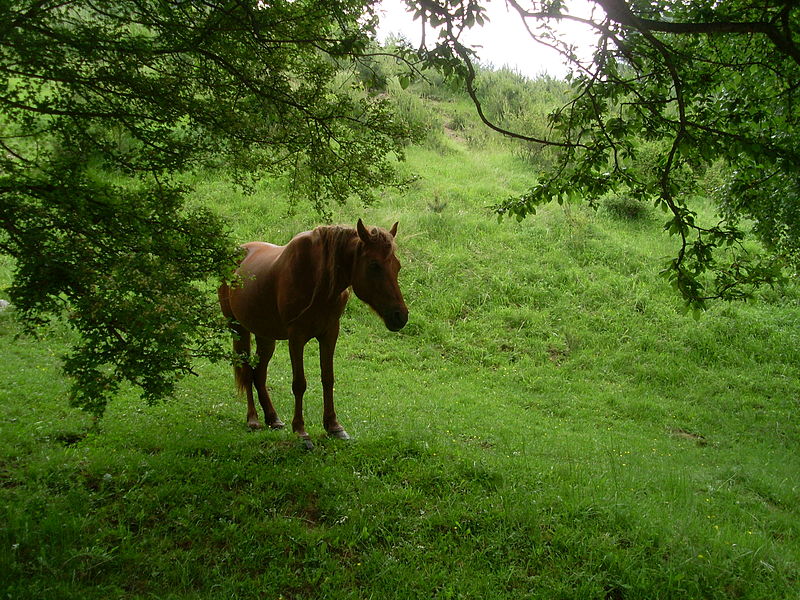
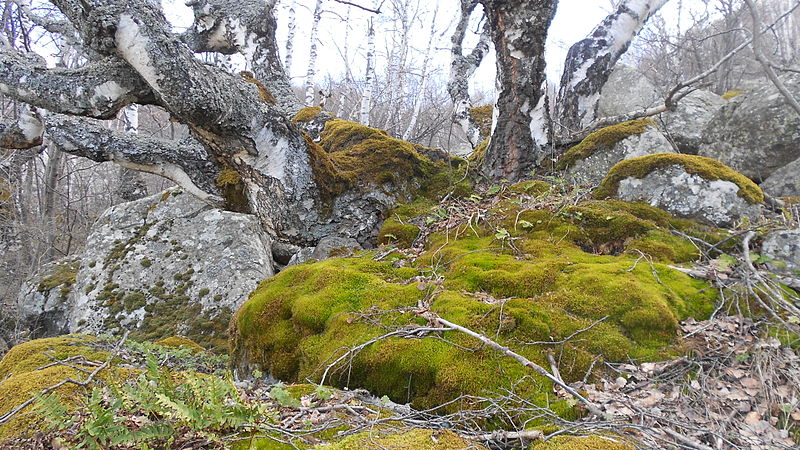
Torfeno branishte is a turf reserve or peat reserve. It is closed to the public in order to preserve rare species of peat bogs, algae and mosses. But it is known that these places are visited by representatives of the animal world: deer, wild boars, less often wolves and bears.
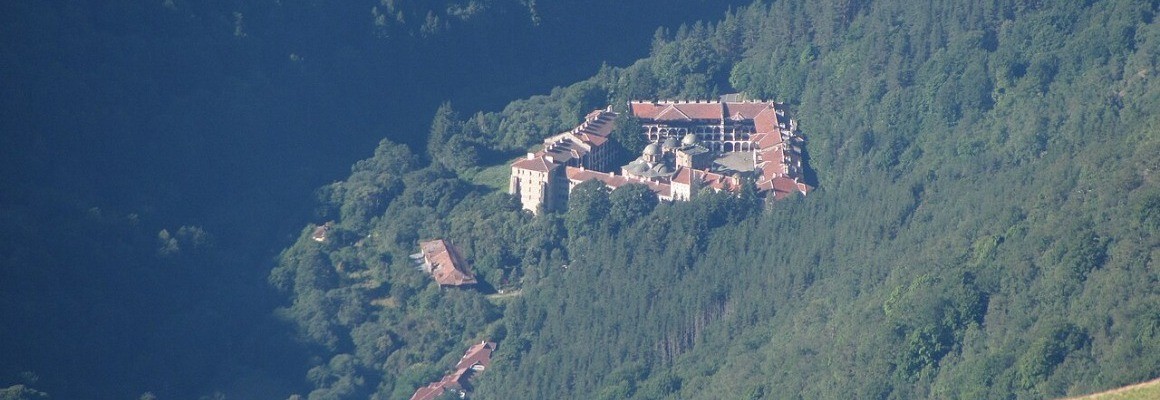
There are several monasteries in the park.:
- Drogalevsky Convent of the Blessed Virgin Mary
- Kladnishki - monastery of St. Nicholas the Wonderworker
- Kokalyansky Monastery of the Archangel Michael
Vitosha Nature Park, a place where almost everyone will find something interesting for themselves. Whether it's a monument to history or the beauty of nature. The proximity to the capital makes it extremely attractive for tourists.
Gallery