
Mount Wutai is a sacred Buddhist mountain in Shanxi Province, northern China. Its name means “Mountain of Five Terraces” and refers to its five distinctive flat-topped peaks surrounded by steep slopes. It is regarded as one of China's four sacred Buddhist mountains and an important centre of worship dedicated to Manjushri, the bodhisattva of wisdom.
Mount Wutai is known not only for its religious importance but also for its mountain scenery, forests, meadows, ancient monasteries and historic architecture. In 2009, its cultural landscape was inscribed on the UNESCO World Heritage List.
Geography and natural features
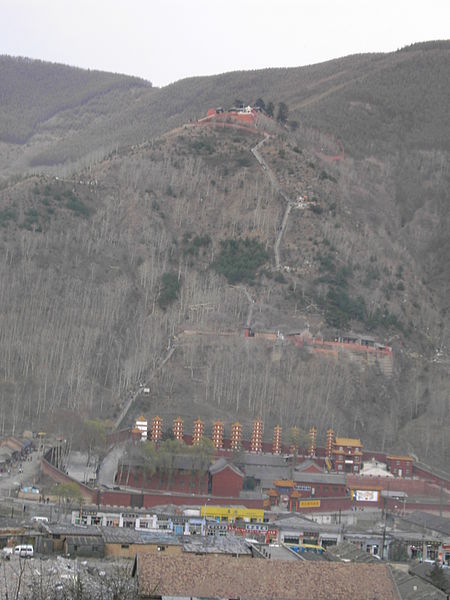
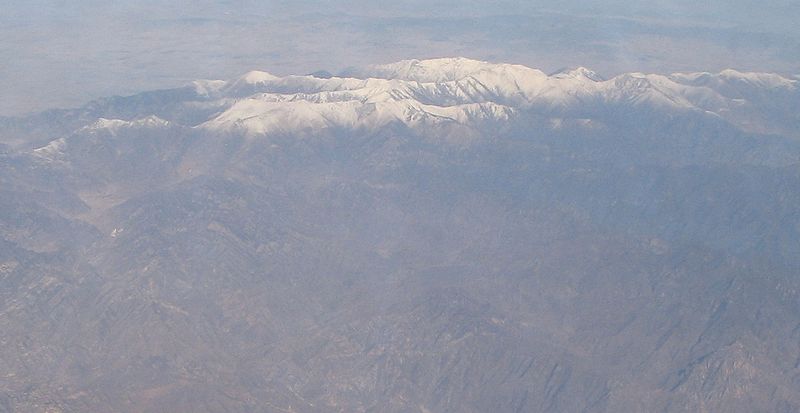
The mountain lies in the Wutai area of Xinzhou, Shanxi Province. Its landscape is marked by steep slopes and five open peaks with very little tree cover. The region is known for its cool climate, coniferous forests, alpine meadows and a long snowy season. Depending on altitude and season, the scenery ranges from green slopes to snow-covered plateaus.
The five principal peaks are traditionally called East, West, South, North and Central. The northern peak, Beitai, is the highest, reaching approximately 3,061 metres above sea level. Its elevation and distinctive terrain set Mount Wutai apart from the surrounding plains and hills.
A sacred mountain of Buddhism
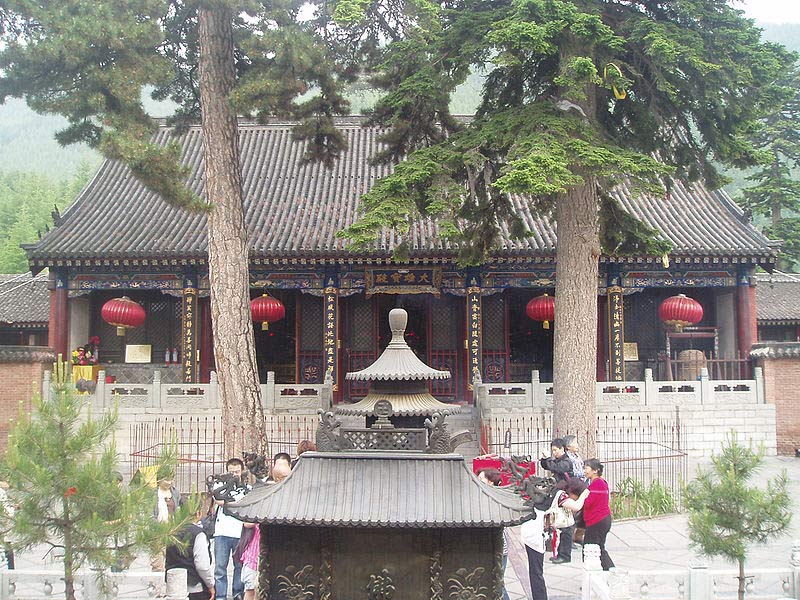
For many centuries, Mount Wutai has been a pilgrimage destination for Buddhists from China and other parts of Asia. Buddhist tradition associates the mountain with Manjushri, the bodhisattva of wisdom. Pilgrims visit monasteries, pray and walk around the sacred peaks in accordance with long-established religious customs.
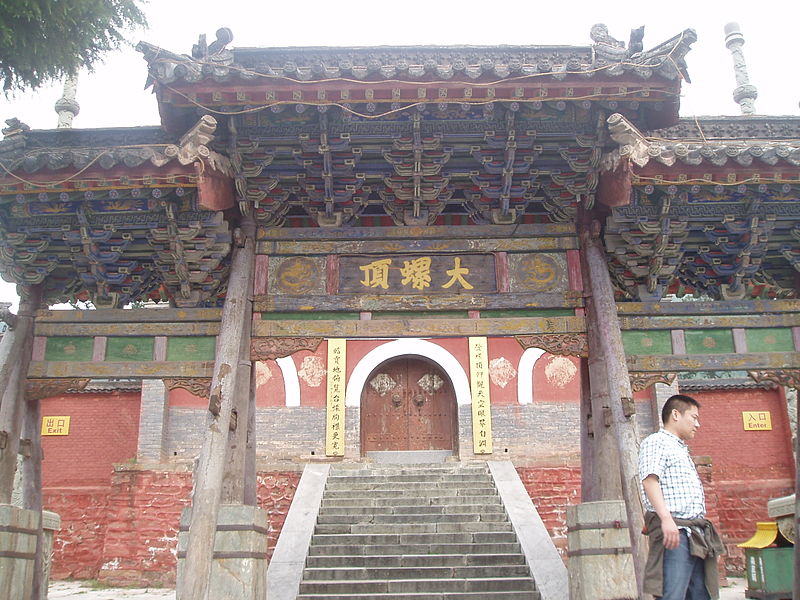
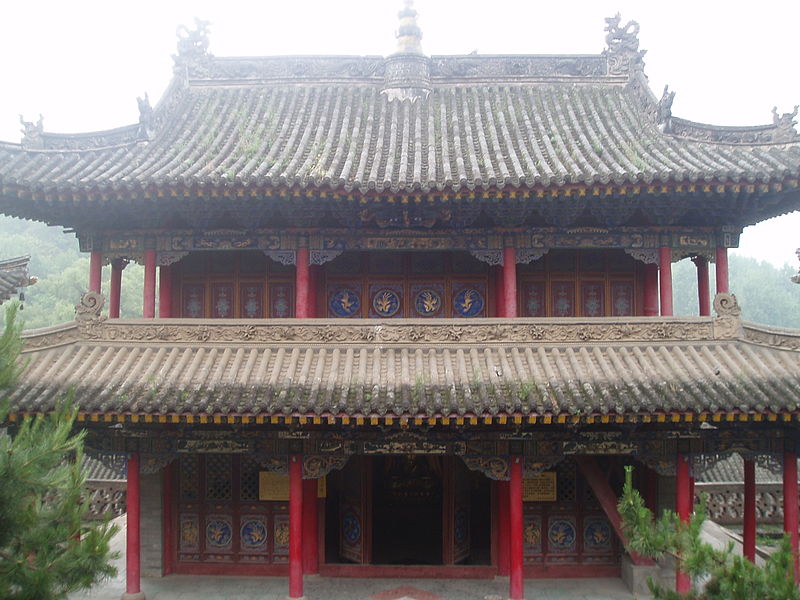
Temple construction on Mount Wutai dates back to the early centuries of the Common Era. Over the centuries, monasteries, pagodas, prayer halls and buildings for monks were built and rebuilt here. Their architecture reflects the development of Chinese Buddhism and the influence of different artistic and religious traditions across Asia.
Monasteries and historic monuments
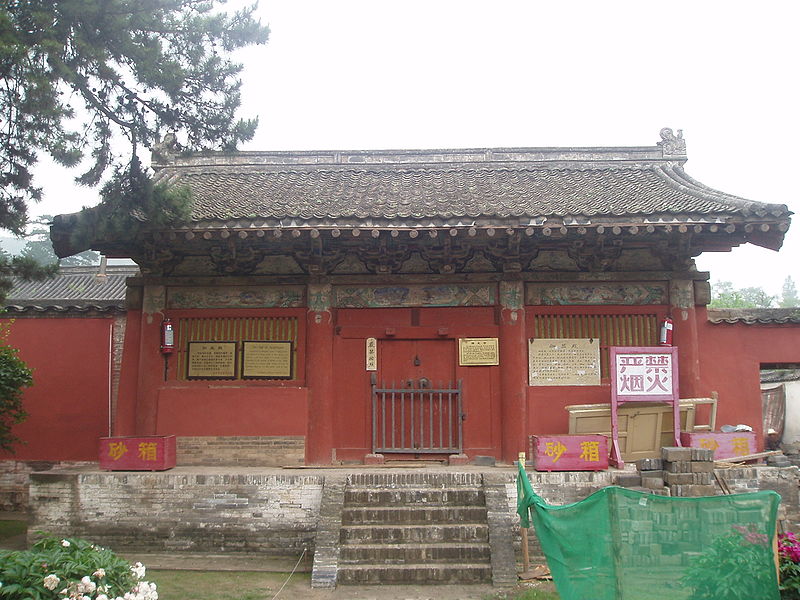
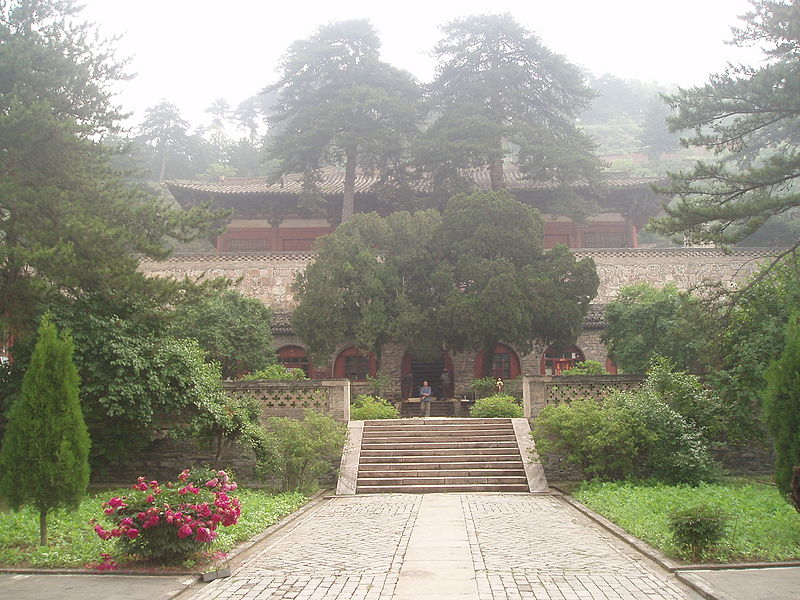
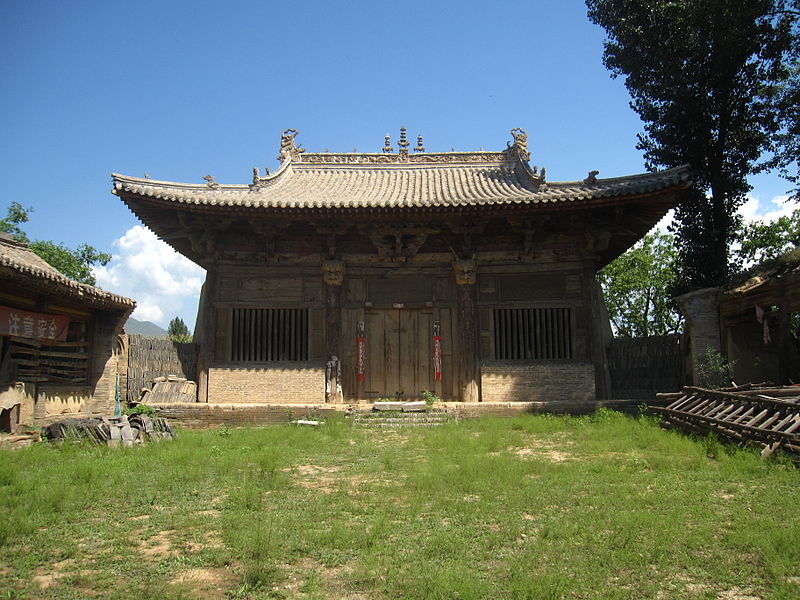
The cultural landscape of Mount Wutai contains numerous monastic complexes. One of the most important is Foguang Temple, renowned for its East Main Hall from the Tang dynasty. This outstanding example of ancient timber architecture retains its historic structure and life-size clay sculptures.
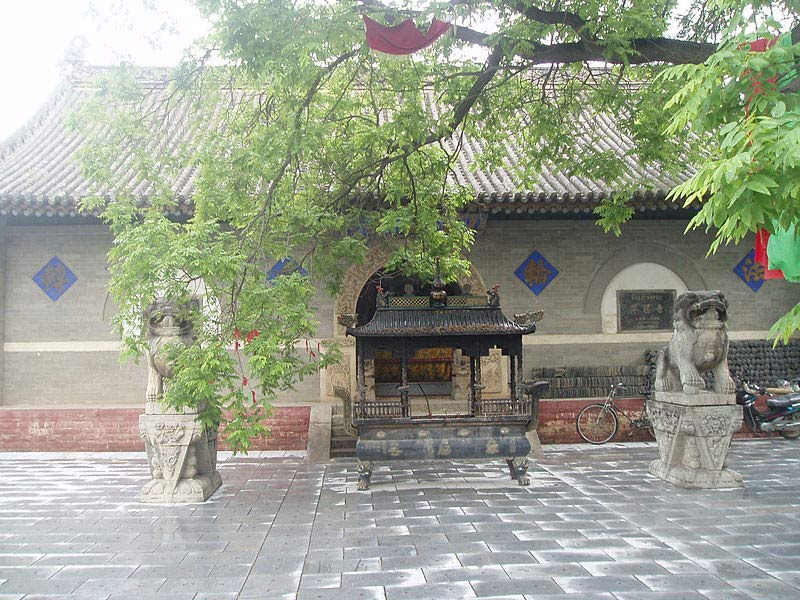
Another notable site is Shuxiang Temple, associated with the worship of Manjushri. Its artistic decoration includes numerous sculptures illustrating Buddhist stories. The monasteries of Mount Wutai also feature pagodas, carved details, historic inscriptions and traditional architectural ensembles that document the history of religious art in China.
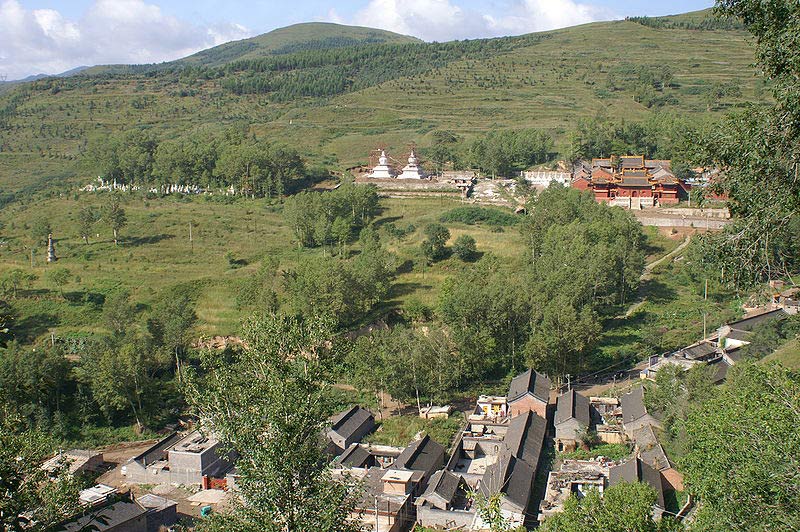
The temples are inseparable from the surrounding mountain landscape. Their locations on slopes, among forests and near the bases of the peaks create an atmosphere in which nature forms part of the sacred setting.
Pilgrimage routes
A visit to Mount Wutai often combines monasteries in the valleys with viewpoints on the mountain peaks. Some routes are suitable for gentle walks between temples, while others require more time and physical preparation. Some pilgrims aim to visit all five peaks by following a traditional circuit around the sacred mountain.
Taihuai is an important visitor centre, with many temples and monasteries concentrated in and around the settlement. It provides a convenient base for visiting major religious sites and learning about local traditions. The area can become crowded during festivals and pilgrimage periods.
Best time to visit
Mount Wutai can be visited in different seasons, although mountain weather can change quickly. In summer, the slopes become green and temperatures are generally more comfortable for walking. In autumn, forests turn golden, creating a striking contrast with the monastery buildings. In winter, the peaks are often snow-covered, but cold weather and road conditions may make travel more difficult.
Before travelling, check the weather forecast, mountain trail access and monastery opening arrangements. Even in summer, temperatures at higher elevations can be low, so warm clothing and comfortable walking shoes are recommended.
Getting there and practical advice
Mount Wutai is in Shanxi Province, and the Taihuai area is a convenient base for accommodation and sightseeing. It can be reached by road from cities in the region. Travel time depends on the route and departure point, so transport arrangements should be made in advance.
When visiting monasteries, keep noise to a minimum, respect religious customs and observe any photography restrictions. On mountain paths, take account of altitude, temperature changes and trail conditions. Mount Wutai is especially appealing to travellers who want to explore Chinese history and Buddhism while enjoying mountain scenery.
Gallery