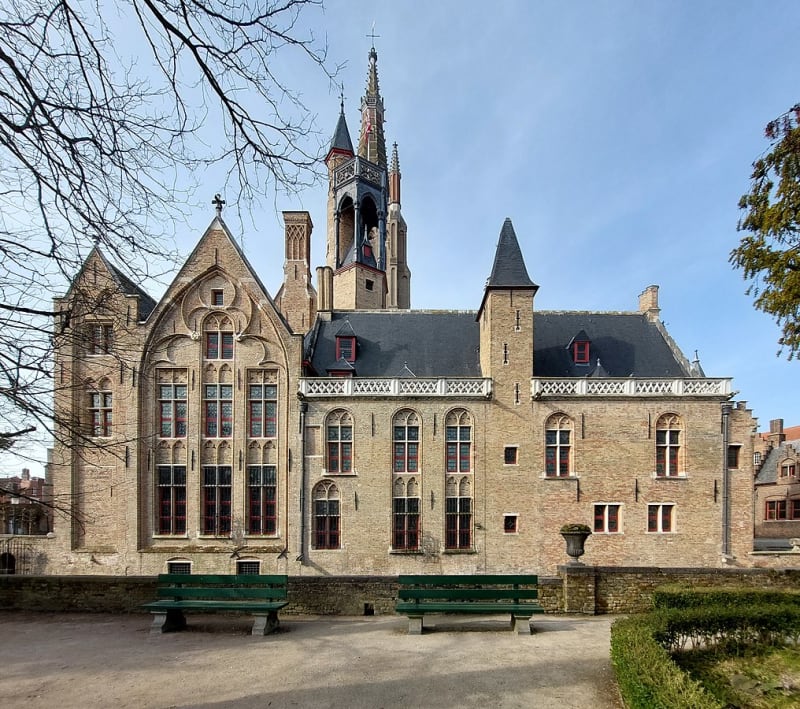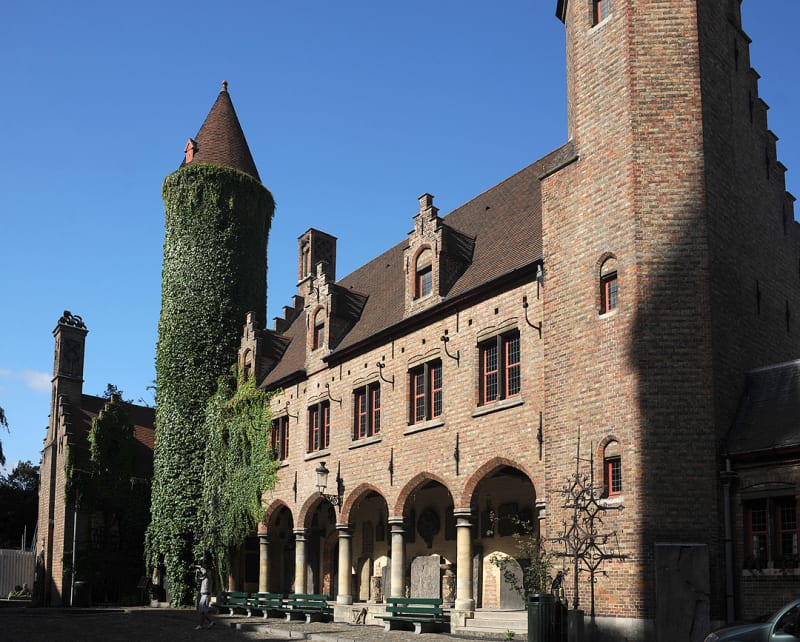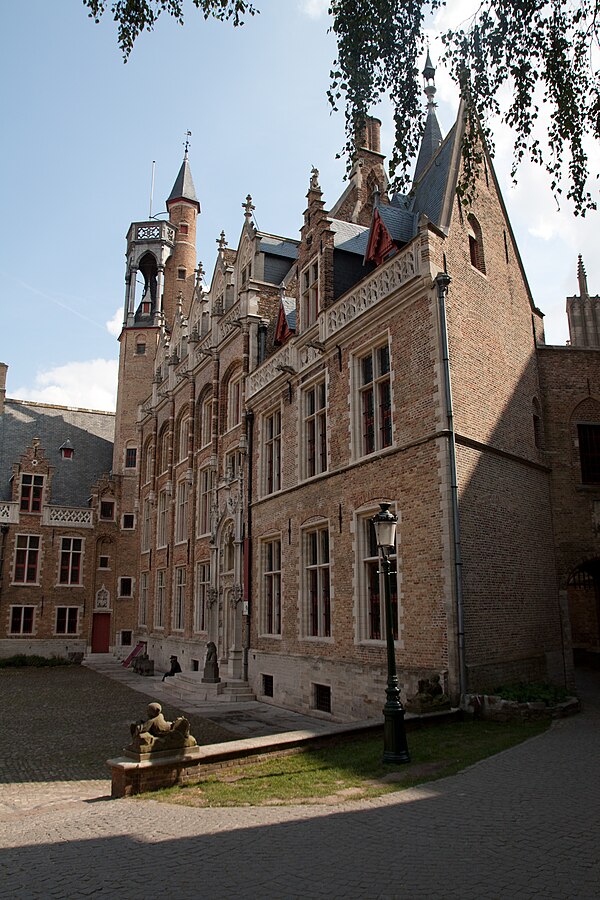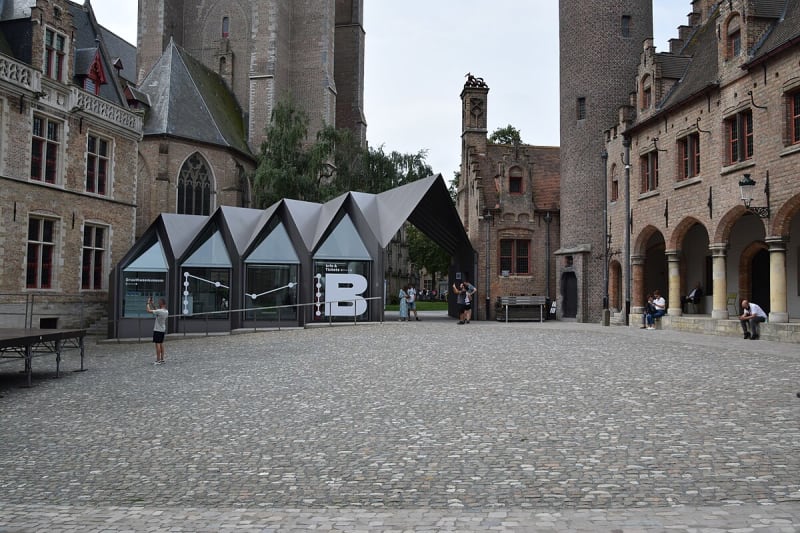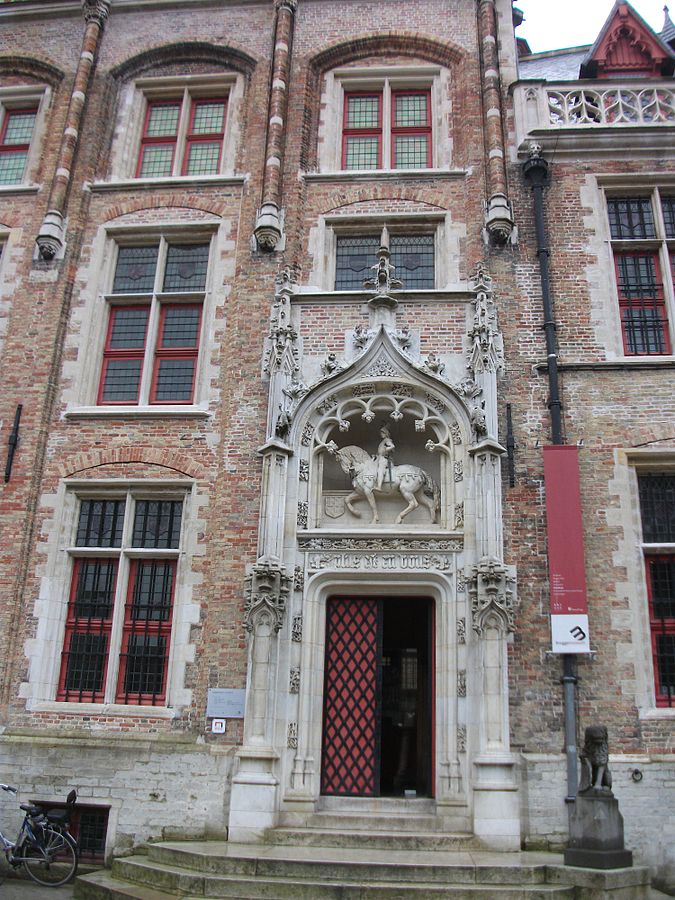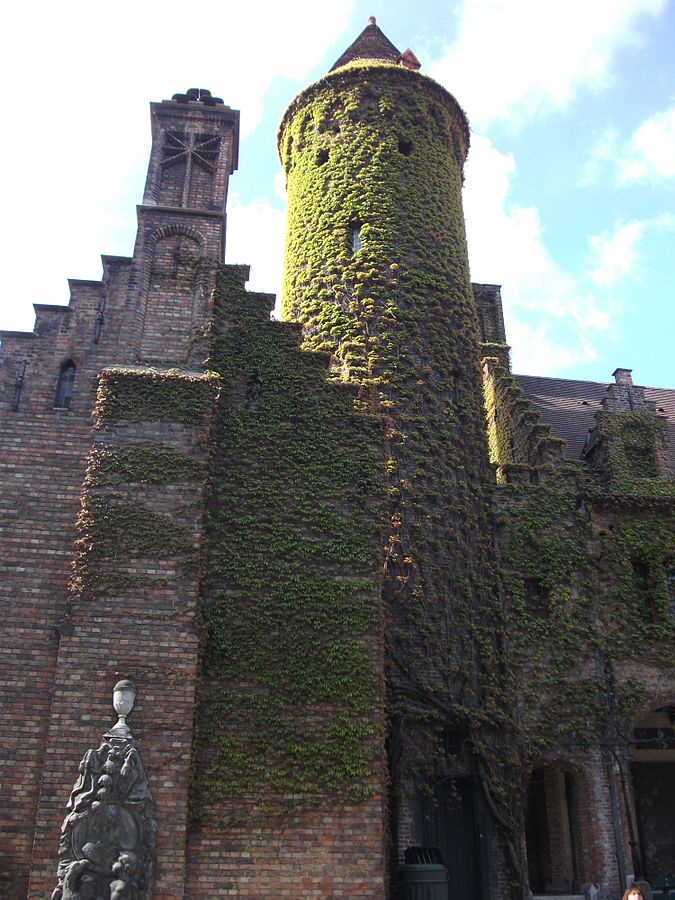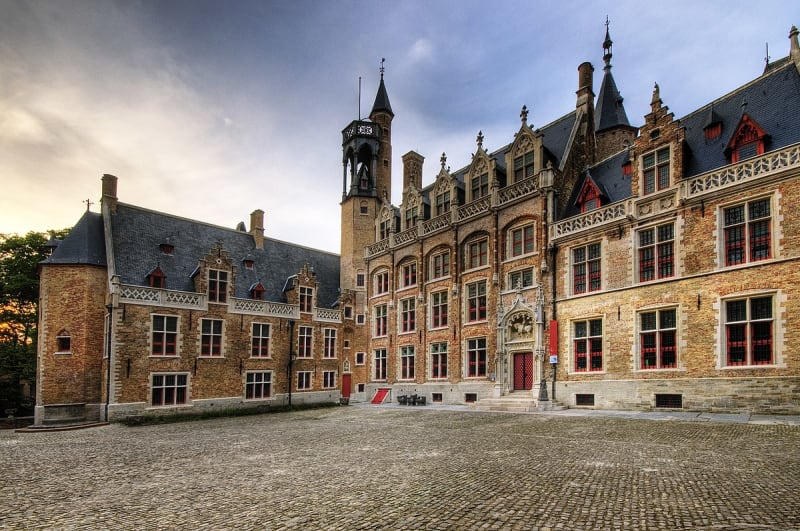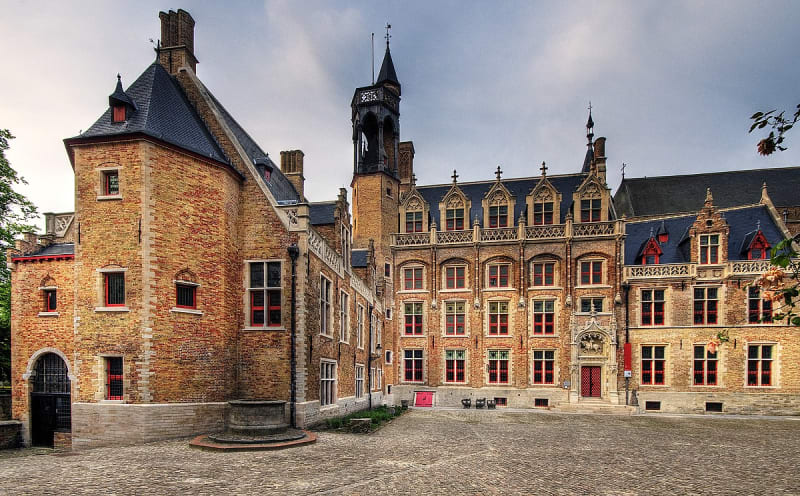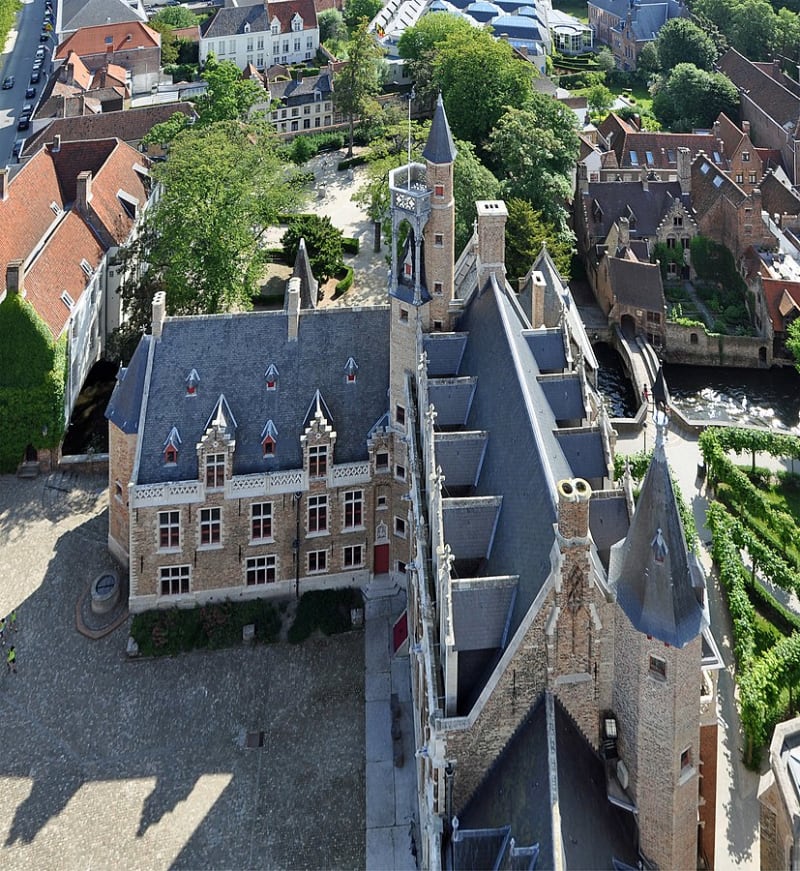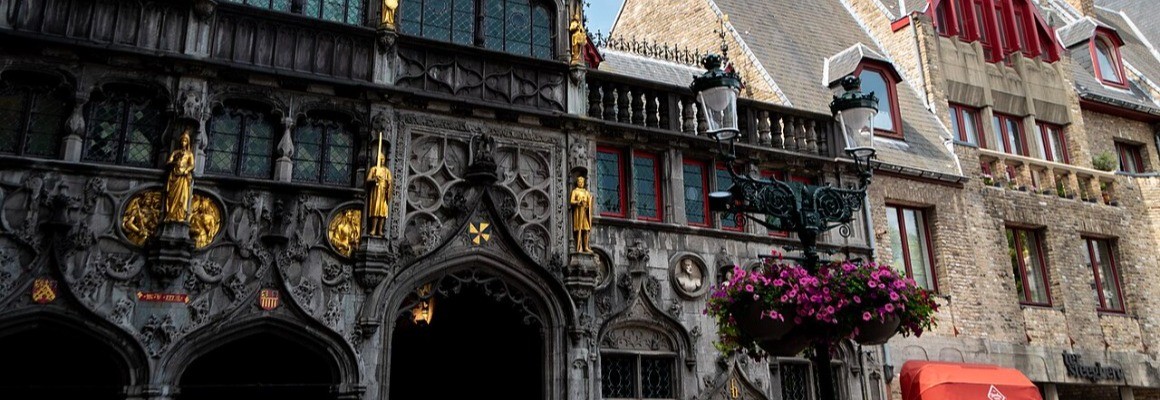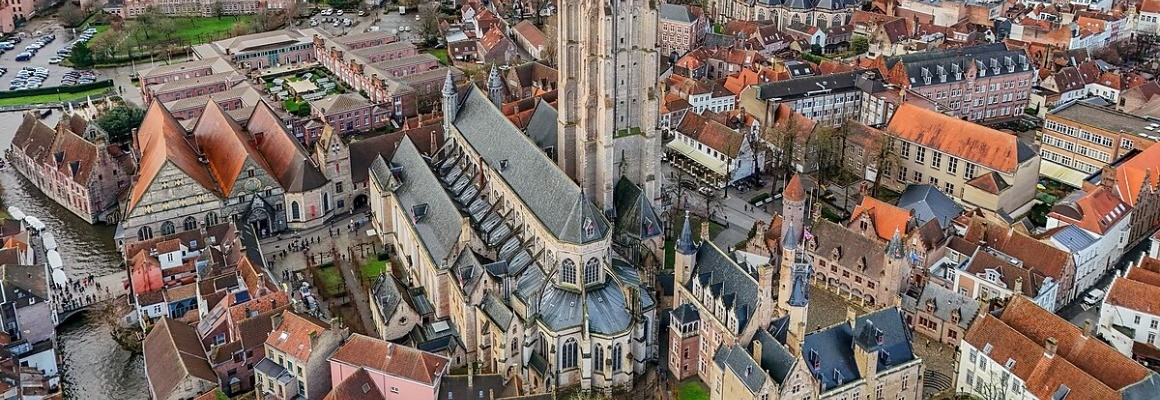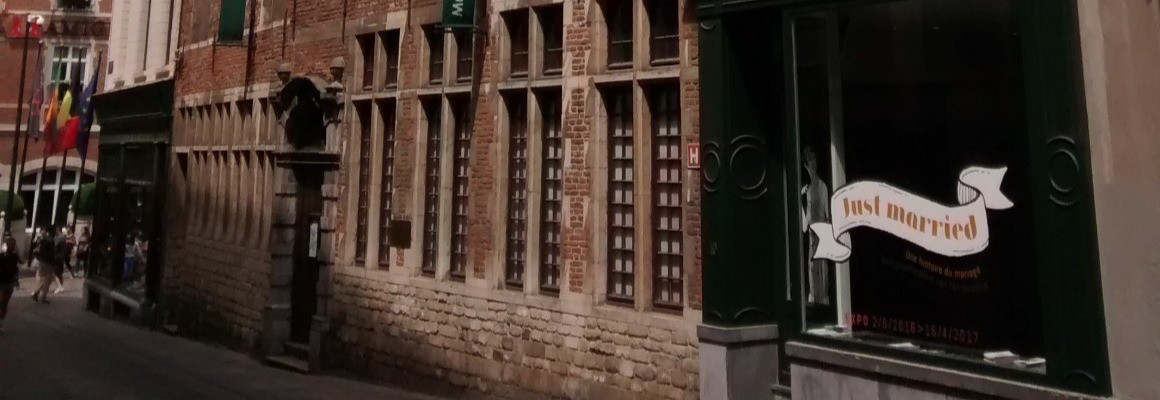

The Grüthuse Museum is located in the palace of the same name and contains a collection of exhibits dating from the 15th to the 19th centuries. This is the pride of ancient Bruges. The attraction is open to the public every day seven days a week from 9:30 to 17:30. Not only residents of Belgium come here, but also travelers from other countries.
The history of the Grüthüze Museum
It is located in the family city palace of a very wealthy family. In the 15th centuries, the Grüthüzes were producers of a fortified drink based on herbs and hops, the drink had a tonic effect and was in great demand. Initially, the family had a different surname, but after the success of the drink, it was changed to Gruchthuse.
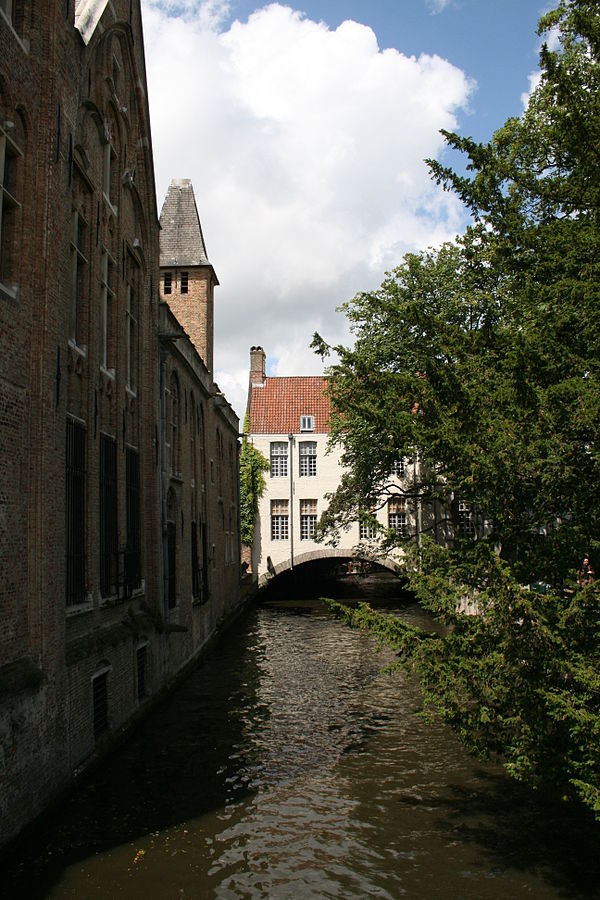
One part of the large family house was given over to production. The ingredients for making the drink were brought here by river. Herbs were unloaded from boats directly from the water and lifted into the house. To track supplies, a small window was provided in the facade of the house, which provided an excellent view of the water. The residential part of the house was equipped with private rooms, halls and a reception room, utility rooms, a kitchen and a pantry for supplies. On the south side of the building, the owners made an extension, its windows looked directly onto the altar of the Church of the Mother of God. Thus, the family could participate in church services without leaving home.
The owners of the mansion belonged to the guild of the Order of the Golden Fleece and were also trusted by the Dukes of Burgundy, and held a prominent position in the city. In 1596, after the death of the head of the family, the family mansion was bought from his widow by King Philippov 4, and placed at the disposal of a charitable foundation.
At the end of the 19th century, the city palace was acquired by the municipality of Bruges, and it was decided to organize the Grüthuse Museum there, for which restoration work was carried out for several years.
Features of the Grüthüse Museum
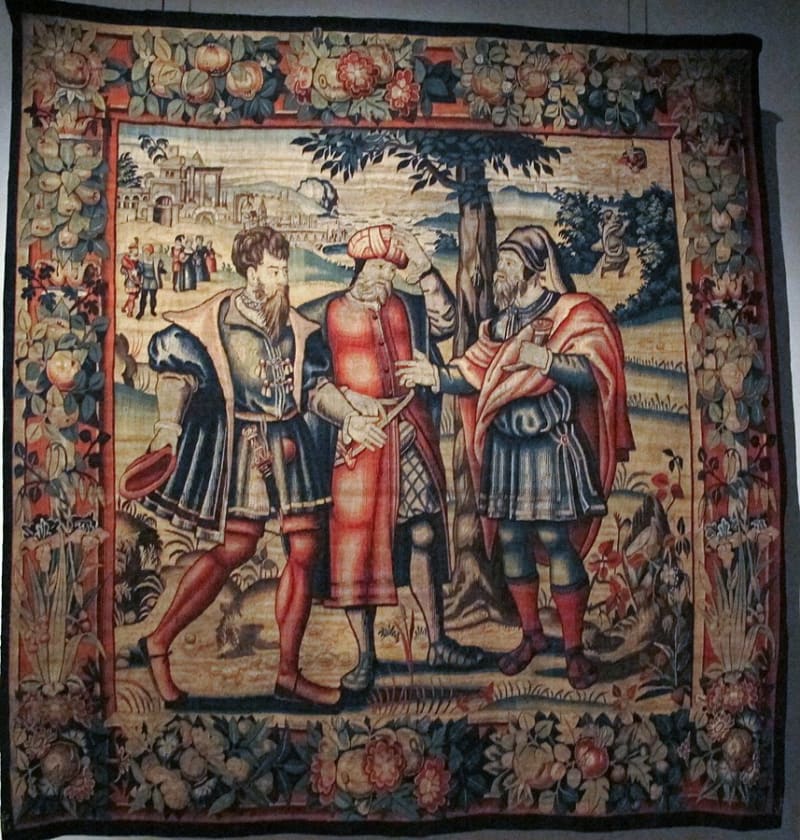
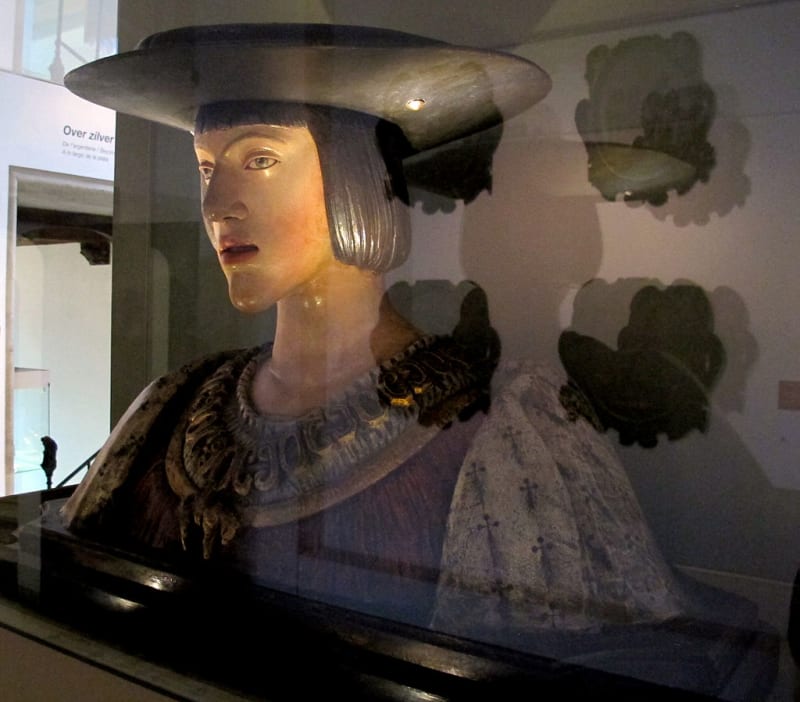
Initially, the main attraction of the museum was the archaeological collection, but later the collection expanded significantly with a wide variety of items ranging from furniture and tableware to paintings and wall tapestries.
The Grüthuse Museum is interesting as a monument of Gothic architecture, a mansion from the 15th to the 16th centuries, where wealthy merchants lived. It is filled with the spirit of that time, especially since the first restoration work began here during the time of universal interest in the Middle Ages.
Visitors to the Grüthuse Museum note the large number of exhibits and their diversity, as well as the fact that the mansion has very steep stairs, unusual for a modern person. In Bruges, they treat the preservation of their history with great respect and awe, another restaurant was held here very recently and the house is ready to receive guests again.
Gallery