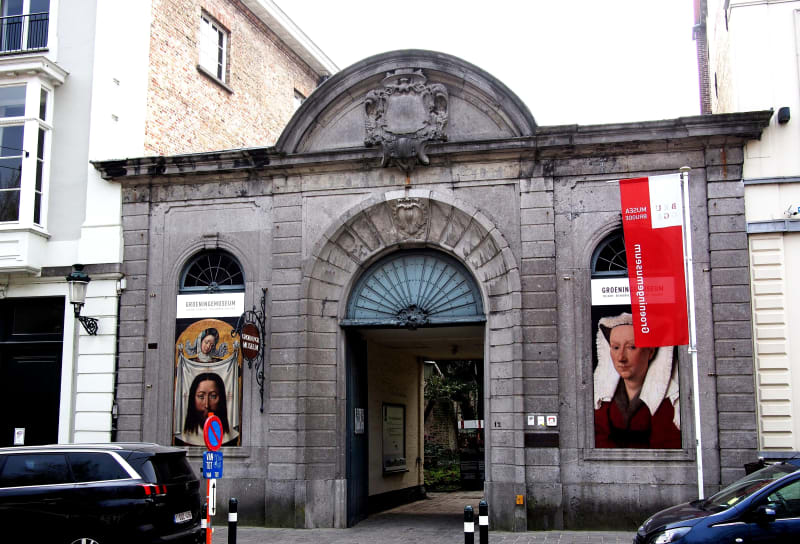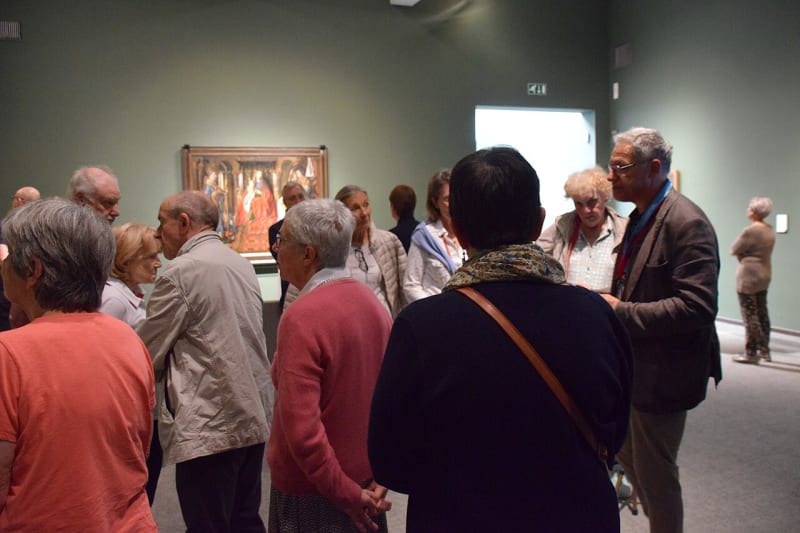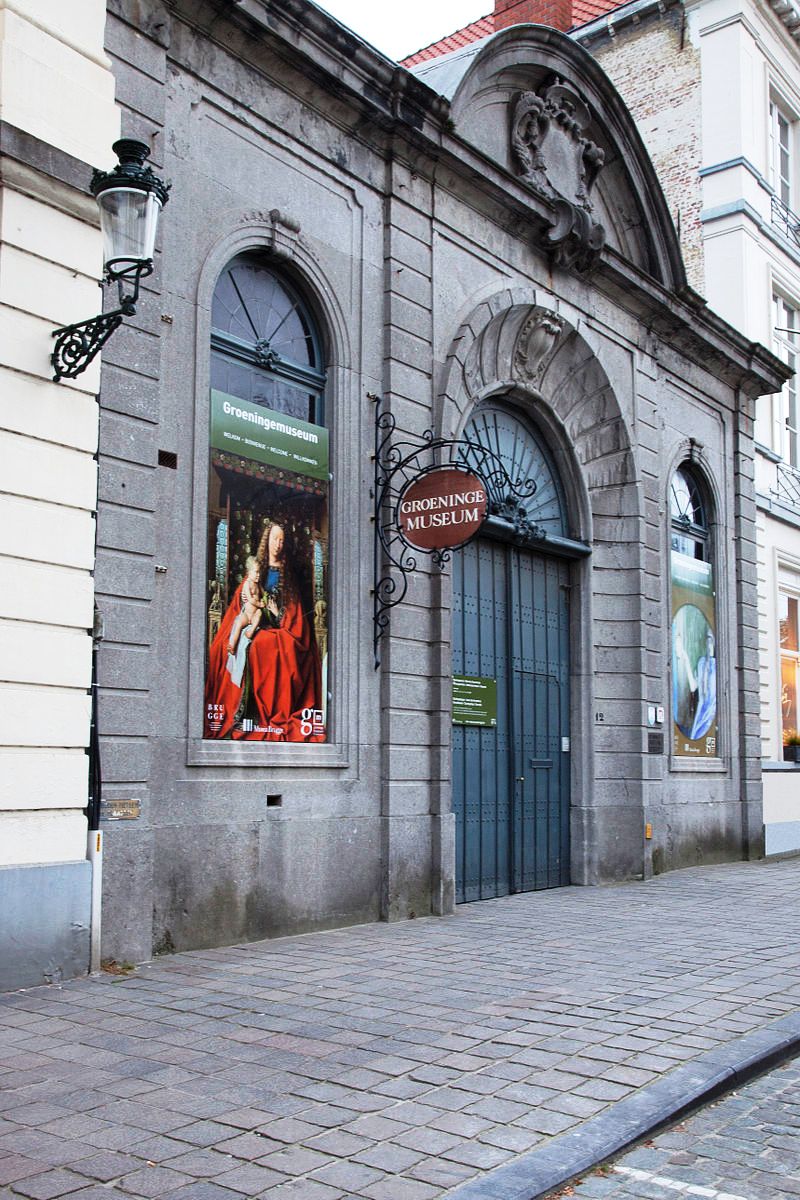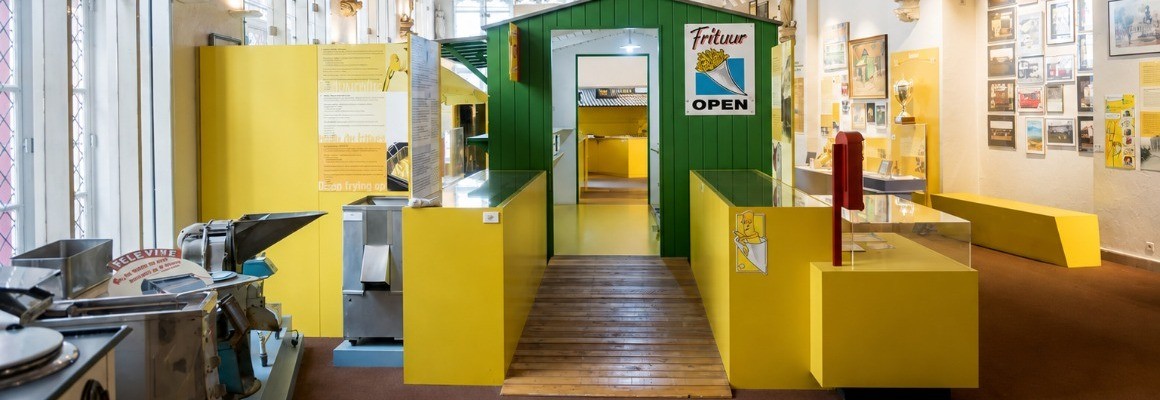

The Groening Museum is open on all days except Mondays and public holidays, and it is recommended to visit it with a guide or take an audio guide to the reception for a more complete immersion in the art world. Children under the age of 18 can enter for free. Adult citizens, along with the purchase of tickets, are invited to take a ticket to the local history museum for an additional fee.
General information
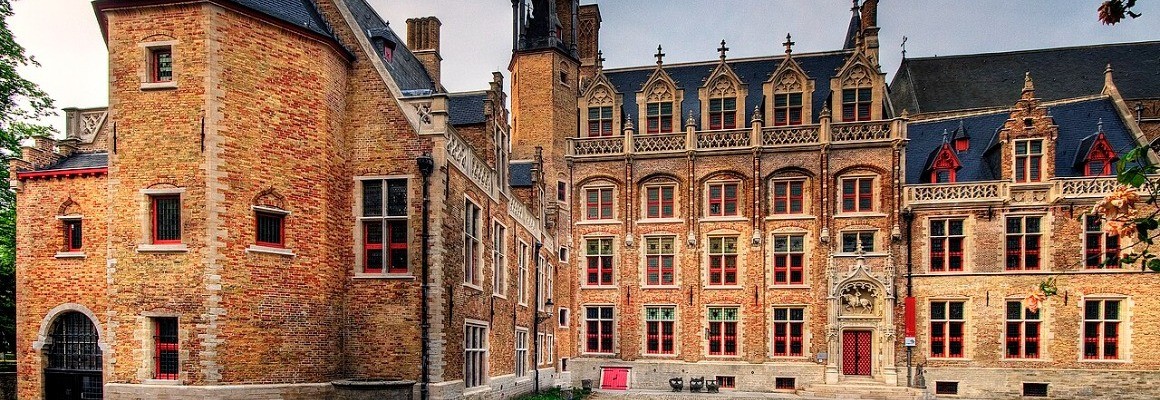
The Groening Museum building was specially designed and built for the needs of an extensive art gallery. The main building was opened in 1930, and various extensions appeared in 1994. There is enough light coming in through the large panoramic windows. There are also windows in the roof of the building, which allows you to view the canvases in natural light. In total, the Groening Museum has 15 different halls, and benches are set up for the convenience of guests. Most of the collection is formed by the local Academy of Arts. For all her students and almost all talented artists, there was a mandatory rule - to give a part of their creativity to the Academy as a tribute. It could be one canvas or several.
Main Features
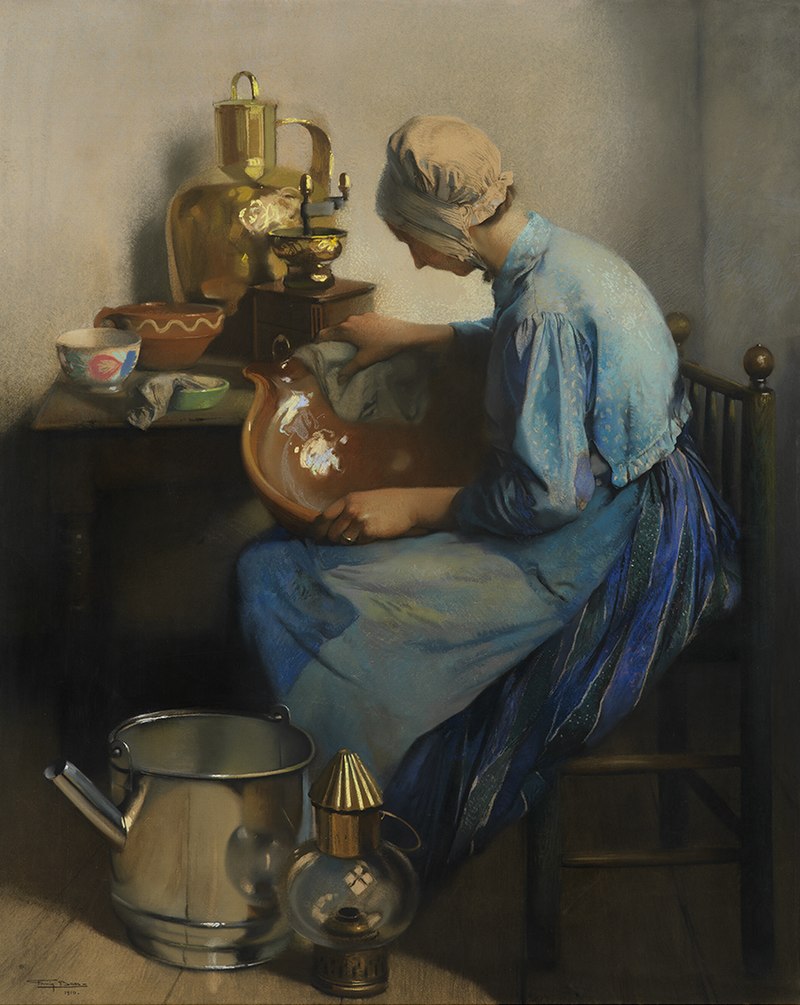
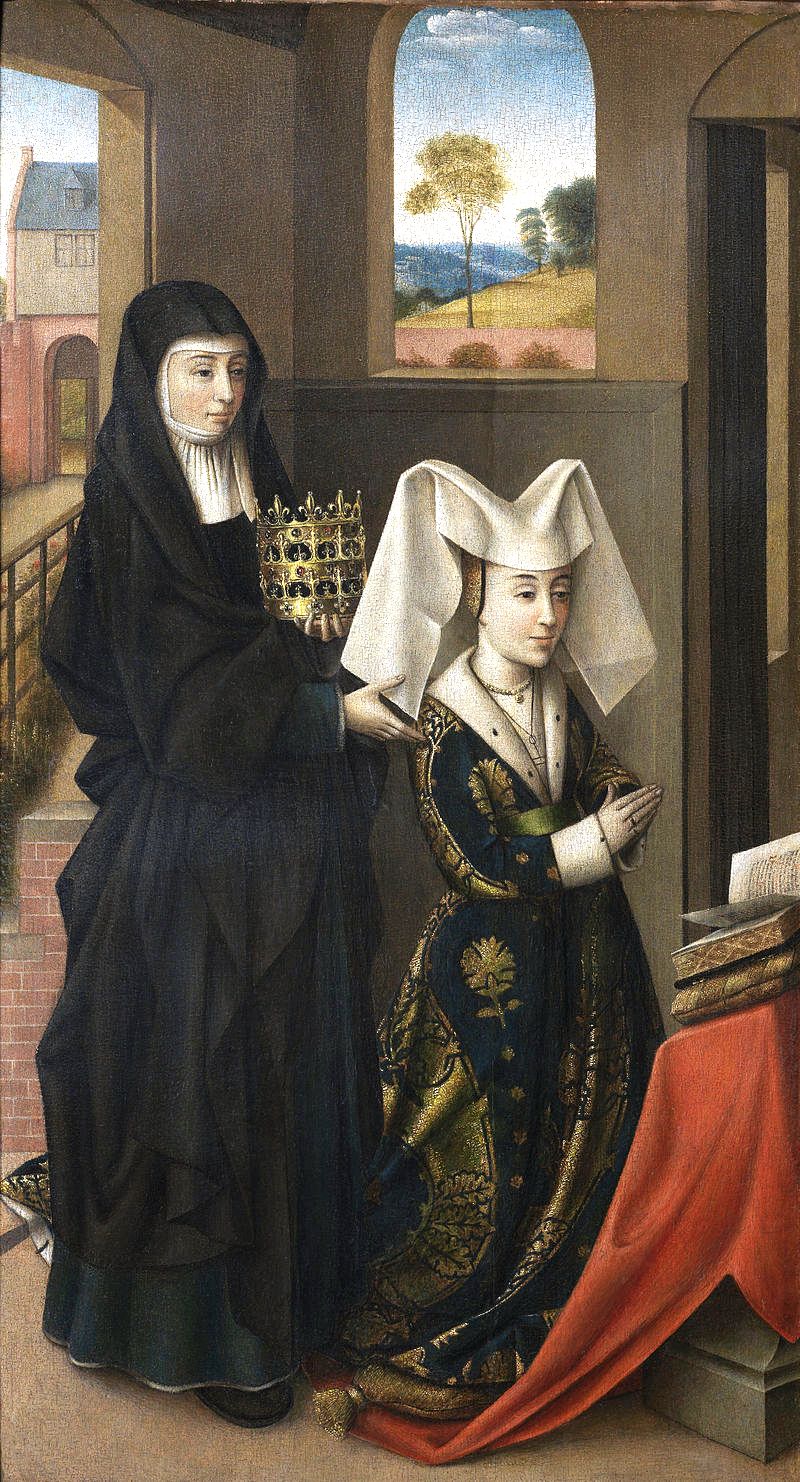
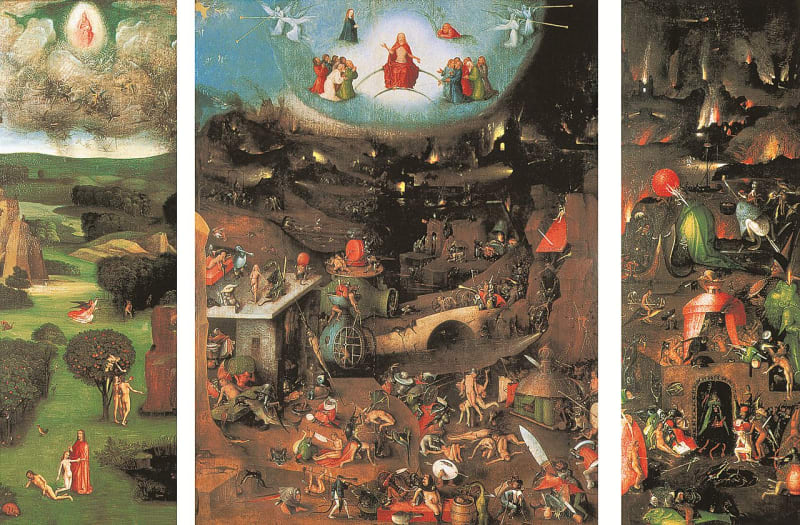
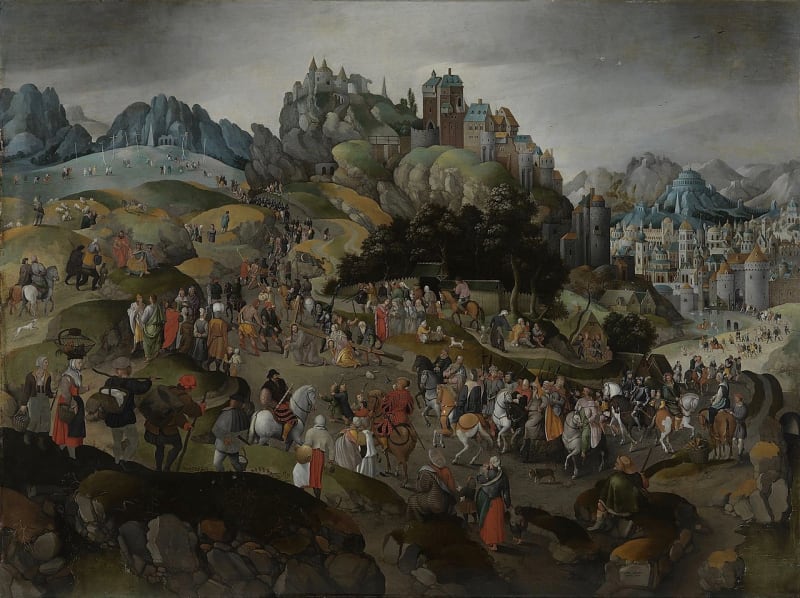
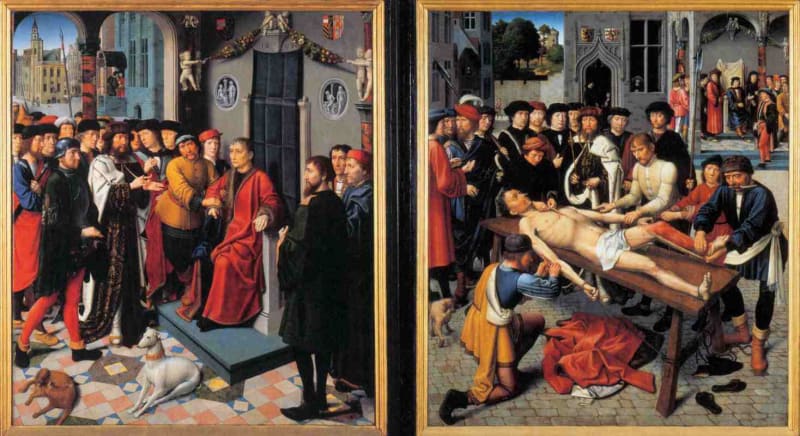
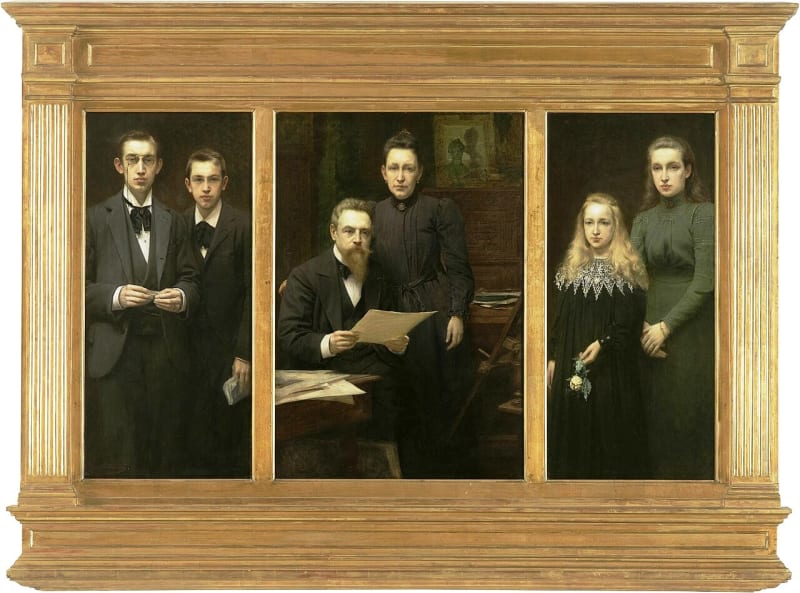
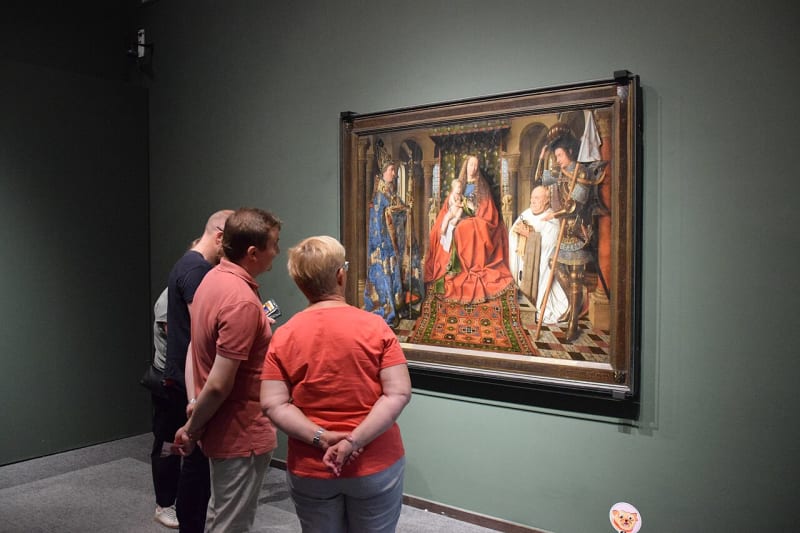
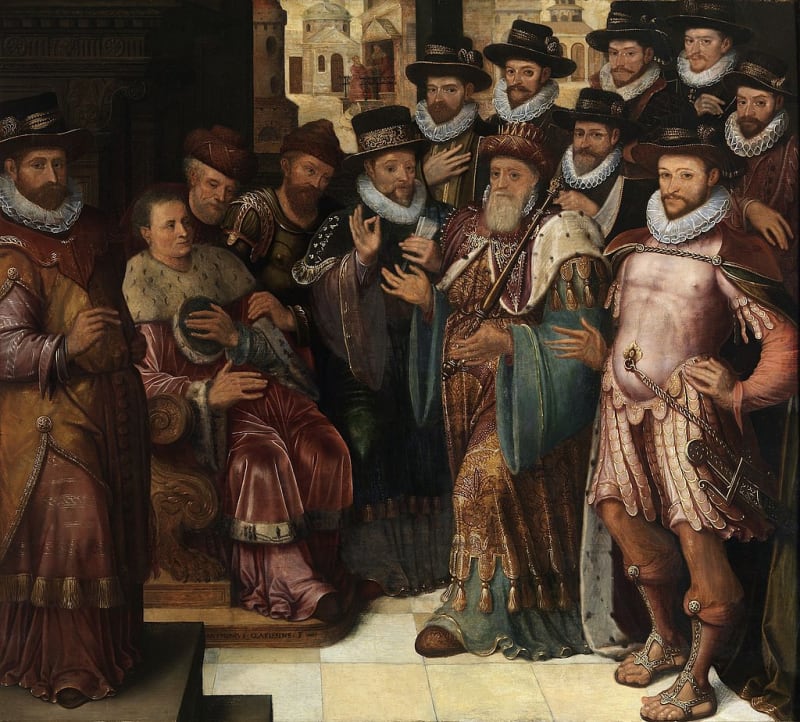
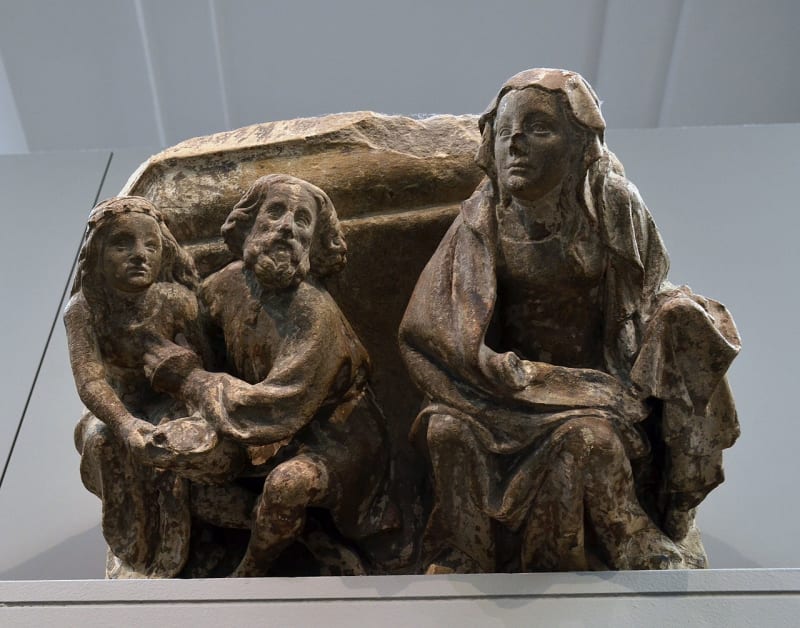
The Groening Museum consists of several parts: An extensive collection of paintings is on display in the main building. The permanent exhibition invites visitors to join the work of Frank Brangwyn, who was born and worked in Bruges, there are works by Van Eyck and Bosch's The Last Judgment (the painting has its own guards, it is forbidden to touch it, as well as to approach an unsafe distance for the canvas). The Groening Museum pays special attention to the numerous works of painters from the 15th to the 16th centuries, which depict many biblical subjects. There are a large number of beautifully painted portraits.
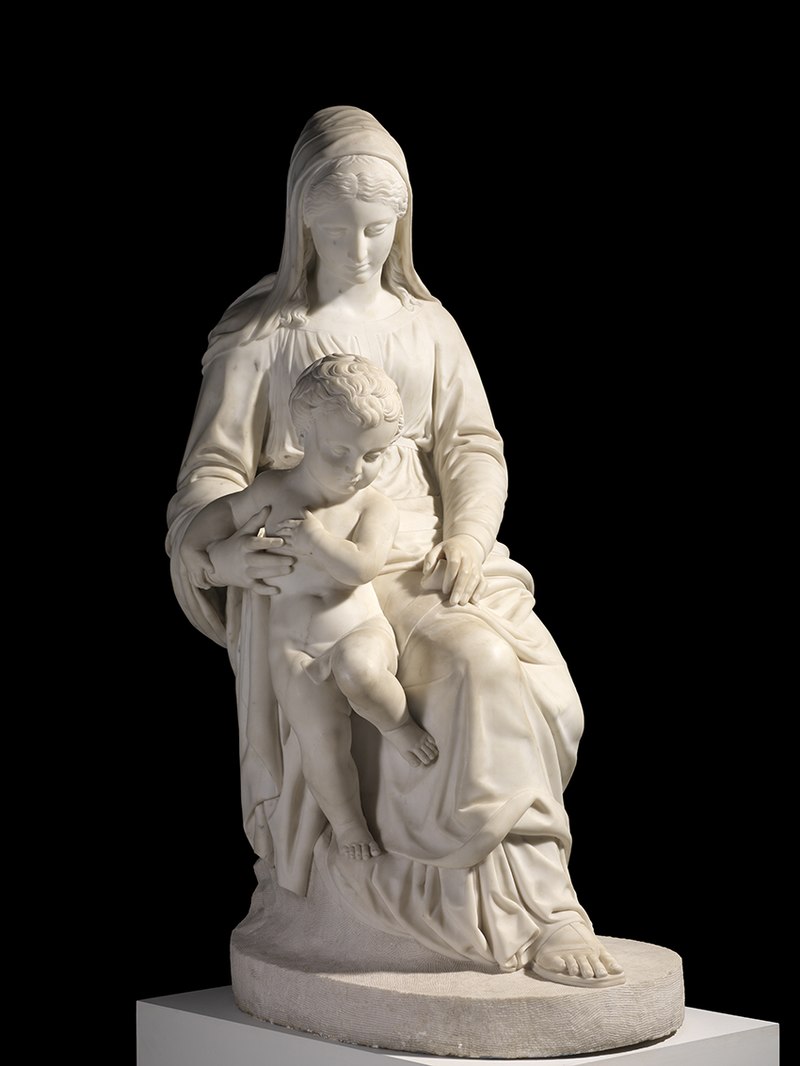
Another part of the Groening Museum is dedicated to works closer to us in the 19th and 20th centuries. Here they are mixed by styles, authors, and periods of appearance. In the third part of the museum, guests are invited to examine pieces of furniture, decor, and paintings by various authors and periods of history. In one of the courtyards of the landmark, there is a cultural composition "The Four Horsemen of the Apocalypse", its author is Rick Puth.
Gallery