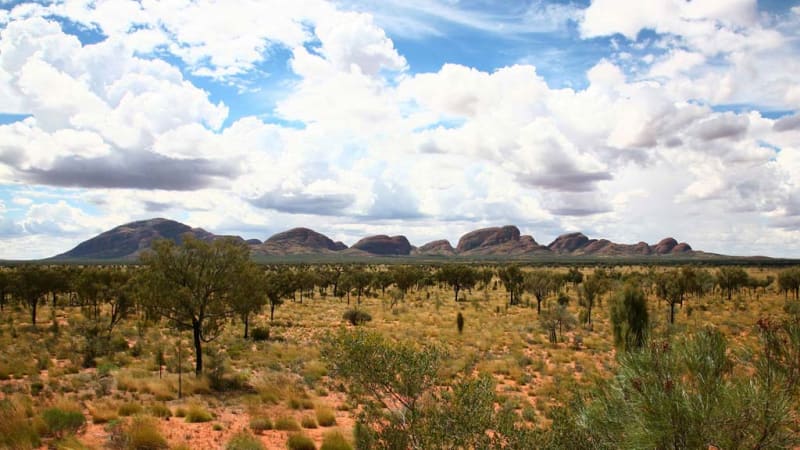
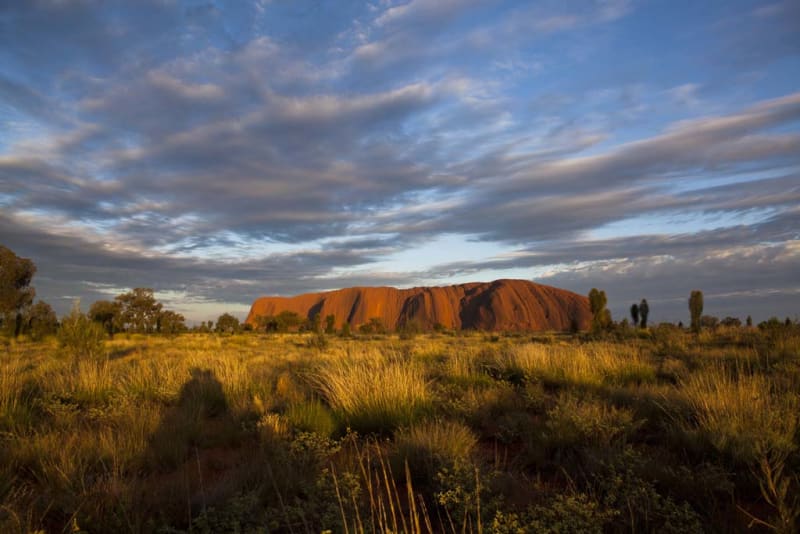
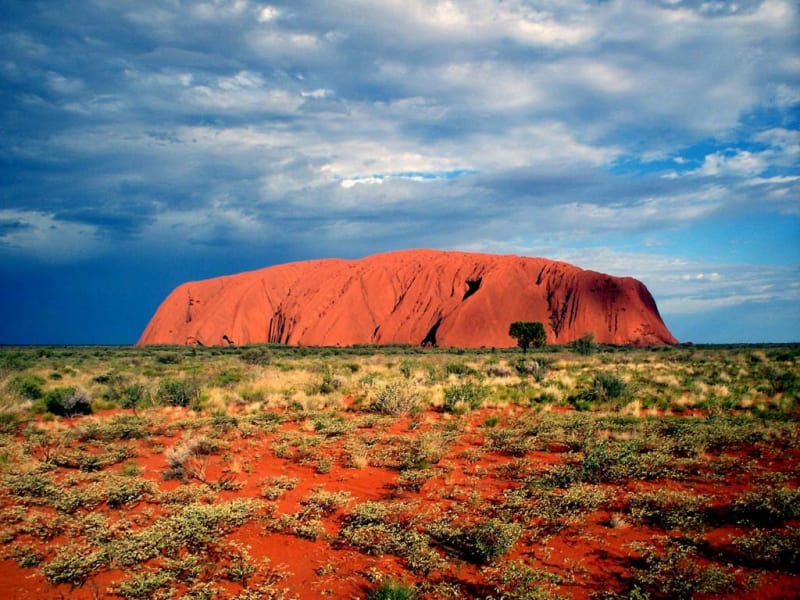
Uluru-Kata Tjuta National Park is one of Australia's best-known natural landmarks, located in the arid landscapes of the Northern Territory in the country's Red Centre. The park is famous for Uluru, a massive sandstone monolith, and Kata Tjuta, a group of rounded rock domes. At sunrise and sunset, the formations can appear in striking shades of orange and red.
The area is important not only for its geology but also for its cultural heritage. It is the ancestral country of the Anangu people, who have maintained deep spiritual and cultural connections with the land for thousands of years. A visit offers insight into the Australian Outback, Indigenous traditions and the fragile ecology of desert environments.
History and significance of the national park
The national park was established in 1958 to protect Uluru and Kata Tjuta. Its management later developed around a partnership between the traditional owners, the Anangu, and Australia's national parks authority. In 1985, ownership of the land was formally returned to the Anangu, and the area was leased back for park management.
Uluru and Kata Tjuta hold exceptional cultural significance. Anangu knowledge and traditions include Tjukurpa, a system of stories, laws, responsibilities and teachings connecting people with the land. Some places and knowledge are sacred, so visitors should respect restrictions on access and photography.
Uluru: the iconic sandstone monolith
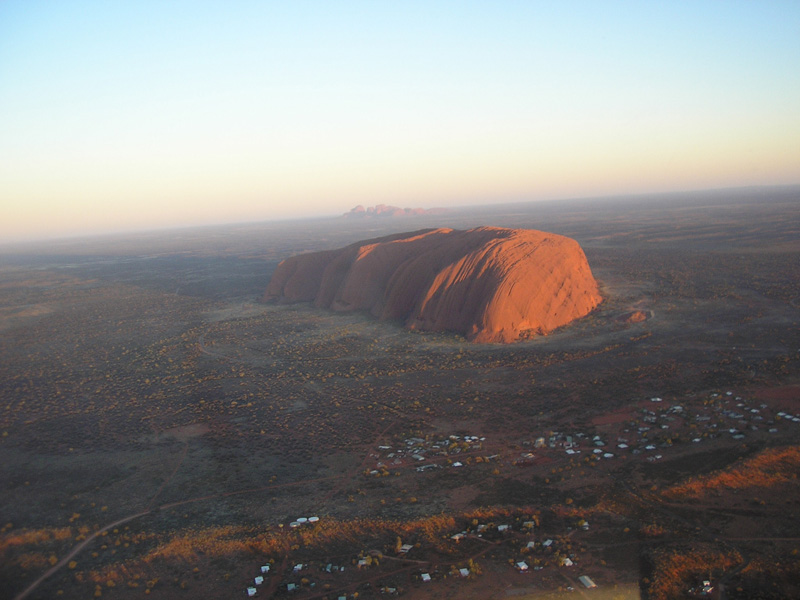
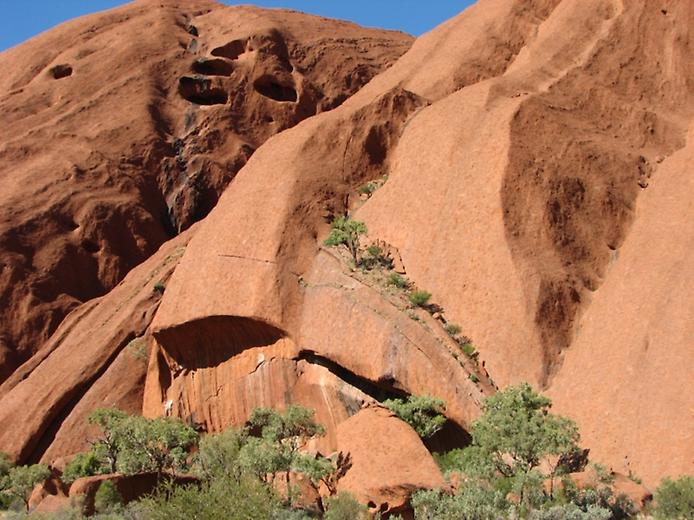
Uluru rises approximately 348 metres above the surrounding plain. Much of its formation extends underground, meaning the visible rock is only part of a much larger geological structure. Cracks, caves, hollows and erosion features have developed over millions of years.
The rock is renowned for its changing colours. When the sun is low, iron-bearing minerals on the surface can appear bright red and orange; around midday, the colours are often more subdued. Walking routes around the base reveal geological features and places of cultural importance to the Anangu.
The rock domes of Kata Tjuta
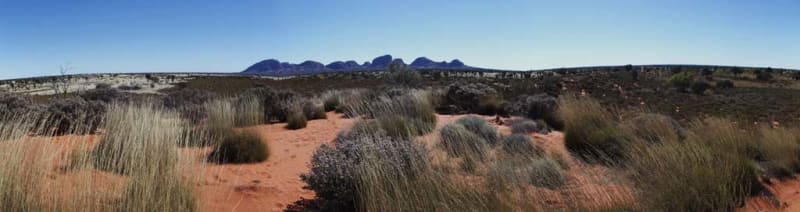
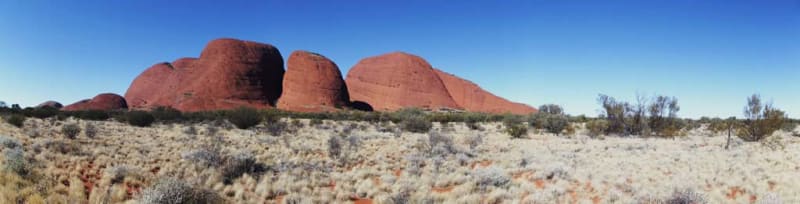
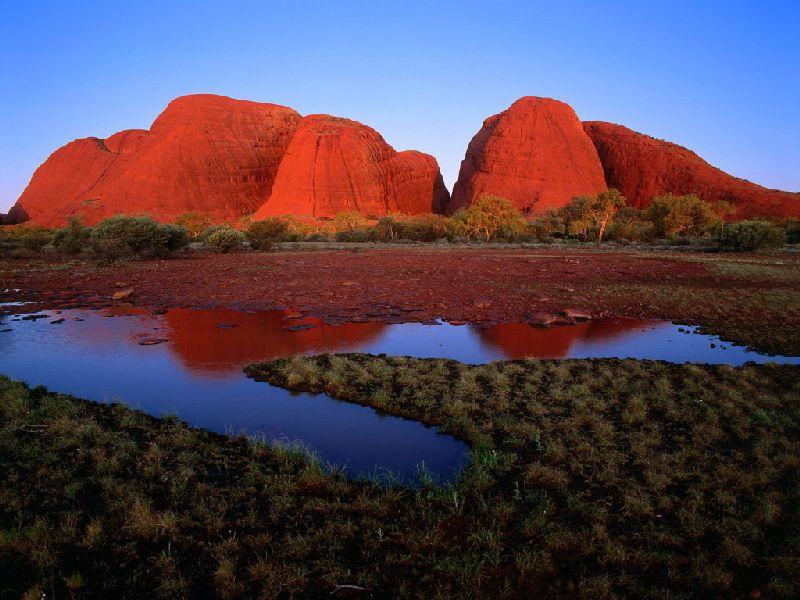
Kata Tjuta, often translated as “many heads,” consists of 36 large rock domes. Located about 30 kilometres west of Uluru, the formations create one of the most distinctive landscapes in Central Australia. Deep valleys and narrow gorges separate the rounded domes.
Walking tracks lead through the valleys and between the formations. The Valley of the Winds walk is particularly popular for its views across the domes and surrounding desert plain. The route can be demanding, and access may be restricted during periods of extreme heat for visitor safety.
Desert environment and wildlife
Despite the arid climate, the park supports a variety of plants and animals adapted to limited water and wide temperature fluctuations. After rainfall, desert plants may flower quickly, transforming the usually muted landscape. Acacias, shrubs and grasses provide food and shelter for native wildlife.
Kangaroos, echidnas, reptiles and many bird species live in the wider Uluru area. Some animals are most active during cooler hours, while others shelter in rock crevices during the heat of the day. Visitors should never feed wildlife, leave marked tracks or abandon food waste.
Anangu culture and living heritage
For the Anangu, Uluru and Kata Tjuta are not simply geological landmarks; they form part of a living cultural landscape. The area is connected with ancestral stories, ceremonies, traditional knowledge and responsibilities towards the environment. Some sites have specific cultural significance and may be closed to visitors or photography.
The Uluru Cultural Centre introduces visitors to Anangu traditions, local art and principles of caring for Country. Tours led by local guides can deepen understanding of the landscape and explain why the park is both a natural wonder and a place of continuing cultural life.
Things to see and do
Highlights include walking around the base of Uluru, watching the changing light on the rock and exploring the trails at Kata Tjuta. Many visitors arrive at designated viewing areas before sunrise or near sunset, when the colours and shadows are particularly striking. Check travel times and access conditions in advance.
Visitors can also explore the cultural centre, join guided walks and learn about desert plants, animal tracks and local ecology. Trail access can change with temperatures, weather and park management decisions, so check current alerts before setting out.
Best time to visit
The cooler months, particularly May through September, are generally more comfortable for walking. Days can be pleasant for exploring, although mornings and evenings may be cold. Summer, from December to February, can bring extreme heat, and some walking routes may close during the hottest hours.
Conditions in Central Australia can change, and rainfall may temporarily affect roads and trails. Carry sufficient water, use sun protection and follow park warnings in every season. For longer walks, assess the difficulty and allow enough time to return safely.
How to get to Uluru-Kata Tjuta
Yulara, the nearby resort community, is the main visitor base for the park. Connellan Airport serves the region with flights from selected Australian cities. Travelling by road is another option, but distances in the Northern Territory are substantial and services may be far apart.
Visitors commonly use rental cars, organised tours or transfers to explore the park. Before travelling, check entry arrangements, opening hours, park passes and current visitor regulations. Plan journeys carefully and carry water, especially when travelling during hot weather.
Visitor rules and conservation
Uluru is deeply sacred to the Anangu, and climbing the rock is prohibited. Visitors should remain on authorised tracks, follow signs and avoid restricted areas. Requests concerning photography at sacred sites should be respected as part of responsible travel.
Uluru-Kata Tjuta National Park demonstrates how Australia's natural heritage is inseparable from Indigenous culture. Respecting the land, following park rules and learning about local traditions help preserve this remarkable place for future generations.
Gallery