Nivki
Nivki Park is a monument of landscape art in Kiev. Nivki consists of the western and eastern parts, which are conditionally divided by the railway.
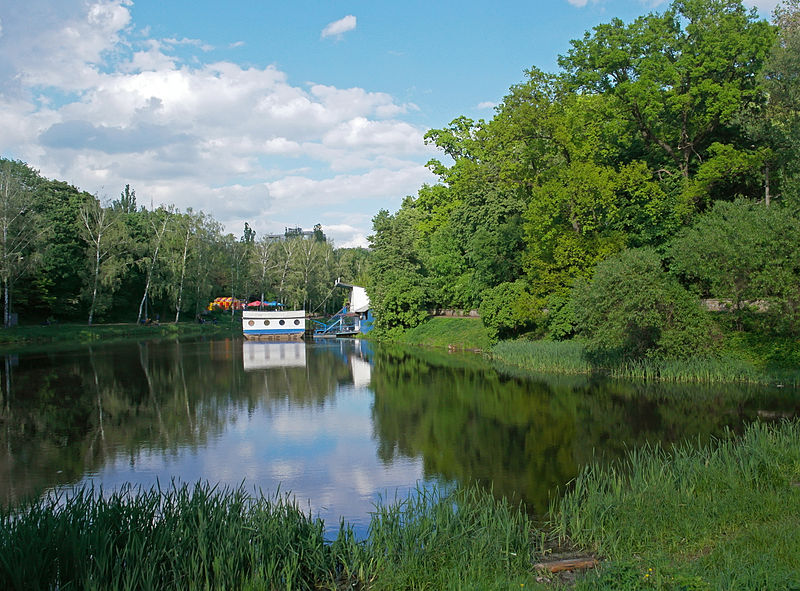
The park in this place was organized in 1972. During the time of the Russian Empire, these lands belonged to Governor-General Illarion Vasilchikov and were popularly called the "Vasilchikovskaya dacha". The cottage occupied an area of approximately 60 hectares, on which ponds, forests, hay meadows, gardens and a two-story mansion were located. After the general's death, his wife gave all the lands to the Holy Trinity Monastery, which she founded herself. After the October Revolution, the land was nationalized, but only in the 1930s did the party pay attention to it. The territory was fenced off with a large fence and a summer cottage was set up for the highest ranks of the party.
The cottage changed its name depending on the owner: the cottage of Lyubchenko, Kaganovich, Khrushchev, Korotchenko. In the 90s, the cottage fell into disrepair and was sold to private owners. Nowadays, the complex of party dachas is neglected, but in some back rooms they have equipped a restaurant and an art school. In 1962, the park was given to the city and everyone was allowed to visit. At the same time, the park was named "Park named after the XXII Congress of the CPSU", in 1972 it was given the status of a monument of landscape art and given the name "Nivki".
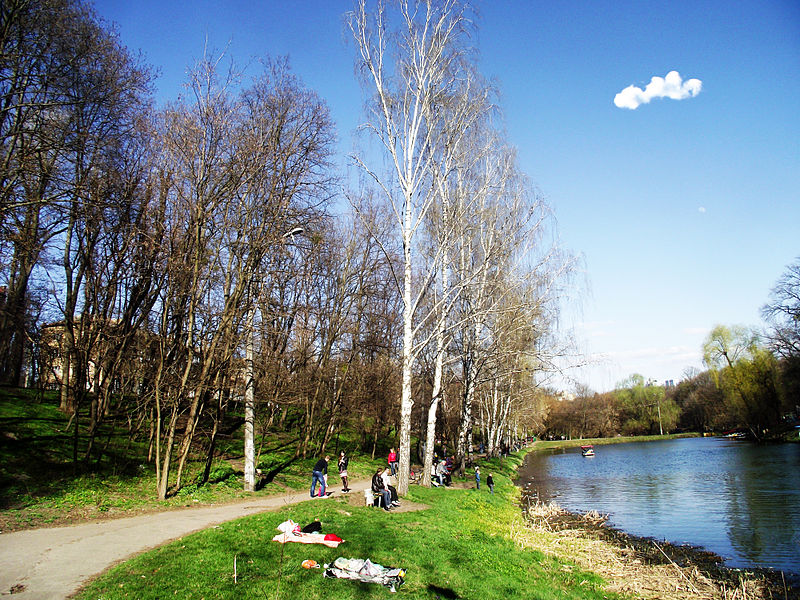
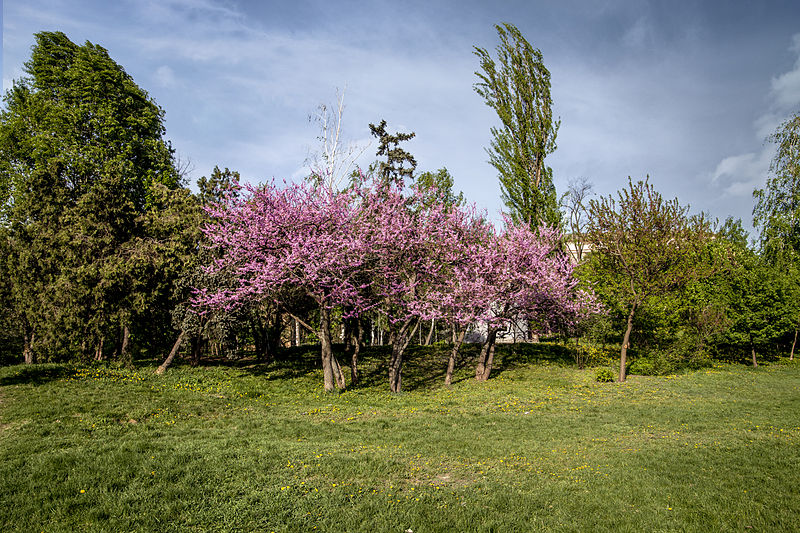
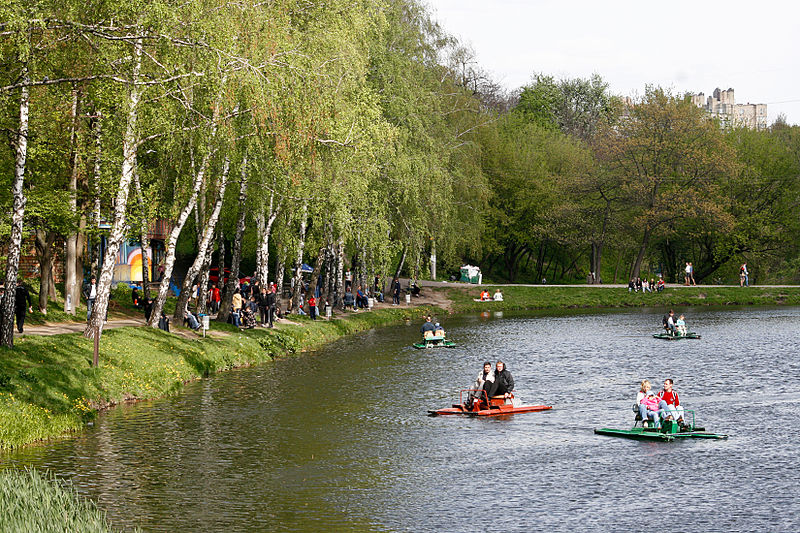
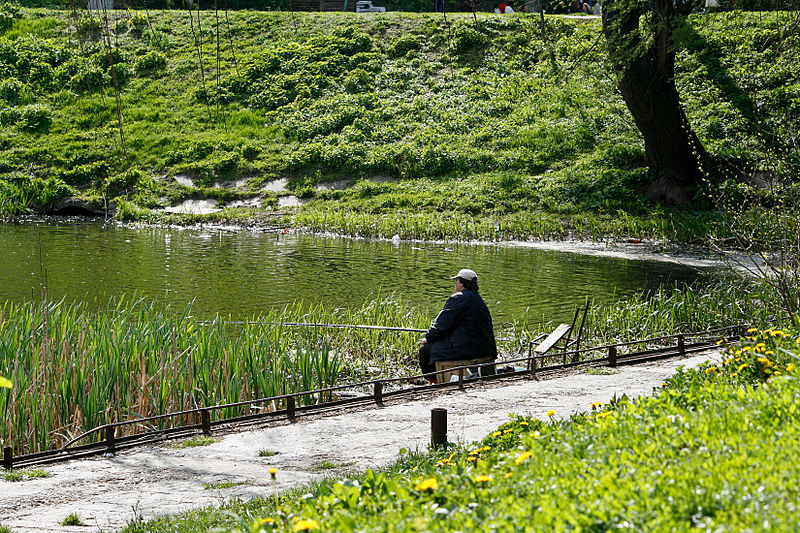
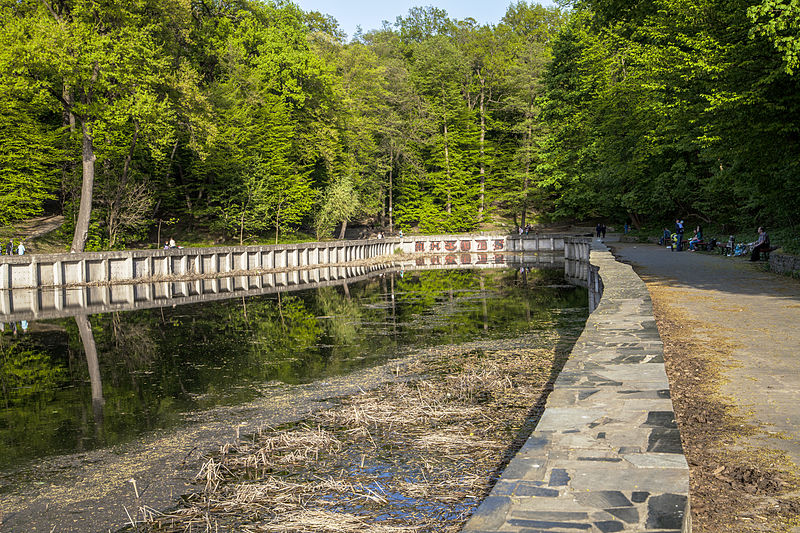
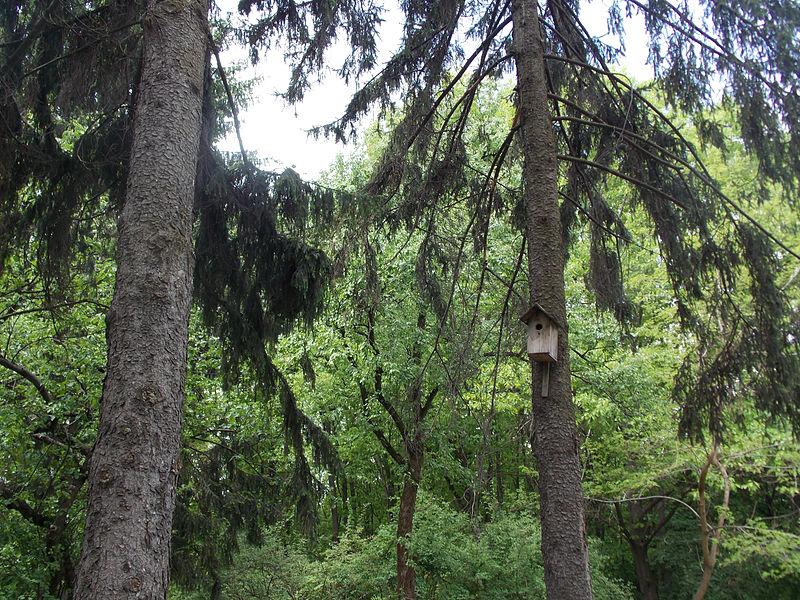
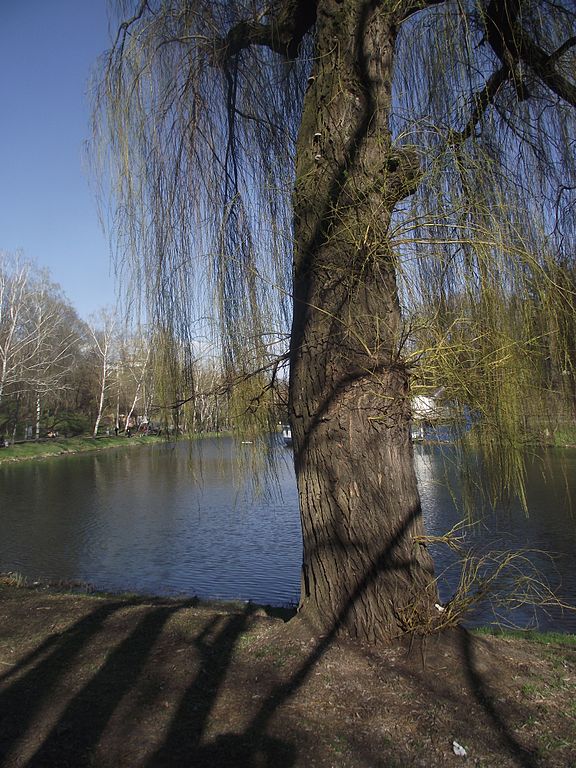
The eastern part of Nivki Park occupies an area of 45 hectares, which has ponds with a total area of 2 hectares. The Syrets River flows through Nivki Park, which is fed by several springs in the park, some of which have very clean water. Such a source beats at the Rubezhevskaya railway station. The landscapes of this part of the park can be divided into 4 groups: garden, meadow, regular and forest. Over 90 varieties of trees and shrubs grow in the park on an area of 30 hectares, among which you can see acacia, walnut, poplar, maple, birch, as well as fruit trees: apple trees, apricots, plums, sea buckthorn (in the former garden of General Vasilchikov). This part of the park is very well landscaped. There are attractions, playgrounds for children, and neat paths. The western part is the youngest, it began to be improved only in 1955 and was named Lenin Komsomol Park. Until recently, there was a monument to Komsomol members, which was demolished.