Bernardine Monastery
The Bernardine Monastery is a unique historical monument in Lviv. Nowadays, the monastery belongs to the Lviv State Historical Archive, and the church in the monastery is the property of the Greek Catholic Church.
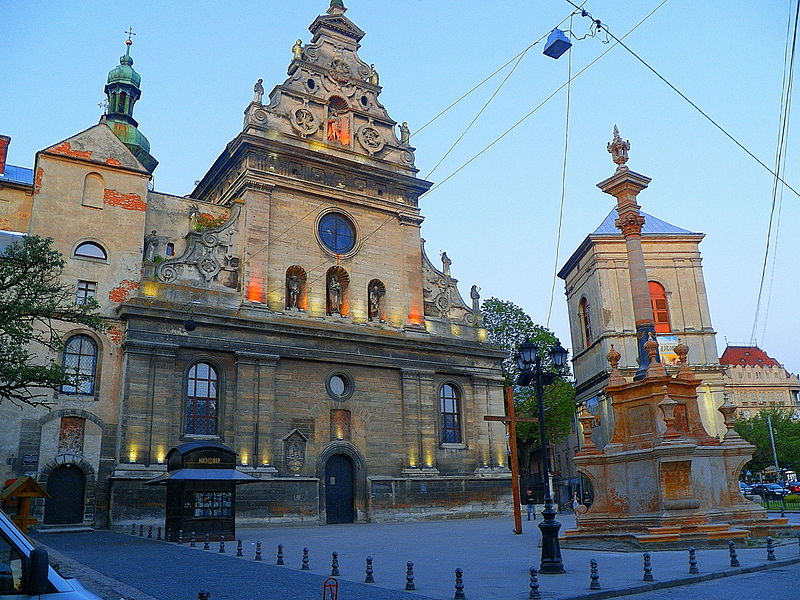
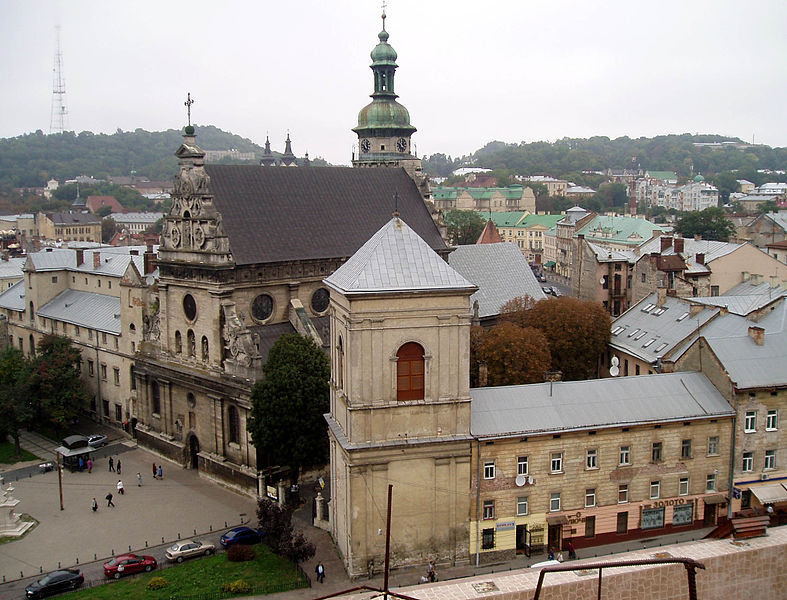
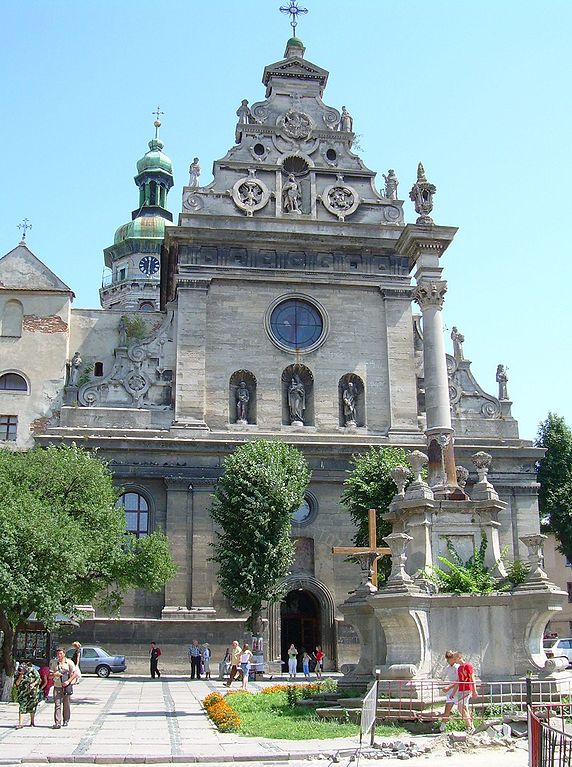
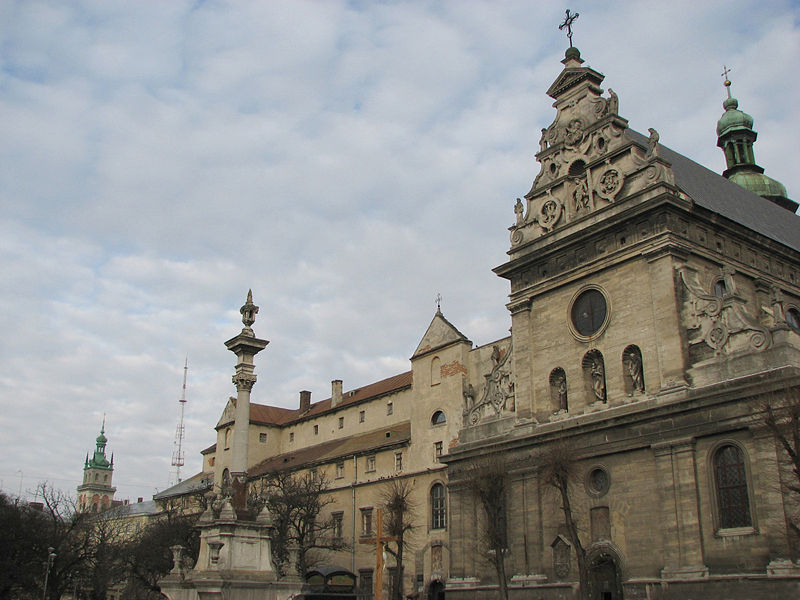
The Bernardine Monastery is essentially a powerful fortified bastion. This was because the monastery was located outside the city walls and needed fortifications to protect its property from enemy raids. The monastery was built around the 15th century, but the former building burned down several times and was rebuilt. In the 17th and 18th century, all the buildings in the monastery were replaced with stone ones. In 1600-1630, one of the main attractions of the monastery, the Church of St. Andrew, was built. At the same time, high walls with loopholes were erected. In 1618, the Glinyansky Gate, which is a closed courtyard in the form of a triangle, was erected nearby to defend the monastery. There used to be a moat in front of the wall, which was looked at by loopholes with cannons.
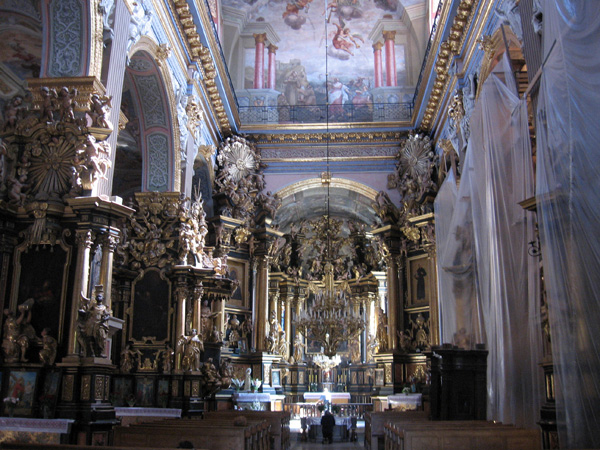
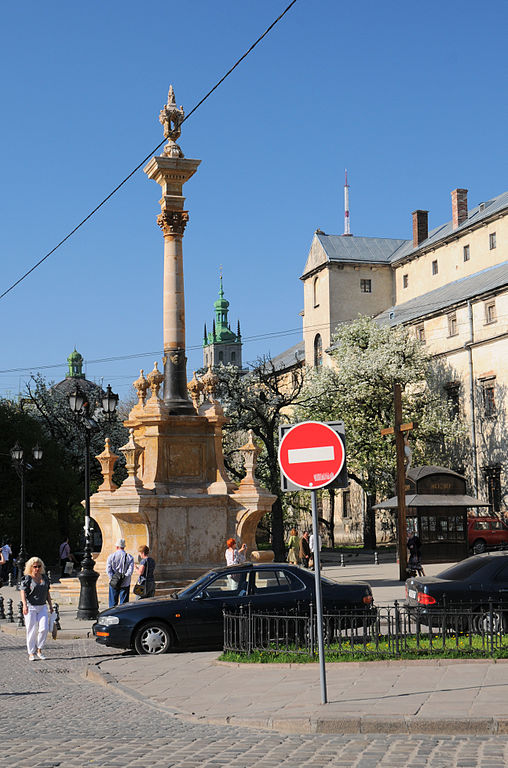
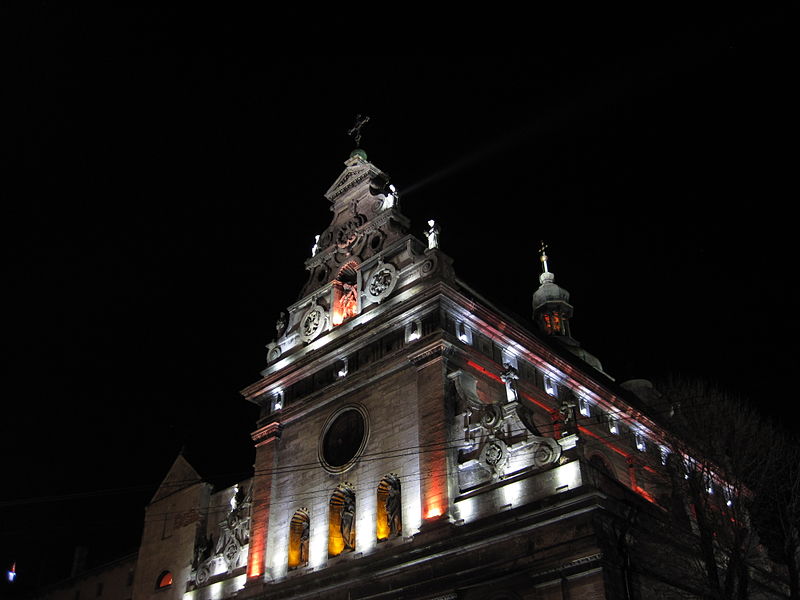
Previously, there was a statue of the patron saint of Lviv, Saint Jan of Dukla, in front of the church. Now there is a decorative column in this place. The church itself in the Bernardine Monastery began to be built in 1600, and the main works were completed 20 years later. The church was built using hewn stone in the form of a three-nave basilica. The lower part of the facade was executed in the spirit of the Renaissance. The architects of the building were Paul the Roman and Ambrosius the Benevolent. The facade is decorated with sculptures of revered saints from the Bernardine Order, on the 2nd floor you can see statues of the Apostles Paul and Peter, as well as a statue of the Mother of God. At the same time, cells for monks were being built. In 1738-1740, Mazurkevich and his assistants painted the interior walls of the church. In 1733, a bell tower was added to the defensive wall of the monastery.

The Bernardine Monastery is one of the most interesting sights of the lion of the 17th and 18th centuries, which combines all the advantages of the Renaissance and the subsequent Mannerism.