Haleakala National Park
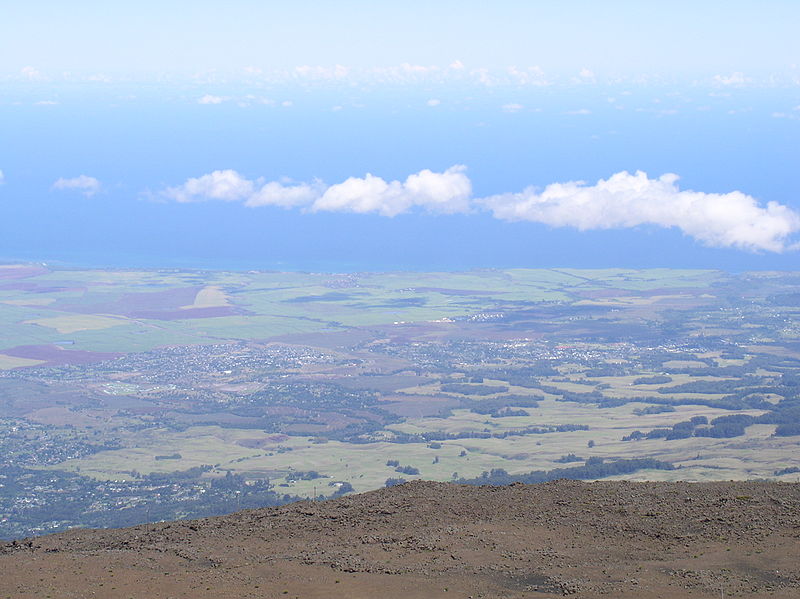
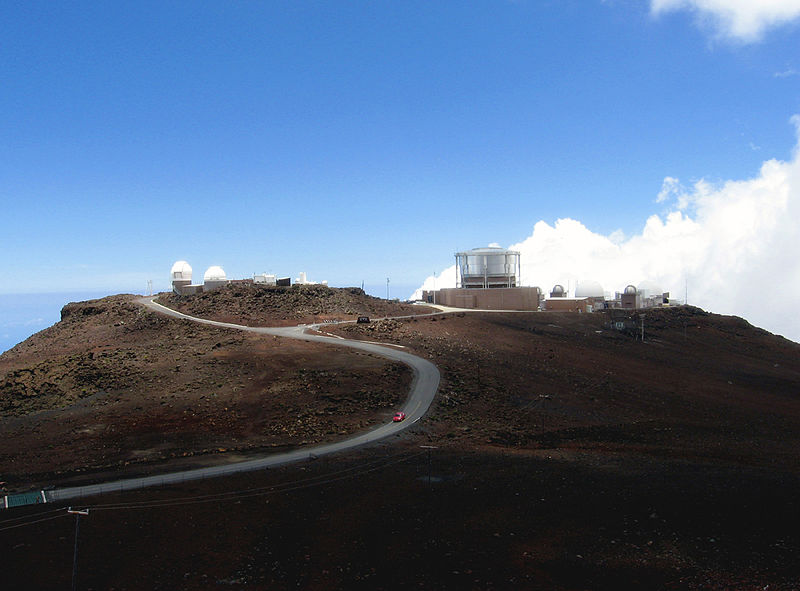
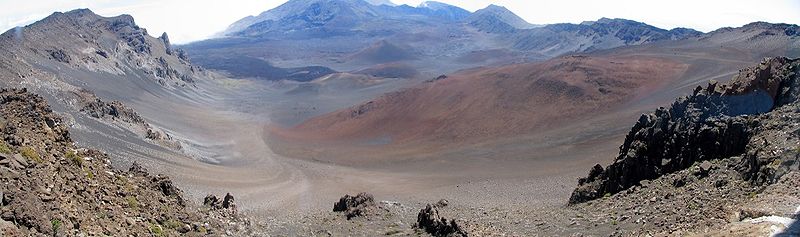
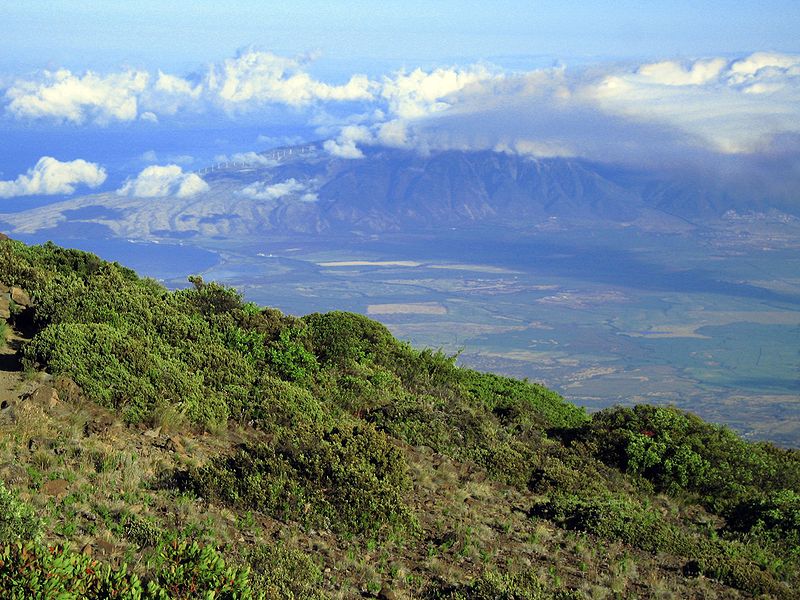
Haleakala is a national park in the United States, located in Hawaii. It was founded on an area of 118 km2. The park is known for its Haleakala volcano, which last erupted in 1790. Haleakala means "house of the Sun" in the language of the local populations. According to local legend, the demigod Maui imprisoned the Sun here to increase the length of the day.
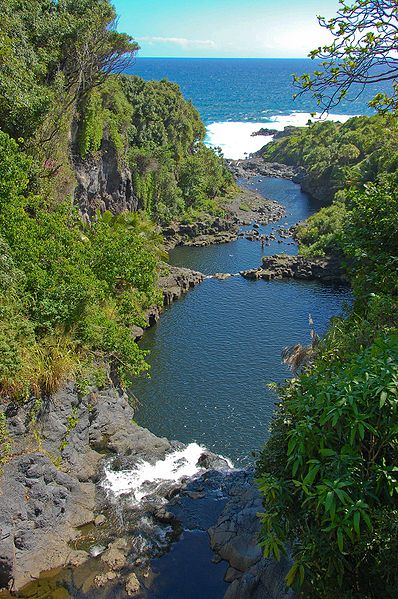
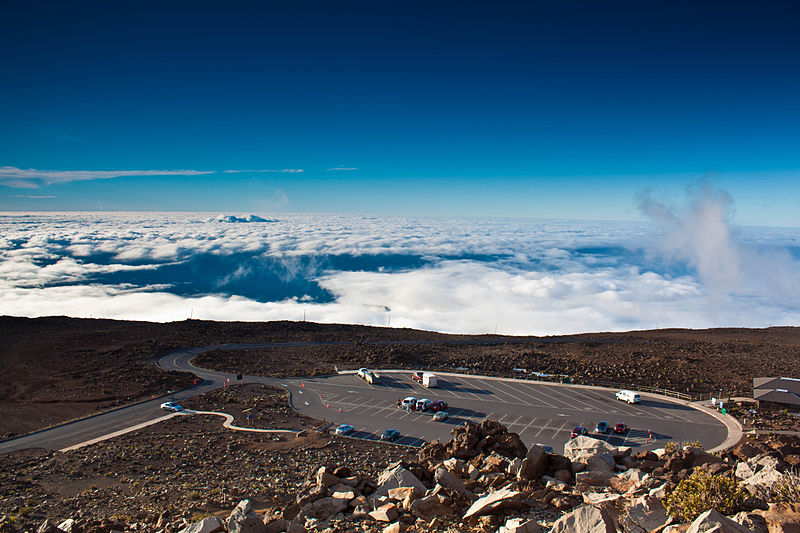
The park is divided into two parts: the upper zone and the coastal zone. The two sections of the park are visited by an average of almost one and a half million visitors per year. There are 2 main trails leading to the volcano's crater. Most people come here to look from the top at the stunning sunrise view, but even more people converge at sunset.
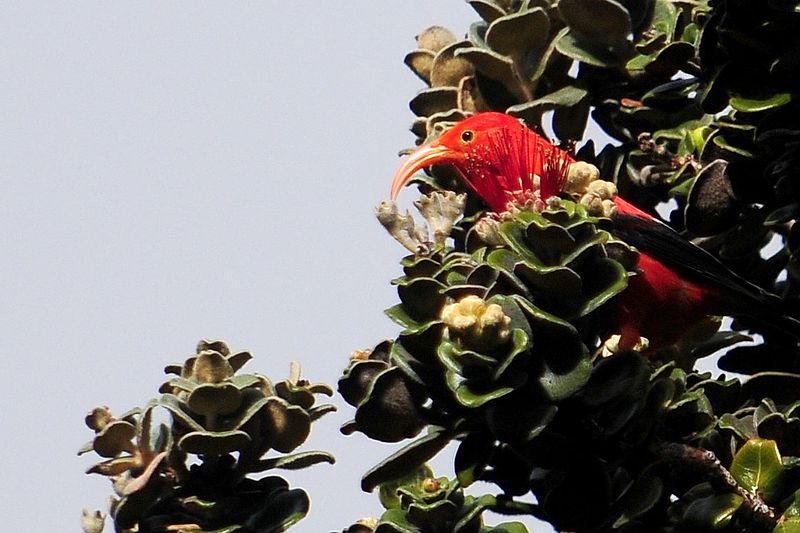
One of the attractions of Haleakala Park is the Hosmer Forest, which contains unique trees from other countries, including Himalayan cedar, suji from Japan, eucalyptus from Australia, as well as some species from North America. Native plants and trees are also present in the forest, but are not very common due to the low lighting, as the alien trees are very tall.
Haleakala is one of the best places in the United States for amateur astronomy, binoculars and telescopes are available for rent from many local merchants. With binoculars, you can watch Hawaiian geese in their natural habitat in the Haleakala Crater.