Sir Bani Yas
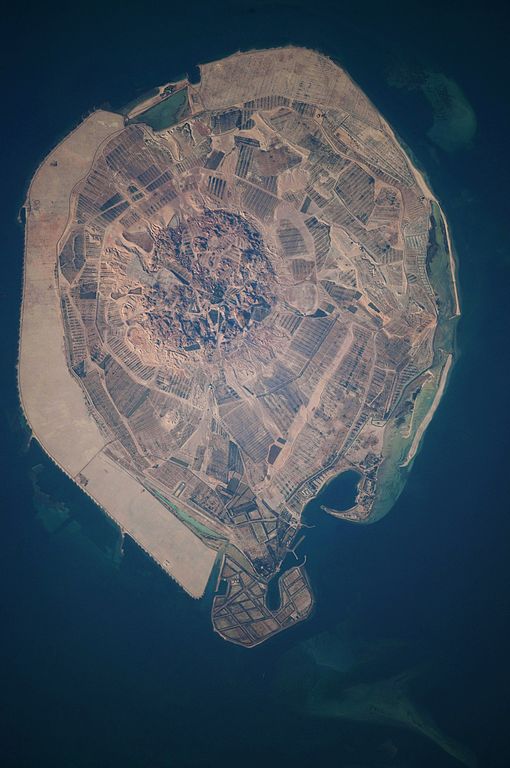
Sir Bani Yas is an unusual island reserve in the Persian Gulf with an area of 87 km2. It belongs to the UAE and is located 250 km from the capital of this state.
The name of the island, Sir Bani Yas, comes from the Bani Yas tribe, which first settled in Abu Dhabi. Sir Bani Yas is the crest of a salt dome created millions of years ago by natural geological forces. Today it is the largest salt dome in the world. The first settlers arrived several thousand years ago. This is evidenced by 36 archaeological sites discovered throughout the territory of Sir Bani Yas, each of which gives a clear picture of the island's history. One of the oldest monuments is the remains of a Christian monastery, which dates back to 600 AD. The church was opened to the public in mid-December 2010.
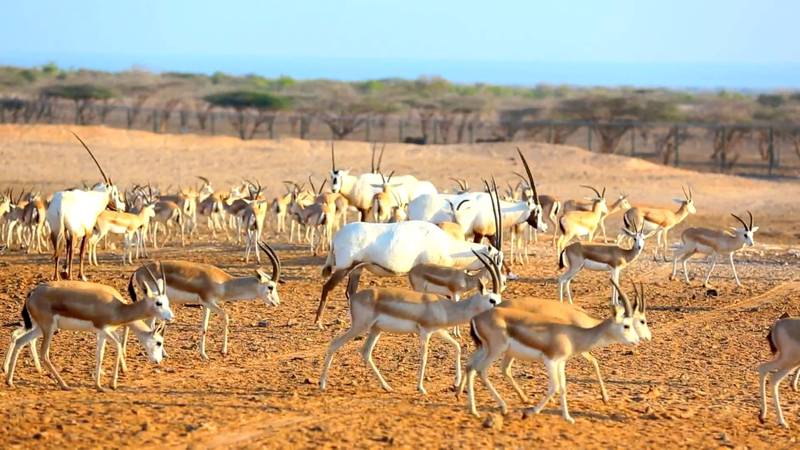
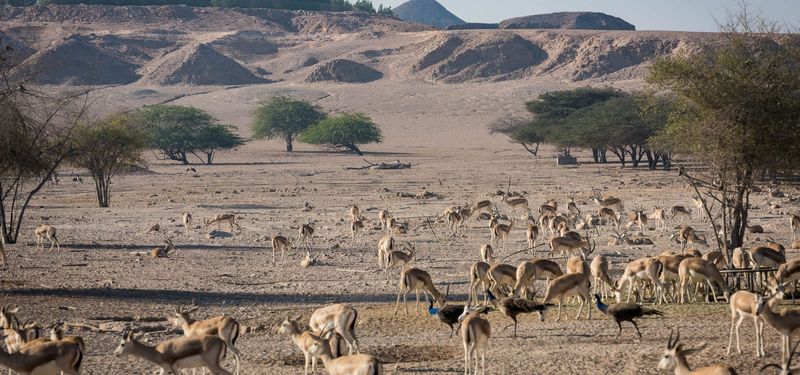
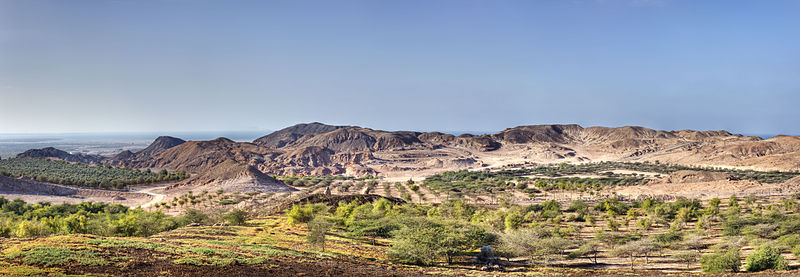
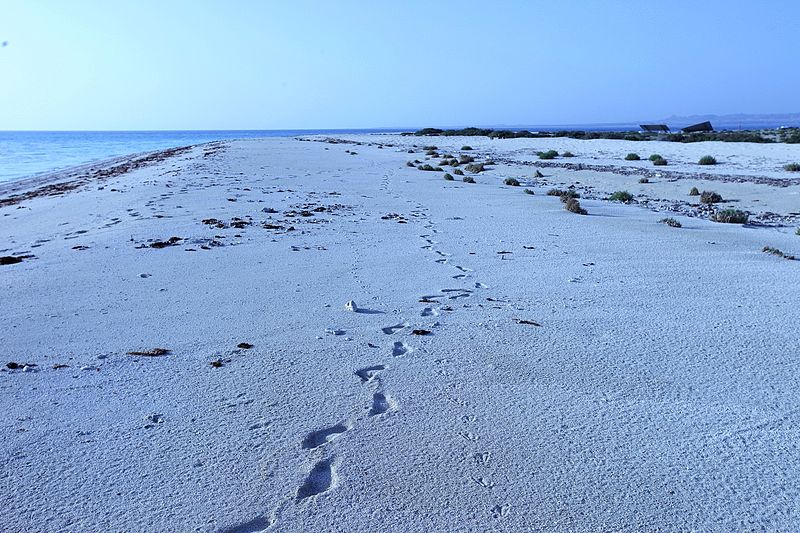
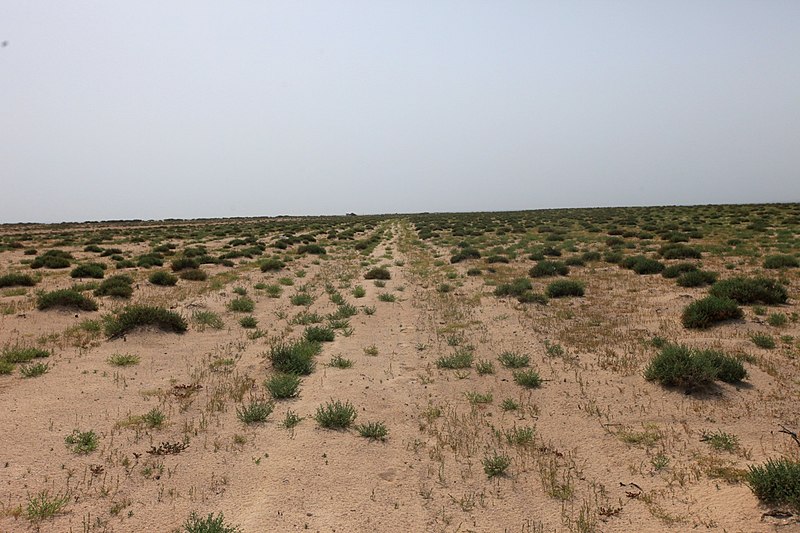
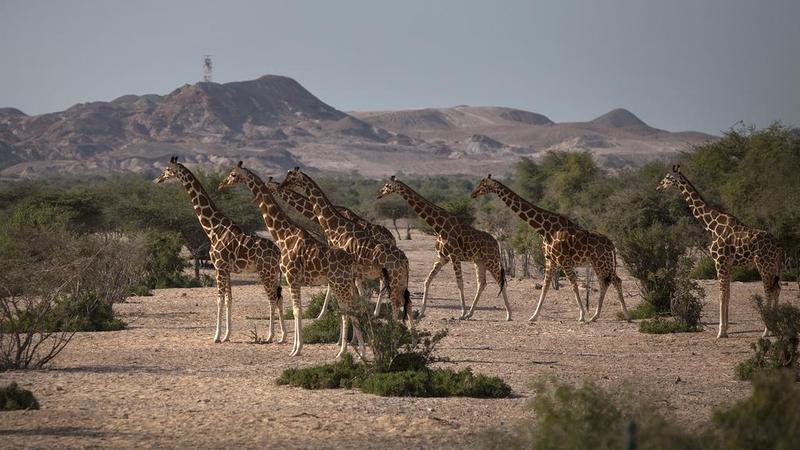
The reserve on the island appeared only in 1971, and before that there was a deserted island, but after the island was visited by the first president of the UAE, Sheikh Zayed Al Nahyan, work began almost immediately on landscaping the island. Artificial irrigation installations began operating here, which allowed the planting of millions of trees, including fruit trees. Thanks to irrigation, the flora of the Arabian Peninsula was restored thousands of years ago. Over 10,000 wild animals that once lived on the peninsula were brought here: gazelles, several species of mountain sheep, Somali ostriches, giraffes, white oryx, antelopes, Sudanese cheetahs, hyenas, Barbary sheep. Many of these animal species are endangered. The island is also an important marine reserve, as there are many dolphins swimming in the local waters, and turtles lay eggs on the island. Seabirds also nest here.
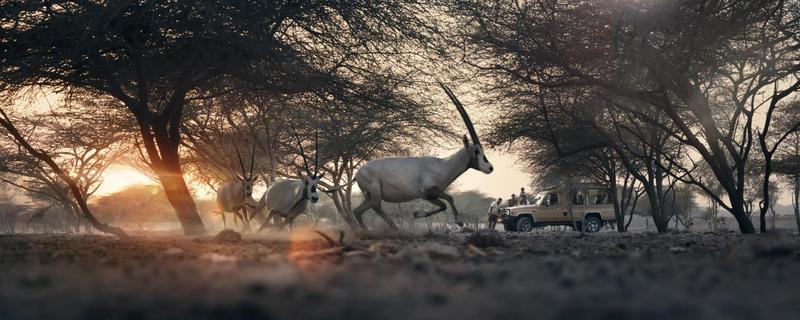
Despite the fact that research and conservation are the main part of the current development of the park, safari, water games, nature trails, mountain biking and horseback riding, diving, kayaking and fishing in the sea are available to visitors.
The UAE is a relatively young country, it immediately began its development in order to become attractive to the global public. Today, there are many buildings that tourists from all over the world come here to visit, and the developed tourist infrastructure, high level of service and security in the country only encourage guests to return here again.