Sukhothai Historical Park
Sukhothai is the incredibly beautiful oldest city in the northern side of Thailand. It is the oldest capital of Siam, which was established back in 1238. Sukhothai, translated into Russian, means "dawn of happiness", but this city can also be heard under the name "cradle of Thai civilization".
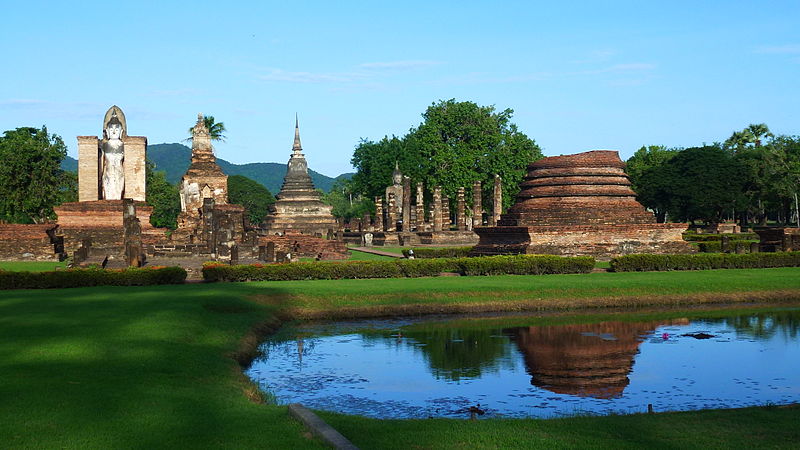
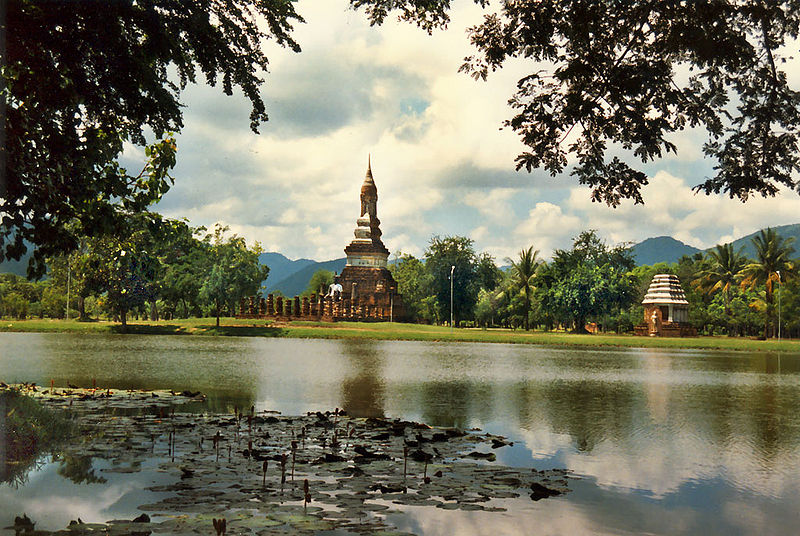
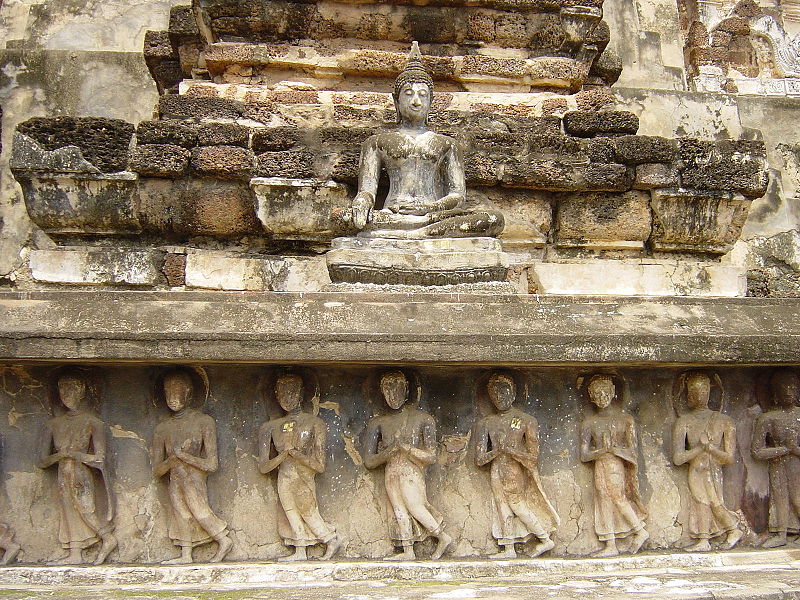
Currently, there are about 200 different structures on the territory of Sukhothai, which are witnesses to the rich Thai history. The ruins of this city are carefully protected by the state and are their property, as well as the property of the whole world. The beautiful architecture of that time, the ruins of which we can observe today, has a style called "sukhothai". This style was created by the Thai civilization, influenced by both the local ancient customs and foreign ones.
The ancient city of Sukhothai, along with its sights, was recognized as an architectural monument in 1961, and after its reconstruction, the official opening was carried out in 1976. Also in 1991, the Sukhothai cultural monument was included in the UNESCO registers.
King Ramkamheng, who ruled the country at that time, was one of the most famous rulers. It was during those hours that the country's currency was established, the alphabet was invented, and a whole list of laws was compiled. At the time of the Ramkamheng government, the establishment of the main religion of Siam, Buddhism, falls. Sukhothai did not remain the capital for long, only 110 years, as by the end of the 13th century, internal problems began here. Slowly, power over the city began to pass to other nations.
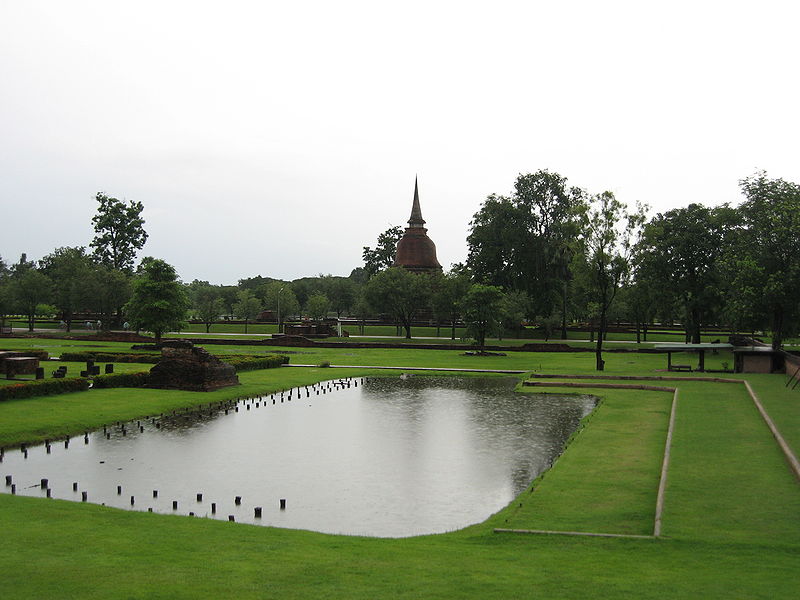
Modern Sukhothai looks very neat and is a small city with about 80 thousand people. In addition to manicured lawns, three beautiful parks, there are also four ponds and fountains in the outline of the city.
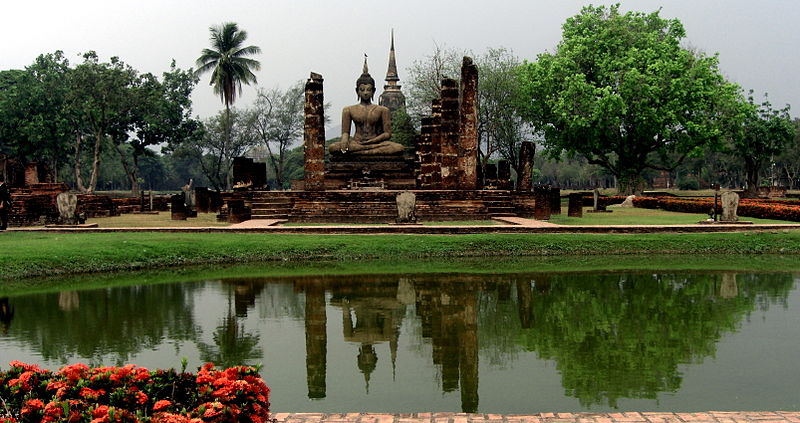
Wat Mahathat is considered to be the largest temple, of which about 24 were built on the territory of Sukhothai. There are no ruins left of it, but the proof is a stone that was found on this territory. The stone has an inscription with the following meaning: "rice grows in the fields, fish are found in the local rivers, and the king is always in a good mood." This note, according to experts, dates back to 1290. By the period of the 12th century, another ancient architectural monument is credited - Wat San Da Pha Daeng. A huge Buddha statue, measuring up to 32 meters, was erected here.
Every year, in the ancient city of Sukhothai, a celebration is held, which dates back about 800 years. This ancient holiday is dedicated to the Mother River. Once you get to this wonderful festival called Loi Krathong, which is celebrated in early November, you can have a great time trying out a variety of traditional Thai dishes that are prepared according to ancient recipes.