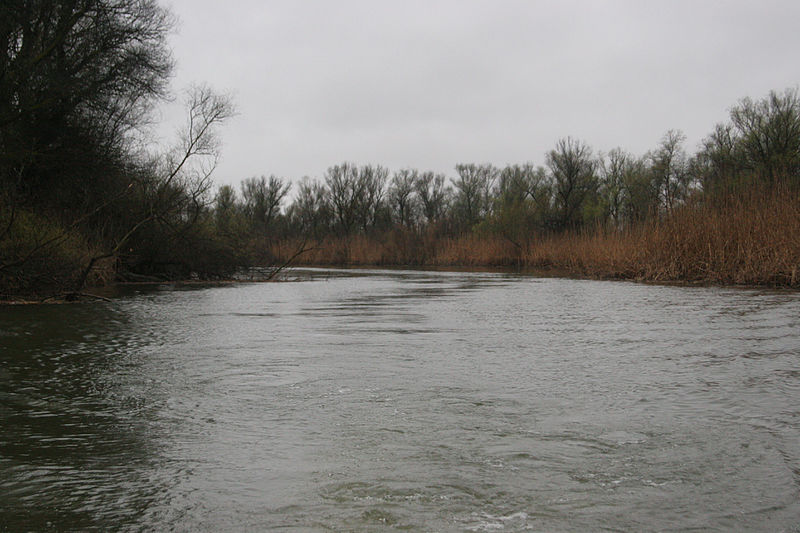
Astrakhan Nature Reserve
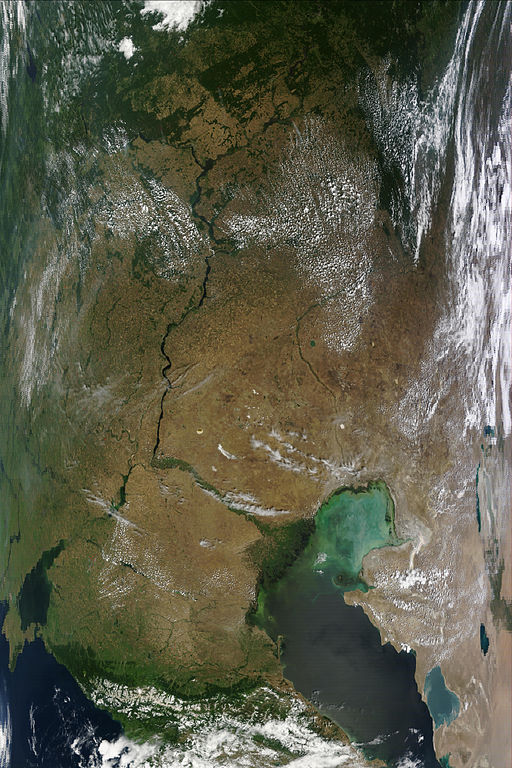
Astrakhan Biosphere Reserve is one of the oldest nature reserves in Russia located in the Volga River delta. After traveling thousands of kilometers, the Volga River near the Caspian Sea divides into dozens of branches, forming isolated islands in which hundreds of species of birds, fish and animals hide from hunters and fishermen.
The Astrakhan Nature Reserve is divided into 3 parts: Damchikskaya, Trekhizbinskaya, and Obzhorovskaya. Initially, the area of the reserve was 230 km2, but as the Caspian Sea became shallow, it increased to 679 km2 (113 km of water area). The reserve was established back in 1919, and in 1927 it received the status of a natural site of national importance. The organization of the reserve was a necessary measure, since burning of reeds, uncontrolled hunting and fishing have practically brought many species of birds and animals to the brink of extinction. In the 19th and 20th century, a fashion for feathers emerged, and in this regard, several offices opened in Astrakhan, purchasing bird skins for sending them abroad. In 1903 alone, over 100,000 bird skins were taken away, but in 1912 the offices were closed, as birds in the Volga Delta were almost exterminated. The uncontrolled burning of last year's reeds led to the destruction of animals and egg clutches in it, fires spread to forests, destroying the habitat of wild animals.
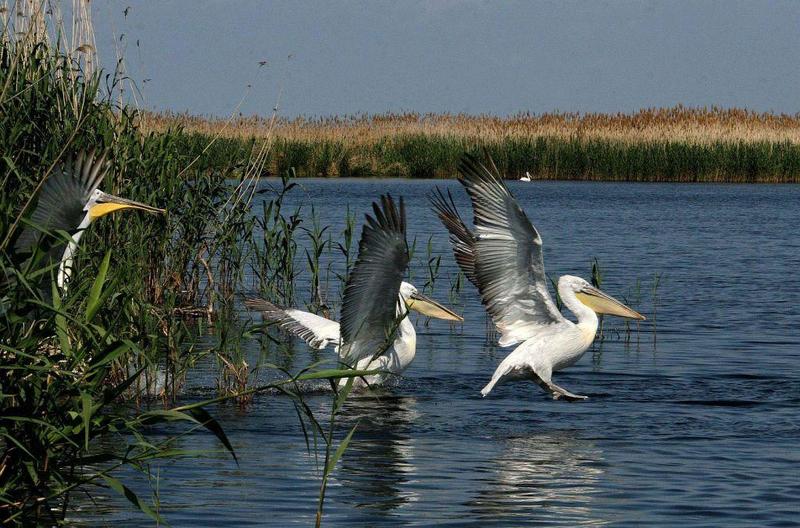
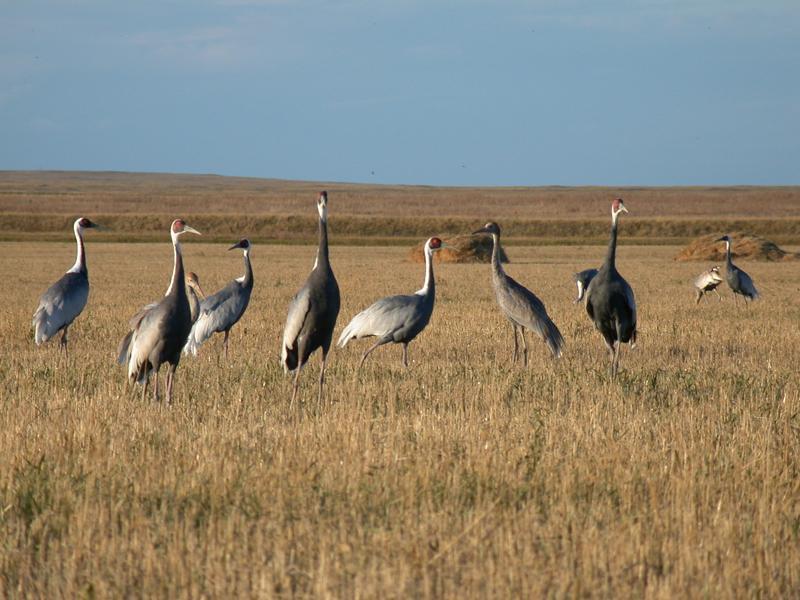
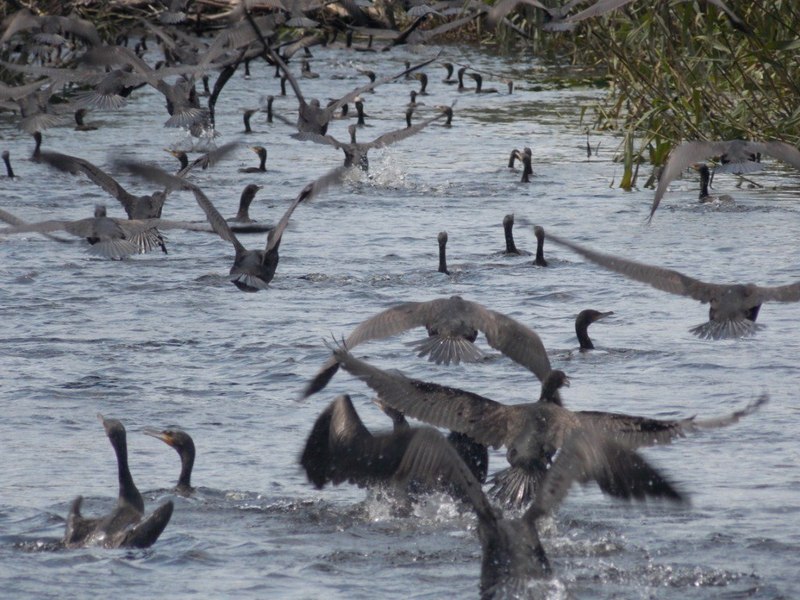
The Astrakhan Nature Reserve has a very rich avifauna, numbering 280 species of birds, 72 of which are rare. Here you can see the sturgeon, an endangered bird species at the moment. They stop in the delta during the flight to the south. You can also see curly-haired pelicans, Egyptian herons, spoonbills, small cormorants, white-tailed eagles, geese, swans, ducks, flamingos. Birds from Europe, Africa and Asia flock to the reserve. Because of this, the reserve is sometimes called the "bird hotel". Most of the birds living here are representatives of wetland species and only a little more than 30 belong to forest and meadow species.
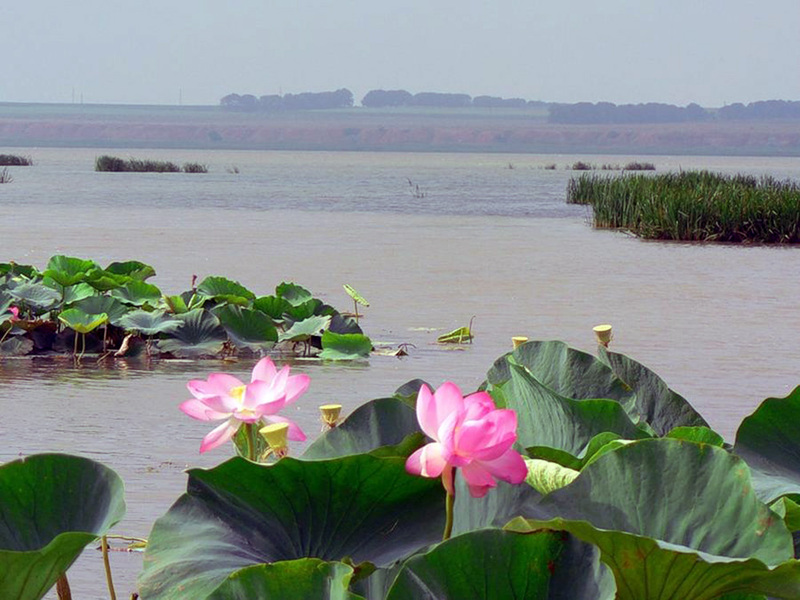
A beautiful flower grows here, which the locals call the "Caspian rose", but it is known to everyone else as the lotus. This magnificent flower will delight with its color and fragrance from July to September. Rare plants such as chilim, salvinia, and water lily also grow here. Over 290 plant species have been registered.
Forest animals do not take root well in the water area, but nevertheless, wolves, wild boars, and foxes can be seen in the Astrakhan Nature Reserve. Raccoon dogs were released in Astrakhan in the late 1930s, and by the 1940s they could be found throughout the Volga Delta. In 1954, over two hundred muskrats were released in the reserve, and within a couple of years they could be found everywhere in the Astrakhan region.
One of the riches of the Astrakhan Biosphere Reserve is fish, there are about 60 species of fish: groupers, sturgeons, belugas, roaches, bream, walleye, carp, Czech, catfish, perch, gobies, rudd and others. Nevertheless, fishing is prohibited, so you need to choose another place for fishing.
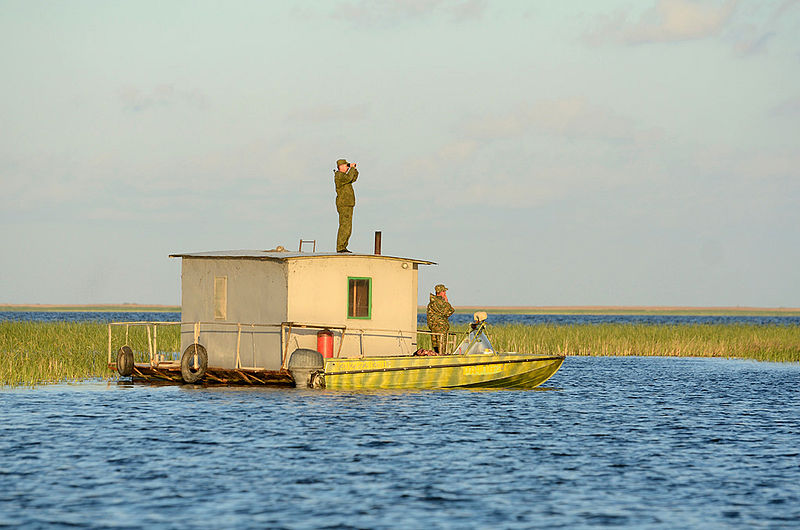
The Astrakhan Biosphere Reserve performs an important task of preserving and restoring natural resources, exploring nesting sites and the route of migratory birds. One of the largest bird banding centers is located here.
.