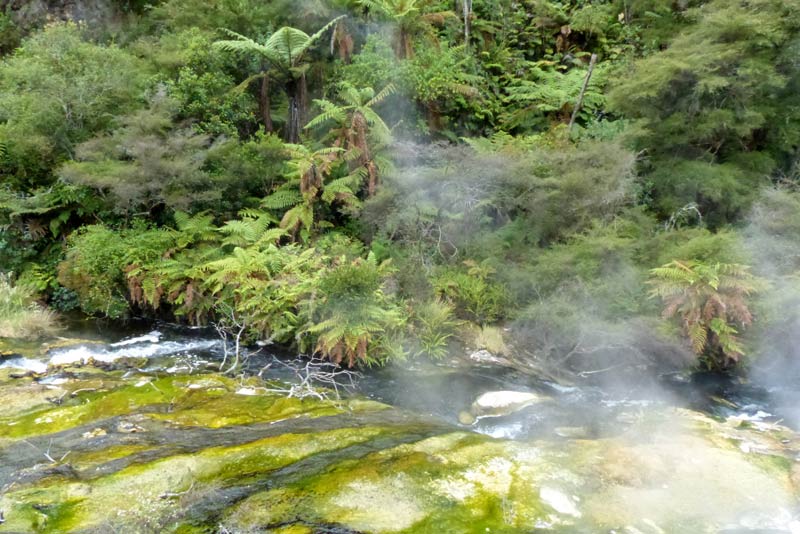
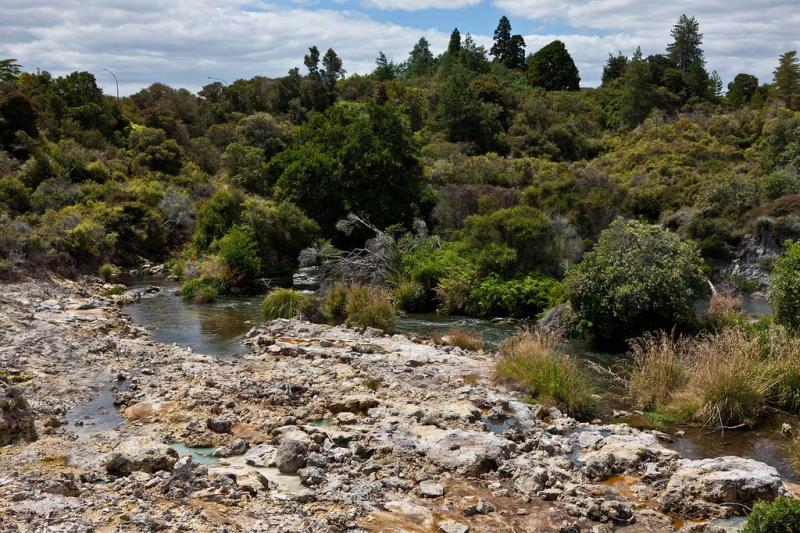
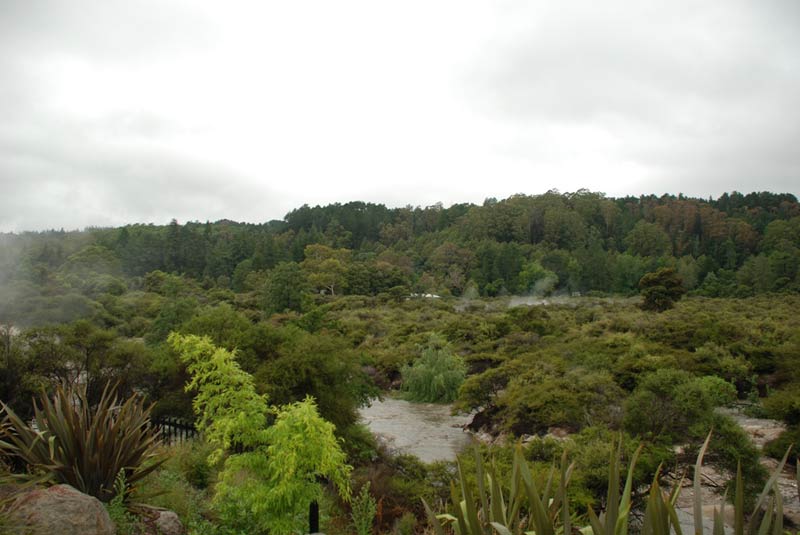
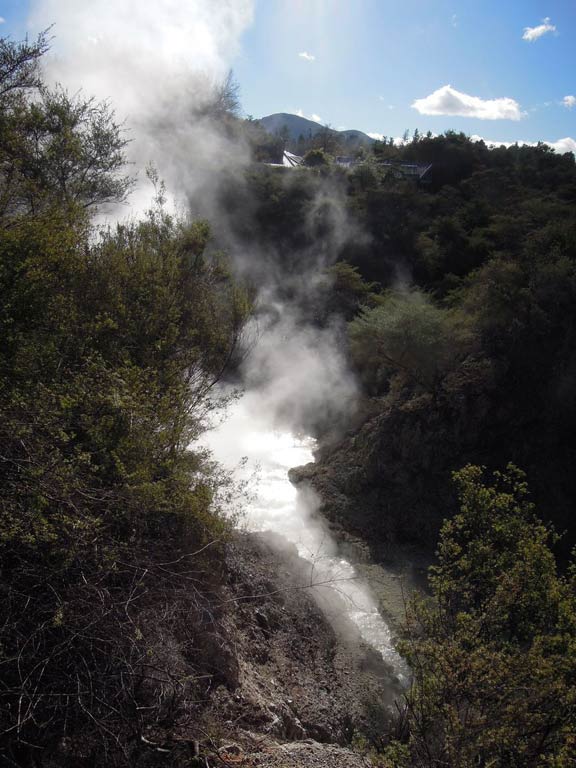
Rotorua Valley refers to the geothermal landscape around Rotorua on New Zealand’s North Island. Volcanic activity has created a remarkable environment of hot springs, geysers, bubbling mud pools and lakes occupying ancient volcanic depressions. The region lies within the Taupō Volcanic Zone and is known for its geothermal attractions and Māori cultural heritage.
Volcanic origins
About 230,000 years ago, a major eruption contributed to the formation of the Rotorua Caldera, a broad depression created as the volcanic structure changed and partially collapsed. Later eruptions formed additional hills and volcanic features, while some depressions gradually filled with water.
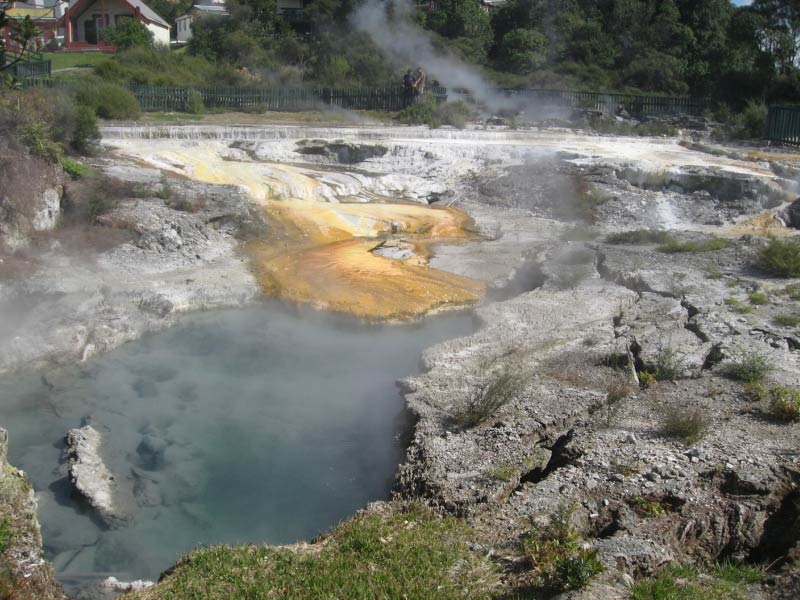
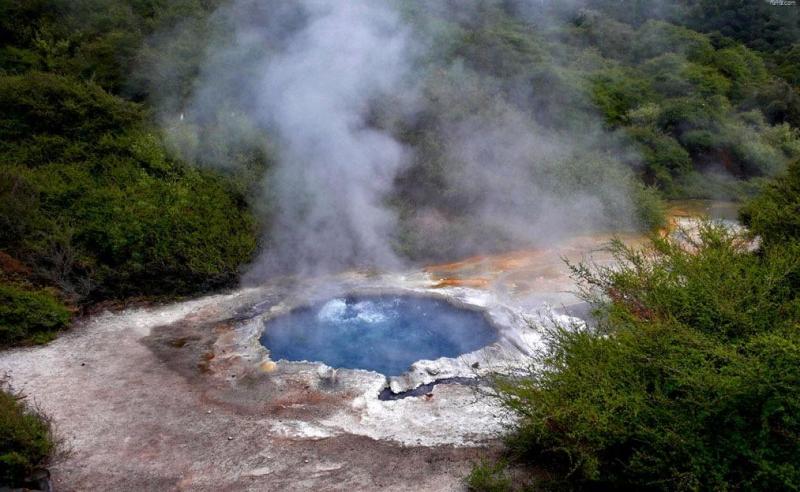
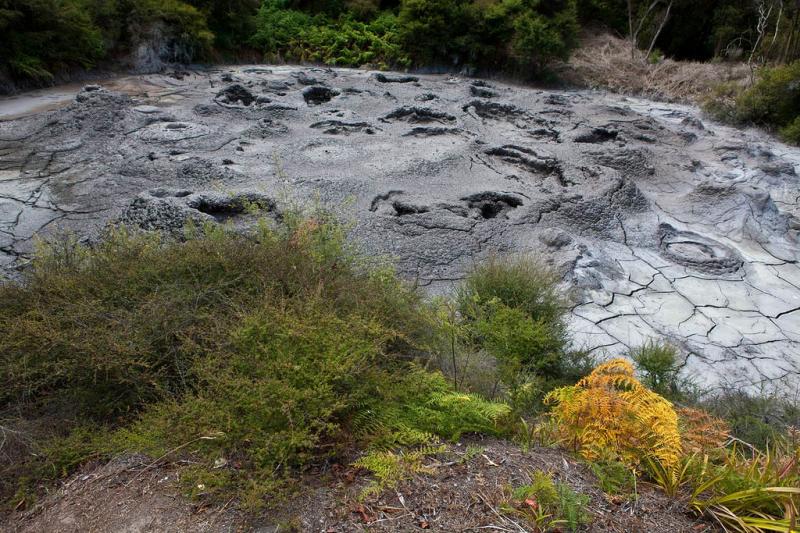
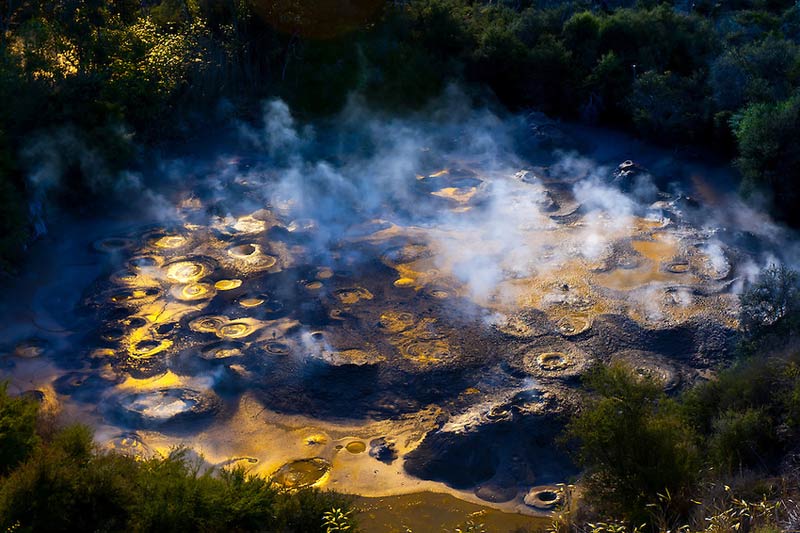
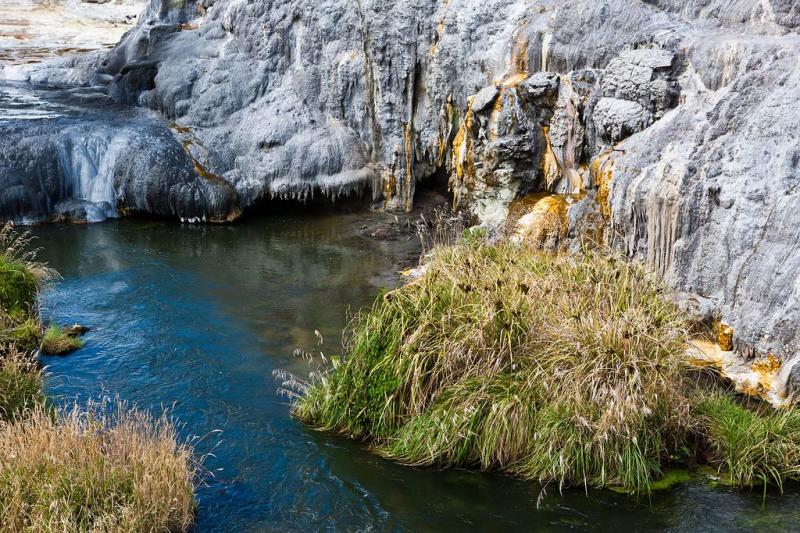
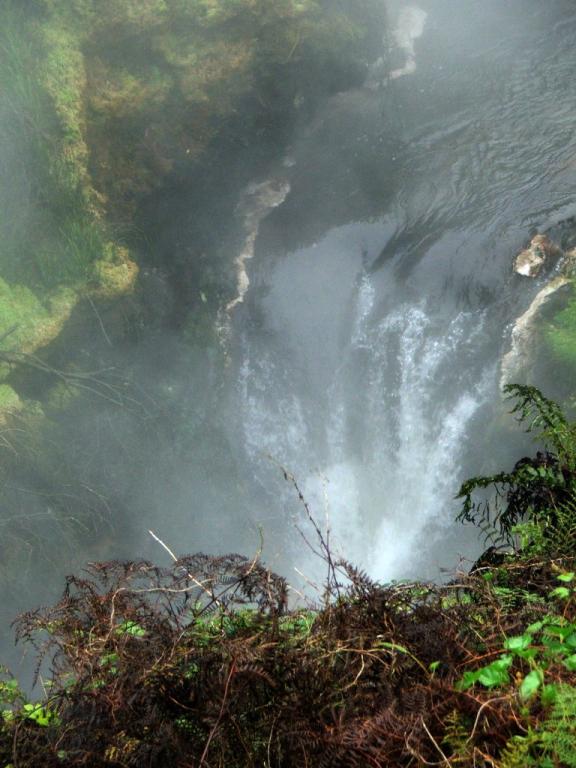
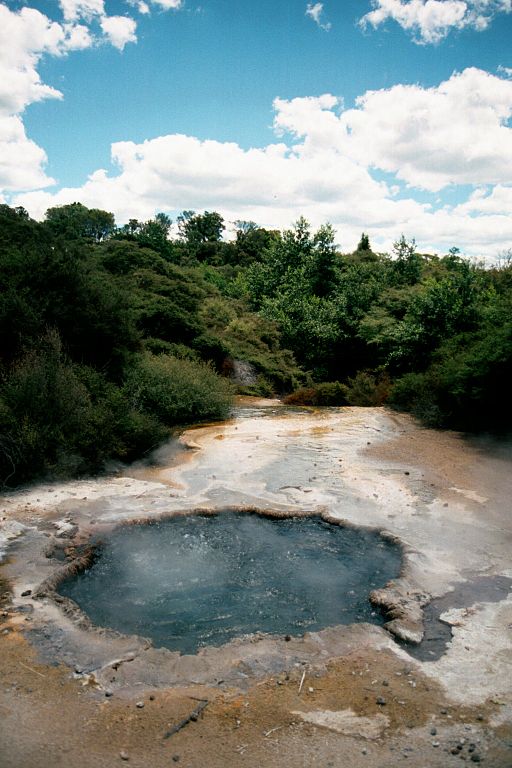
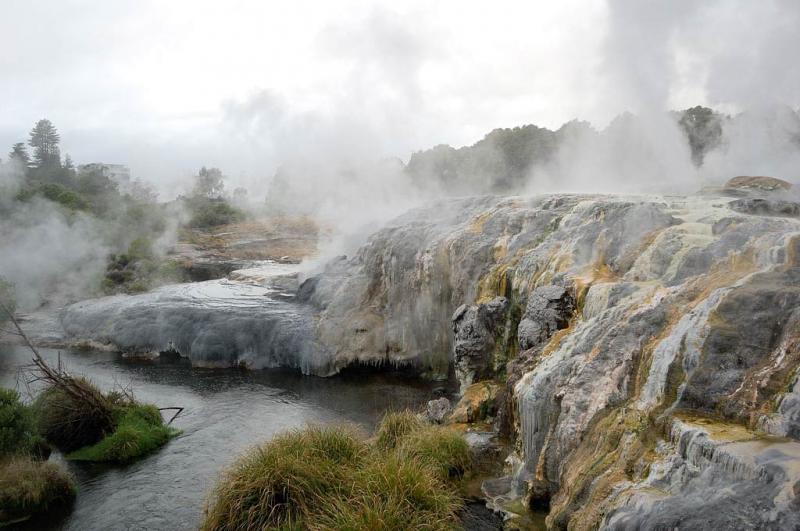
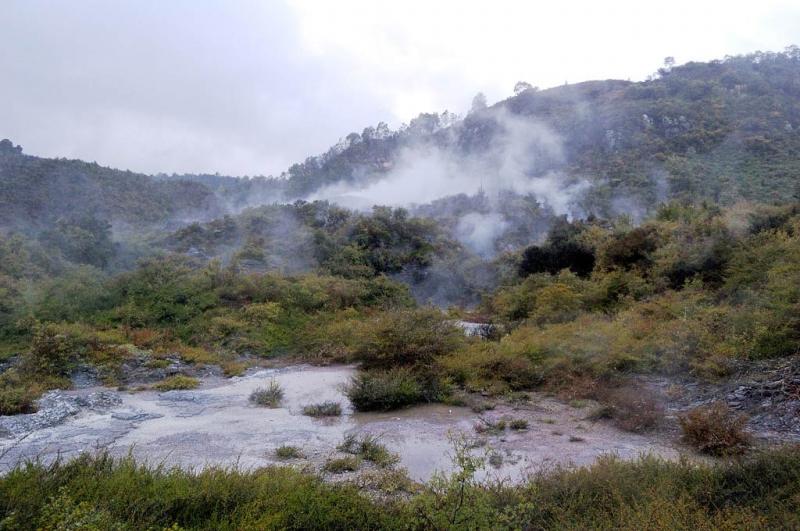
Heat from deep within the Earth warms underground water, which rises through cracks in the rocks. This process creates hot springs, steam vents, bubbling mud pools and mineral deposits in different colours. Volcanic gases can also give the area its distinctive sulphurous smell.
Geysers and hot springs
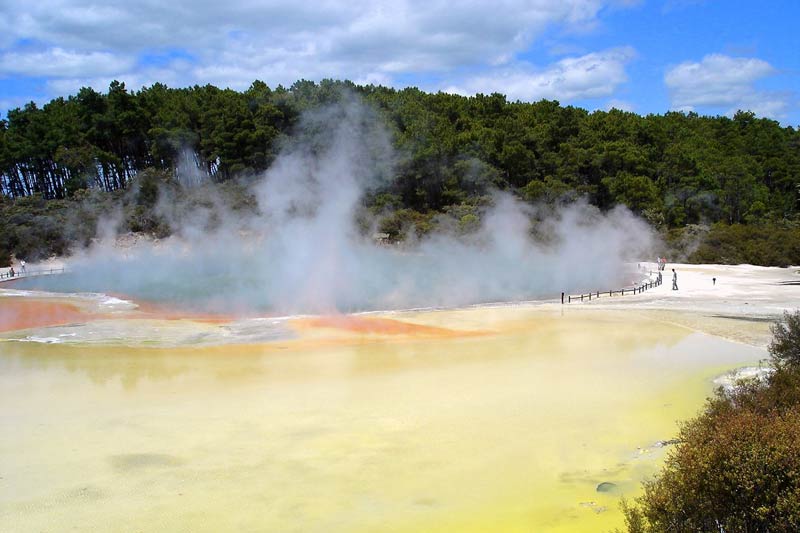
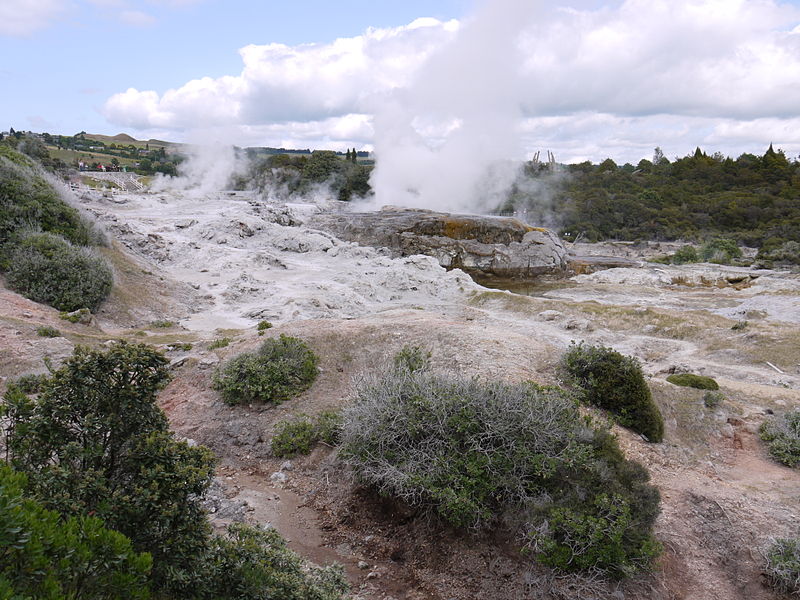
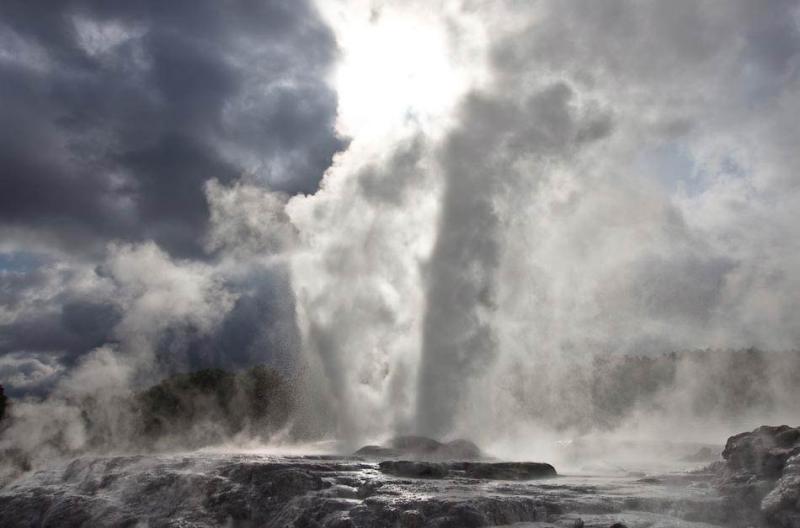
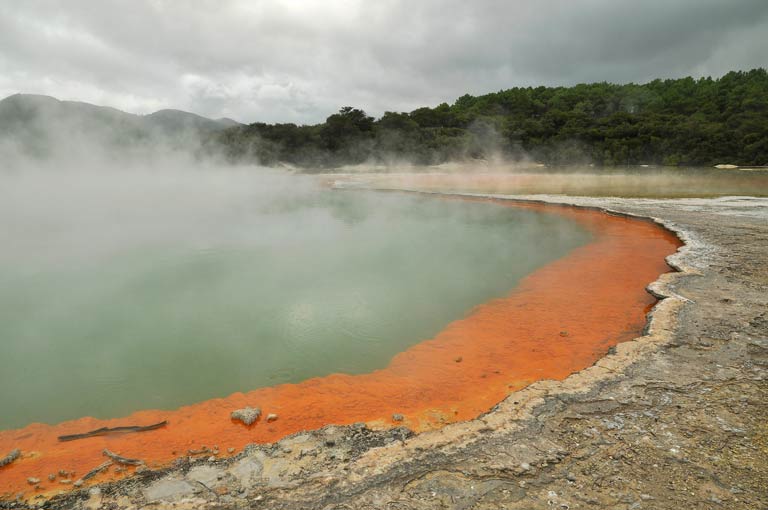
Several well-known geothermal areas lie around Rotorua. Whakarewarewa features geysers and hot springs, Wai-O-Tapu is known for colourful mineral pools and Champagne Pool, and Waimangu Volcanic Valley contains craters, large hot springs and Lake Rotomahana. Water colours depend on minerals, temperature and microorganisms adapted to extreme conditions.
Waimangu and the Tarawera eruption
Waimangu Volcanic Valley developed after the eruption of Mount Tarawera on 10 June 1886. The disaster transformed the landscape and destroyed the famous Pink and White Terraces near Lake Rotomahana. New craters and geothermal features formed after the eruption. Today, walking trails lead through the valley, and visitors can add a boat cruise on the lake.
Māori culture
For Māori communities, geothermal resources are a taonga, or treasured heritage. For generations, hot water and steam have been used for cooking, bathing, heating, healing practices and ceremonies. In places such as Ōhinemutu and Whakarewarewa, visitors can learn about local traditions and the influence of geothermal resources on community life.
Tourism and visiting
During the nineteenth century, Rotorua became a well-known destination because of its hot springs and volcanic scenery. Today, visitors can explore geothermal parks, experience Māori culture and relax in thermal pools. Waimangu, Wai-O-Tapu and Whakarewarewa are separate attractions within the wider region rather than sections of a single park.
Stay on marked trails and keep away from boiling water and unstable ground. Rotorua’s combination of volcanic landscapes, lakes, geothermal activity and Māori heritage makes it one of New Zealand’s most distinctive travel regions.
Gallery