Alanya
Alanya is a national park founded back in 1998 on the territory of the Republic of North Ossetia in order to preserve unique natural complexes and cultural buildings and develop tourism in the region.
The first ideas about the organization of a protected area appeared back in the 1950s, and the first step was taken in 1958, when the Tseysky Nature Reserve was founded. In 1967, the North Ossetian State Reserve appeared. The teachers of the North Ossetian State University contributed to the creation of the national park, who wrote articles in newspapers and gave students diploma projects on topics related to protected areas in North Ossetia.
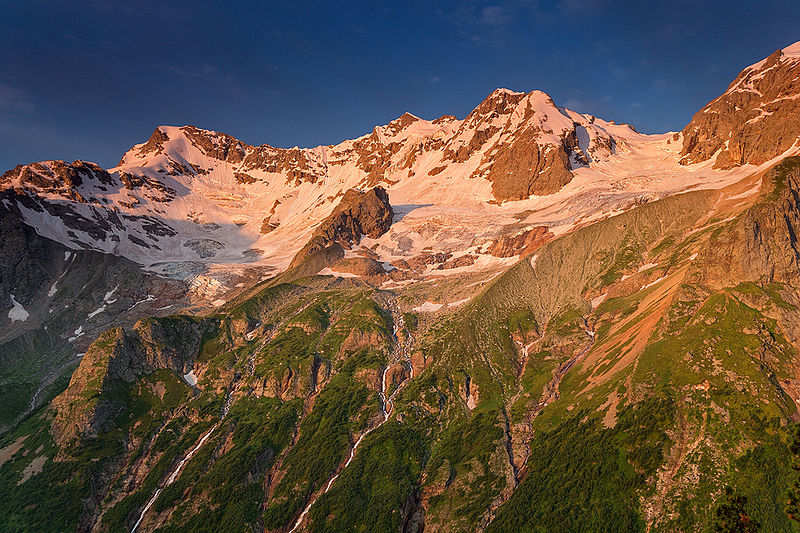
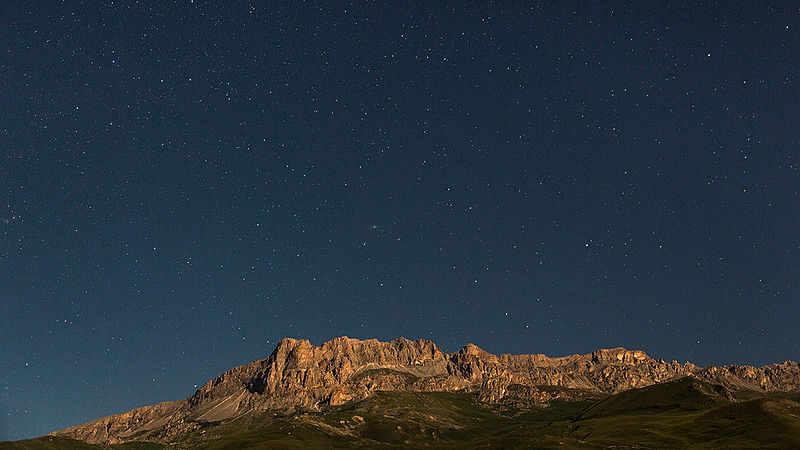
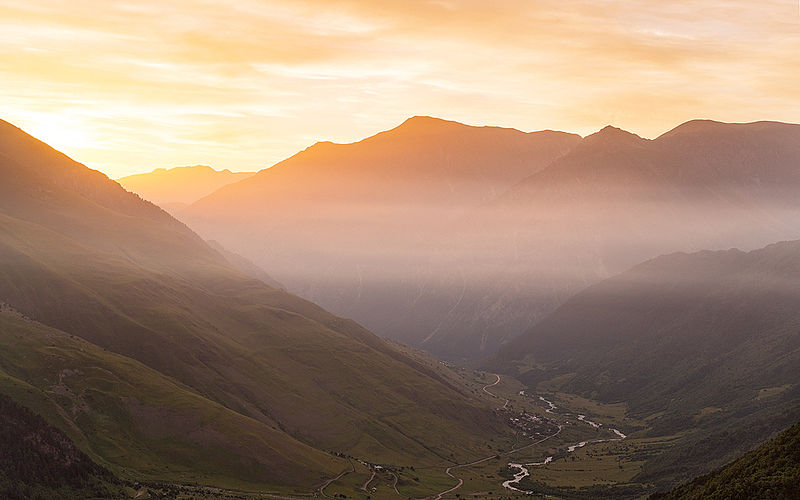
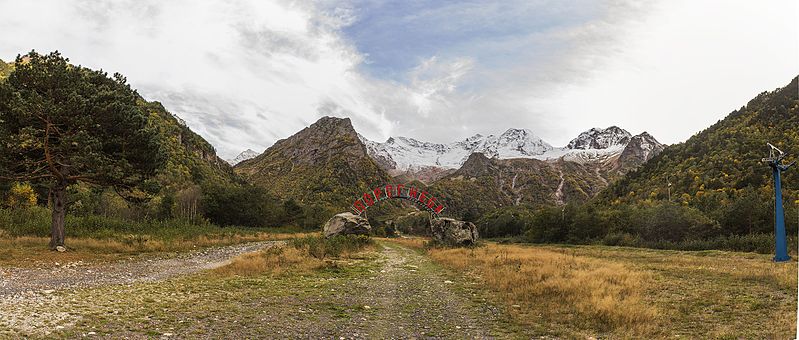
By joint efforts, on February 18, 1998, a decree was signed on the creation of the Alanya National Park on an area of almost 550 km2. The park is surrounded by mountain ranges, and it can only be accessed via a mountain road in the Ahsinta Canyon. The maximum height in the park is 4646 meters (Mount Wilpata), and the minimum is 1350 meters.
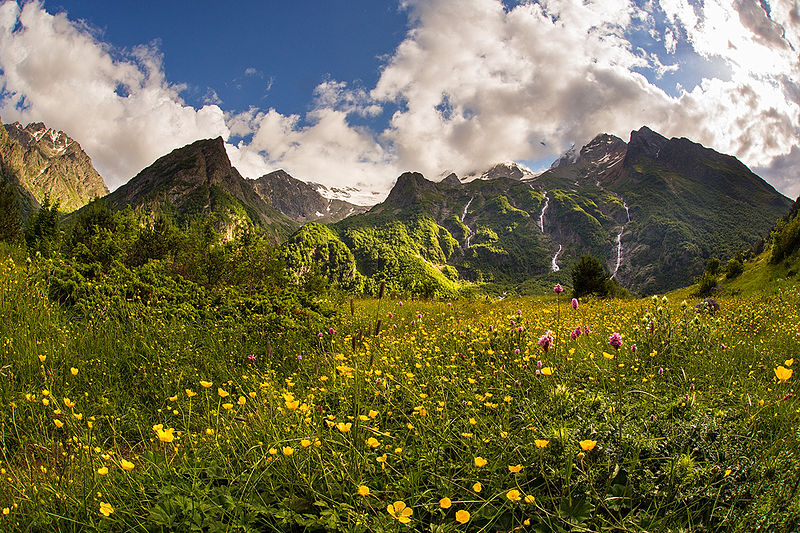
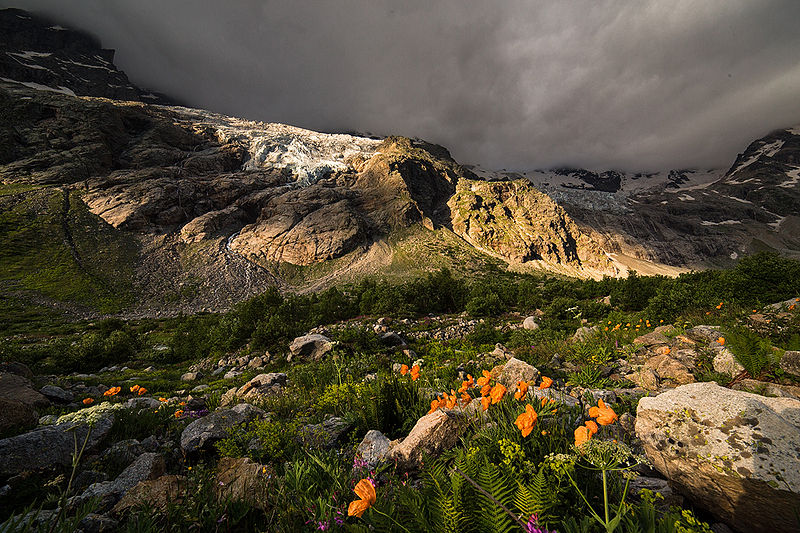
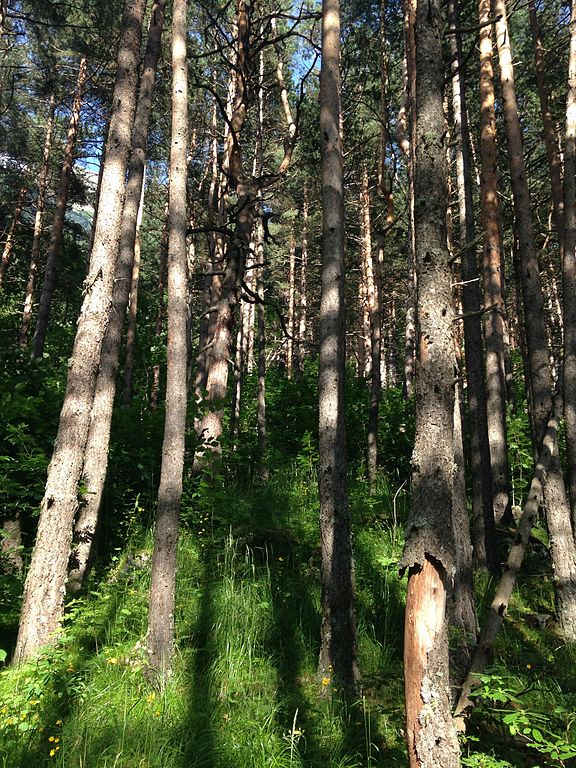
The park has a very rich flora and fauna. Of the animals, chamois, wild boars, roe deer, yaks, East Caucasian turs, brown bears, foxes, martens are often found, 116 species of birds are also recorded here, of which only 39 live permanently in the park. Bullfinches, shaggy-legged owls, oolars, pincers, bearded grouse, peregrine falcons, golden eagles, and owls are common among birds. Alanya National Park is 60% covered with forests, which are home to over a thousand plant species, many of which are listed in the Red Book.
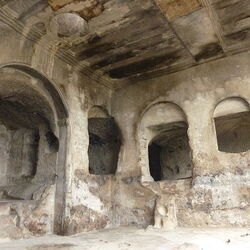
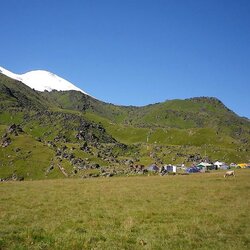
There are also many ancient monuments in the Alanya National Park, including sites of primitive people, burial grounds of Alan tribes, castles, crypts, shrines. Waterfalls, glacial lakes, glaciers, and huge rocks are interesting natural attractions. All this attracts tourists, for whom there are a large number of recreation centers, hiking trails, and guided tours.