Springs in Izu
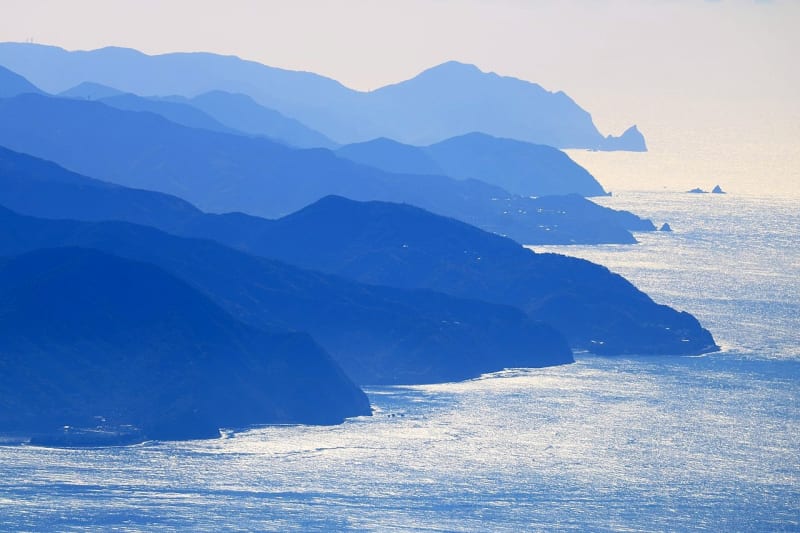
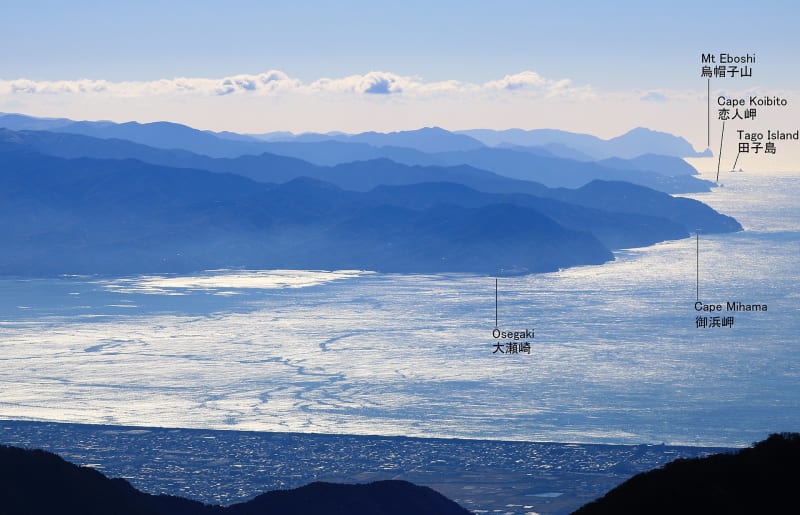
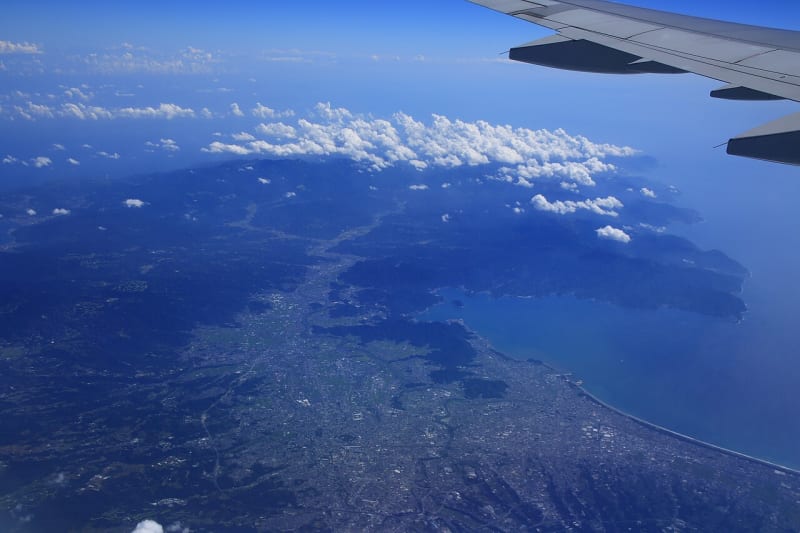
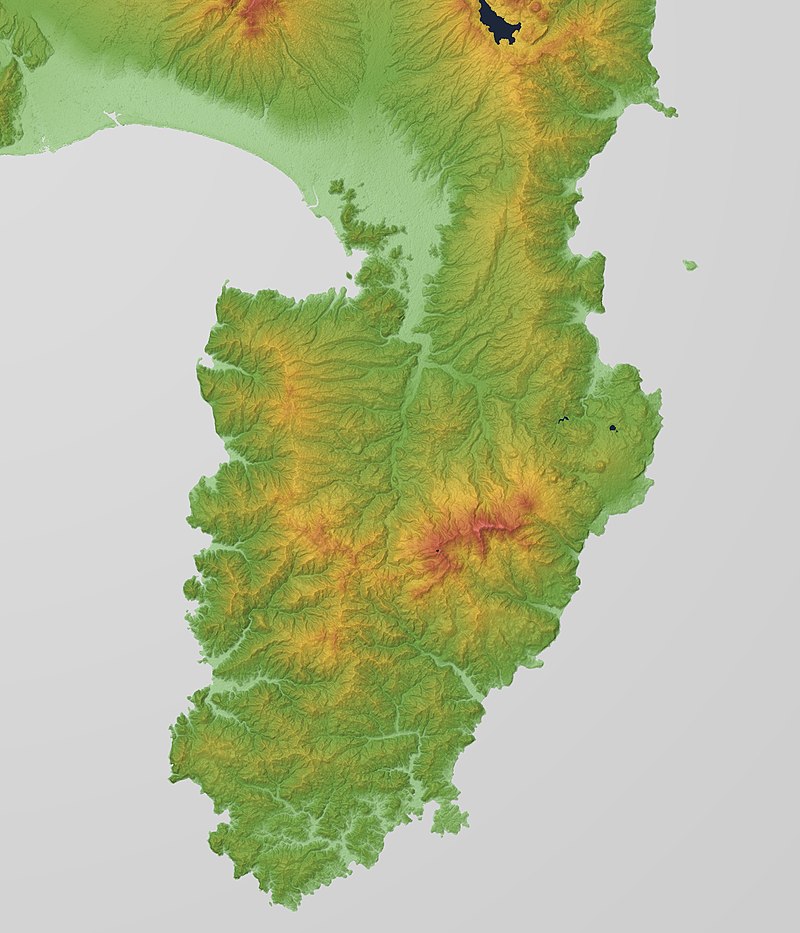
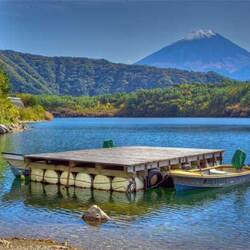
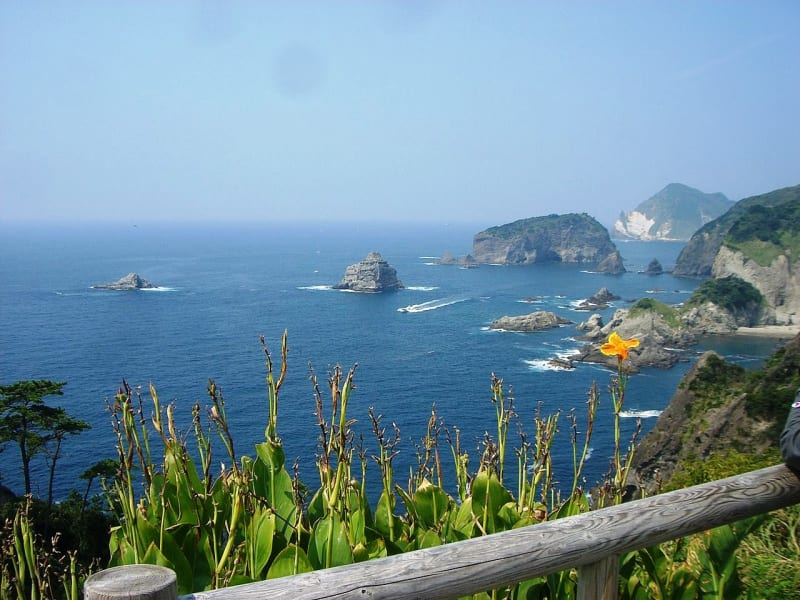
Izu Springs is one of the most popular resort areas: it is a favorite vacation spot for Japanese and tourists who have arrived in the country. Izu Peninsula is located on the coast of Honshu Island about 100 kilometers from Tokyo in a southwesterly direction. Izu is attractive for its thermal springs, mild climate, picturesque coastline and magnificent views of Mount Fuji.
The history of Izu sources
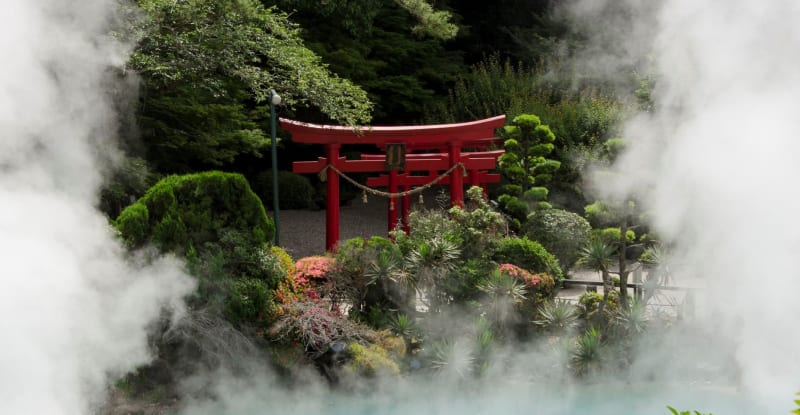
There is a legend according to which in ancient times the sea washing the peninsula became hot. For this reason, the marine animals sailed into the ocean, and the fishermen could not get anything and died of starvation. Thanks to the prayers of a traveling monk named Mangan addressed to the sea god Susanoo, the hot springs moved from the sea to the shore. The marine life returned, the fishermen were rescued, and geysers with warm mineral water appeared on the coast. It is believed that the sources in Izu appeared in the 8th century. The surviving ancient documents say that since the 1250s, the Japanese nobility had already been vacationing in these places.
The activity of Mount Fuji has contributed to the emergence of many healing mineral hot springs enriched with hydrogen sulfide, salts and iron. The Japanese call them "onsen". Initially, they were used to swim in open spaces. Now special baths with running mineral water are installed under the canopies. While taking wellness treatments, there is a great opportunity to admire the picturesque views of the surrounding area.
Features of sources in Izu
In the resort towns of Shimoda, Ito, Atami, and Atagawa, guests are offered various types of spa treatments and therapeutic baths. The furako Japanese bathhouse, which is a huge cedar barrel filled with hot water from springs, is in great demand. Traditionally, both men and women swim in onsen without clothes. Modern hotels and hostels offer separate baths and pools. There is a rule - before diving into the springs in Izu, it is necessary to wash with soap. Silence is observed near the springs to achieve complete relaxation.
From Atami, you can take a ferry to Hatsushima Island, a comfortable resort surrounded by unique subtropical flora. A geyser, recognized as an urban symbol, bursts out of the ground in the square near the railway station in Atami. In the city, the Museum of eroticism enjoys increased tourist interest (persons under the age of 18 are not allowed) and the wonderful private MOA Art Museum. South of Atami is the town of Ito, famous for its thermal springs. The town of Izu Kogen is located next to it, with many hot springs and the picturesque Dzogasaki coast.
Information for tourists
Ito has an inactive Omuro volcano, on the slopes of which is the beautiful Komuroyama Park. The volcanic lake Ippeki and the crocodile park are of great interest to travelers. The Ikeda Museum has a magnificent collection of paintings, numbering more than 1,000 canvases. Among them are works by world-famous masters such as Dali, Chagall, Picasso, Matisse. In the center of the peninsula is Shuzenji, a thermal spring resort. It is named after the ancient temple located here, whose history began more than a thousand years ago. There are several ryokan hotels in Shuzenji in the traditional Japanese style.
In the south-east of the peninsula stands the town of Kawazu. Above it is Kawazu Nanandaru, a place in the mountains where there are 7 waterfalls. Next to the largest, there are thermal springs, the flow rate of which exceeds 600 liters per minute, and the temperature ranges from 40 to 50 degrees. In spring, the city is transformed by a multitude of cherry blossoms. The popular Kawazukura Festival takes place during the flowering period. There are several diving sports bases on the peninsula. Izu is the main producer of the world-famous horseradish wasabi. Local restaurants widely use it to prepare national dishes. The sources in Izu do not lose popularity from year to year. The Japanese say that if someone has been here once, they will want to return.