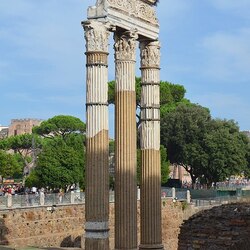
Trajan's Column
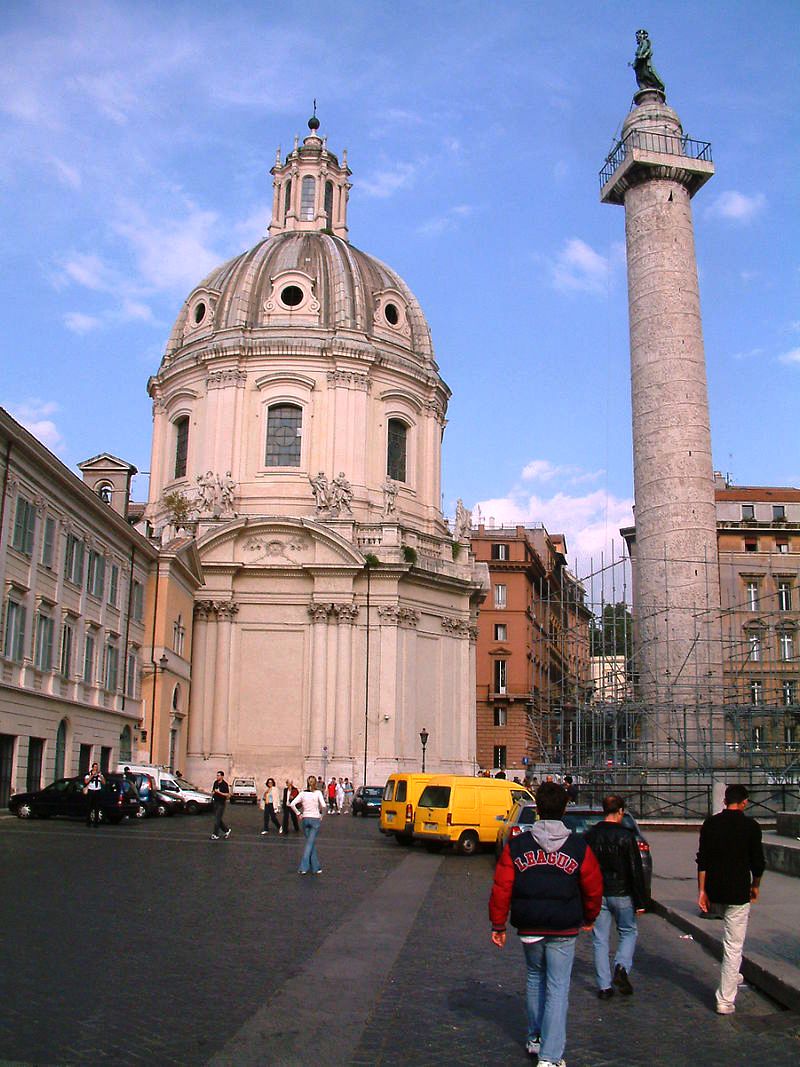
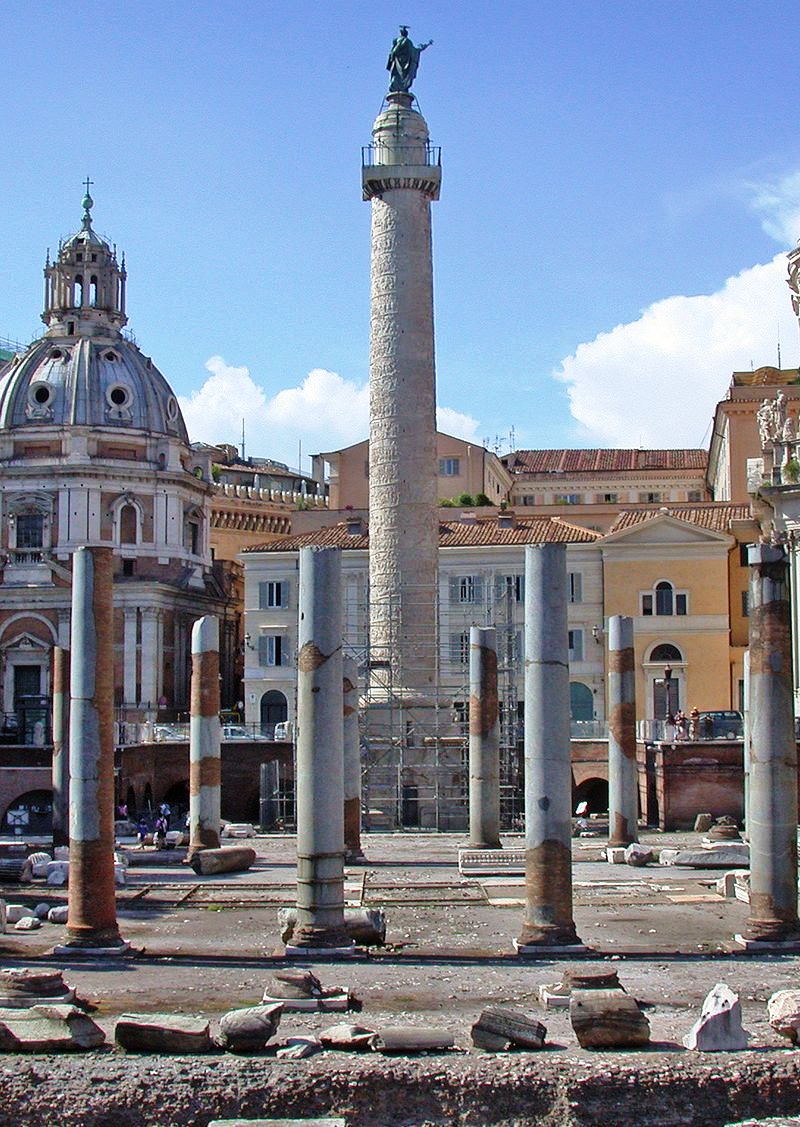
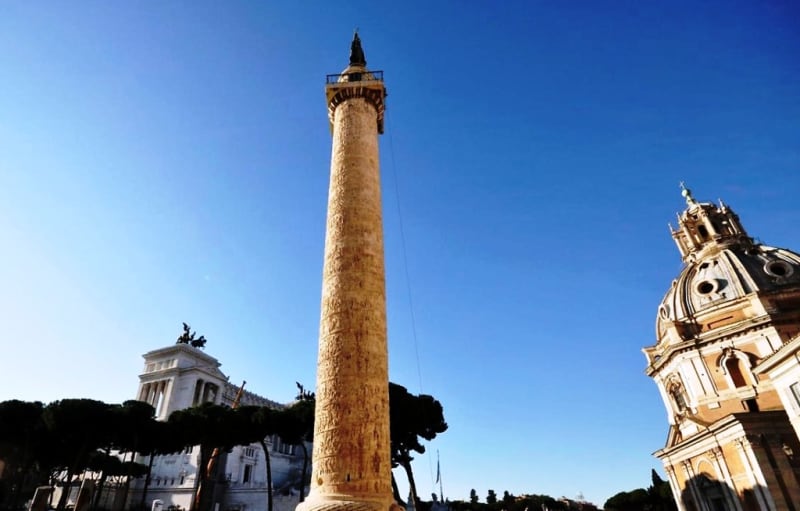
Trajan's Column is an outstanding historical monument, well preserved from ancient Roman times. The colossus that towered over the forum of that time still stands today as a witness to the greatness and decline of a powerful state. The society says that the landmark can tell a lot, it is recommended to visit scientists and travelers who are interested in studying history.
History of the column
Official sources say that it was created under the direction of the architect Apollodorus of Damascus in 113 BC to commemorate the victories of the ruler Marcus Ulpius Trajan, the best of the emperors, as he was called in Rome. The work was hard, but it was strategically important to finish it. The fact is that thanks to Trajan's military successes, the state significantly increased its territories. The commander was especially famous for his campaigns in Dacia. It was these merits that they decided to perpetuate by creating Trajan's Column.
Architecture features
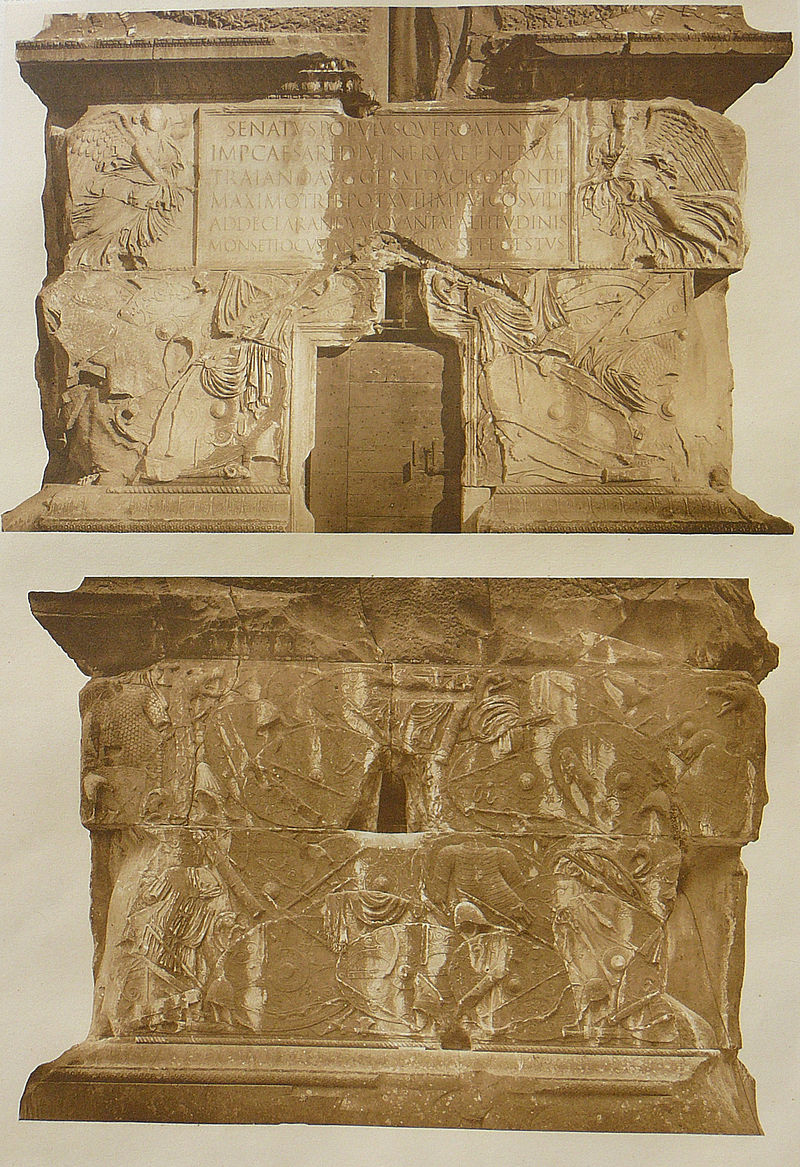
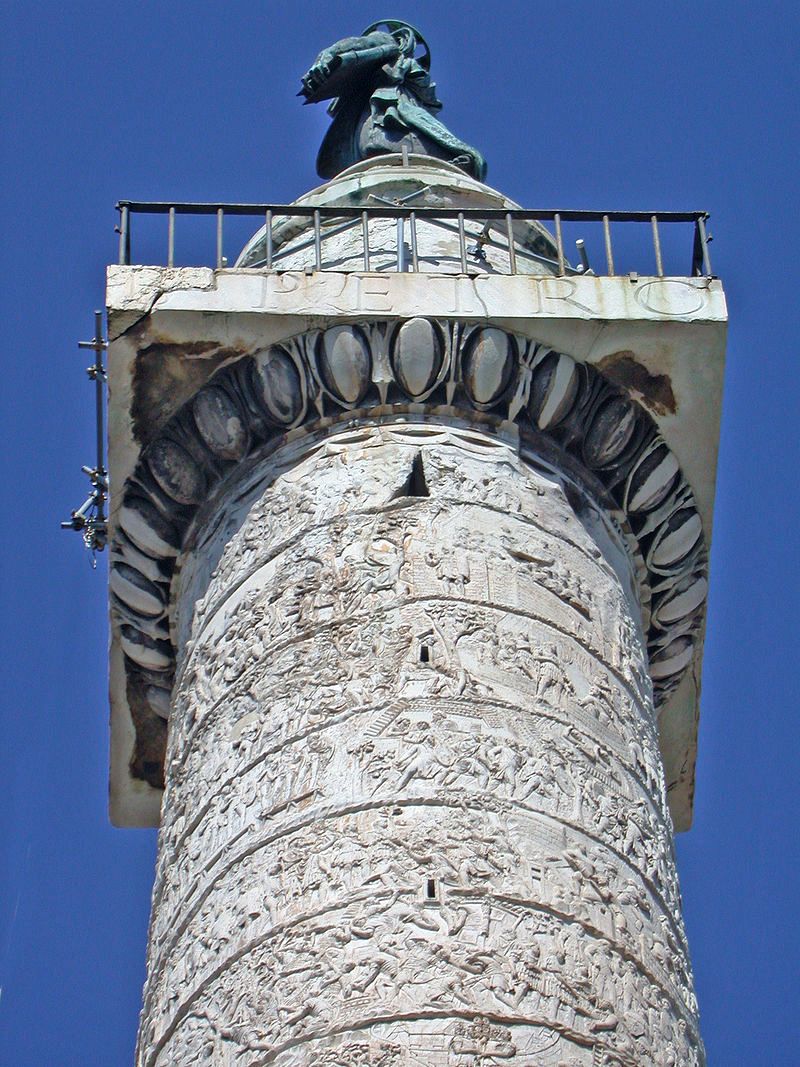
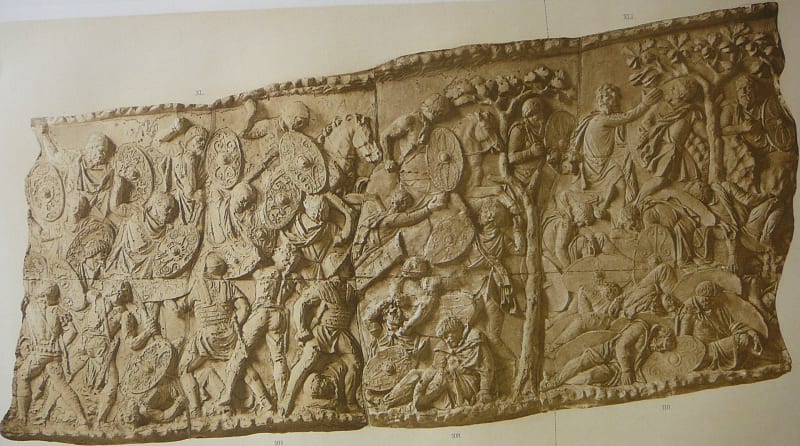
The most valuable marble, Carrara marble, became the material for the construction of Trajan's Column. On a five-meter rectangular base rests a 30-meter column crowned with a capital. The total height is 38 meters and the diameter is 3.7 meters. Twenty blocks stacked on top of each other create the possibility of internal placement of a staircase of 185 steps leading to an observation deck at the top. From there, the eternal city was in full view. But not everyone is destined to rise. The inner corridor is too narrow, the windows are raised so high that it is impossible to look through them. An ascending person is disoriented in a confined space. Tourists are not allowed access today. Inside the pedestal is the storage of the urn with the remains of the ruler and his wife. The trunk of Trajan's Column is decorated with a 190-meter relief ribbon. A statue of Trajan himself, now the Apostle Peter, "looked down" on everyone.
Relief of the column
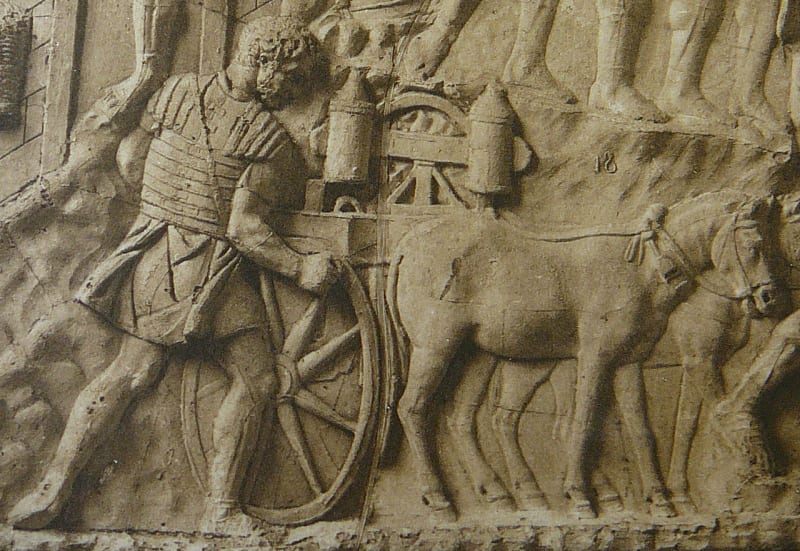
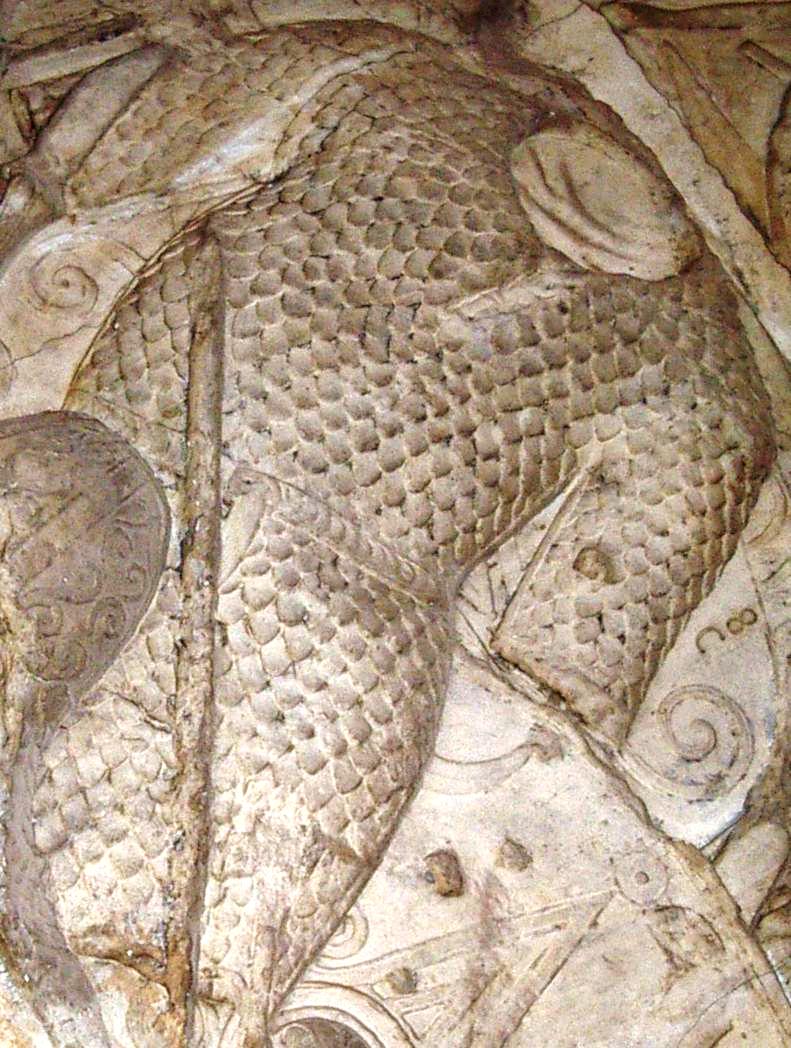
The main character of the high relief appears before the eyes of the audience 59 times. In total, there are more than 2.5 thousand figures on Trajan's Column. The plot is based on the actions of the Roman army during the two Dacian campaigns. Stucco images of real people are combined with allegorical ones: a majestic elder represents the Danube, a woman with a covered face represents the night. Everything is done quite realistically. The events represented in the stone are arranged chronologically. In addition to the battle scenes, the peaceful affairs of the legionnaires on the conquered lands are shown: agricultural and construction work.
Interesting facts
- In order for the structure not to be blocked by the hills in the immediate vicinity, it was necessary to partially remove their slopes. Nothing like this has ever been done before.
- During the entire existence of Trajan's Column, only one change was made to its design - the sculpture at the top.
- In ancient Rome, it was strictly forbidden to bury in the city. An exception was made for the ashes of the revered man.
- The artifact attracts the attention of travelers and researchers, who have been arguing for many years about the purpose of the attraction, about the author, and so on.
- The elements of the structure do not have a binding solution. They are held by metal ties filled with lead for strength. The connecting seams are almost invisible.
- The lower and upper lobes are five centimeters thick. This is another mystery of the object.: It was meant to be, or it happened by accident.