Ein Gedi National Park
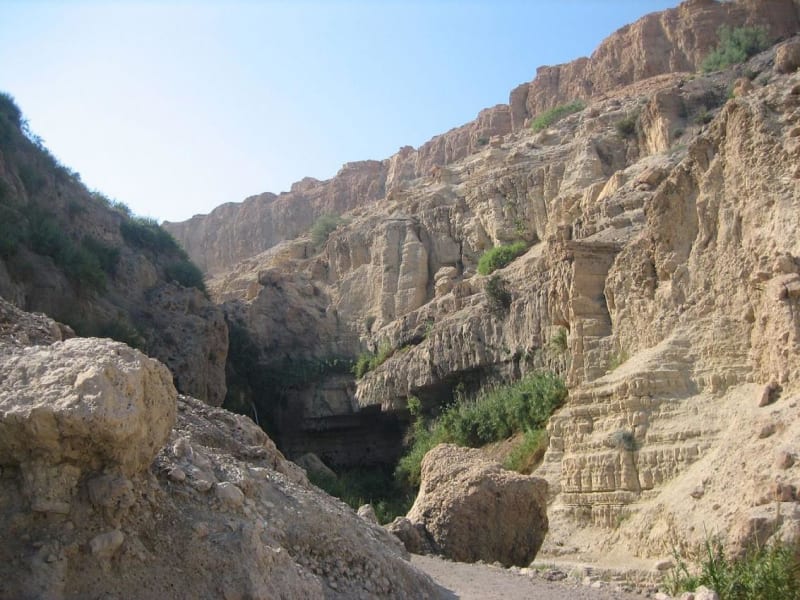
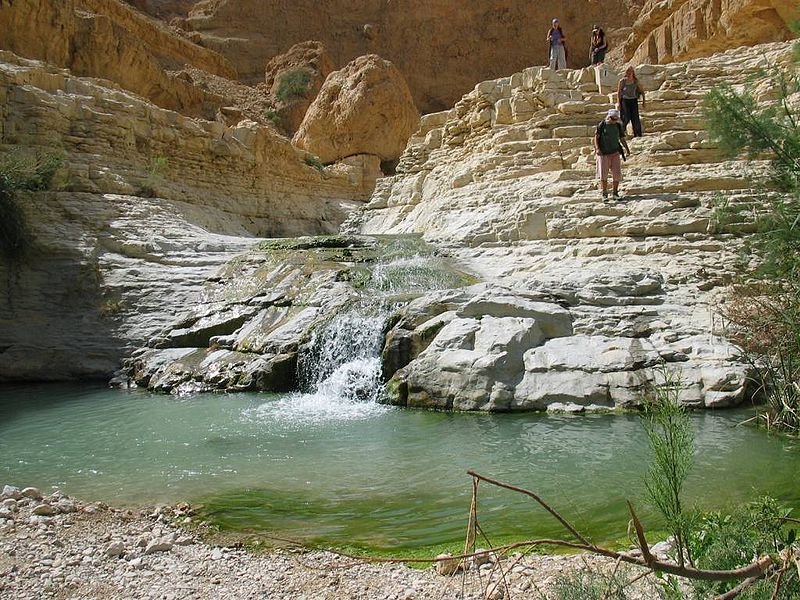
Ein Gedi is a national park in Israel. It is located in the Judean Desert, on the hill of Tel Goren, next to the Nahal David gorge. The name of the park means "the source of the goat." In 1953, a kibbutz with the same name was built here. Archaeological work is still being carried out in this area.
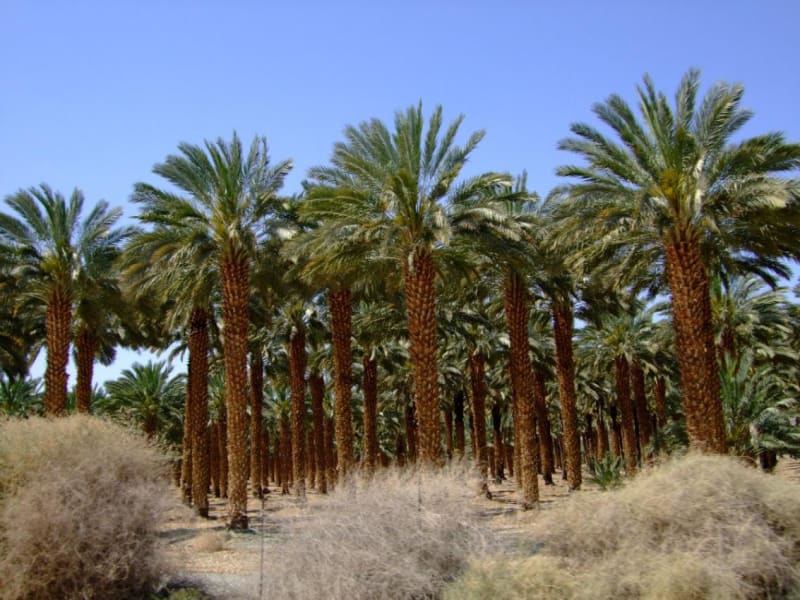
The ancient city of Ein Gedi was built around the 7th century BC. Back then, the city was famous for its grapes, wine, dates, and figs, but balsam perfumes still brought the main income. Only the locals possessed the secret of these incense and did not tell anyone the recipe. Over the centuries, the city was destroyed and rebuilt. Unable to withstand such troubles, Ein Gedi fell into disrepair. During the Muslim rule, Bedouins arrived in the area and robbed everyone in the area.
In 1948, the Ein Gedi area became part of Israeli territory. In 1953, the first modern settlers arrived here and founded Kibbutz Ein Gedi. They grew melons, watermelons, cucumbers, eggplants, mangoes, dates. Soon, a sanatorium with hydrogen sulfide baths was built on the kibbutz, which became a world-famous resort in the Dead Sea.
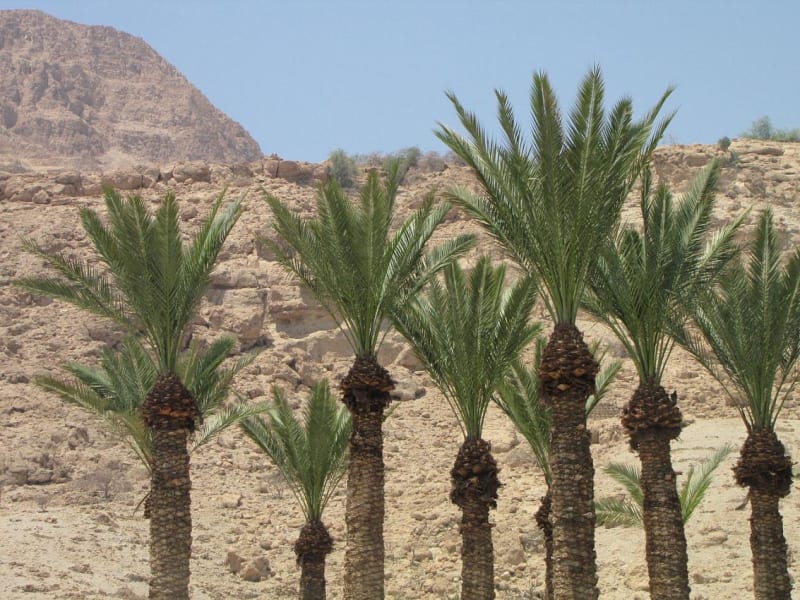
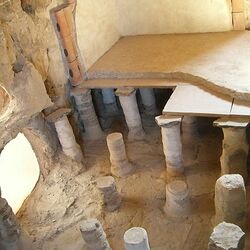
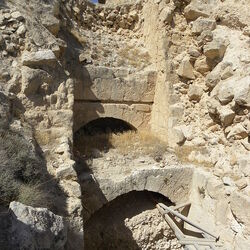
Tel Goren Hill, on which Ein Gedi stands, is an important site for archaeology. Here you can find the ruins of the original water supply system of the ancient city and fragments of a synagogue built in the Roman-Byzantine period, remains of mosaics were found in it, among which were even an image of a swastika painted before our era. An Aramaic text was found on the well-preserved floor of the synagogue. In which it was said about the punishment of the Almighty, awaiting the one who tells the "secrets of the city." Scientists think that the "secrets" meant the recipe for the balm.
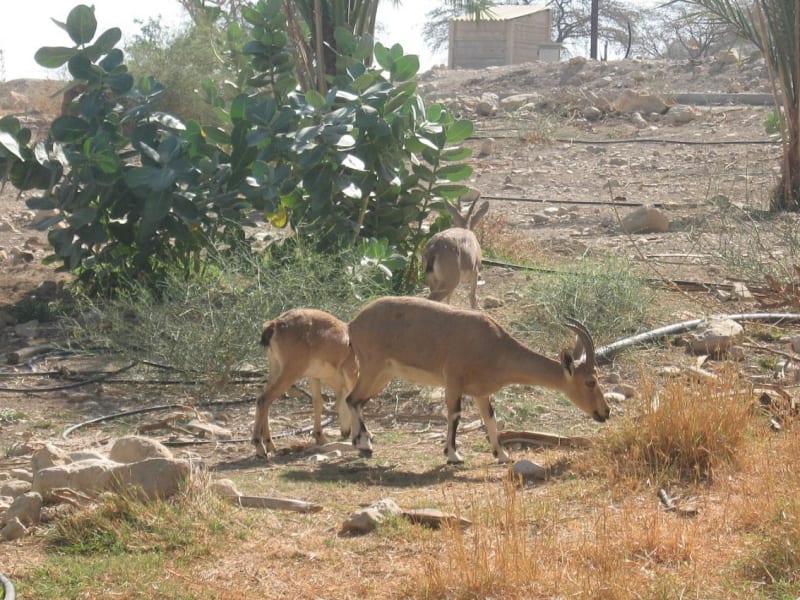
There are many animals in Ein Gedi National Park. The local animals are used to the friendly attitude of visitors, and do not run away at the sight of strangers. Of the animals, it is worth noting damans - animals that have some kind of suckers on their paws that allow them to walk on steep mountains. Gazelle often catches the eye, which is considered a symbol of beauty and dexterity. In ancient times, Israel was even called "Eretz ha-zvi", which means the land of gazelles. Mountain goats amaze visitors with their fearlessness. Of the predators, leopards are present, hunting mainly wild boars, as well as domestic animals on the kibbutz. Wild Libyan cats, foxes, and hyenas will not give up their prey in the kibbutz.
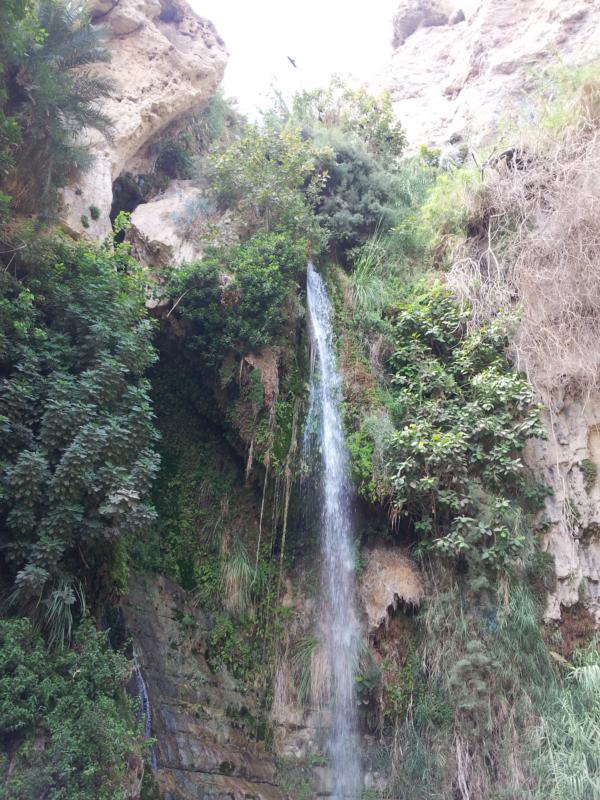
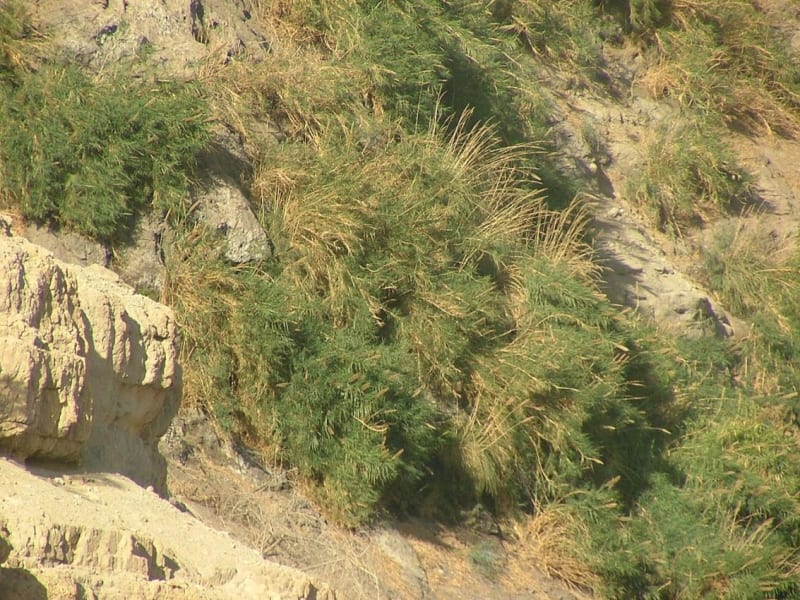
The vegetation of Ein Gedi is no less rich. Near the rivers grow: tamarisks, oleanders, various reed plants, as well as papyrus, which was destroyed in Egypt. Since the area here is deserted, the vegetation of the savannah prevails. The unabi tree grows in this area, shrouded in thorns. The thorns of this tree are called the needles of Christ, because it was from the tree that the crown of thorns was woven for Christ. Acacia is also common here, spreading its branches, protecting its roots from drying out and collecting night dew. Acadia is strong enough, and according to the Covenant, an ark was made from it, in which the Tablets with the 10 Commandments were kept.