Monument to the victims of the Holocaust
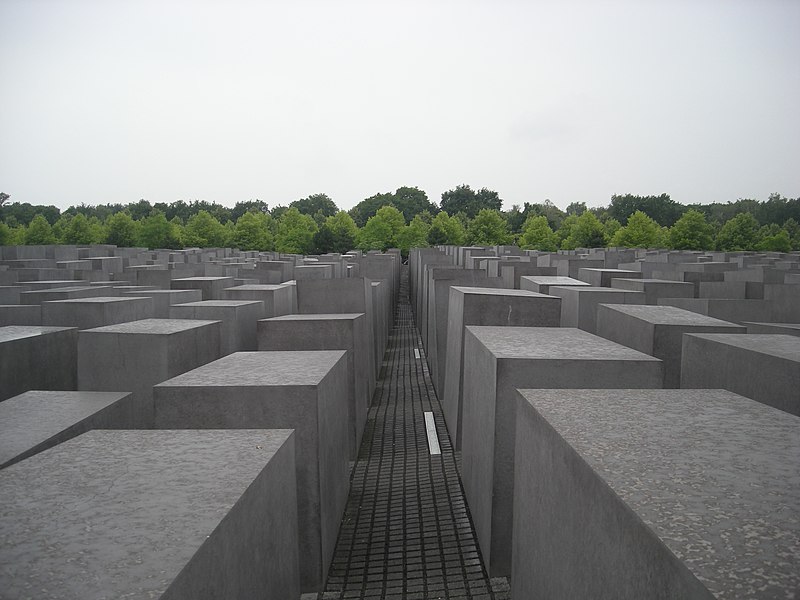
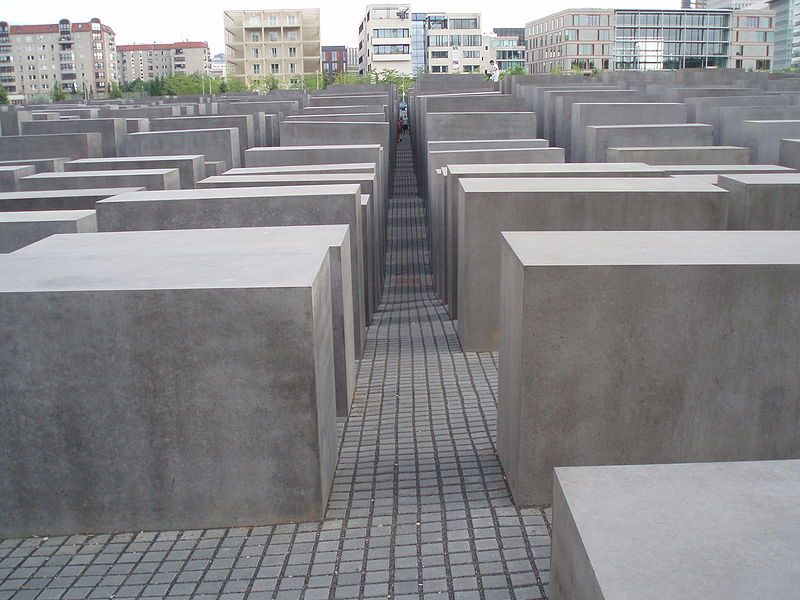
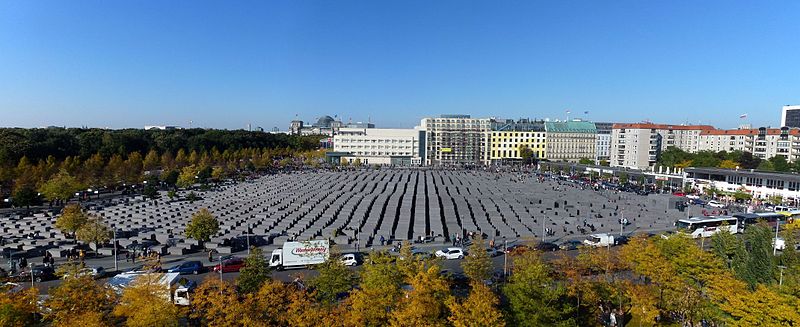
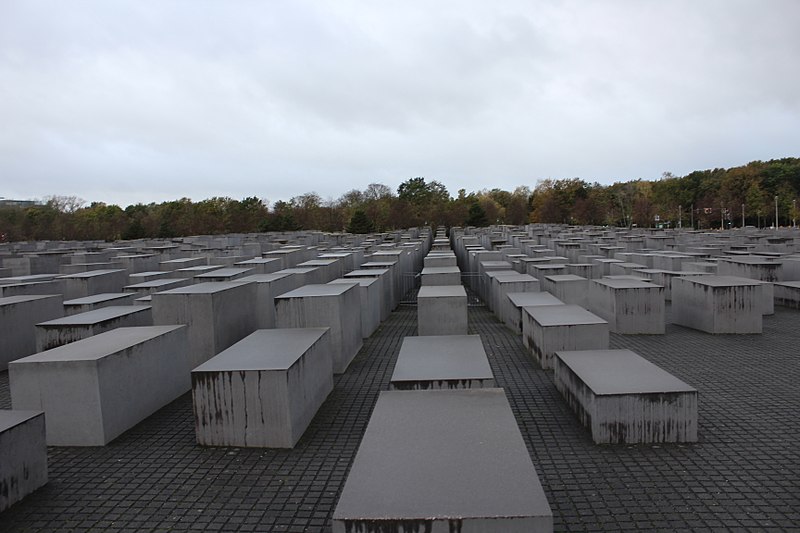
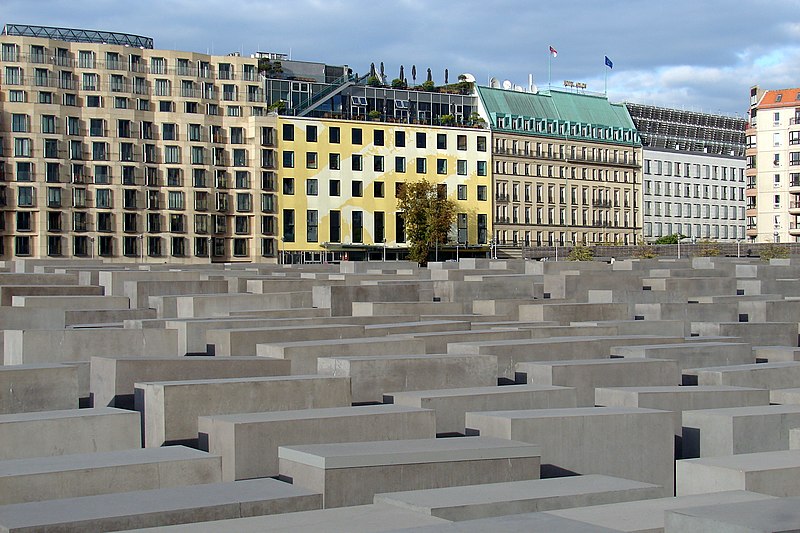
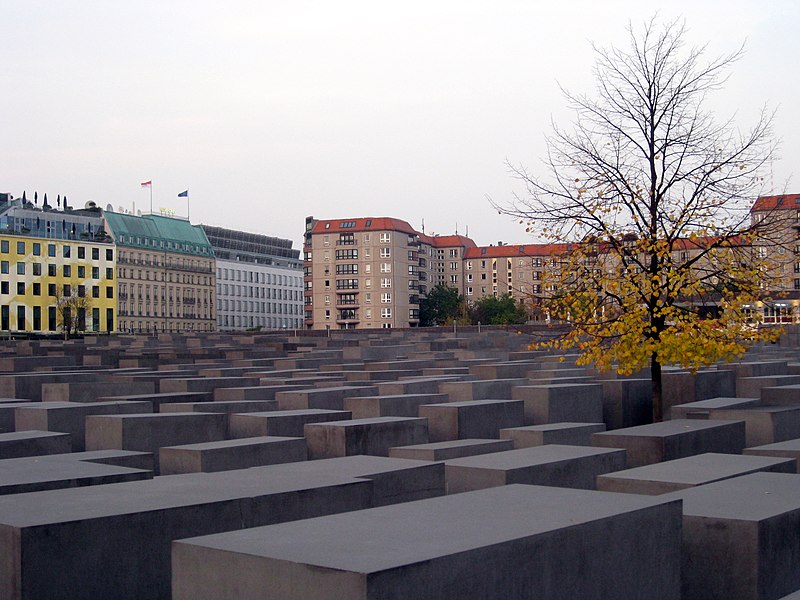
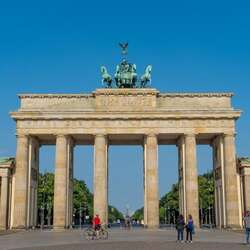
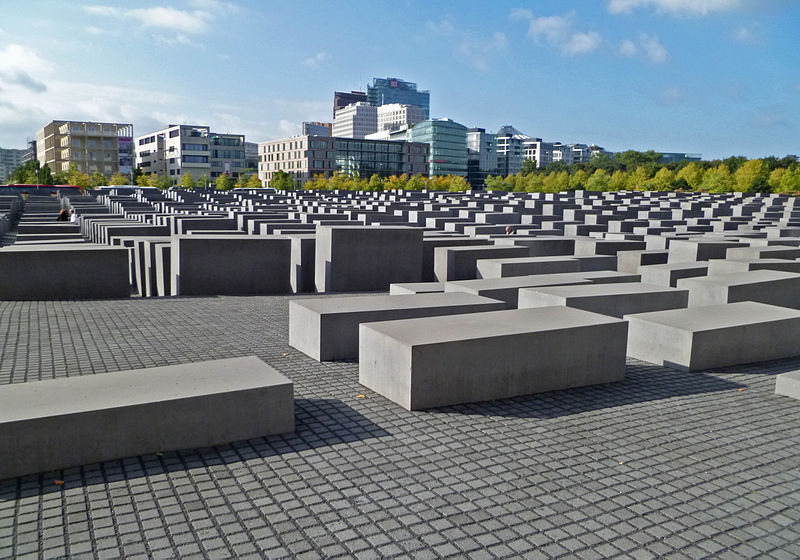
The Holocaust Memorial is a memorial erected in the center of Berlin in order to honor the memory of Jews who suffered at the hands of the Nazis. The monument is located near the Brandenburg Gate. 2,711 concrete slabs of various sizes are lined up on a huge field.
The Holocaust in history
Literally, the term "Holocaust" is translated from Greek as "burnt offering." This is how the Nazis began to call the mass extermination of races and social groups of people during the Second World War. Supporters of Hitler's ideas formed a negative attitude towards representatives of non-traditional sexual orientation, the Communist Party, mentally unstable citizens, the Jewish and Gypsy diaspora. 6 million innocent people died a year at the hands of the Nazis during the war.
The idea of emergence
The author of the idea is considered to be the publicist Leia Roche, who in 1988 expressed her intention to honor the memory of Jews. She created a foundation that was responsible for choosing the site and raising funds for the installation of the memorial. A few years later, funds were raised, and a competition was announced to develop a monument project. In total, more than 520 authors participated in the selection. The project of Peter Eisenman, an American architect, was recognized as the best. The construction of the monument began in 2001 and ended 4 years later.
Description of the monument
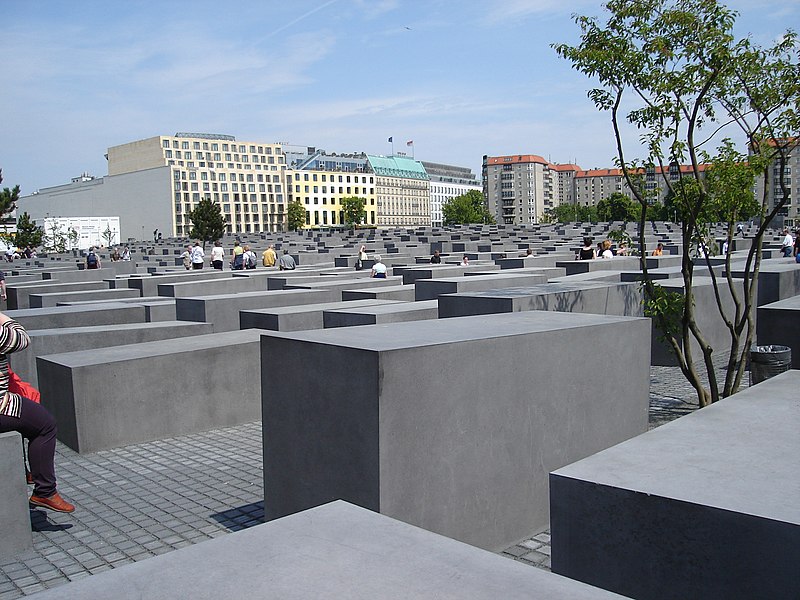
The foundation's main requirement for the monument was the absence of Jewish symbols. According to the author's idea, the memorial was a maze of faceless slabs. The plates are installed close to each other, one person can pass between them.
Concrete sarcophagi have a similar base, but different heights. The deeper you go between them, the higher the "wall" becomes. They are made of a special type of concrete that is resistant to paint and water. There are no inscriptions on the slabs. Once between the slabs, a person feels hopelessness and fear. Despondency and despair haunt everyone who walks past the featureless concrete, trying to find a way out. The trees are visible at the end, and the blue sky is above, but the stone maze does not let anyone out to the place where life is in full swing for a long time. A similar sense of doom was felt by those who were sentenced to death during the war.
There is an information center under the memorial, which contains information about all victims of the Holocaust. Relatives can find information about the place of their death, the history of persecution and execution. The museum has 6 halls in which the victims' personal belongings and photographs are preserved.
Relation to the memorial
After the stone forest appeared in the center of Berlin, there were conflicting opinions about it. Members of the Jewish diaspora acknowledged that the memorial is not the best form of expression of grief. The residents of Berlin themselves, who live near the Monument to the Victims of the Holocaust, expressed their dissatisfaction with the choice of a place for its installation. In the midst of the bustling life, an island suddenly appeared, more like a stone cemetery. All these points of view indicate that the memorial makes an indelible impression on people.
Every year, millions of tourists come to the monument, who want to honor the memory of those who died during the Second World War.