West Lake
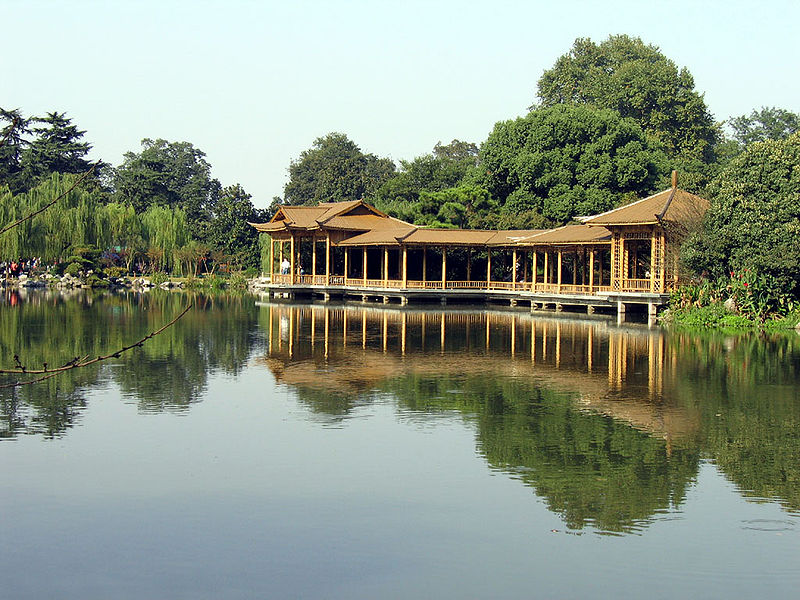
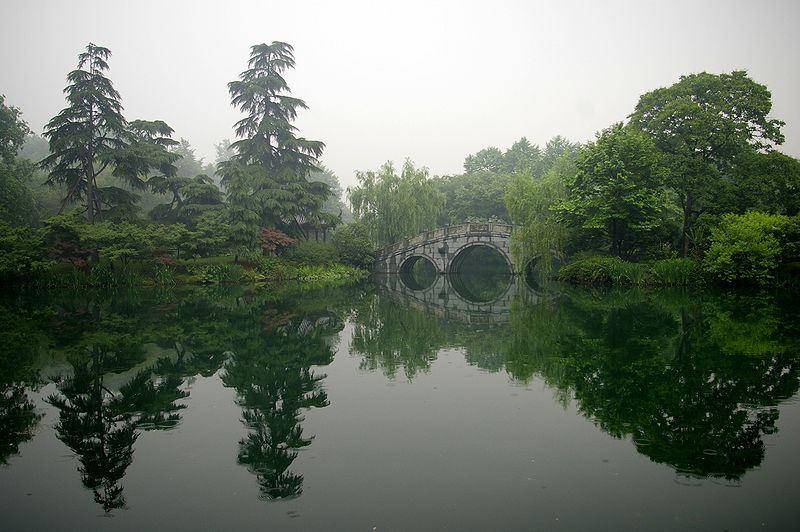
Xihu Lake is located in the easternmost part of China and is a real attraction of Hangzhou city. The lake has long been famous for its scenic beauty, which attracts many tourists, both from China and from other countries of the world. The lake has a coastline of 15 km and an area of 5.8 km2.
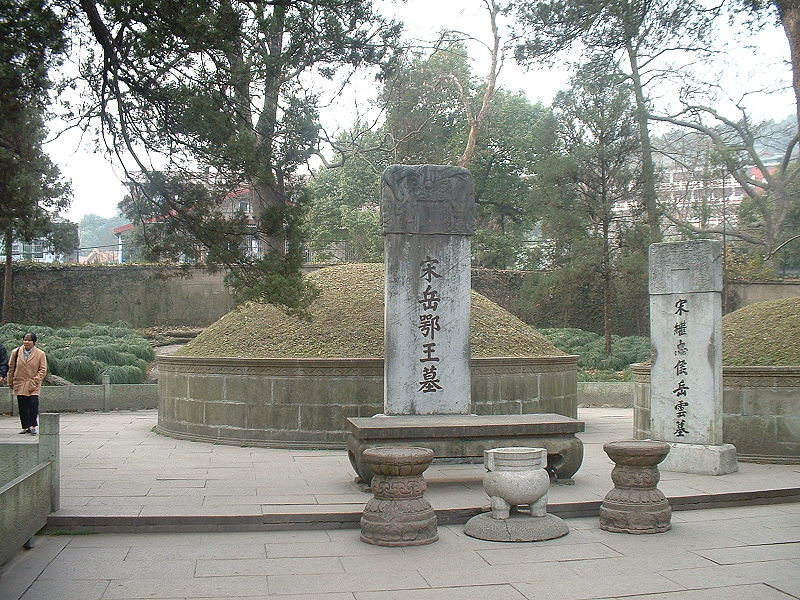
Xihu Lake also gained worldwide fame thanks to ten named famous places, including "The Moon over the peaceful lake in autumn", "Two peaks piercing clouds" and others. Together they are called the "10 kinds of Xihu". Near each such place there is a slab where four corresponding hieroglyphs are applied, using a special imperial instrument.
Lake Xihu is about 2,000 years old, and previously a river flowed in its place. Even during the reign of the Tang Dynasty, this glorious reservoir was twice the size of modern ones.
As you know, since 781, the ruling governor of the city took care of the drinking water of the locals and ordered to dig six wells that were connected to the lake by pipes that went underground. To date, only the ruins of one of these wells have been preserved.
The subsequent governor, who ruled here at the end of the 8th century, took care of the fields, which at that time were suffering from droughts. He ordered the construction of a strong dam in this place, with the help of which the issue of controlling the water level, as well as increasing yields, was resolved. Also, thanks to this ruler, a number of trees were planted along the road adjacent to the lake, which complemented the local landscapes.
At the time when Hangzhou was designated the capital of Yue County, the coastal area turned into a trading center, where not only local but also overseas merchants were located. As you know, in the era of Wu Yue, Buddhism prevailed here, and therefore many different temples were erected in the surrounding area, which carried the Buddhist faith.
Around 1227, Hangzhou was chosen as the capital of the Southern Song Dynasty. Since that time, there has been a sharp rise in the economy, as well as the growth of the local population. It was then that rumors spread about the most wonderful natural landscapes of the area, which were readily described in poems and poems.
Later, the construction of railways, as well as highways, led to an increase in the number of tourists near the shores of Lake Xihu. From that moment on, the local government began to refine the area to attract travelers.
In 1929, an exhibition was organized on the lake for the initiatives of local authorities, which had an international character. At that time, there were about 20 million visitors here.
Hangzhou city was transformed into the main tourist center of China after the organization of the PRC. Since that time, work has been actively underway to improve the territory, as well as deepen the reservoir. Parks have also been organized around the lake, where you can have a good time with the whole family.
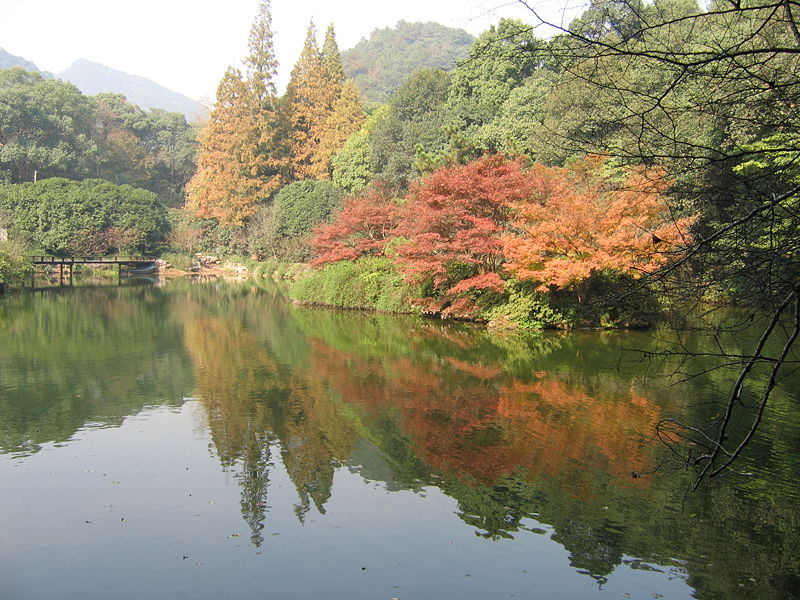
As for the local flora, it is quite diverse: wonderful flowers of magnolia, sakura, osmanthus and many other flowers delight the eyes of visitors. The shore of Lake Xihu is planted with a large number of peaches, and it is especially beautiful in this place when the color of magnificent peaches blooms. Since the beginning of summer, you can admire the wonderful lotuses that bloom all summer long. In autumn, numerous osmanthuses can be seen around the lake, which is considered a symbol of Hangzhou. During the Chinese New Year holidays, it is impossible not to notice the blooming of the Meihua plum here.
The government also takes great care of the local fauna and ecology, which makes the local environmental situation improve every year. Carp can be found in the reservoir, and mallards and kingfishers are found on the coastal territory.
The climate on Lake Xihu is mild, which allows you to visit this area all year round.
Xihu Lake also has a beautiful legend called "The Legend of the White Snake." This story has long captivated people, because it talks about the beauty, wisdom and devotion of two sisters.
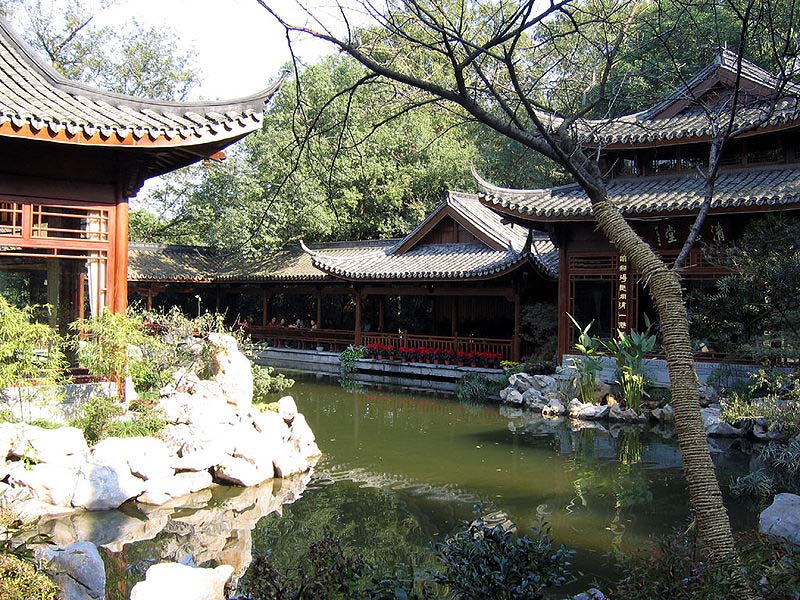
The wonderful Xihu Lake attracts many visitors, because its surroundings have a very well-developed tourist infrastructure.