Mogao Caves
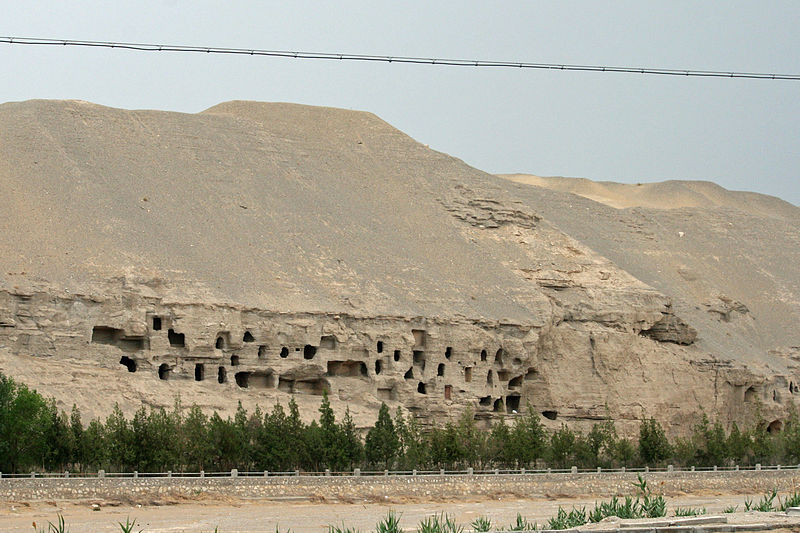
Mogao Caves are located on Singing Sands Mountain in Dunhuang. This is an early temple in China, built in 353-366 AD and is the oldest handmade creation. According to legend, the caves appeared due to the fact that some Chinese pilgrim Le Tzu-nu had a vision of a thousand golden Buddhas. It was an iconic symbol, after which they decided to carve a rock in this holy place.
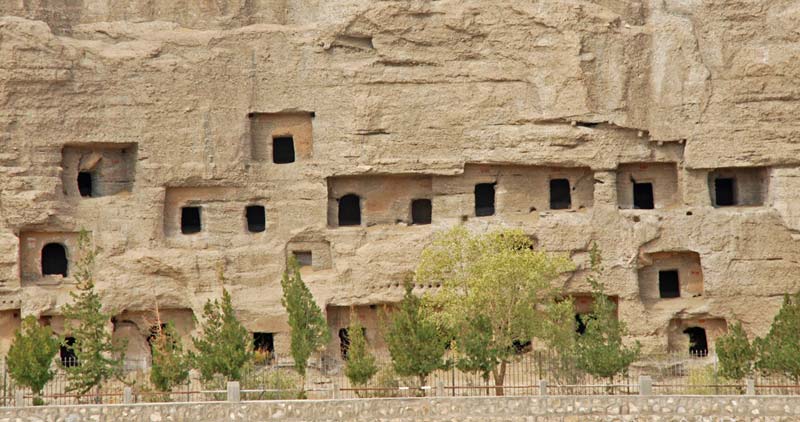
Later, many people put a lot of work and effort into creating a work of art of gigantic proportions. A thousand caves were created, the main accent in the decoration of which was fresco painting, as a result, all the walls of the caves were covered with murals painted with colorful adhesive paints on dry ground. Because of the huge number of caves created, the complex has received a different name - the "Caves of a Thousand Buddhas".
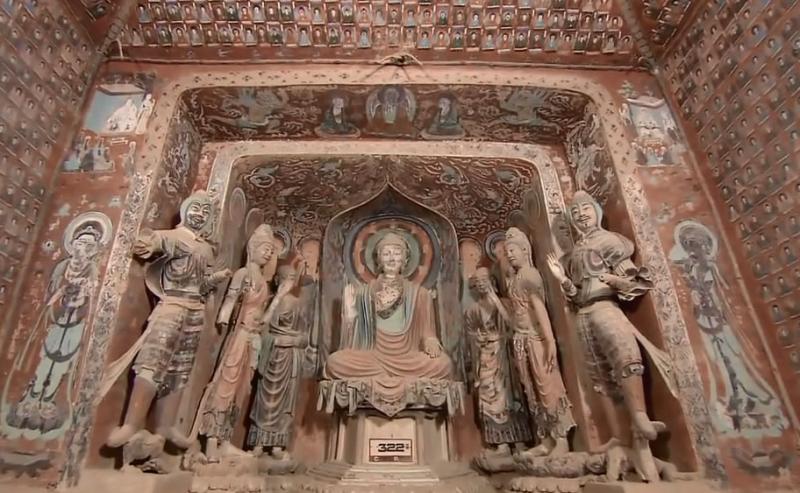
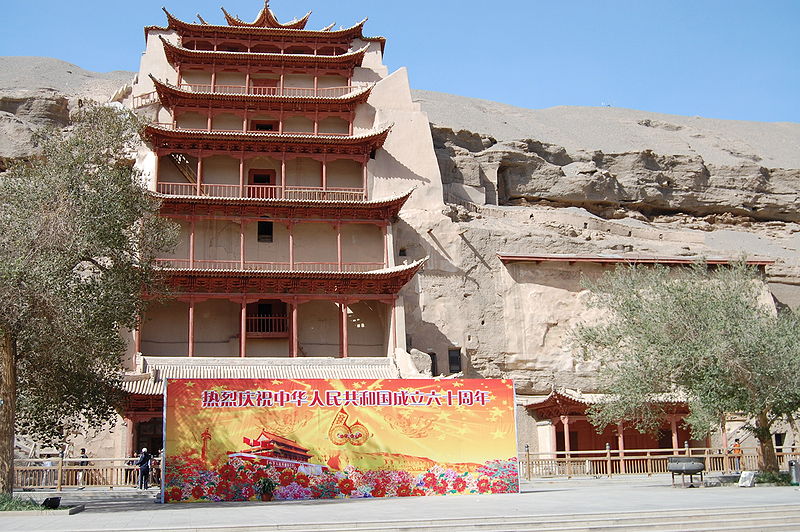
Mogao cave temples are a harmonious combination of architectural, fresco and sculptural styles.
The largest caves of Mogao cover an area of 45 thousand square meters, where there are many caves of various sizes connecting to each other, the smallest of which is 1 meter high, and the largest reaches 40 meters. The entire complex has several levels and stretches for 1,700 meters in length. 492 caves have survived to this day.
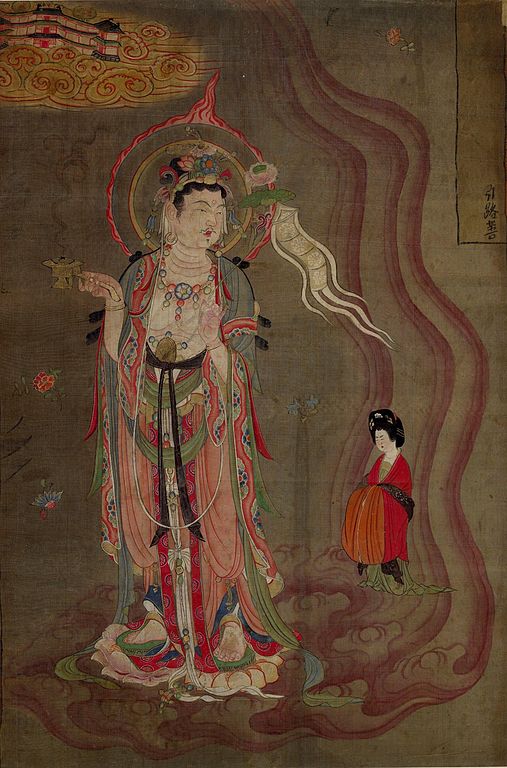
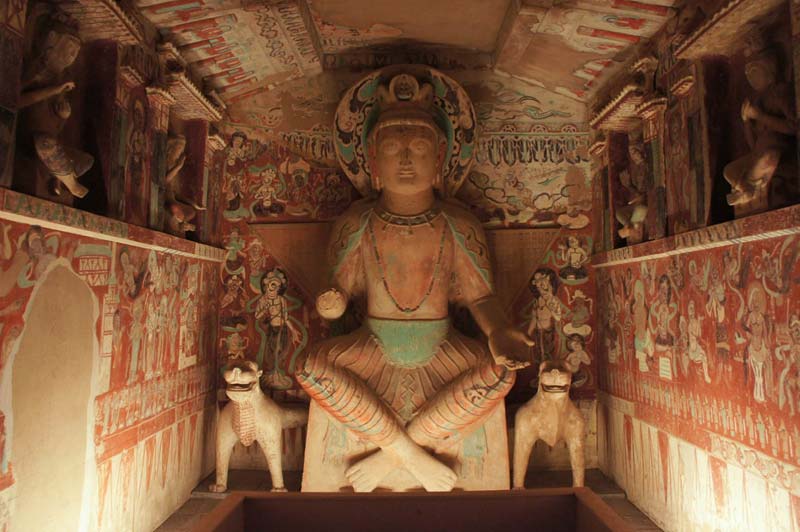
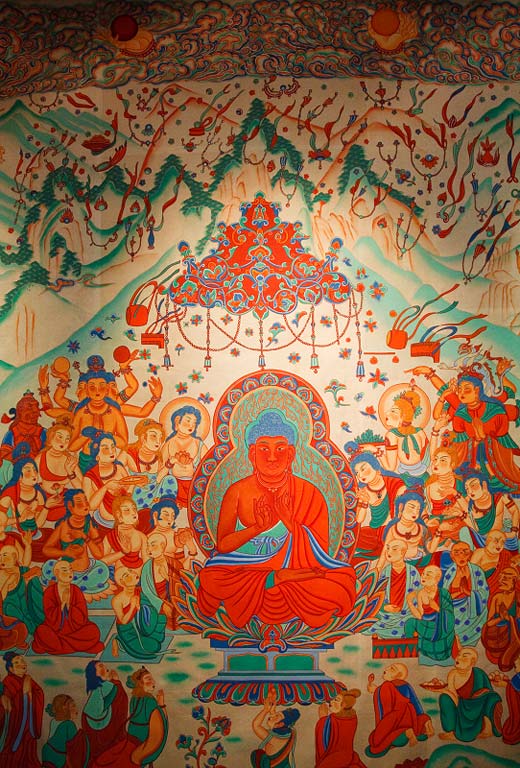
Mogao Cave Complex houses a huge collection of works that showcase Buddhist culture and art. There is a whole gallery of priceless sculptures, wall paintings, as well as various thematic drawings on silk, engravings, embroidery and similar works by ancient craftsmen.
The material for Buddhist sculptures was a natural material – clay. The most valuable of these are the figures that were created before the Tang Dynasty.
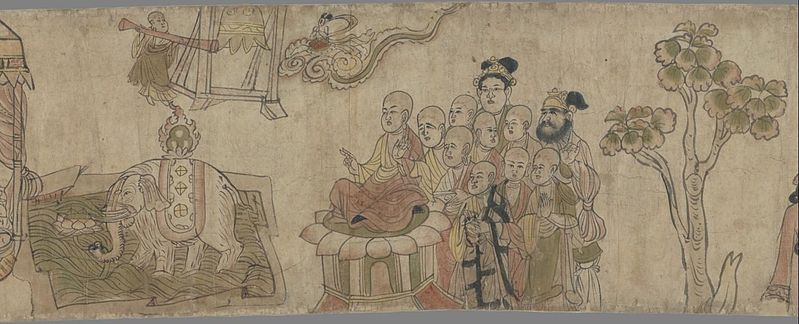
Fresco paintings represent portraits of saints, monks, emperors and ordinary people, subjects from Buddhist canons, various legends. Some caves are completely covered with paintings, characterized by dynamism and vitality. On the walls, you can see musicians performing, celebrating and having fun at a feast, working in the field, fishing, a king saving a deer, warrior tournaments and many other diverse subjects. Despite the fact that a lot of time has passed, the paintings have not lost their brightness and clarity. The works of art of Mogao caves are called the wall library.
Mogao Caves are included in the UNESCO World Heritage List. Visitors can explore several caves preserved in the original and seven recreated again. Access to the cave complex is only possible if accompanied by a guide, and photography inside the caves is strictly prohibited.