South Luangwa National Park is one of Africa’s best-known wildlife reserves, located in eastern Zambia. Covering about 9,050 km², it protects a large section of the Luangwa River Valley. Riverine forests, savannas, seasonal floodplains, lagoons and open woodlands support a remarkable variety of wildlife. The park is particularly famous for leopards, large elephant herds and walking safaris.
Geography and landscapes
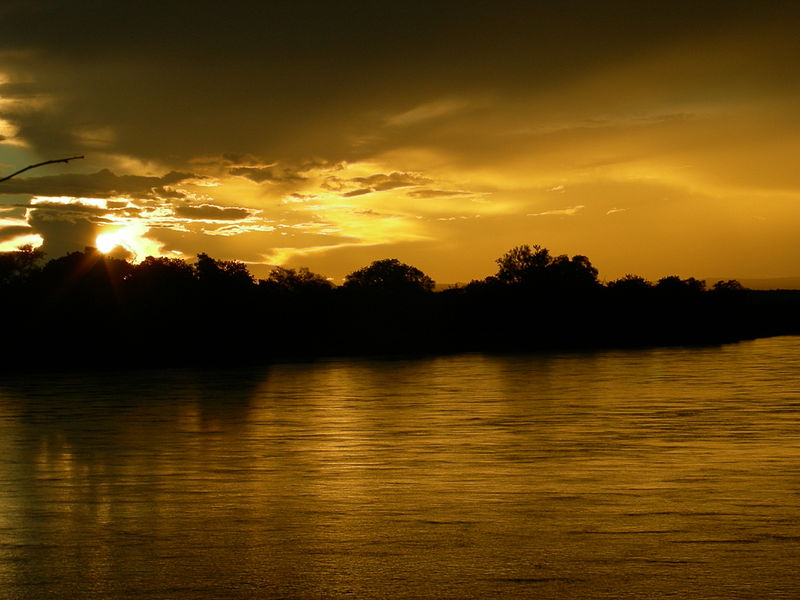
The park lies in the Luangwa River Valley in eastern Zambia. The land rises toward the Muchinga Escarpment in the west, while the eastern areas are shaped by the river valley. The Luangwa River forms sweeping bends, sandbanks, oxbow lagoons and floodplains. Seasonal floods replenish wetlands, while in the dry months the remaining pools become important gathering places for wildlife.
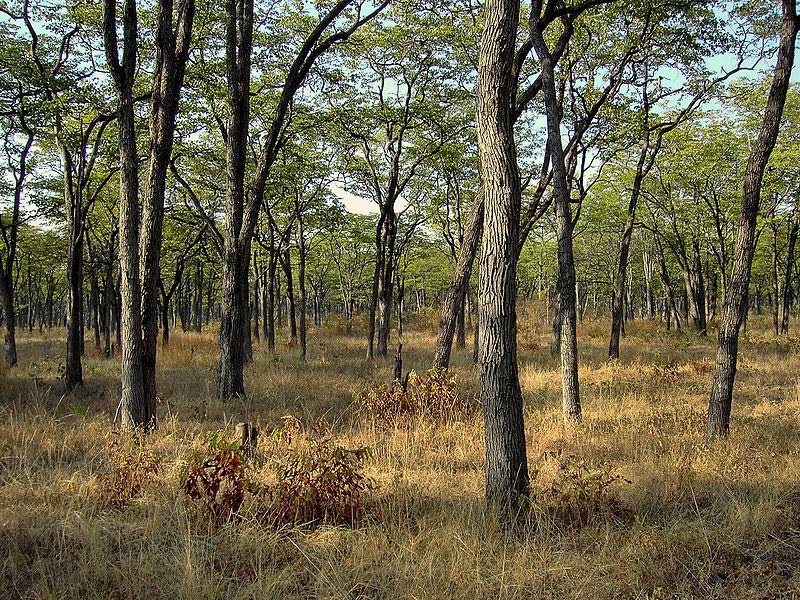
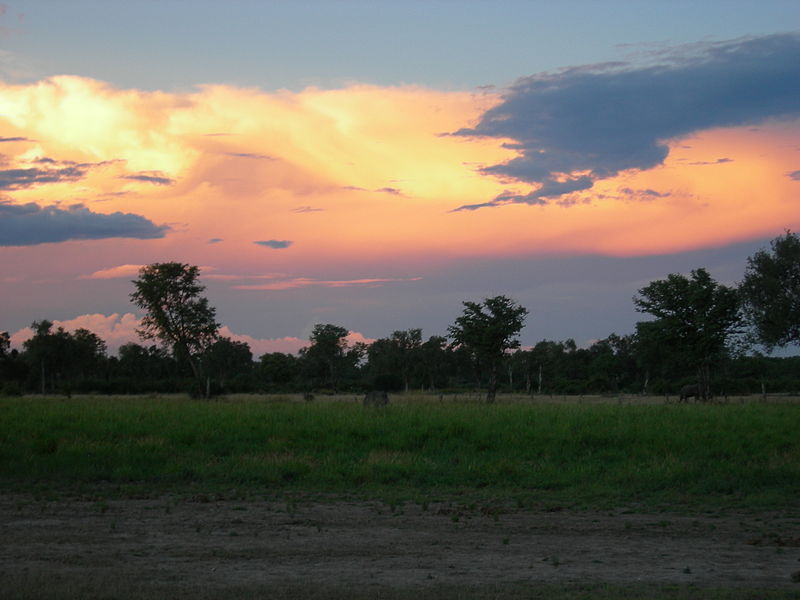
Riverbanks support gallery forests and trees adapted to periodic flooding. Farther from the water are mopane woodlands, dry scrub, open grassland and denser woodland. Baobabs stand out across parts of the savanna. This variety of habitats supports a rich ecosystem and offers opportunities to observe different animals across the park.
History of the park
Nature conservation in the Luangwa Valley developed gradually. The area was protected during the first half of the twentieth century, and South Luangwa was officially designated a national park in 1972. Conservationist Norman Carr played an important role in promoting wildlife tourism based on observing animals rather than hunting them.
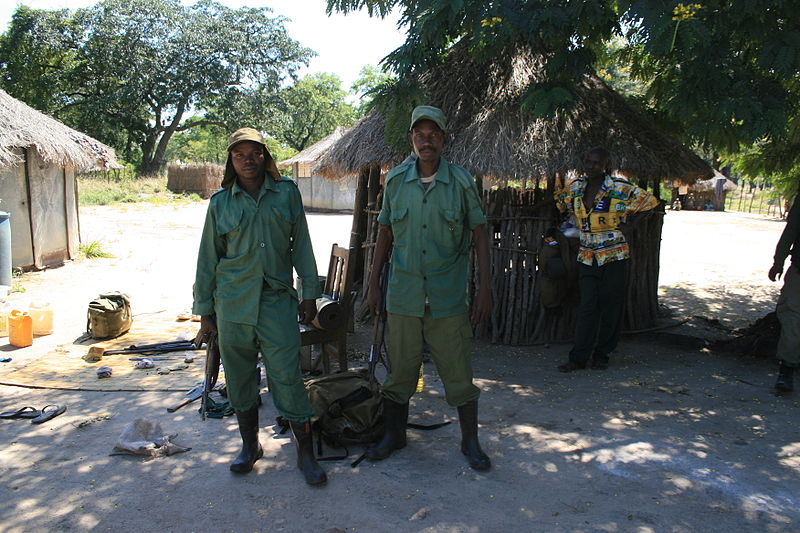
South Luangwa is closely associated with the development of walking safaris in Africa. Accompanied by experienced guides, visitors explore the bush on foot and learn to notice tracks, insects, plants, birds and changes in the landscape. Walking activities follow strict safety rules and require professional supervision.
Wildlife
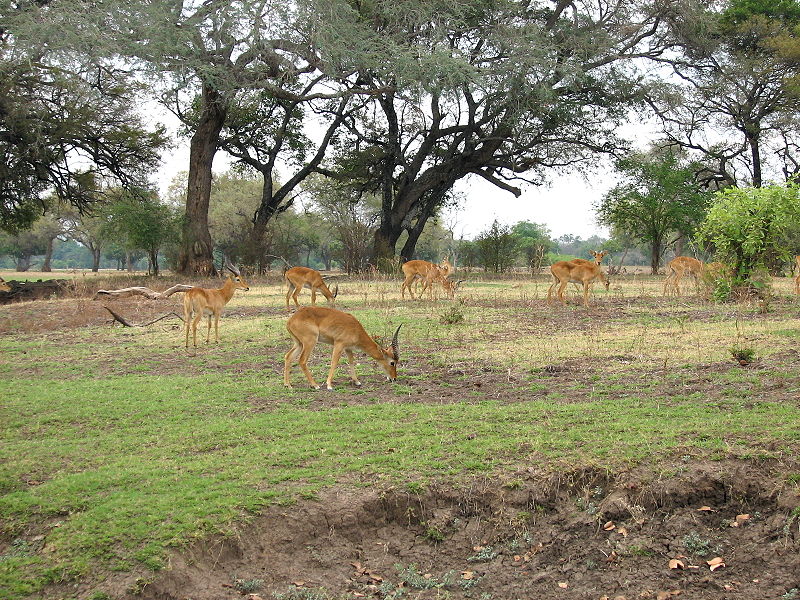
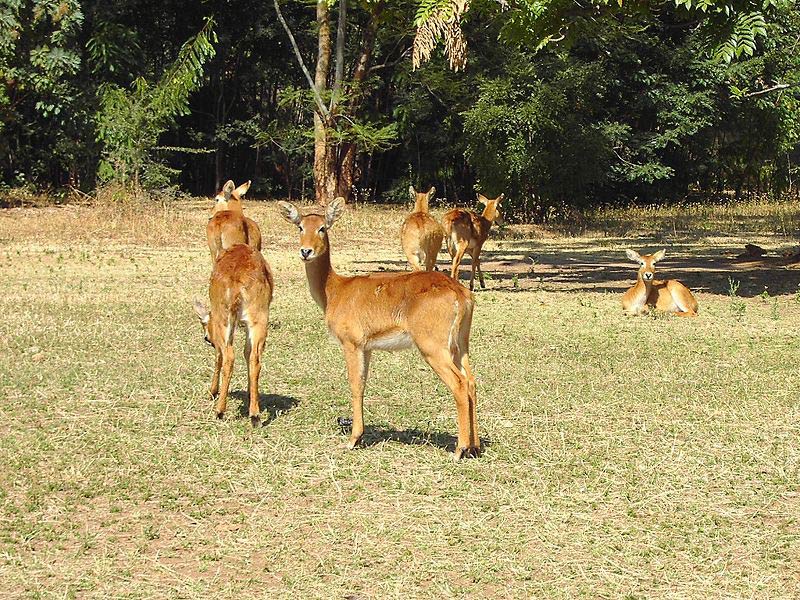
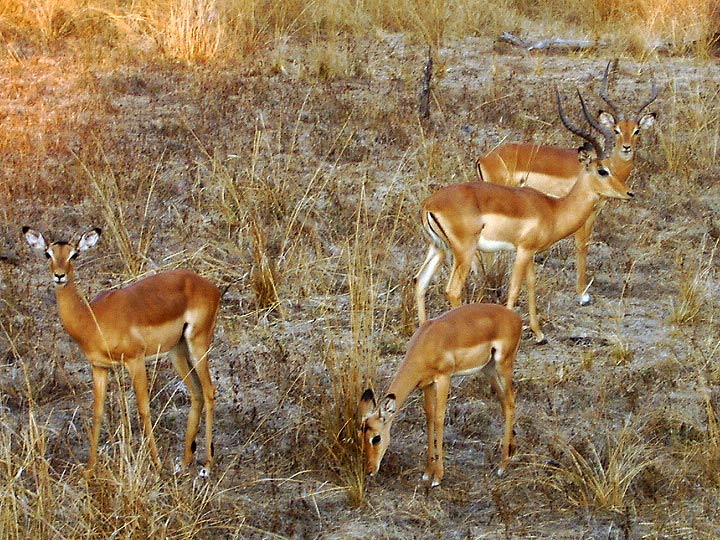
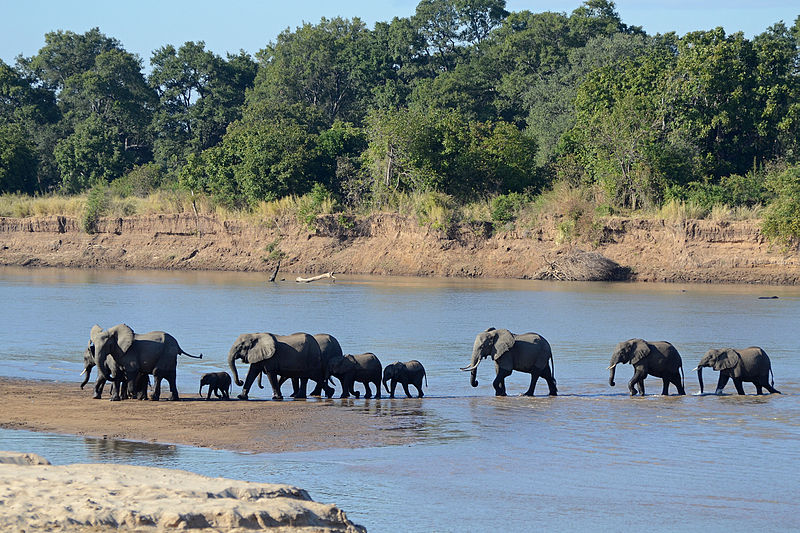
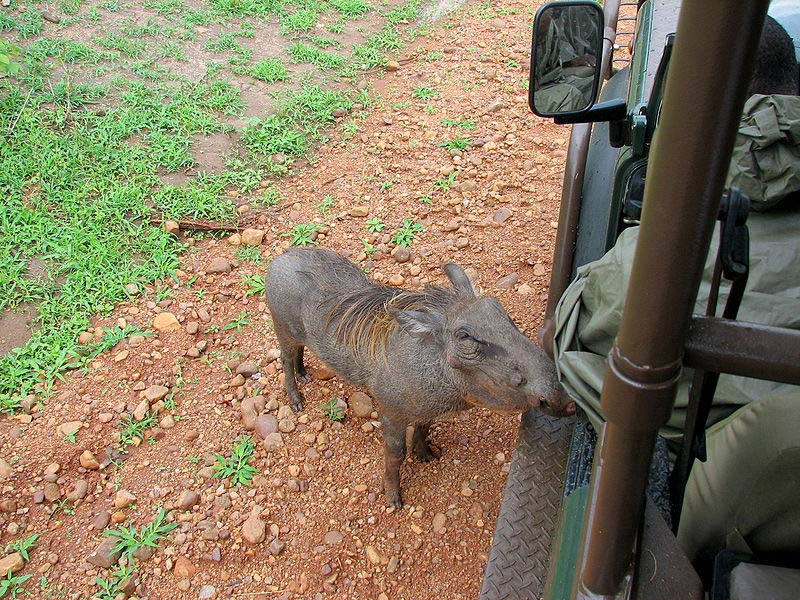
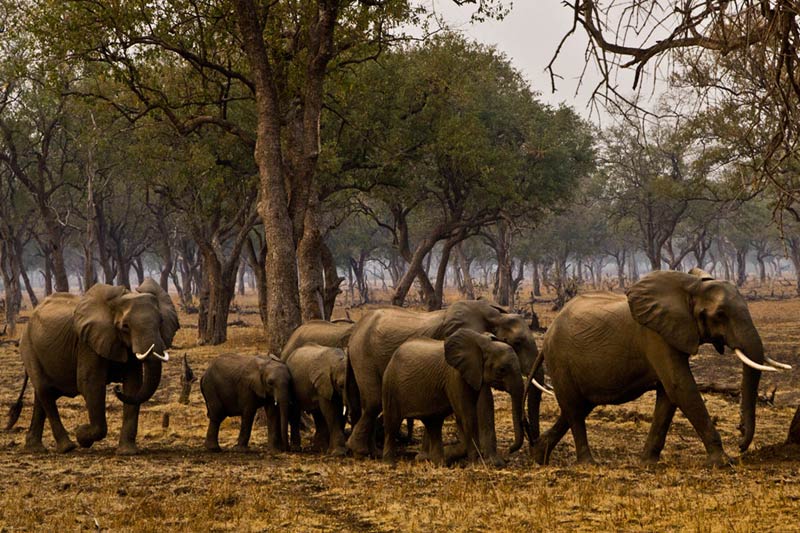
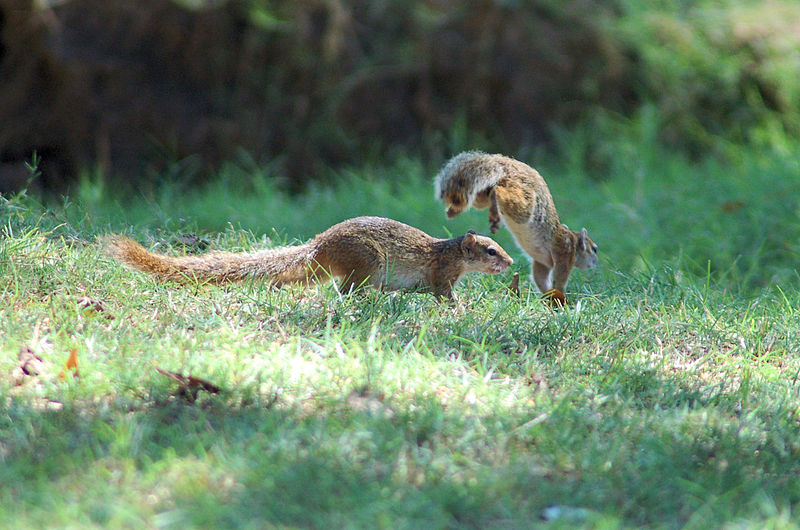
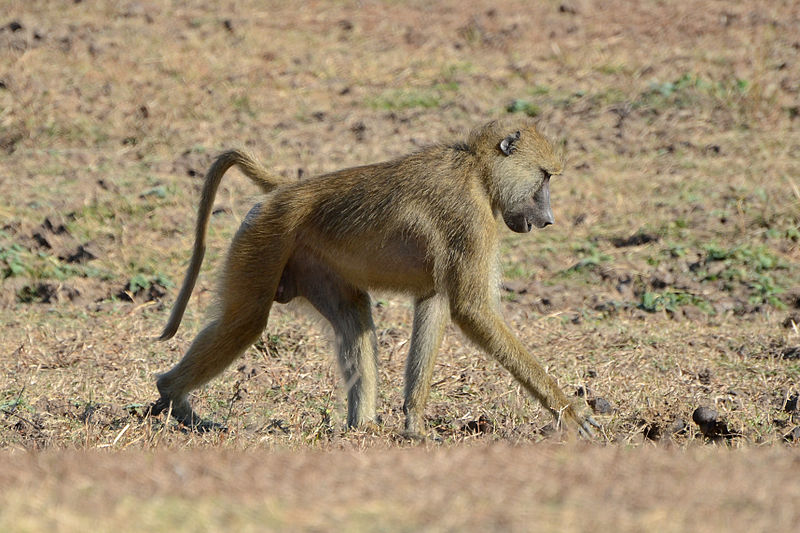
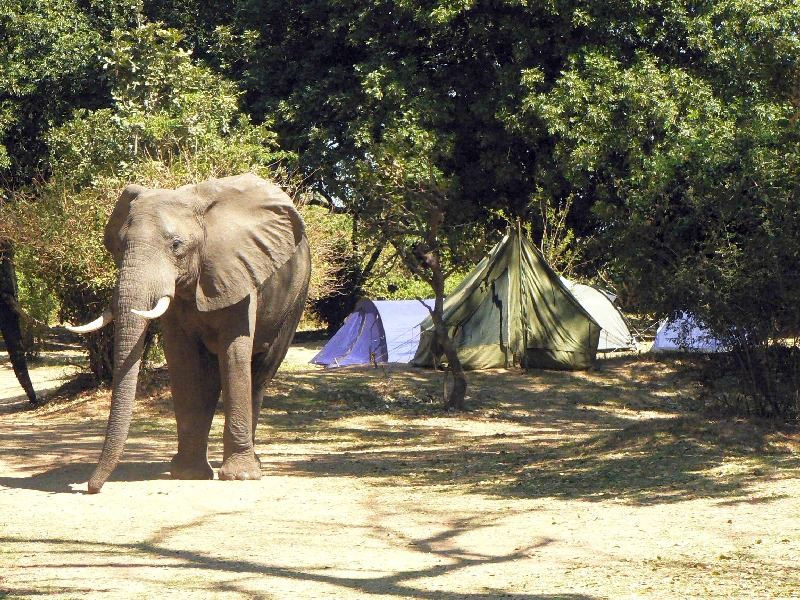
South Luangwa supports African elephants, buffalo, lions, leopards, spotted hyenas, hippos, crocodiles, zebras and numerous antelope species. Depending on the season and location, visitors may see impala, waterbuck, puku and bushbuck.
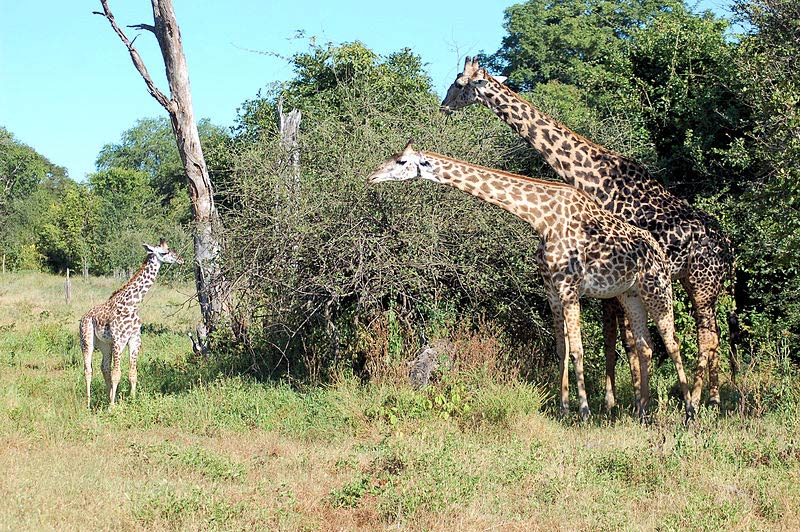
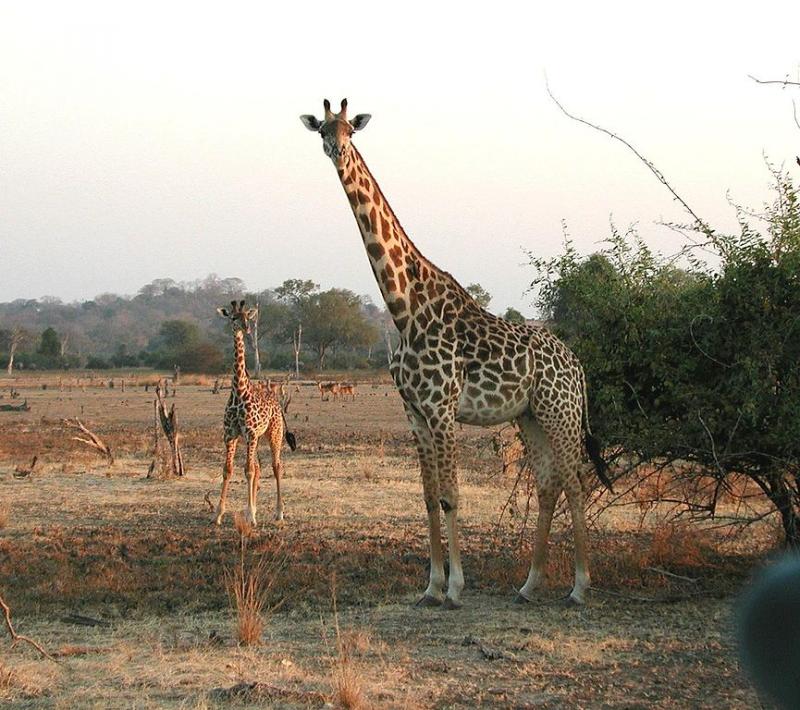
The park is especially associated with Thornicroft’s giraffe, characteristic of the Luangwa Valley, and Cookson’s wildebeest, which is also linked to the region. South Luangwa is often called the Valley of the Leopard: riverside vegetation and abundant prey provide suitable habitat for these elusive cats. However, sightings of any particular species are never guaranteed.
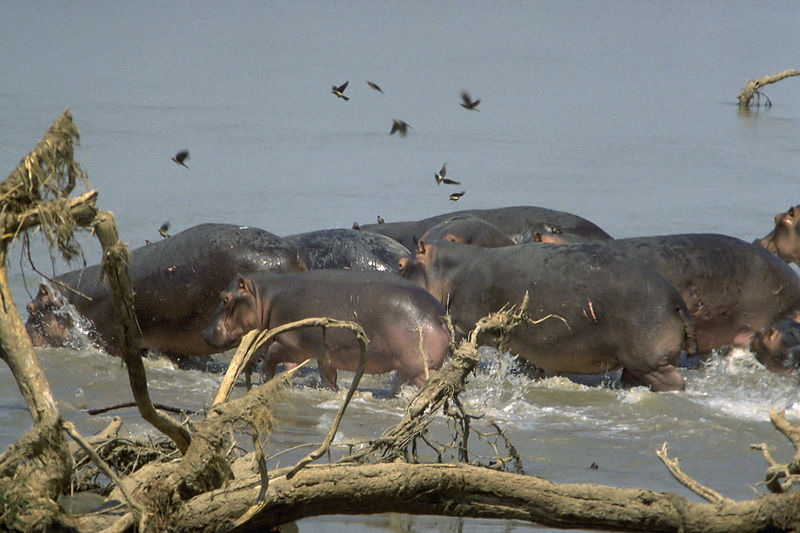
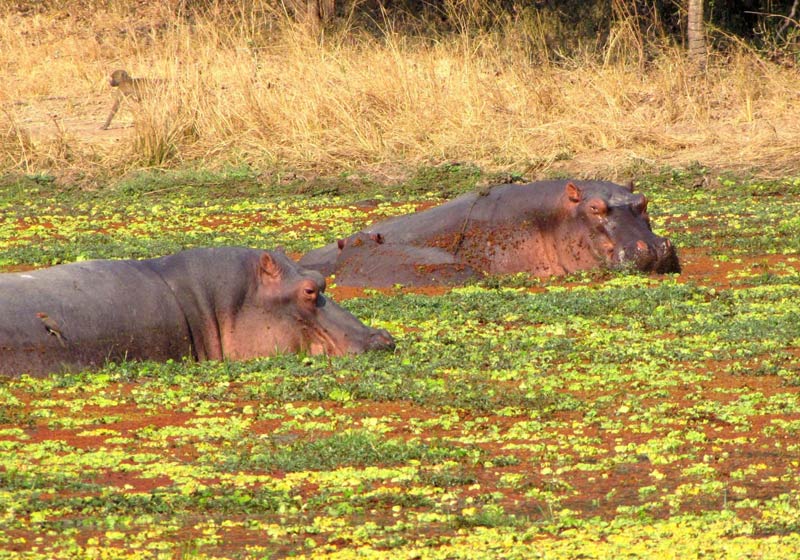
The river and its lagoons are vital habitats for hippos and Nile crocodiles. During the dry season, hippos gather in deeper pools, while crocodiles can often be seen along the banks and on sandbanks. Herbivores graze in open areas, where predators may also be active.
Birdlife
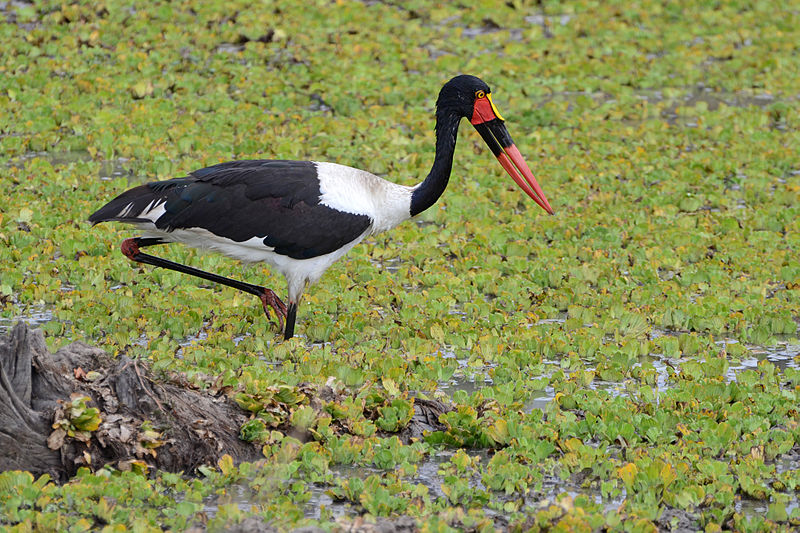
More than 400 bird species have been recorded in the park. Eagles, kingfishers, herons, storks, bee-eaters, owls and waterbirds are among those found here. Riverbanks, lagoons and floodplains are especially rewarding places to watch birds feeding on fish and invertebrates.
Migratory species arrive during the rainy season, when lush vegetation transforms the landscape. Birdwatchers should bring binoculars and a camera lens with a good zoom.
Walking safaris and other activities
Walking safaris are one of South Luangwa’s signature experiences. Accompanied by rangers and qualified guides, visitors learn about animal behaviour and how to identify tracks while experiencing the bush at close range. Participants must remain with the group and never approach wildlife independently.
Game drives in four-wheel-drive vehicles are also popular. Morning drives offer cooler conditions, while evening outings can reveal predators becoming active before nightfall. Night drives may be available in some areas under local rules. Photographers can look beyond large mammals to birds, landscapes, river bends and animal tracks in the sand.
Best time to visit
The dry season, generally from May to October, is usually best for observing large mammals. As water becomes scarce, animals gather around the Luangwa River and remaining pools, while thinner vegetation makes sightings easier. July to October is especially popular, although late in the dry season temperatures can become very high.
The rainy season lasts from November to April. The landscape turns green, flowers appear and migratory birds make the park attractive to birdwatchers. However, some roads become difficult to use and some camps and lodges close seasonally. Check access and accommodation availability before travelling.
How to get there
The main gateway is the Mfuwe area near the park’s eastern boundary. Domestic flights, including services from Lusaka, can bring visitors to the area, followed by a transfer to a lodge or camp. Road travel through eastern Zambia is also possible, but journeys can be long and the condition of unpaved roads varies with the season.
Because the park is extensive, plan your accommodation and transport in advance. Many lodges arrange transfers and safari activities. Self-driving requires a suitable vehicle, careful preparation and strict compliance with park regulations.
Practical tips
Pack lightweight neutral-coloured clothing, closed shoes, a hat, sunscreen, insect repellent, binoculars and a camera. Mornings can be cool during the dry season, so a light jacket is useful. In hot weather, drink plenty of water and take precautions against overheating.
This is a wilderness area, not an ordinary urban park. Do not feed animals, leave your vehicle except where permitted, or approach predators. Walking safaris should only be undertaken with authorised guides. Consult a travel-health professional before your trip for current advice on malaria prevention and other health precautions for the region.
Conservation
The park protects essential habitats for large mammals, birds and many other organisms. Maintaining the Luangwa River and its natural seasonal cycle is vital: floods sustain floodplain forests, lagoons and grasslands. Surrounding wildlife management areas also contribute to the wider ecosystem.
Challenges include poaching, pressure on natural resources and the need to balance wildlife protection with the needs of local communities. Responsible tourism and respect for park regulations help preserve South Luangwa for future generations.
Why visit South Luangwa
South Luangwa is ideal for travellers who want to experience Africa’s wildlife in many forms, from elephants and leopards to birds, riverine forests and open savanna. It combines exceptional wildlife with opportunities to explore the bush on foot alongside professionals. The experience is shaped not only by encounters with large animals, but also by tracks in the sand, bird calls and the changing character of the river through the seasons.
Gallery