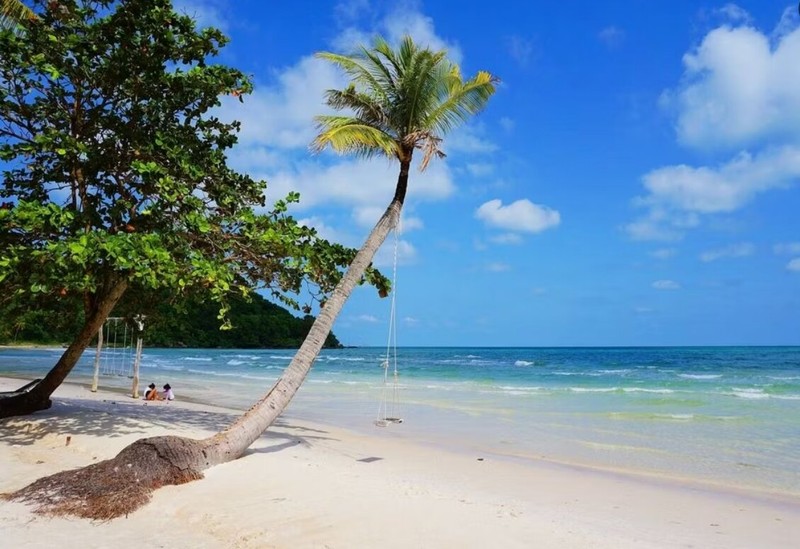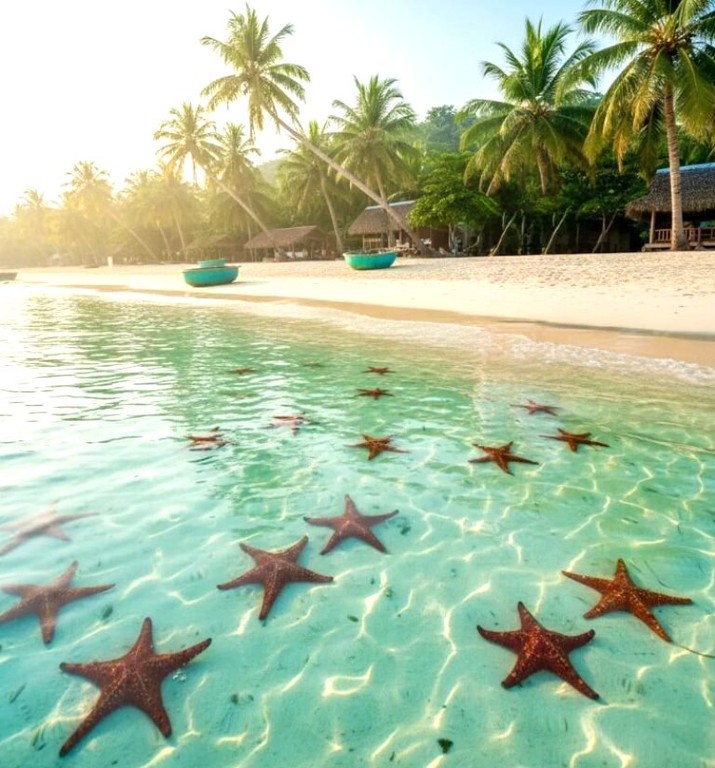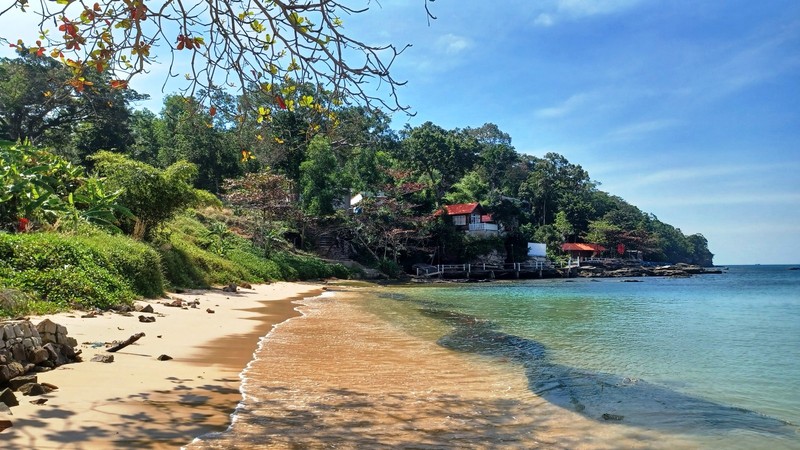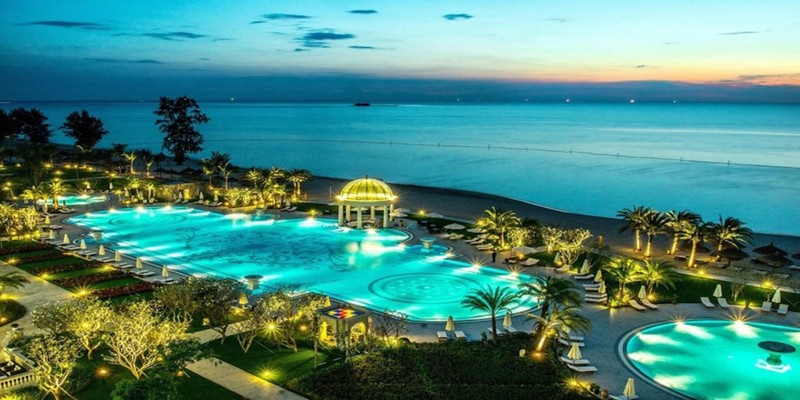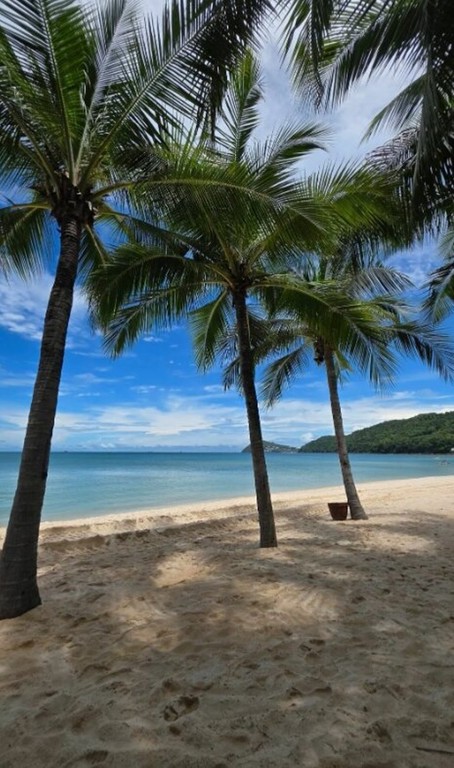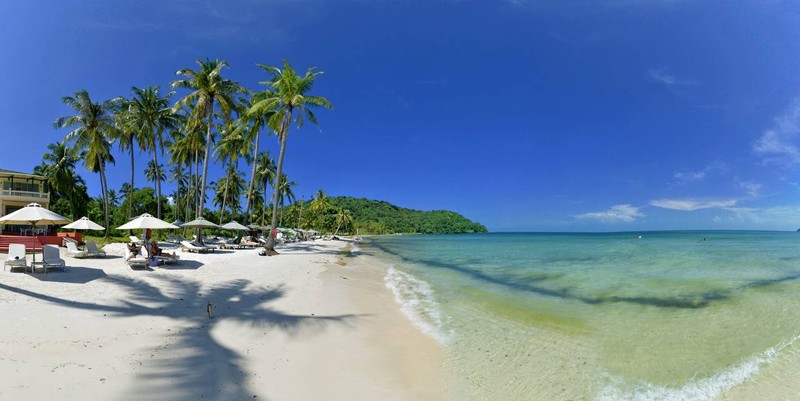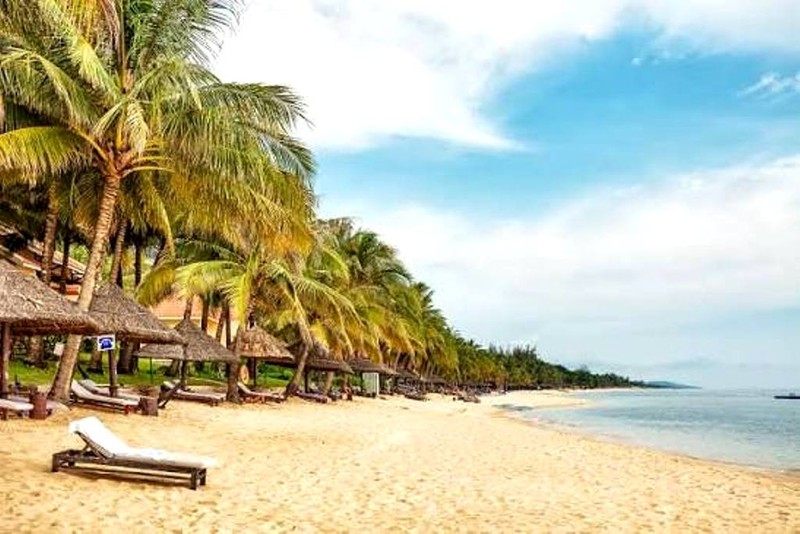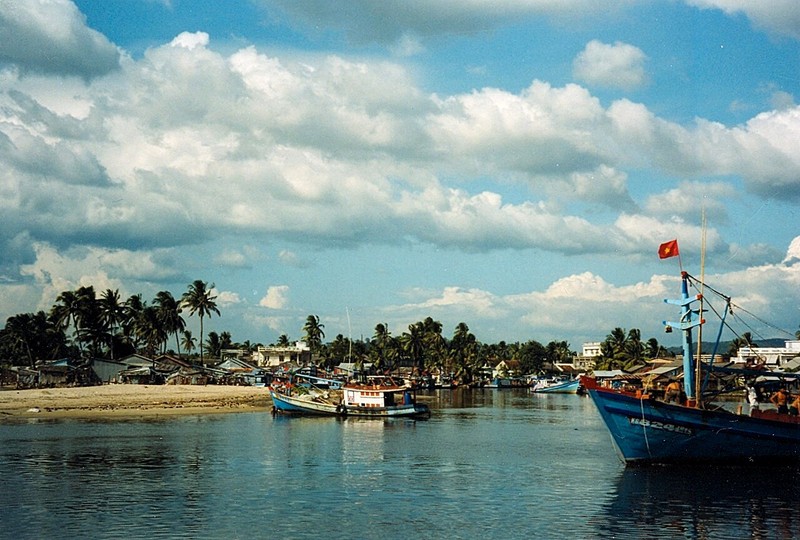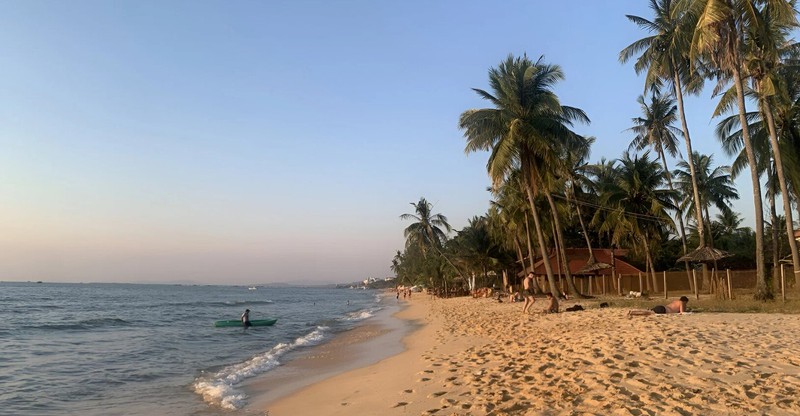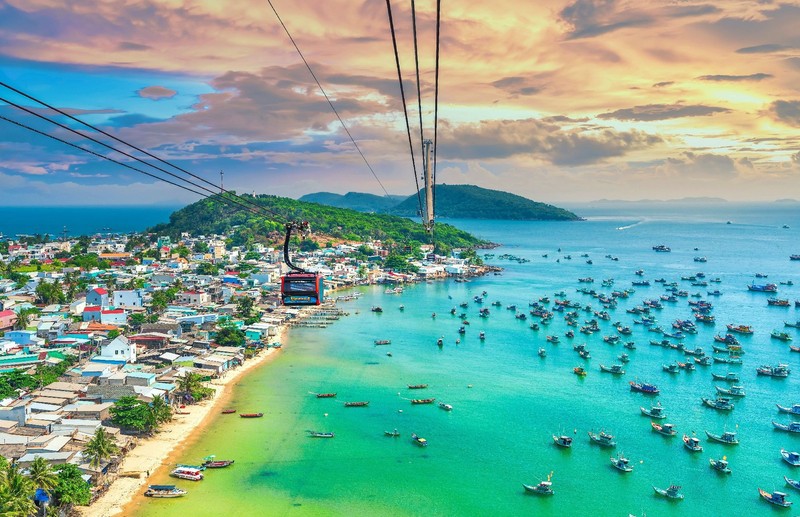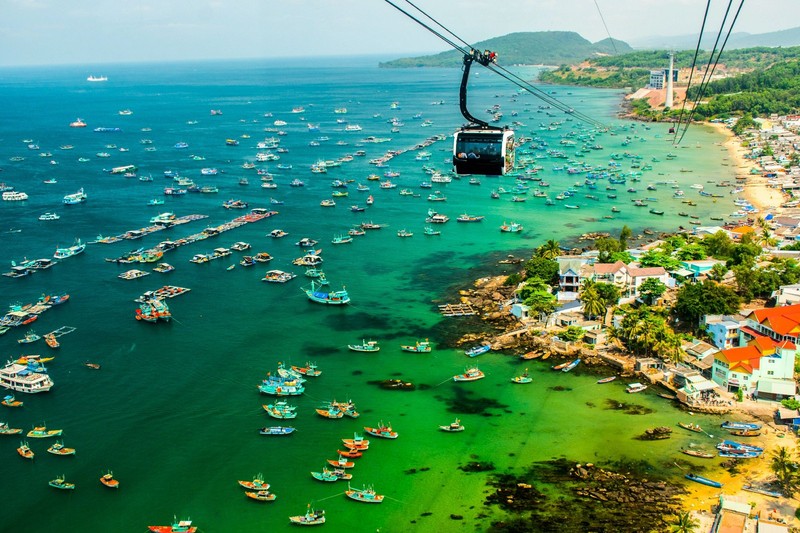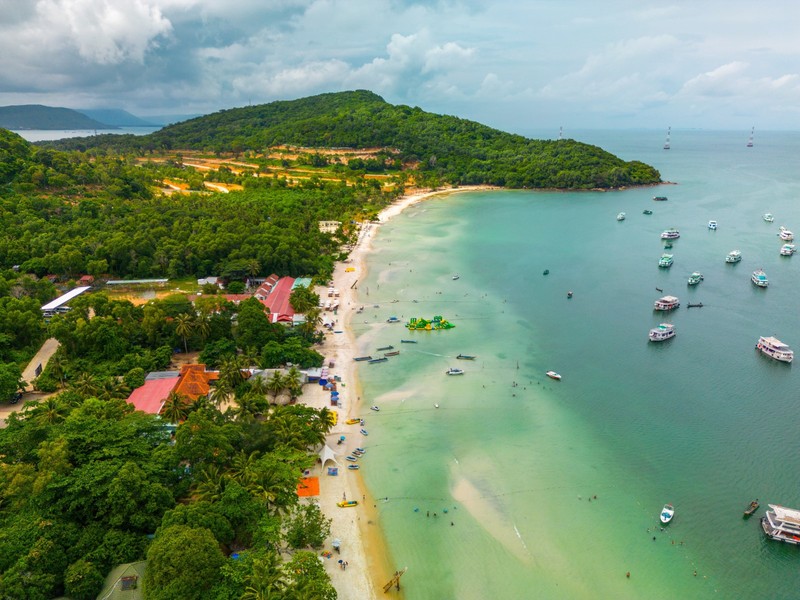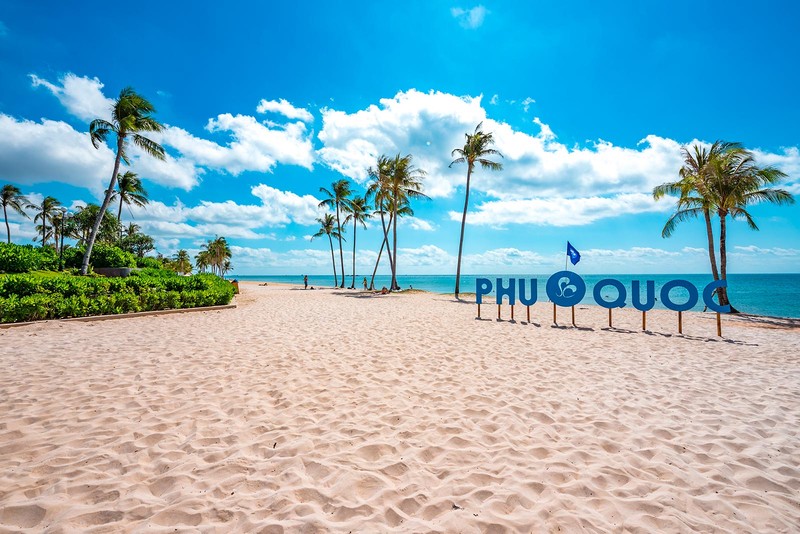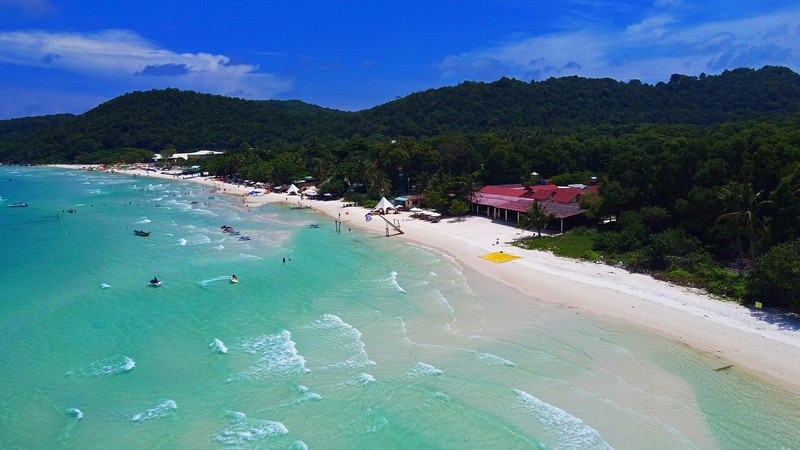

Phu Quoc, with an area of 593.05 square kilometers, is recognized as the largest island in Vietnam. It is located in the Gulf of Thailand, near the border with Cambodia. It resembles a triangle in shape, its length is about 50 kilometers from north to south and 25 kilometers from east to west. It is called the Vietnamese Maldives because of the landscapes that resemble tropical atolls, white sand, turquoise and clear waters.
History
Initially, the island was called Koh Tral, reflecting the sparsely populated island's historical connection with the Khmer civilization. Small fishing communities lived here. The name changed after the strengthening of Vietnamese influence in the region in the 17th and 18th centuries. Phu Quoc means "rich land", which reflected the idea of natural resources. This meant that there were fertile lands, forests in this territory, and fish could be caught in the water.
The famous Chinese merchant Mak Kyu created an influential principality in Khatien and actually added the region (including Phu Quoc) to the sphere of power of the Vietnamese Nguyen lords. Since that time, Vietnamese place names have become more common in administrative and trade documents. The name Phu Quoc was used in Vietnamese and French colonial documents.
Description
Phu Quoc is famous for its white sandy beaches, luxurious resorts and the national park of the same name with amazing nature. Throughout the year, the daytime air rarely warms up above 33 degrees and cools down to less than 19 degrees at night. Usually, the difference between daytime and nighttime temperatures rarely exceeds 5 degrees. January is considered the coldest month, and May is considered the hottest. The rainy season lasts from May to October.
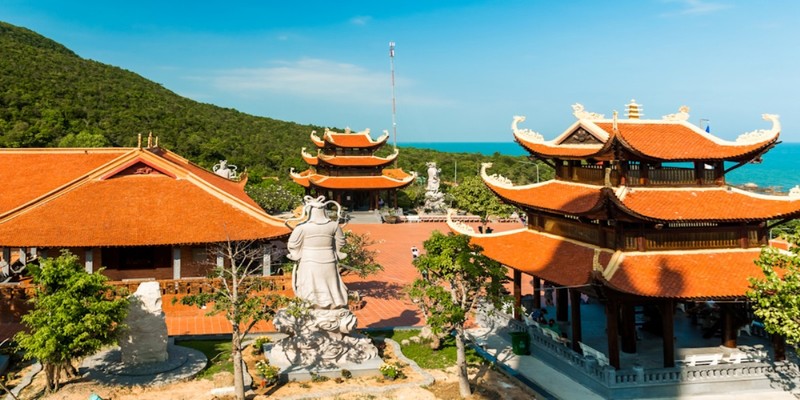
You can meet pilgrims here, because the Buddhist temple of Chuk Lam Ho Quoc was built on the territory of the island. It is located along a 10-kilometer coastal road north of Sun Beach. The complex offers panoramic sea views. More than 70% of the territory of Phu Quoc Island is occupied by tropical jungles, mangroves, waterfalls and ecotropics. The National park has been open since 2001, previously it was a nature reserve. In 2006, UNESCO included the park in the Kienjiang Biosphere Reserve. There are more than 1,160 plant species in this place, including valuable medicinal plants and rare orchids (for example, the slipper orchid). The animal world is diverse: silver langurs, crab-eating macaques, small-clawed otters, bats, slow and dwarf lorises live. The marine part of the park has become a habitat for turtles, groupers and butterfly fish. By the way, Phu Quoc is one of two places in Vietnam where you can find dugongs, a mammal called a "sea cow".
Hiking and shopping
People come to the National Park for trekking. Here you can walk through the forest, swim in the stream, and watch birds and animals. There are trails of varying difficulty for hiking. For an independent walk, choose the Gan-Dau trail, which leads through an old-growth forest. The Suoi Da Ngon Trail is available for beginner trekkers and families with children over the age of 8. The most difficult route is considered to be the way to Ham Ninh Mountain, which offers panoramic views of the east coast.
After the walk, visitors head to the night markets of Dinh Kau. They sell jewelry made from Fukuoka pearls, shell products, local black pepper, and branded fish sauce. On some shelves you can find clothes and cosmetics. After shopping, you can try seafood. Scallops, sea urchins, shrimps and squid are cooked in front of the visitors. Street delicacies are popular, such as ban xeo pancakes, sweet soups and coconut ice cream.
How to get
You can fly to Hanoi and Ho Chi Minh City by plane, and there is an airport on the island. It is recommended to check the schedule, sometimes flights may be postponed due to bad weather. The most affordable option is to take a bus or a minibus to the coastal city, and from there transfer to a high–speed ferry to Fukuoka.
Beach holidays, boat trips and snorkeling usually come from December to March. From November to March, family vacations are popular, as the humidity is lower at this time, and the heat is easier to bear. Even during the rainy season from May to October, you can find a comfortable area of the island due to its elongated shape and different exposure of beaches.
Gallery