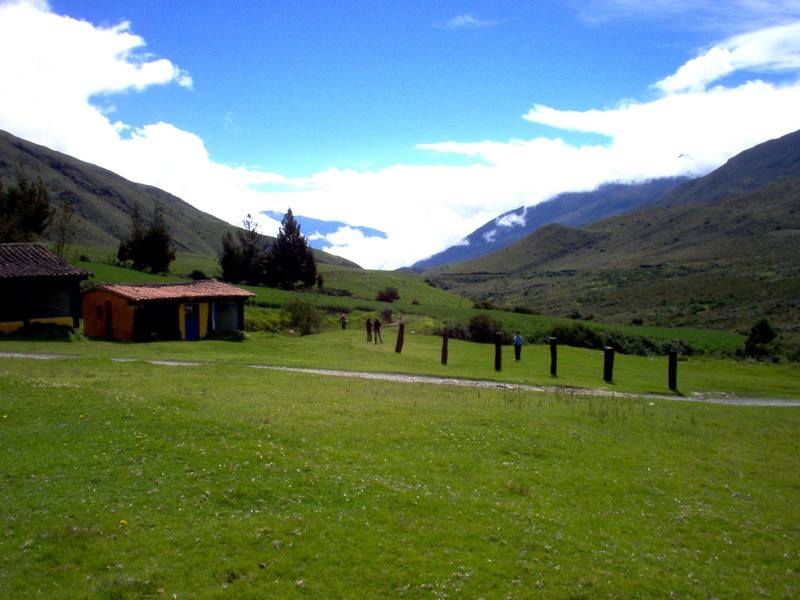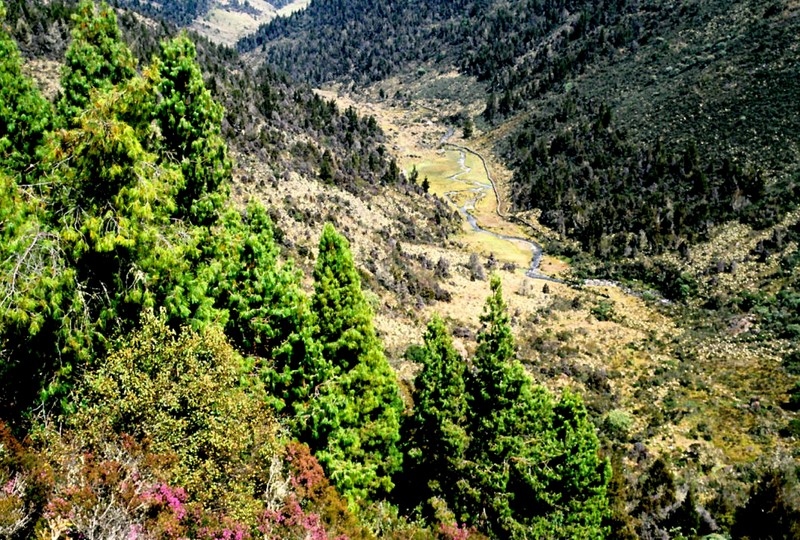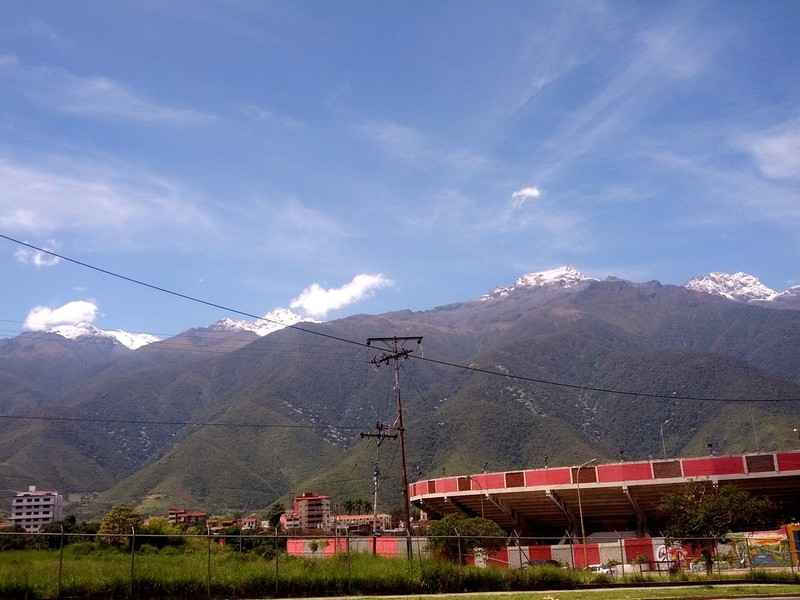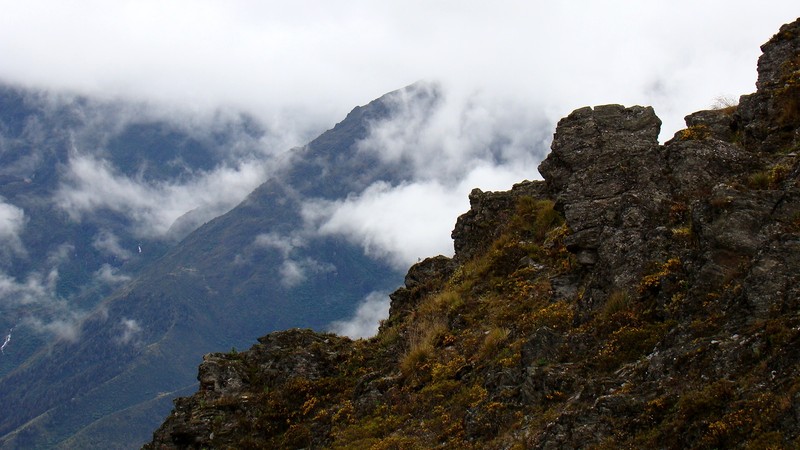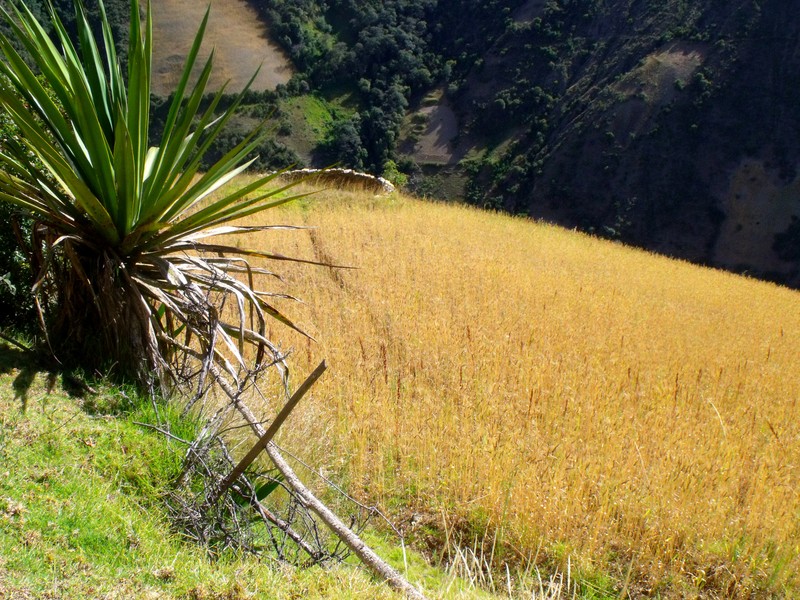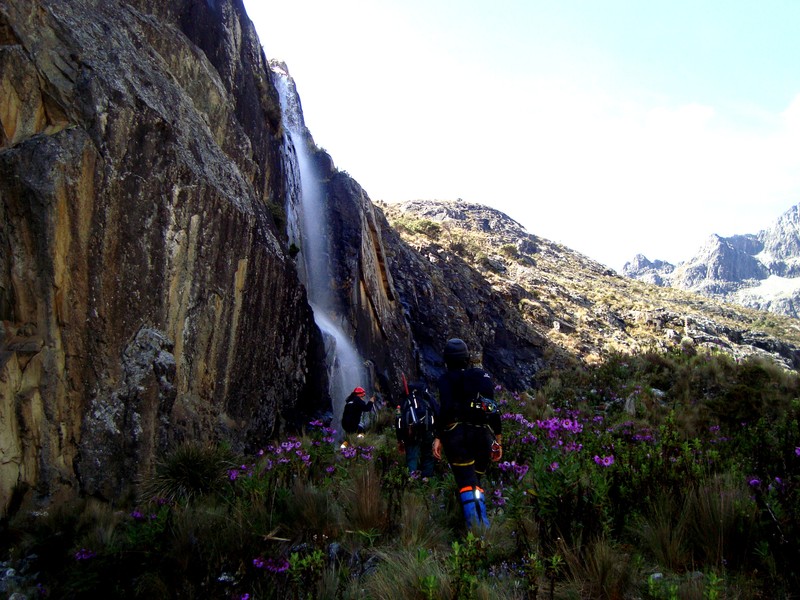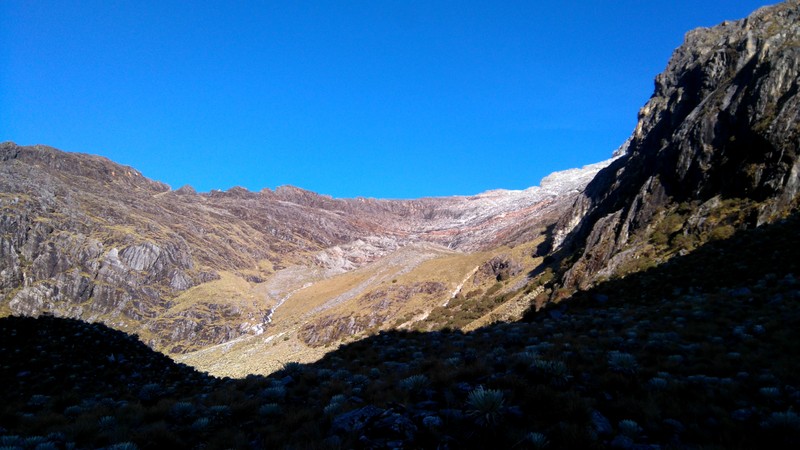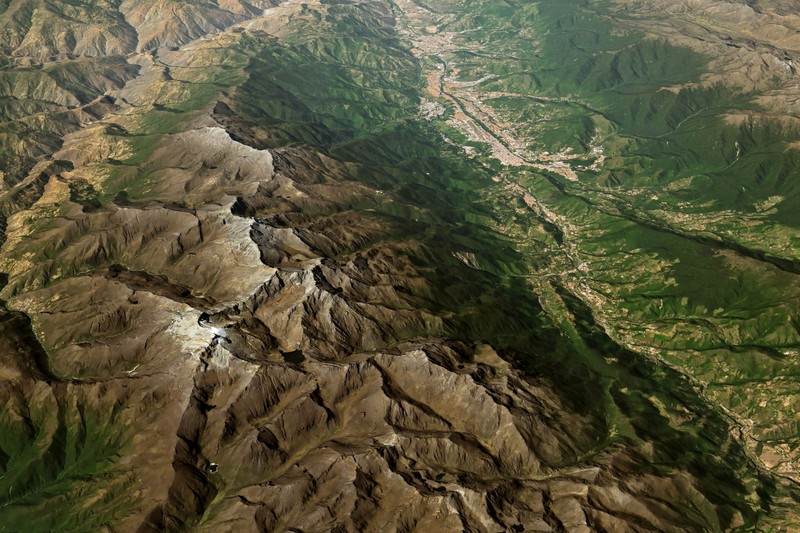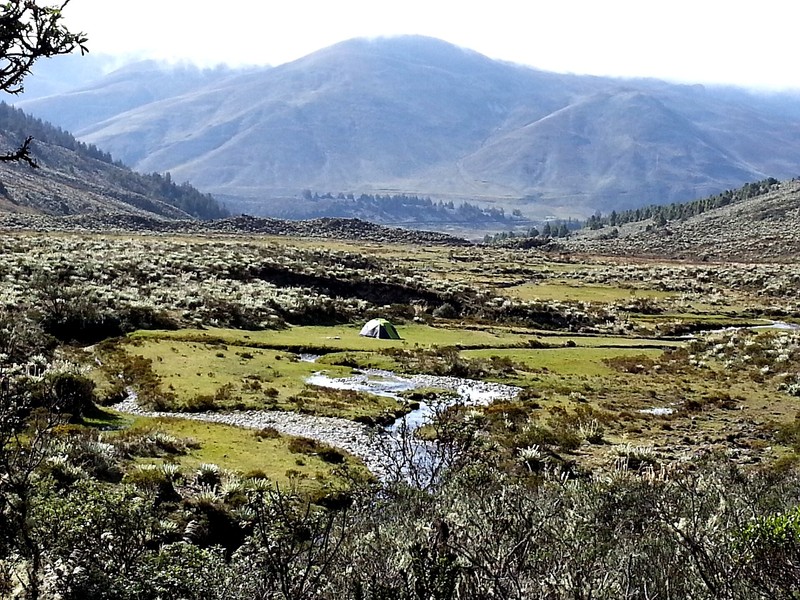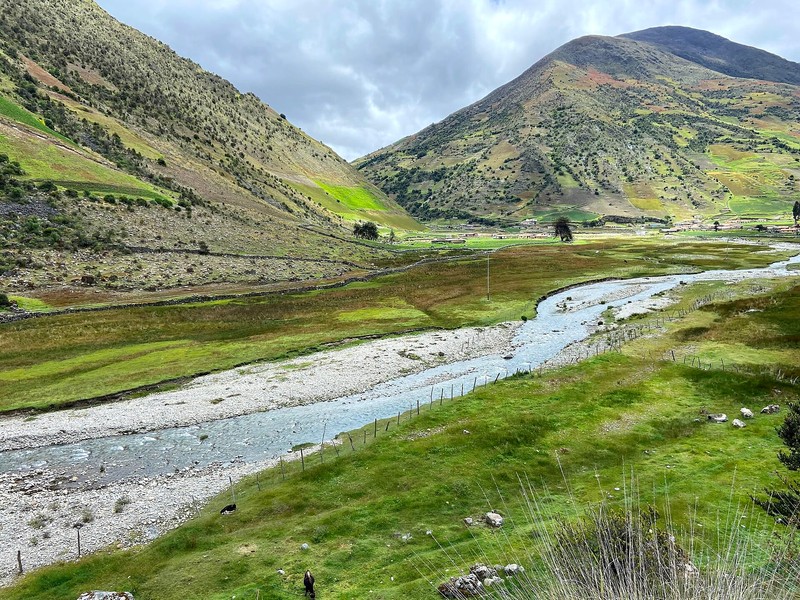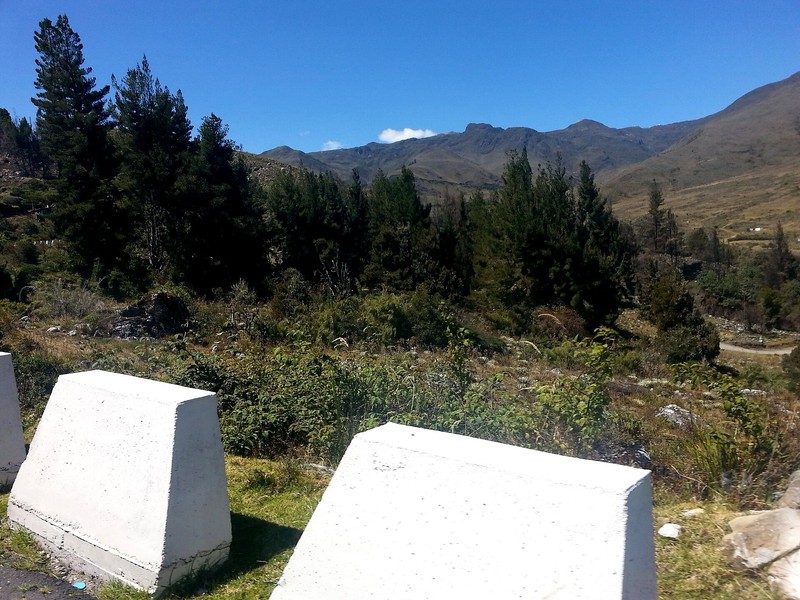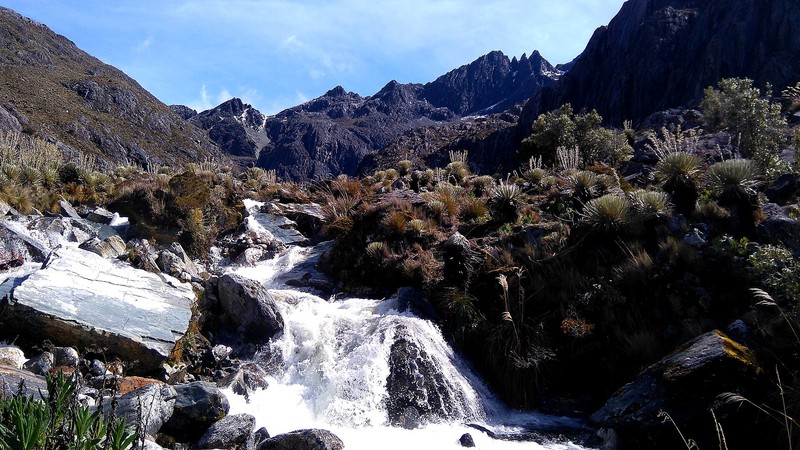

Sierra Nevada National Park (Parque Nacional Sierra Nevada) is one of Venezuela’s most important protected natural areas, located in the Andes across the states of Mérida and Barinas. It encompasses high mountain ranges, deep valleys, alpine lakes, and humid tropical forests. The park covers approximately 2,764 km², with elevations ranging from foothills to the country’s highest peaks. It is home to Bolívar Peak, Venezuela’s highest mountain, rising to approximately 5,000 meters above sea level.
Mountain peaks of the Andes
The park’s main attractions are the impressive peaks of the Sierra Nevada de Mérida. Alongside Bolívar Peak are Humboldt, Bonpland, La Concha, and Espejo peaks. Their steep slopes, rocky ridges, and high-altitude landscapes create spectacular views of the Venezuelan Andes. Conditions at high elevations are harsh, and thin air makes climbs physically demanding even for experienced hikers.
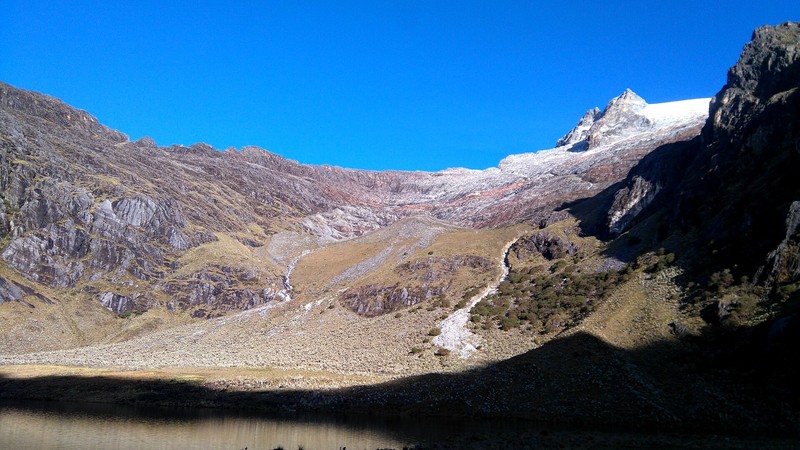
Alpine lakes and glacial landscapes
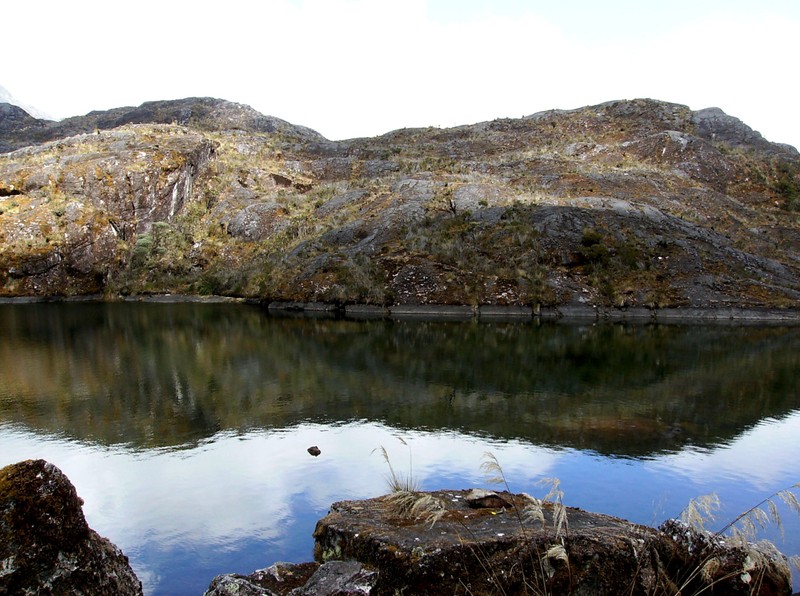
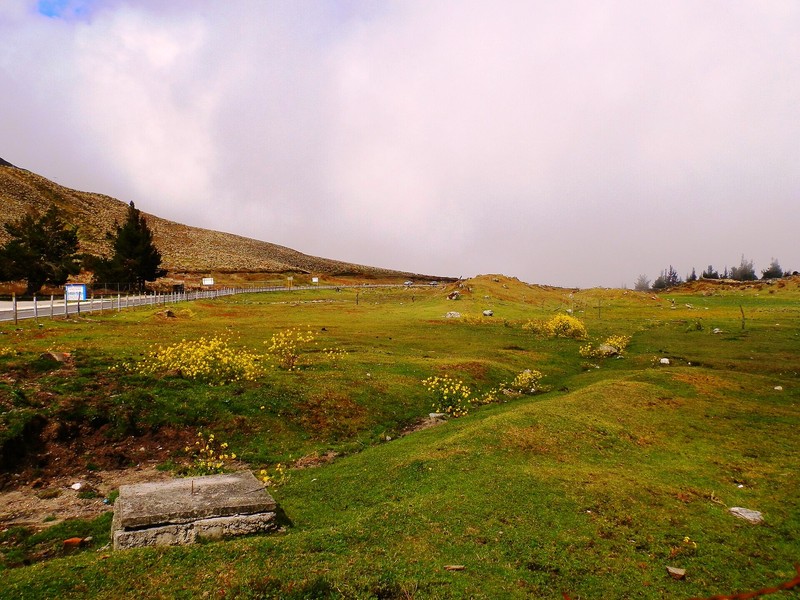
The park contains numerous high-altitude lakes, locally known as lagunas, including Mucubají and Laguna Negra. They are surrounded by mountain slopes, páramo grasslands, and rocky summits. The higher parts of the Sierra Nevada were once covered by glaciers, but warming temperatures have led to the near-disappearance of Venezuela’s glaciers. Today, alpine valleys and lakes preserve traces of ancient glaciation and remain an important part of the Andes’ natural heritage.
Natural and climatic diversity
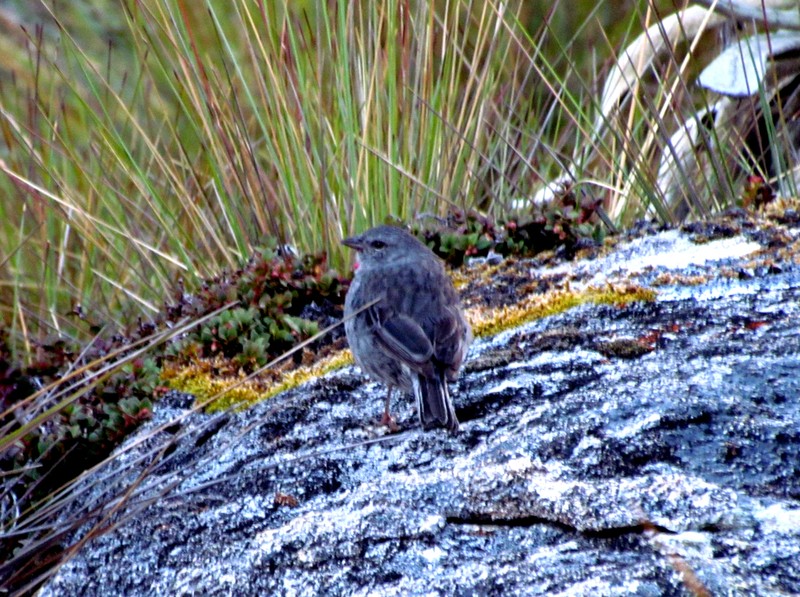
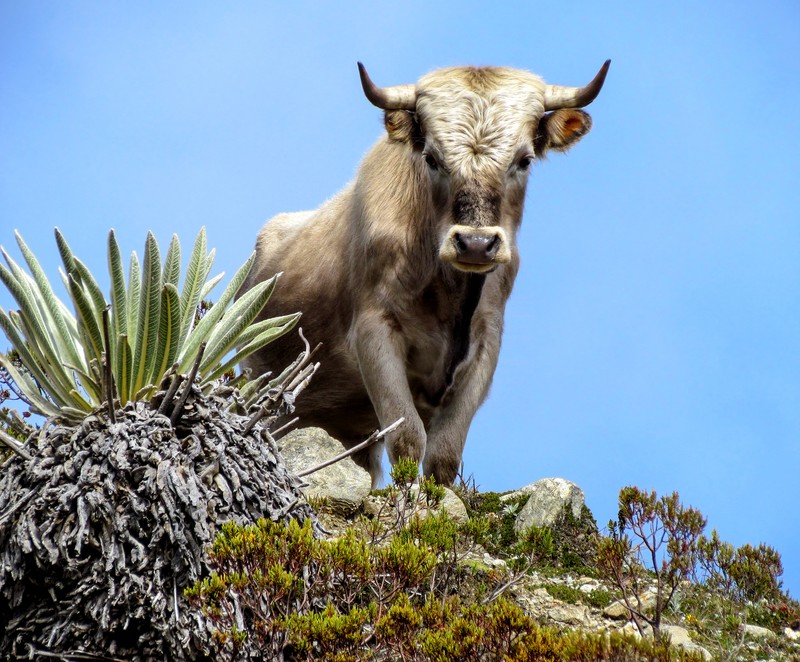
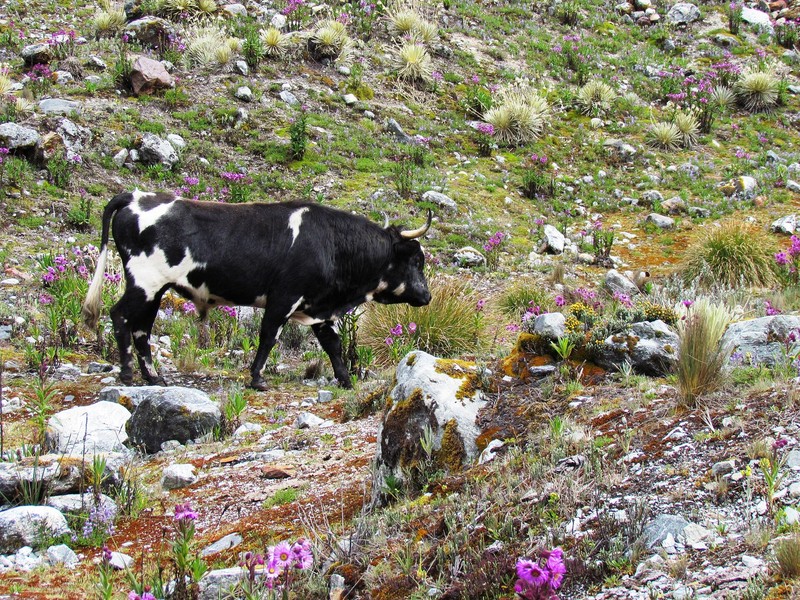
The park’s considerable elevation range creates several ecological zones. Tropical forests grow in lower areas, while higher elevations support humid mountain and cloud forests. Open highland areas are dominated by páramo grasslands and plants adapted to cold temperatures and strong winds. Wildlife includes numerous birds and mammals, such as the Andean condor, spectacled bear, and members of the cat family. Protecting these habitats is essential to Venezuela’s biodiversity.
Hiking trails and mountain tourism
Sierra Nevada attracts hikers, nature enthusiasts, and mountaineers. Popular routes cross mountain valleys, páramo grasslands, and areas around alpine lakes. Experienced climbers may attempt the higher peaks, but these ascents require specialized equipment, good physical condition, and careful assessment of weather conditions. Visitors should check trail access and current regulations before setting out.
The Mukumbarí cable car
One well-known way to experience the region’s high mountain scenery is the Mérida–Mukumbarí cable car, which travels from the city of Mérida to high-altitude stations in the Andes. The route offers views of mountain ridges, deep valleys, and surrounding peaks. Station access and operating schedules should be checked before visiting.
How to reach the national park
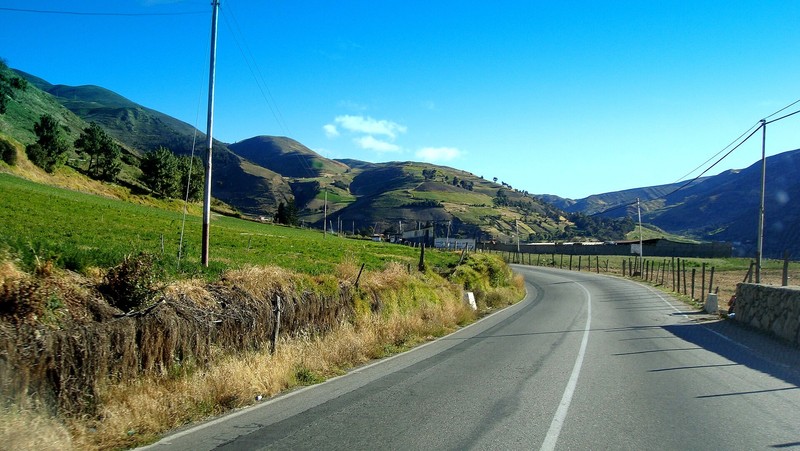
The city of Mérida is the region’s main tourism hub. It can be reached by road from other Venezuelan cities, after which travelers can continue to park entrances, mountain villages, and hiking trailheads. Remote areas may require a four-wheel-drive vehicle and local guides. Before traveling, check road conditions, weather forecasts, and any restrictions on access to specific areas.
History of conservation
Sierra Nevada National Park was established on May 2, 1952, to protect the mountain ecosystems and distinctive landscapes of the Venezuelan Andes. Its protected boundaries were expanded later. The park plays an important role in safeguarding water resources because its mountain rivers and watersheds feed several regional river systems. Today, Sierra Nevada remains one of Venezuela’s most significant natural areas.
Gallery