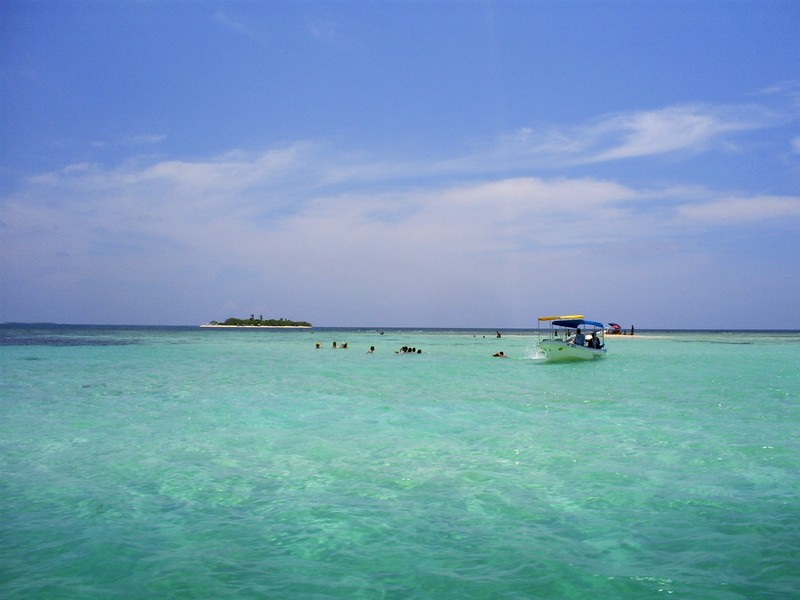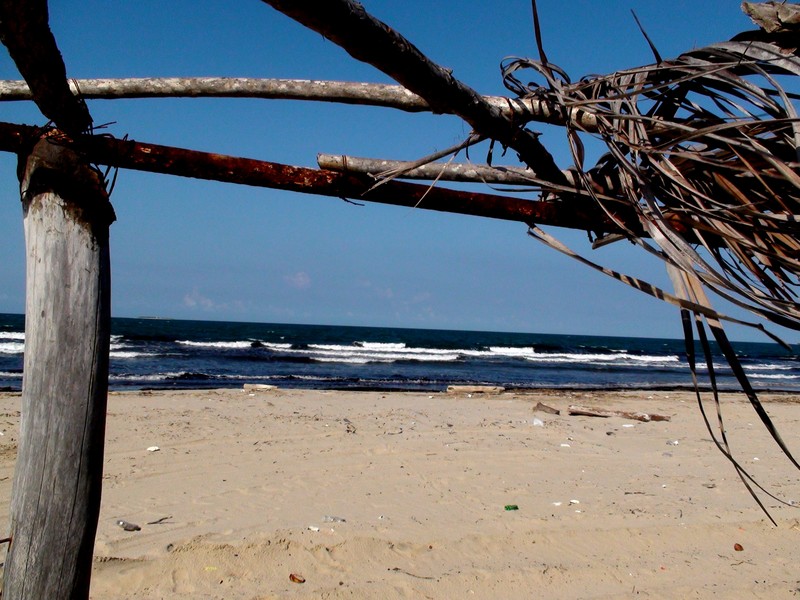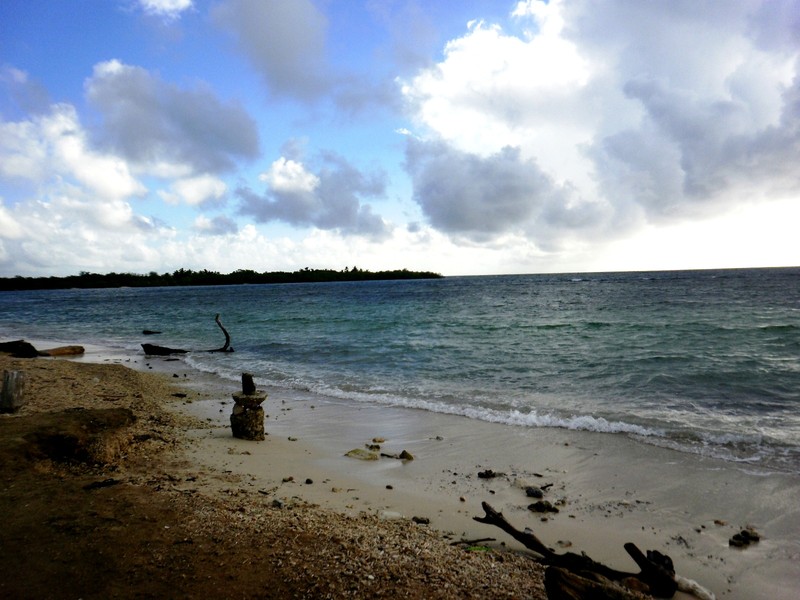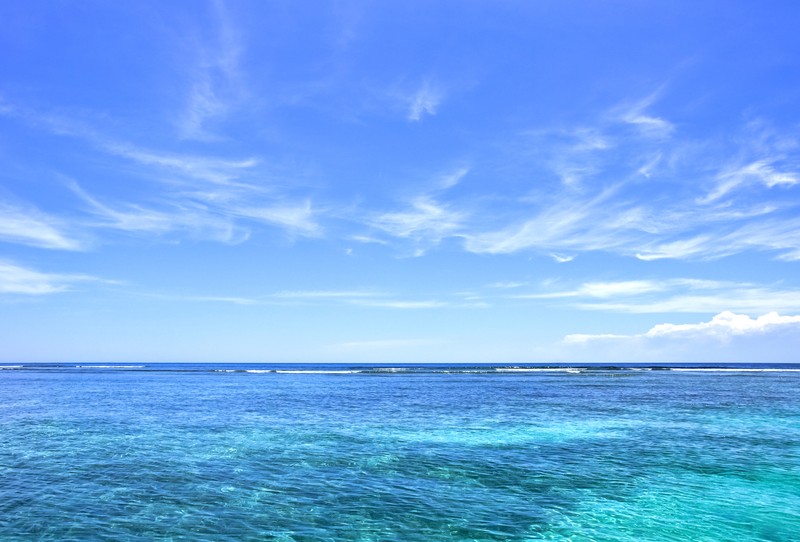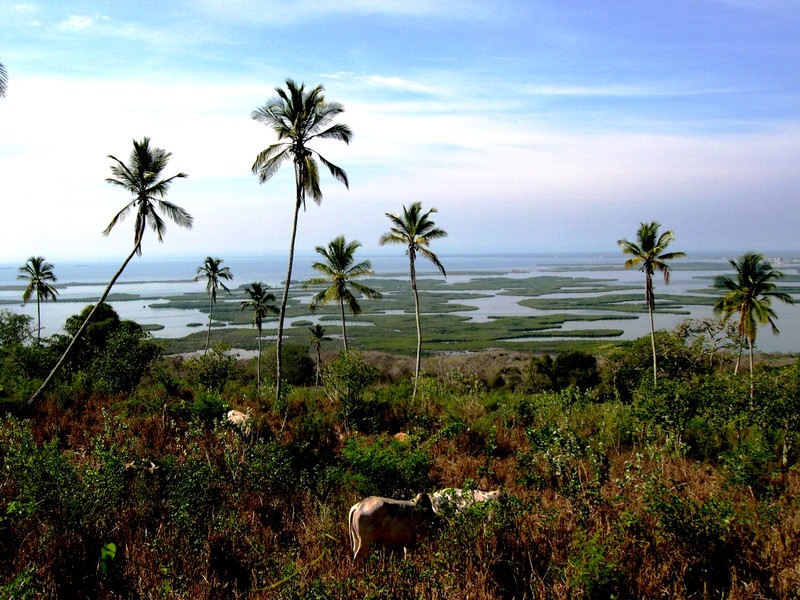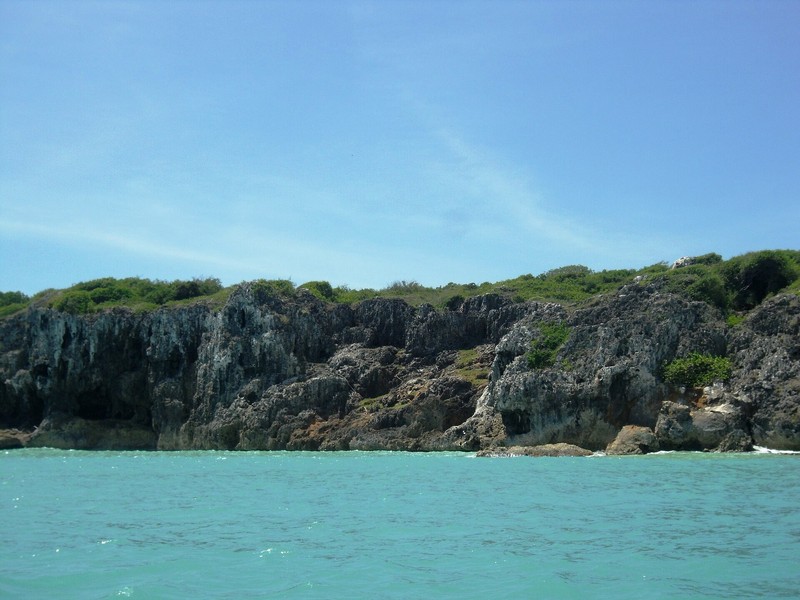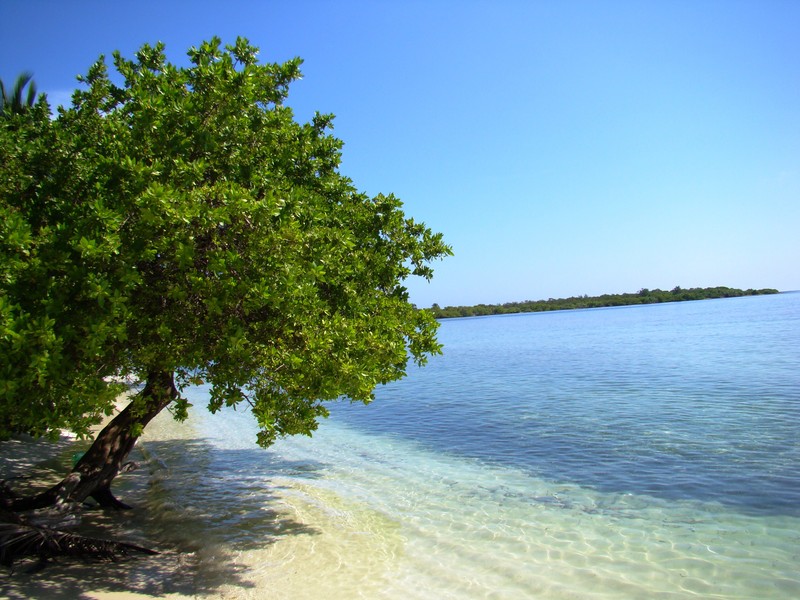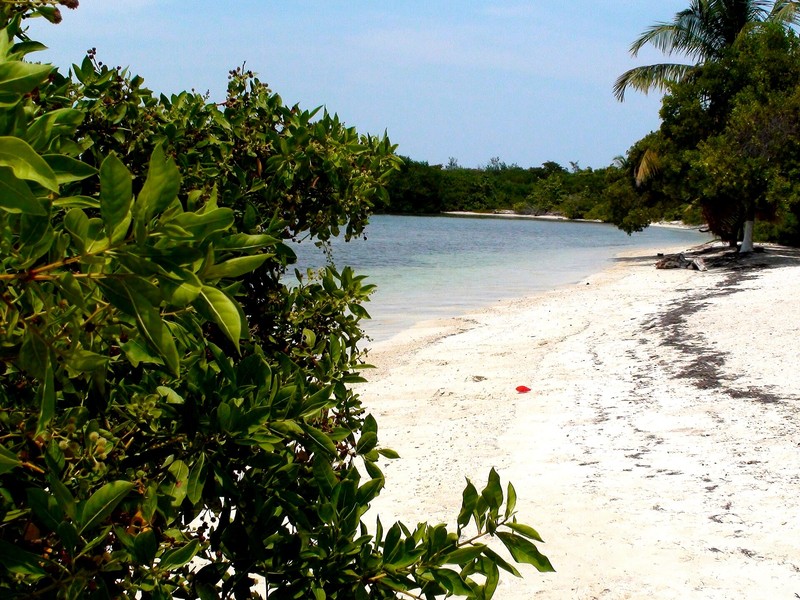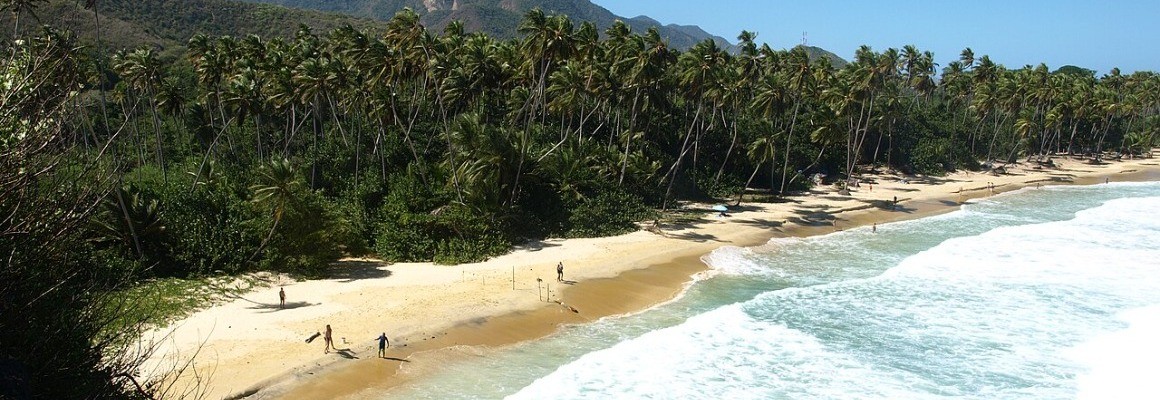

Morrocoy National Park is a natural area on the Caribbean coast of Falcón State in northwestern Venezuela. It is known for its white-sand beaches, small islands, turquoise water, coral reefs, and mangrove channels. The park combines marine and terrestrial ecosystems, making it a place to relax on the beach, snorkel, watch birds, and explore coastal landscapes.
Morrocoy was designated a national park on May 26, 1974. Its territory includes numerous small islands and shoals, coastal areas, channels, and mangrove forests. It is one of Venezuela's best-known destinations for experiencing Caribbean nature.
Morrocoy's Islands and Beaches
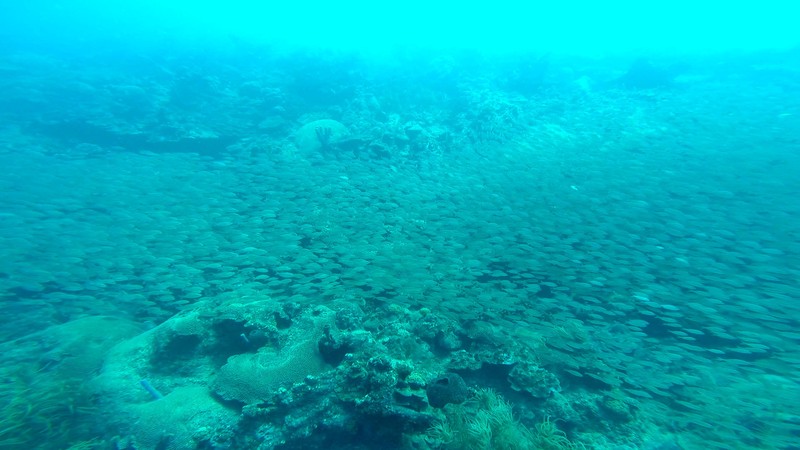
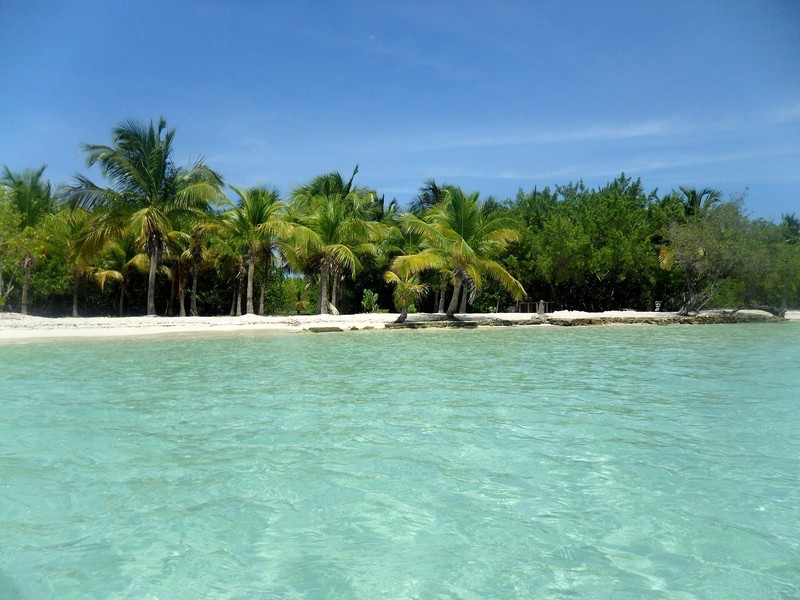
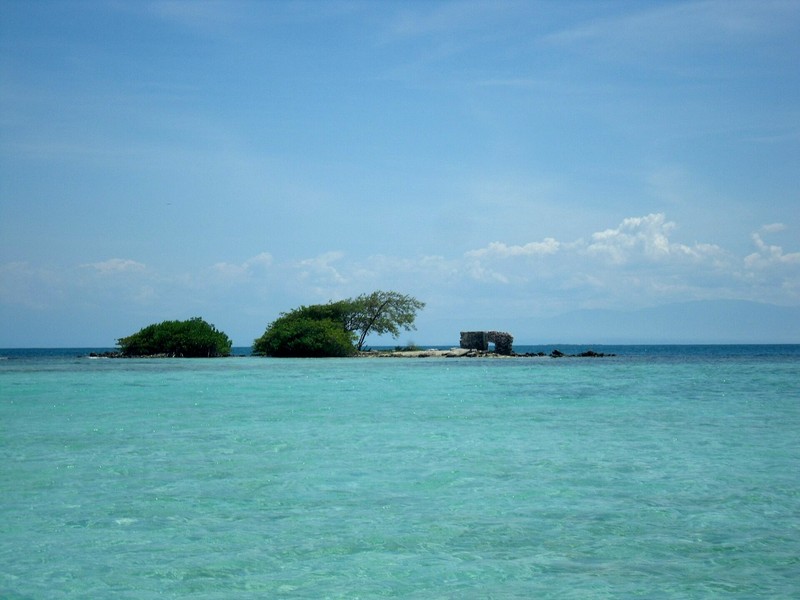
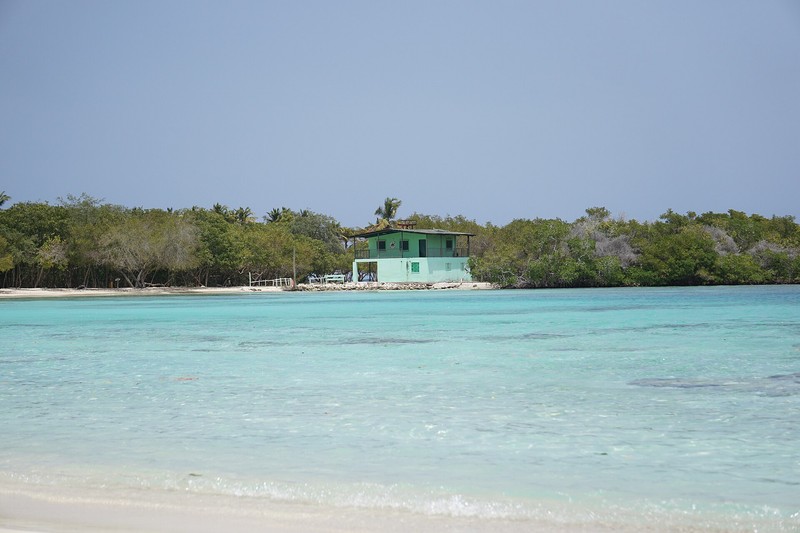
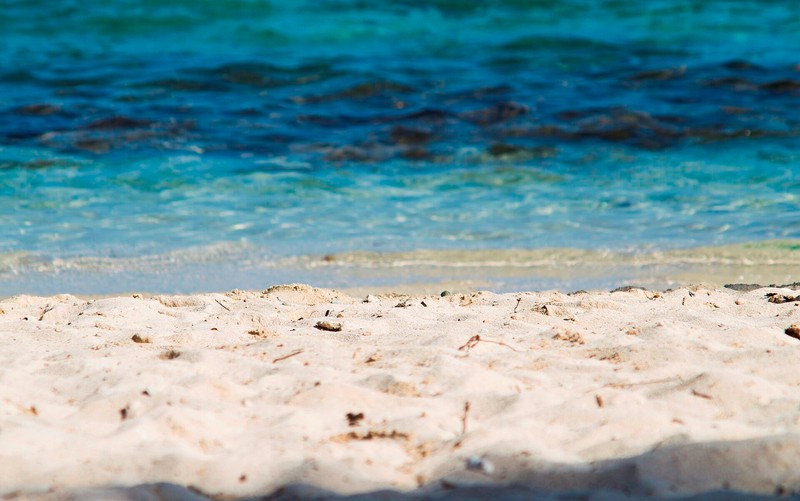
The park's main attraction is its many cayos, small islands with sandy beaches and clear water. Among the best-known are Cayo Sombrero, Cayo Sal, Cayo Borracho, and Cayo Peraza. Each part of the coast has its own character: some have wide sandy beaches and palm trees, while others feature shallow waters and coral formations.
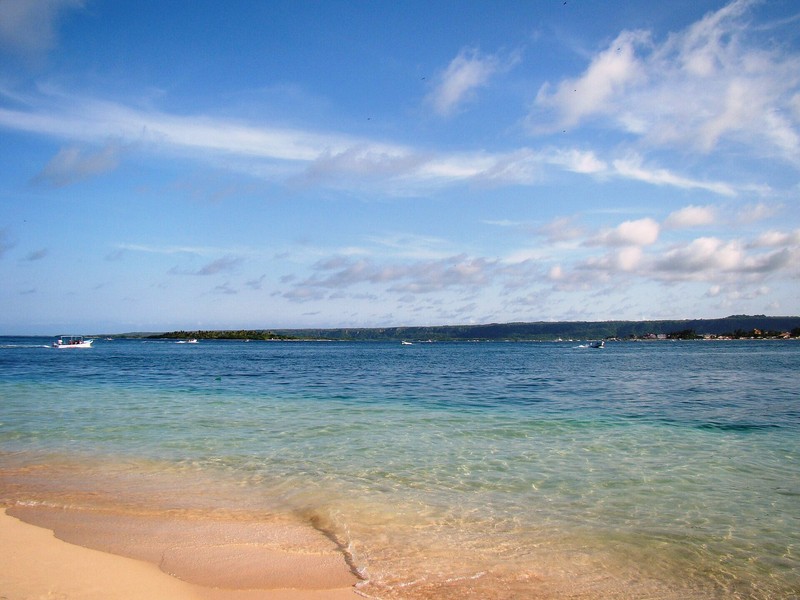
Cayo Sombrero is considered one of the park's most popular places to visit. It has long stretches of white sand, palm trees, and calm water. Snorkeling is possible near the shore, where visitors may observe marine life while taking care not to damage the coral.
Other well-known places for swimming and relaxing include Playa Mero and Playuela. Conditions at individual beaches vary with the weather, sea conditions, and season, so it is worth checking access to the chosen island before travelling.
Mangrove Forests and the Marine Ecosystem
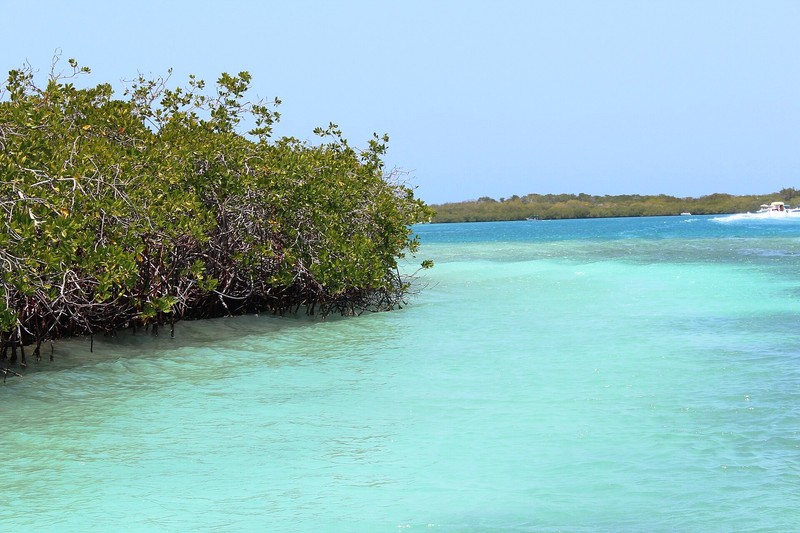
Mangroves are among Morrocoy's most important natural features. Their tangled roots provide shelter for young fish, crustaceans, and other marine organisms. Mangrove forests also help hold coastal sediments in place and protect shorelines from wave action.
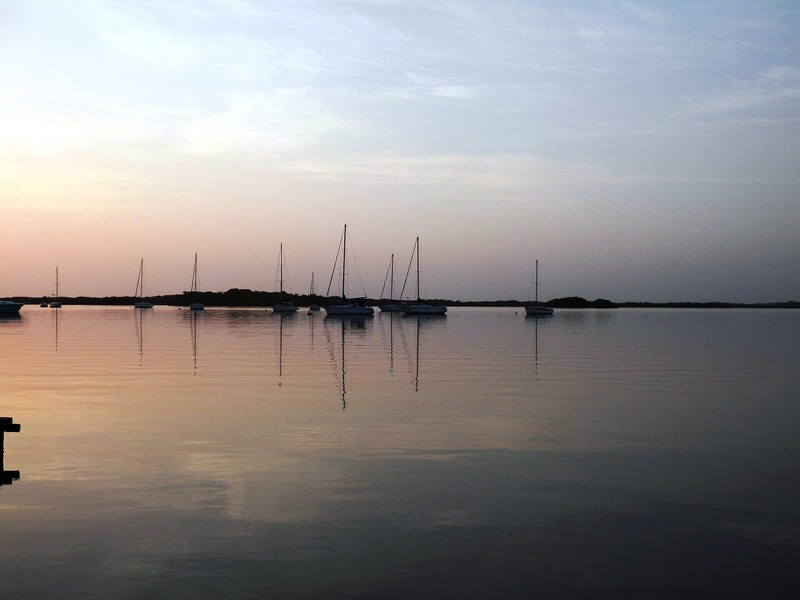
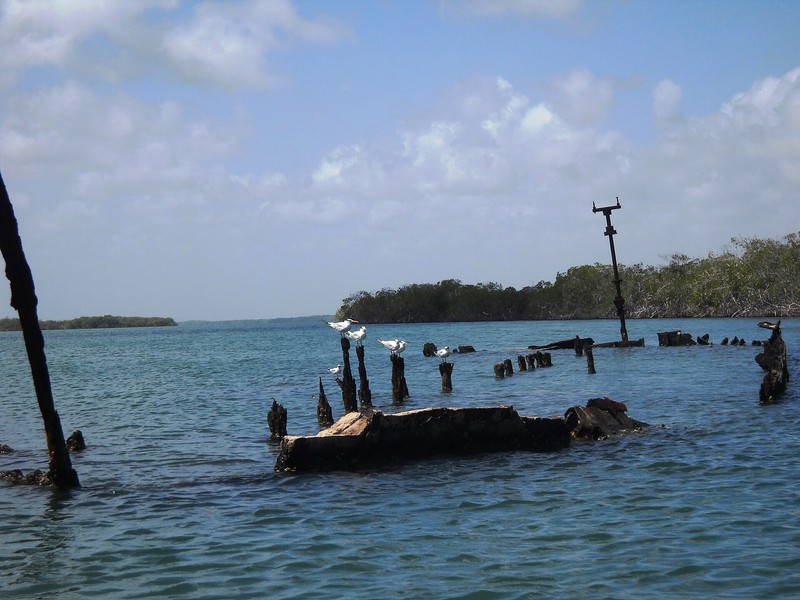
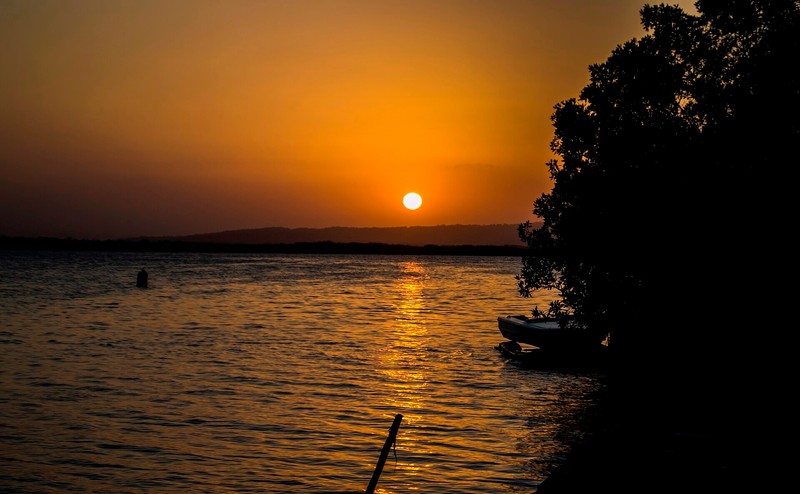
A boat trip through the narrow mangrove channels reveals a different side of the park. Instead of open beaches, visitors see green walls of vegetation, reflections on calm water, and numerous birds. These routes are especially appealing to nature lovers and photographers.
Wildlife and Birdwatching
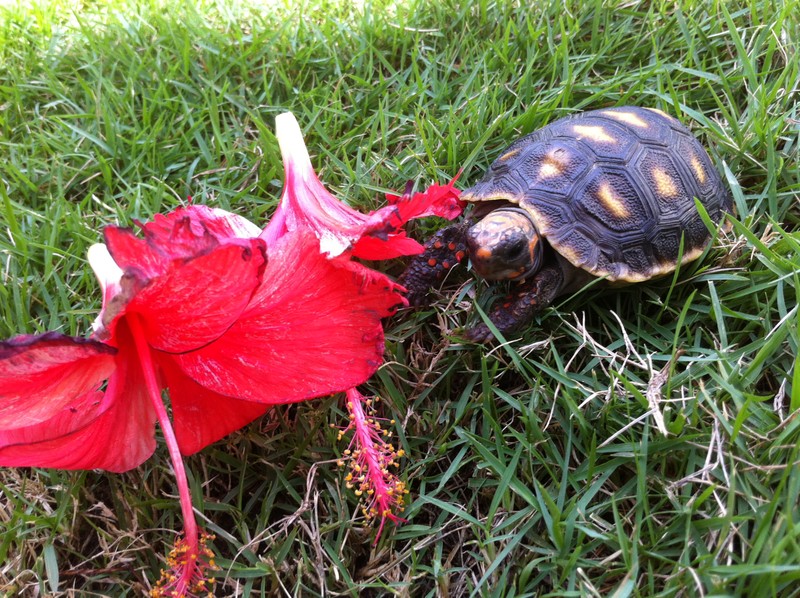
Pelicans, ibises, herons, flamingos, and other birds live in the park and nearby wetlands. Coastal shallows and mangroves provide food and shelter for many species. Early morning and evening are particularly rewarding times for birdwatching.
Cuare Wildlife Refuge, known for its wetlands and bird diversity, lies near Morrocoy. Together, these areas are important for conserving coastal ecosystems. Visitors should observe animals from a distance, avoid feeding them, and take all rubbish away.
Cueva del Indio and Cultural Heritage
Morrocoy offers more than beaches. Near Cerro Chichiriviche lies Cueva del Indio, a cave known for petroglyphs left by the region's ancient inhabitants. The site is a reminder that the coast has archaeological as well as natural value.
Visits to caves and rock-art sites should follow local regulations and guides' recommendations. Do not touch, scratch, or otherwise damage the ancient carvings.
Things to Do in the National Park
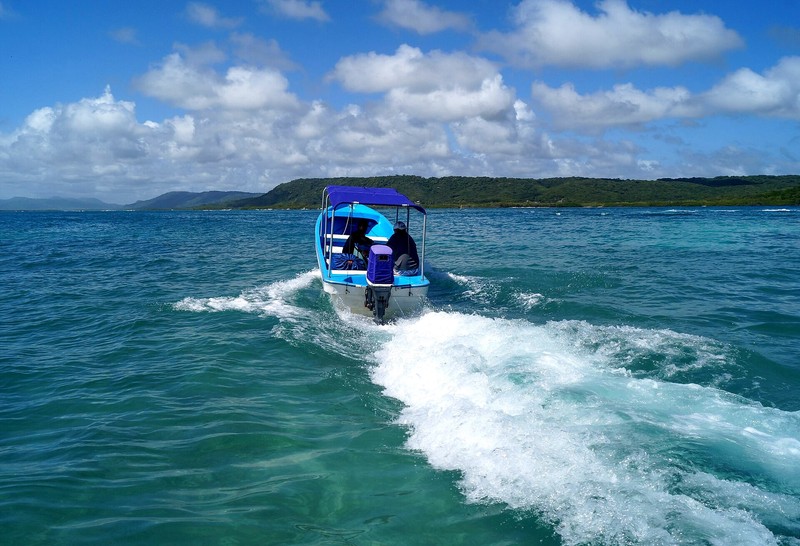
Most trips to Morrocoy focus on boat excursions and relaxing on the islands. Popular activities include swimming, snorkeling in suitable areas, rides in traditional motorboats, birdwatching, and photographing mangrove channels.
Boat services and places to rest or eat are available at some beaches and tourist areas. Facilities vary by departure point and island. If visiting a more remote cayo, agree on the return time, transport cost, and available facilities in advance.
How to Get to Morrocoy
The main gateways to the park are the coastal towns of Tucacas and Chichiriviche in Falcón State. Boat trips to the islands and beaches operate from these towns. Visitors usually travel by road to a chosen pier, then continue by boat depending on which part of the park they want to see.
Before setting out, check road conditions, pier access, boat-trip arrangements, and current visitor rules. Travel time depends on the starting point, traffic, and route selected.
When to Visit
Morrocoy can be visited throughout the year, but conditions depend on the weather, wind, and sea state. For boat trips, choosing a day with suitable sea conditions is especially important. Popular islands can be crowded on weekends and holidays, so planning the route and departure time in advance can make for a quieter visit.
Travel Tips
Bring drinking water, sunscreen, a hat, and suitable footwear. Shade can be limited on exposed beaches, and the sun can be intense. Before boarding a boat, confirm whether additional services are included in the fare and when you need to return to the pier.
Morrocoy is a fragile marine ecosystem. Do not step on coral, collect shells or marine animals, leave rubbish, or ignore instructions from park staff and boat operators. Responsible visits help preserve the clear water, mangroves, and wildlife that draw travellers to the area.
Gallery