Henri Pittier National Park is Venezuela’s oldest national park and one of its most important protected natural areas. It lies in the northern parts of Aragua and Carabobo, where the Coastal Range descends towards the Caribbean Sea. Misty cloud forests, mountain streams, tropical vegetation and sandy beaches create a remarkably varied landscape.
Location and History
The park was established on 13 February 1937 under the name Rancho Grande. In 1953, it was renamed in honour of Swiss geographer and botanist Henri Pittier, who made major contributions to the study of Venezuela’s natural environment. Its area was later expanded to approximately 107,800 hectares. The park includes parts of the Coastal Range and areas near Choroní, Cata and Ocumare de la Costa.
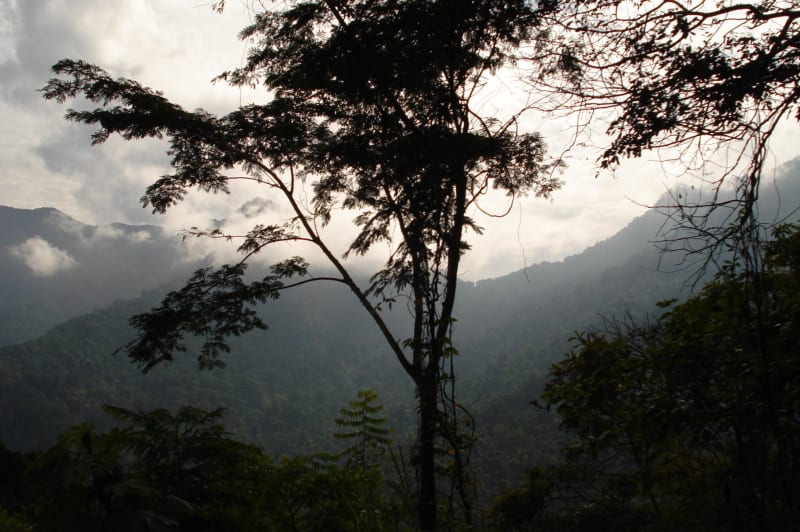
Cloud Forests
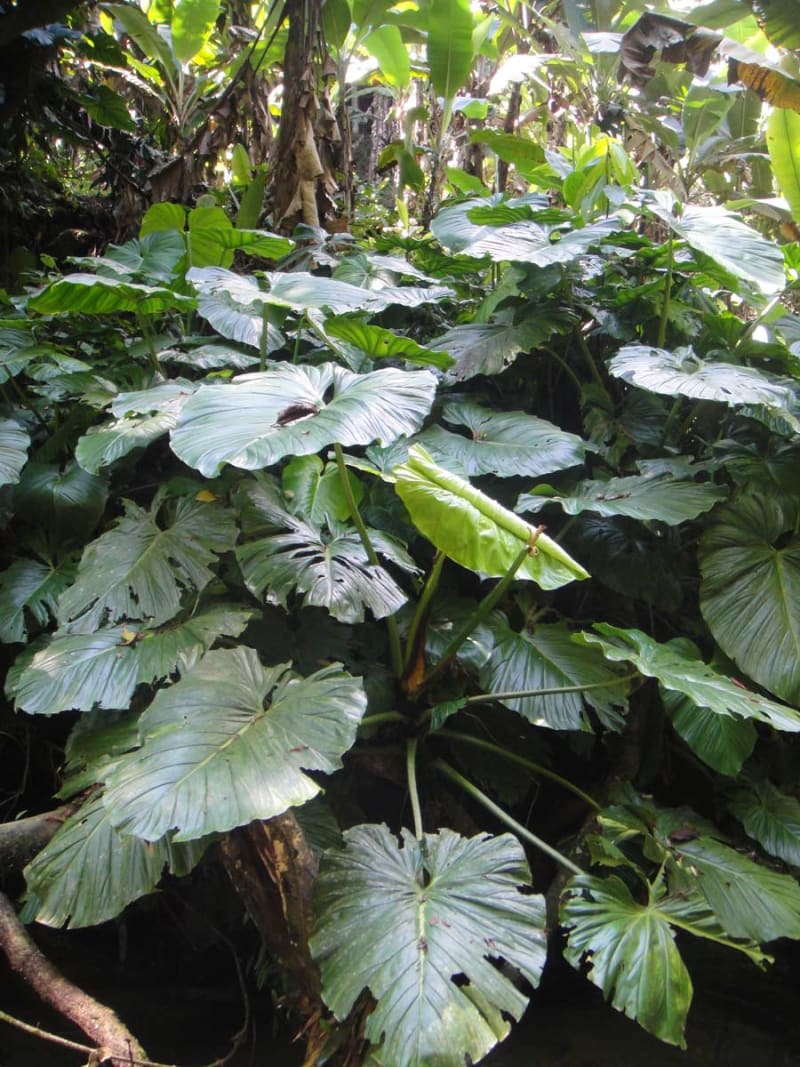
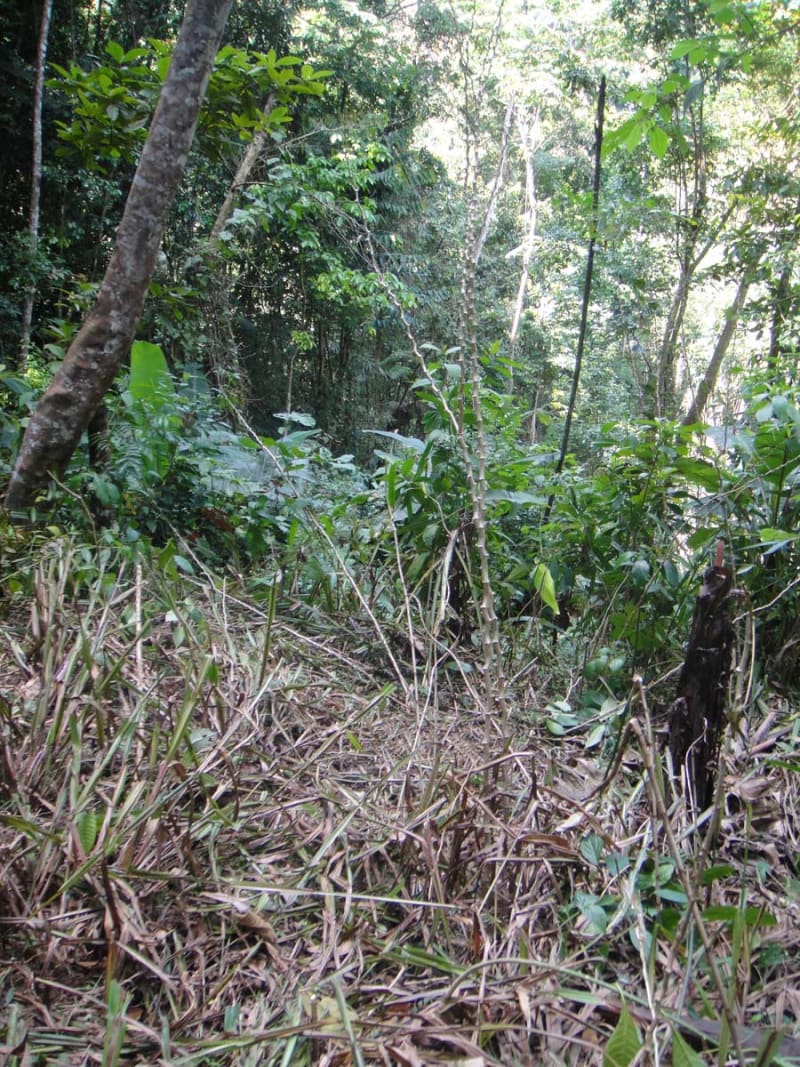
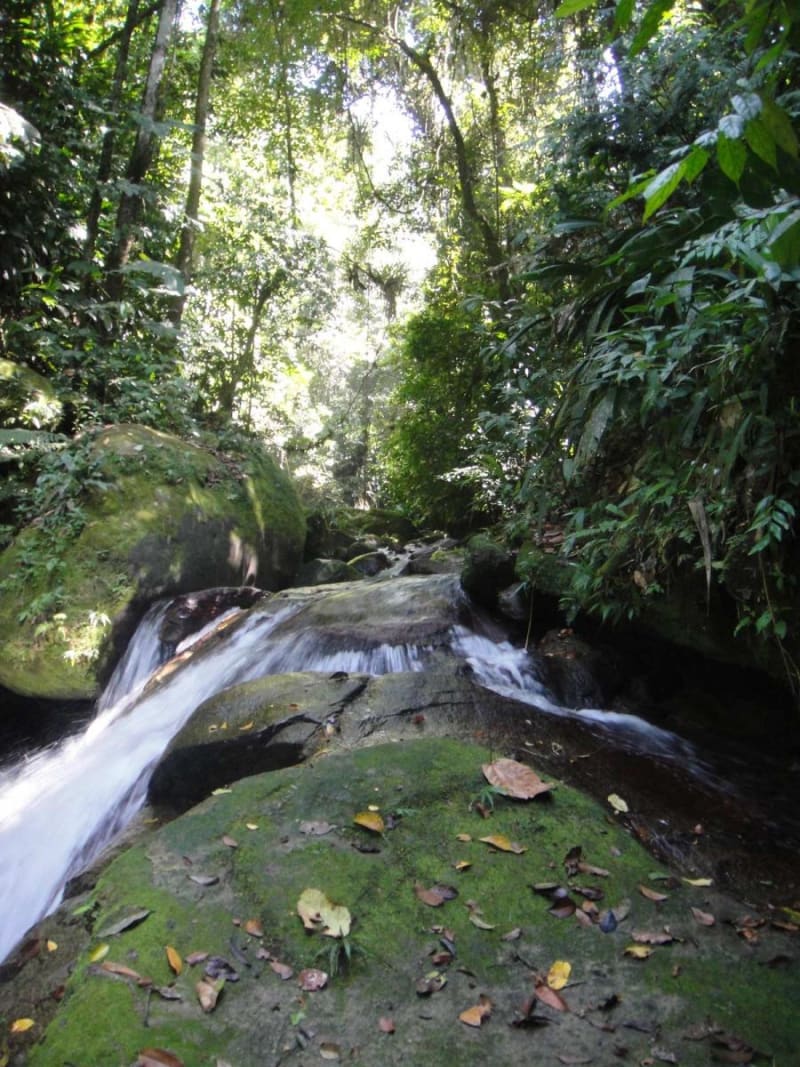
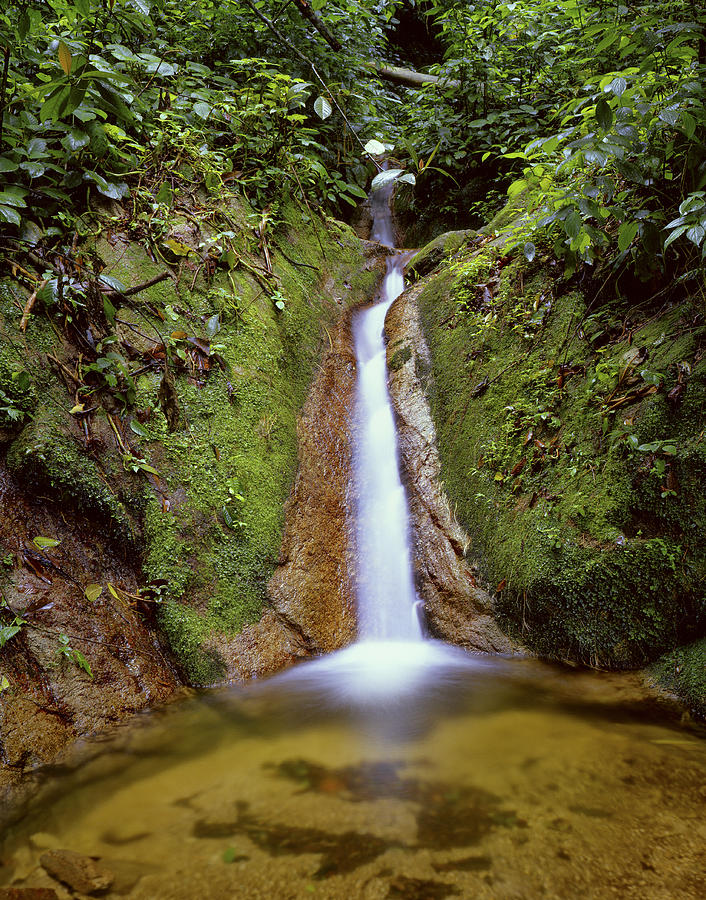
One of the park’s defining features is its humid mountain forest, frequently wrapped in mist. Moist air from the Caribbean rises along the slopes, cools and forms clouds. The forest contains tall trees, ferns, mosses, vines and epiphytes. At lower elevations, drier forests and scrubland appear, while riverbanks support dense vegetation.
Rancho Grande and Birdwatching
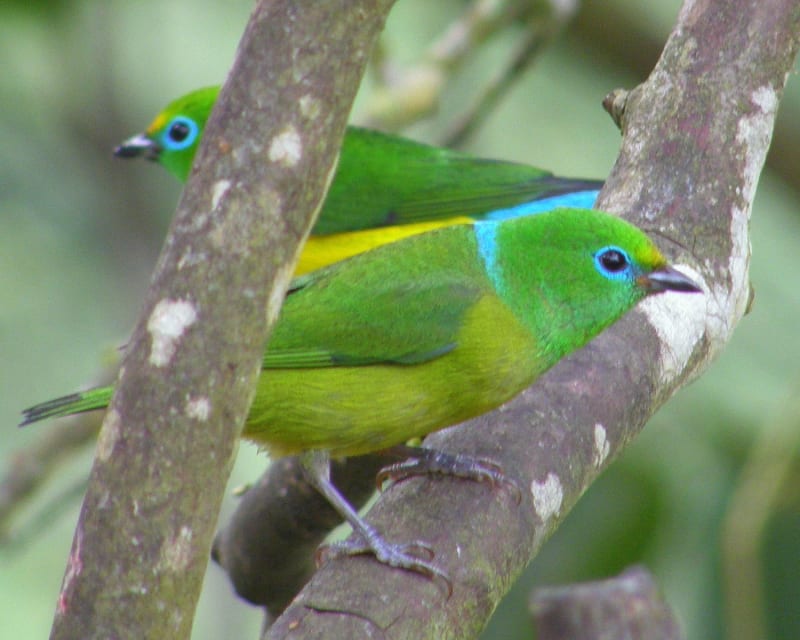
The Rancho Grande Biological Station is an important centre for research into local plants and animals. Nearby, Portachuelo Pass is known for seasonal bird movements. More than 500 bird species have been recorded in the park, including hummingbirds, toucans, parrots and many forest species. Early morning is often a good time for birdwatching. Bring binoculars and clothing suitable for damp weather.
Wildlife
The forests shelter monkeys, opossums, rodents, reptiles, amphibians and a great variety of insects. Jaguars and pumas may inhabit remote areas, although sightings are rare. Rivers and coastal habitats support aquatic life and birds. Observe wildlife from a distance, never feed animals and do not leave rubbish behind.
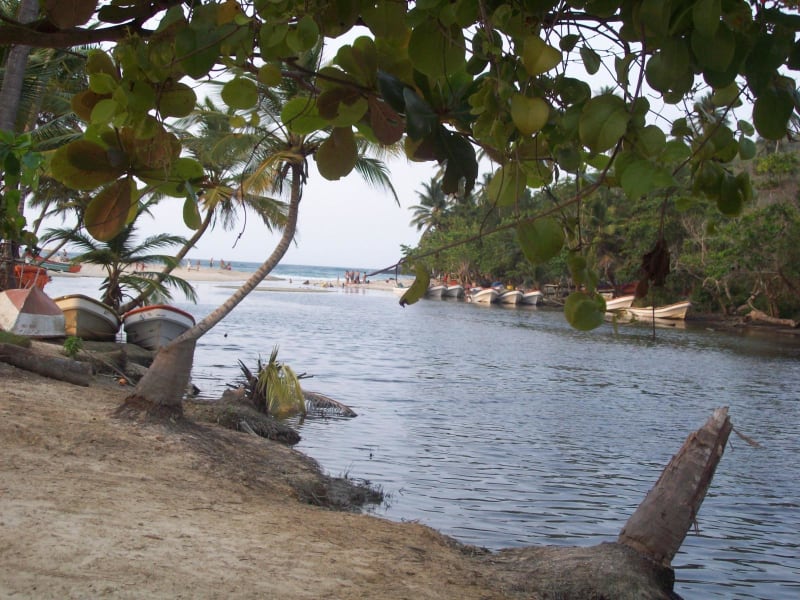
Caribbean Beaches
The northern part of the park reaches the Caribbean coast. Cata Bay is known for its sandy shore and scenic views, while Choroní and Playa Grande attract visitors with their tropical setting. Cuyagua is known for surfing when conditions are suitable. Before swimming, check the waves, weather and local safety advice.
Chuao and Its Cacao
The coastal settlement of Chuao is famous for cacao valued for its distinctive aroma and flavour. Plantations lie in a valley surrounded by mountains and humid forests. The community also preserves Afro-Venezuelan cultural traditions, including music, drumming and religious celebrations. Access is generally by sea or along routes through the mountains, so transport should be arranged in advance.
Walking and Best Time to Visit
Visitors can explore forest trails, viewpoints and coastal villages. Paths may be slippery, and fog can reduce visibility. Bring drinking water, sturdy footwear, insect repellent and a light rain jacket. Coastal areas are warm, while the mountain forest is cooler and more humid. Birdwatching opportunities vary by season, and beach conditions depend on the sea.
How to Get There
Maracay is a convenient starting point. Roads lead from the city towards Rancho Grande, Choroní and other parts of the park. Mountain roads are narrow and winding, requiring extra care in rain or fog. Check public transport schedules and access conditions before travelling.
Henri Pittier combines cloud forests, exceptional birdlife, mountain scenery and Caribbean beaches. It is an outstanding destination for discovering the nature and culture of northern Venezuela.
Gallery