
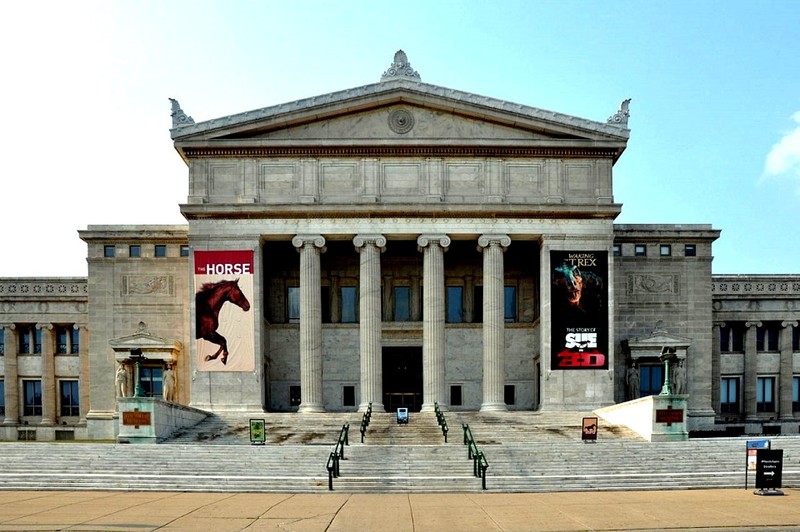
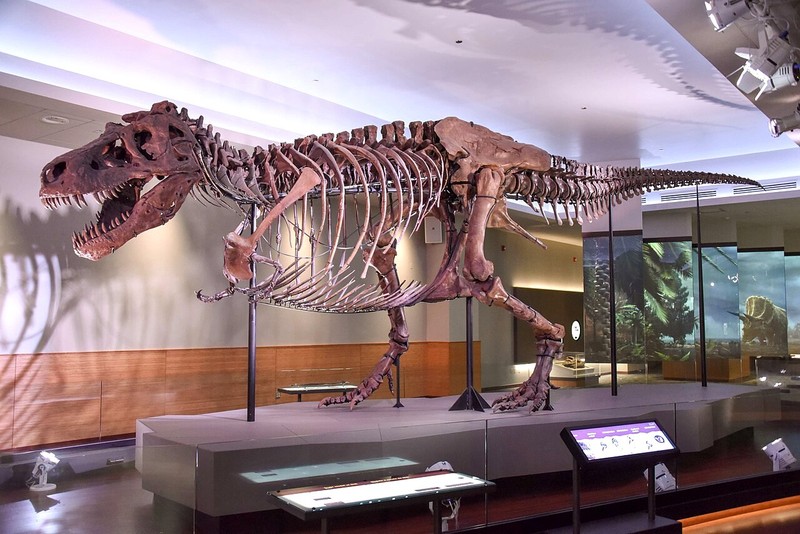
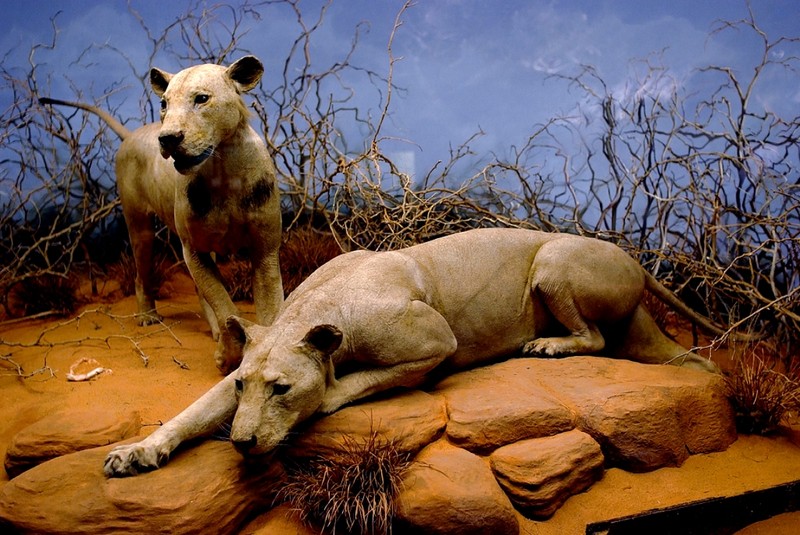
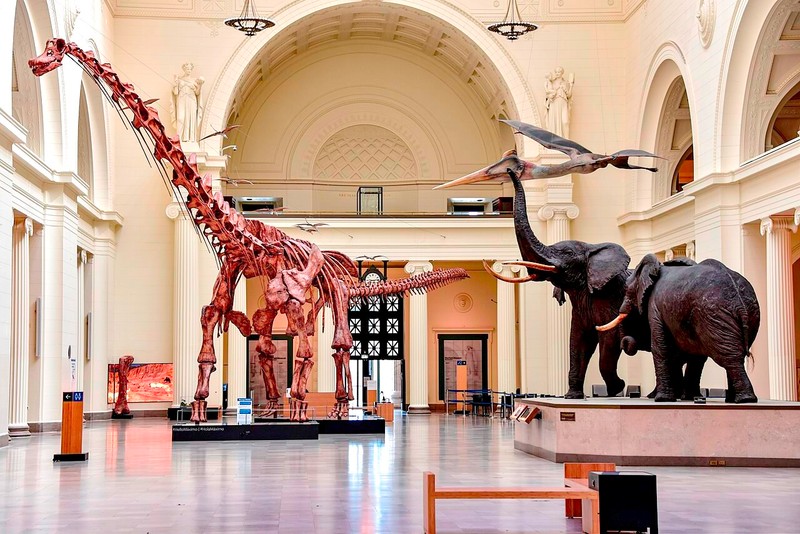
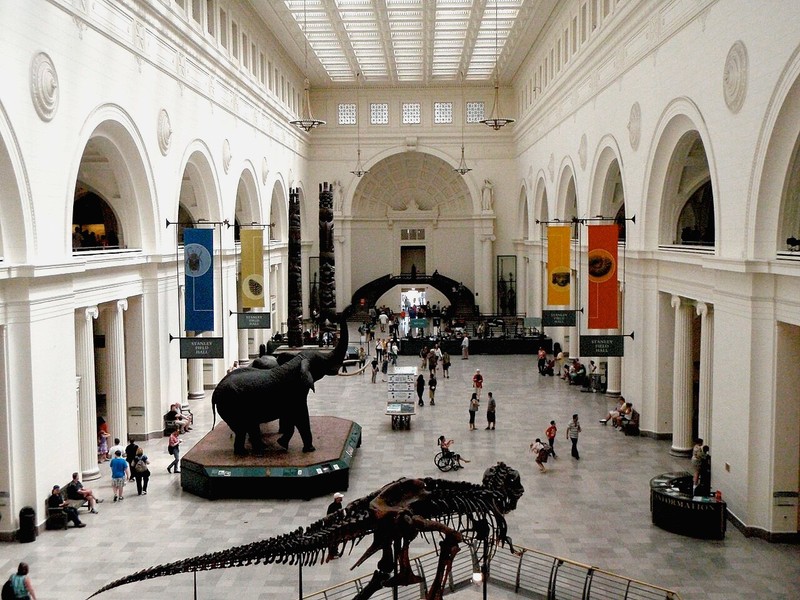
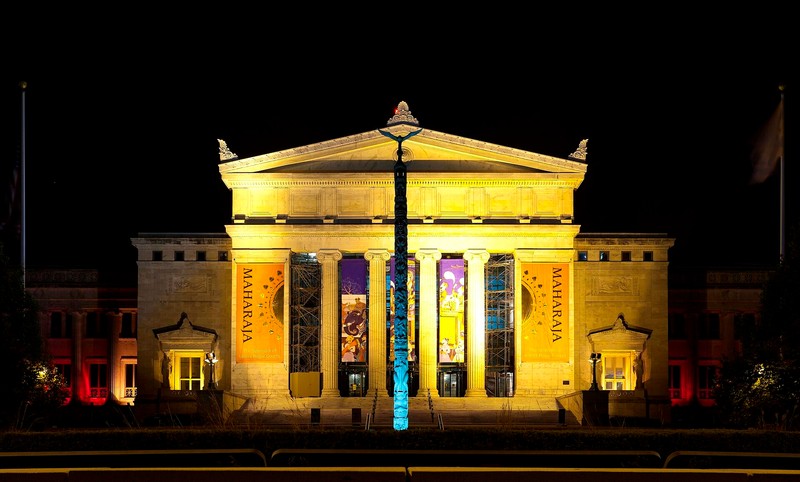
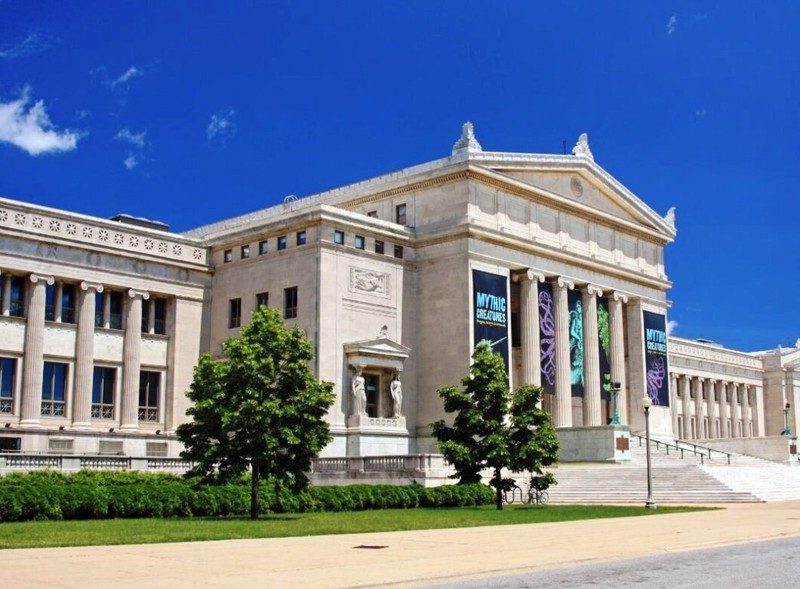
The Field Museum of Natural History is part of the Chicago Museum Campus. It is on the list of the largest museums in the world. Popular exhibits include the most complete tyrannosaurus skeleton to date, and a taxidermic collection of stuffed animals, including man–eating African lions.
History of creation
The Field Museum of Natural History was established to house biological and anthropological collections preserved from the World's Columbian Exposition, which was held in Chicago in 1893. He was given the name of his first major benefactor, the famous entrepreneur Marshall Field.
In 1894, the museum opened a library, and students, volunteers, researchers, and visitors come here. It currently holds more than 275,000 books, magazines, and photo archives. The facility has had its current name since 1905. Initially, it hosted visitors in Jackson Park, in 1921 there was a change of location, and since then the attraction has been located in Chicago Park, almost in the center of the city.
Short description
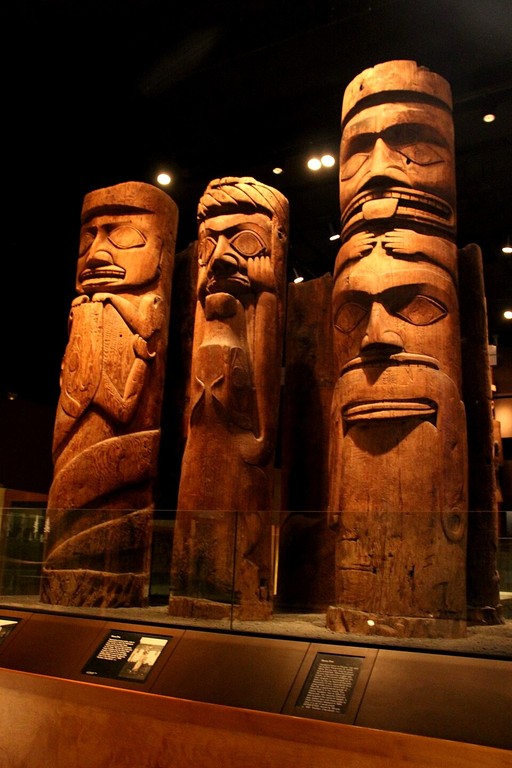
The Field Museum of Natural History has collections from Ancient America, Ancient Egypt, Africa, Tibet, and the Pacific Coast. The staff of the institution study museum objects, reveal their value from the point of view of history and science, and their significance for the development of society. In 1898, the first paleontologist, Elmer Riggs, was hired to work on the dinosaur collection. The museum's collections contain about 20 million exhibits, carefully selected from all over the world. The Field Museum of Natural History hosts exhibitions of:
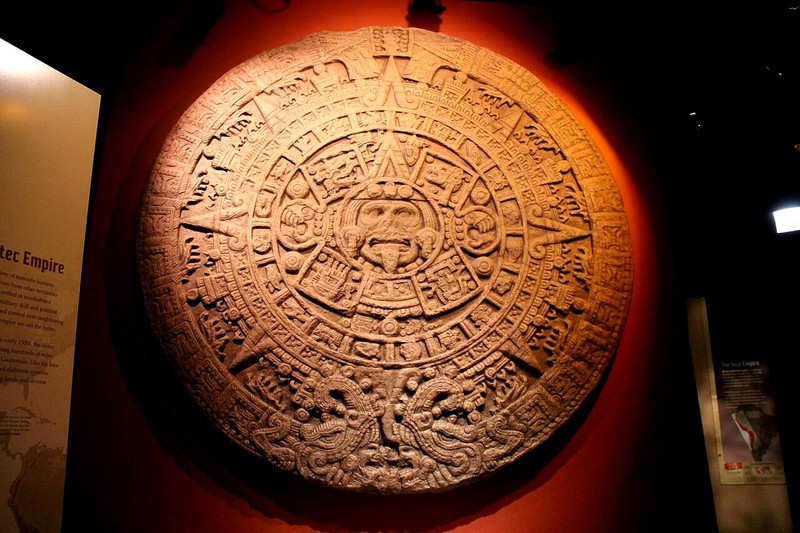
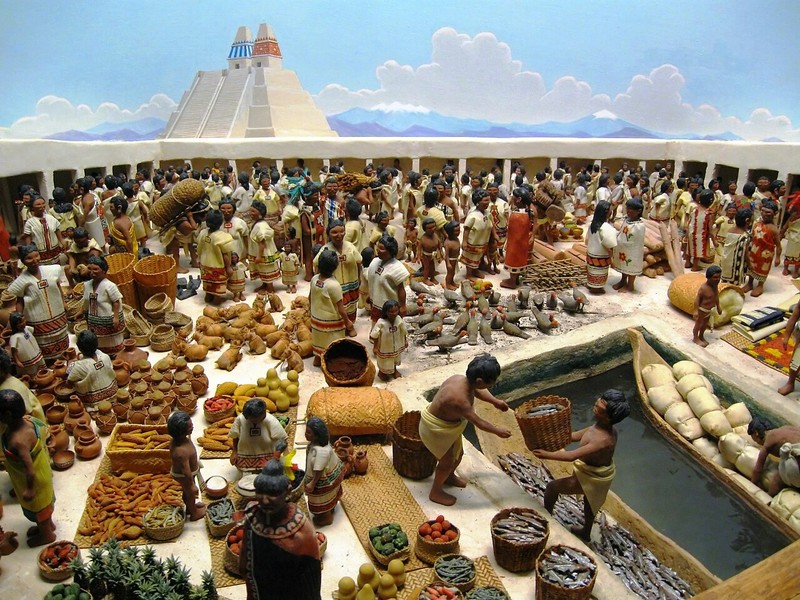
- "Ancient America" describes 13 thousand years of achievements in the Western Hemisphere. The exhibition describes more than one success story, on the way to which there were difficulties. ""Hunters of the Ice Age" is recommended to start the tour, and finish with "Empire Builders".
- "Ancient Egypt" holds a collection of human mummies and their tomography, as well as mummified animals. In the center of attention is a 3–storey replica of the tomb of Unas-Ankh, the son of Unas, who was the last pharaoh of the V dynasty.
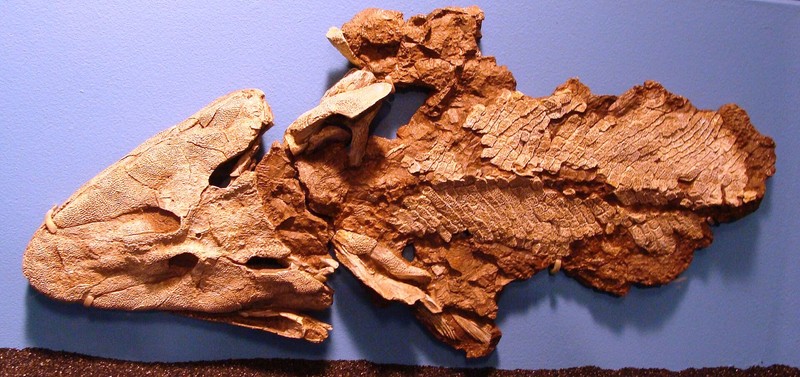
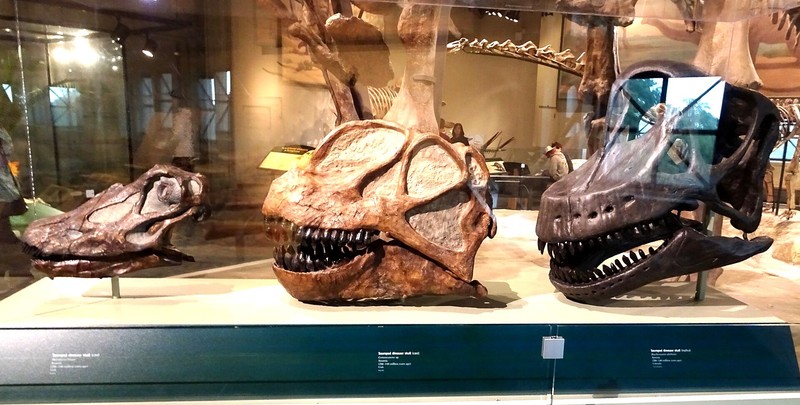
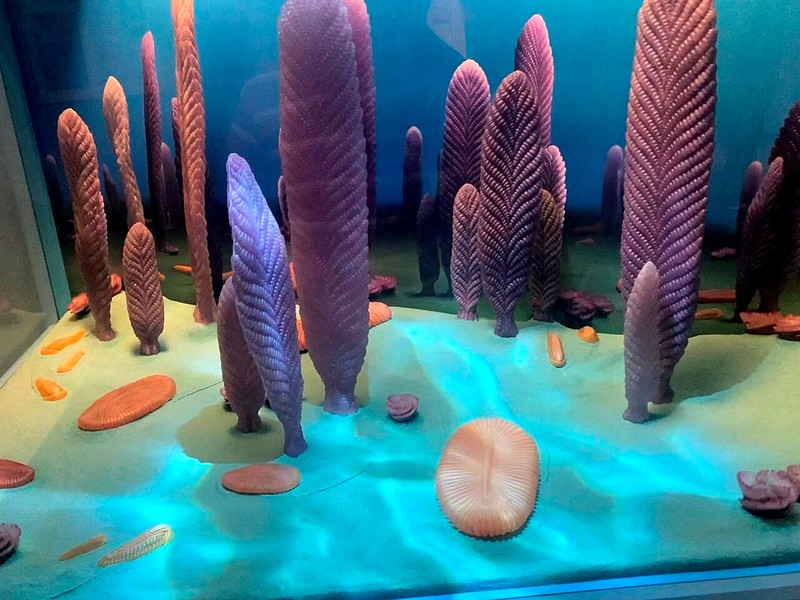
- The "Evolving Planet" demonstrates the stages of the evolution of life on Earth over the course of 4 billion years. Fossils of unicellular organisms, ancient invertebrates, and dinosaurs are presented.
- ""Mammals" "Africa", "Mammals of Asia", and "Nature Walk" introduce visitors to a variety of animal habitats. The man-eating lions from Tsavo (modern Kenya) and Mfuwe (Zambia) are considered the most popular.
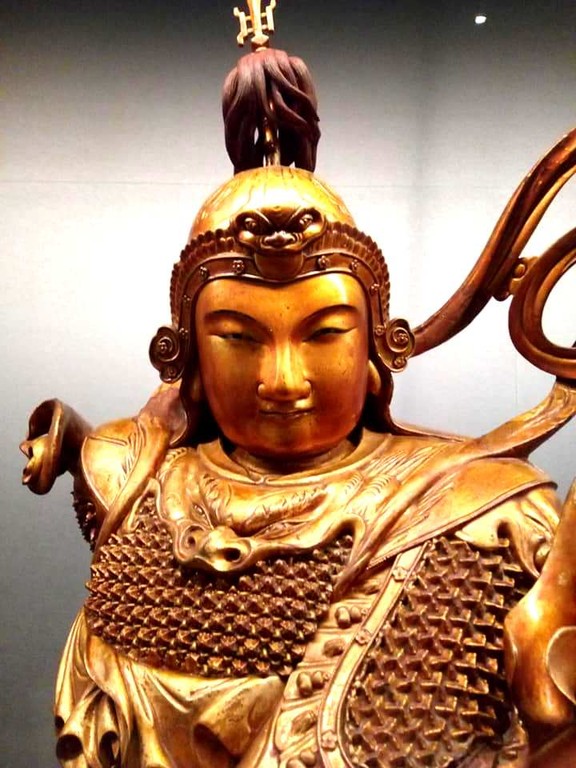
- In the cultural halls, you can see the traditional clothing of the peoples of Africa, Tibet, China and the Pacific Islands, which is represented in a wide variety. You can use outfits to understand how people used to look.
- The photo archive contains 250,000 images related to anthropology, zoology, botany, geology, and historical documents. You can see how the expeditions went around the world.
According to official statistics, more than 1 million people visited the museum in 2022, and the Field Museum of Natural History secured its status as one of the most visited museums in the world. The museum is usually open every day from 9.00 to 17.00, but the last tour starts at 16.00. The schedule may change, so it is recommended to study the schedule when planning a visit. Admission is free for residents of the State of Illinois every Wednesday. No visitors are allowed on Thanksgiving and Christmas Day.
How to get
The Museum Campus in Chicago, which includes the Field Museum of Natural History, can be reached by bus No130 or 146. The Museum Campus stop on the Metra Rail line is located nearby. The CTA train will take you to Roosevelt Station, then you should take bus No1465 or walk. Chicago has a well-developed taxi service, and when ordering, the car will arrive quickly from anywhere in the city. If the described options are not suitable, you can rent a car from a carsharing company.
Gallery

Nearby attractions