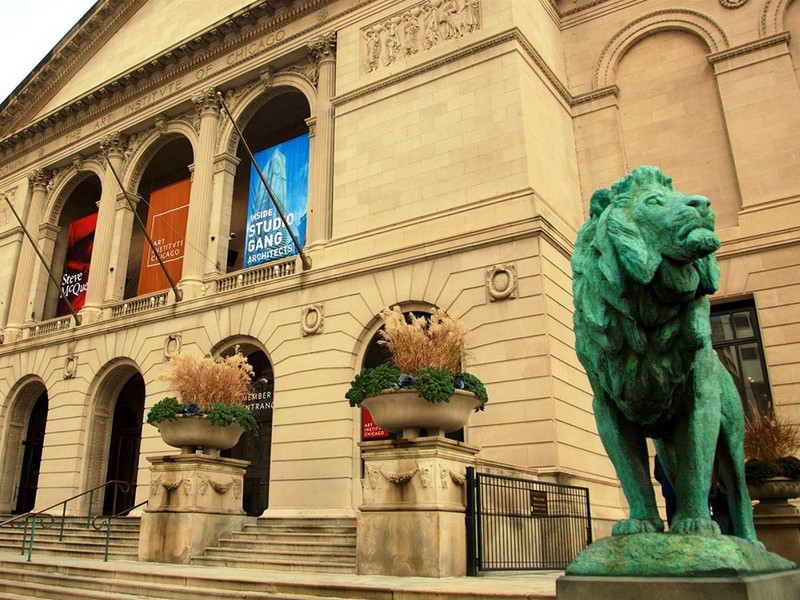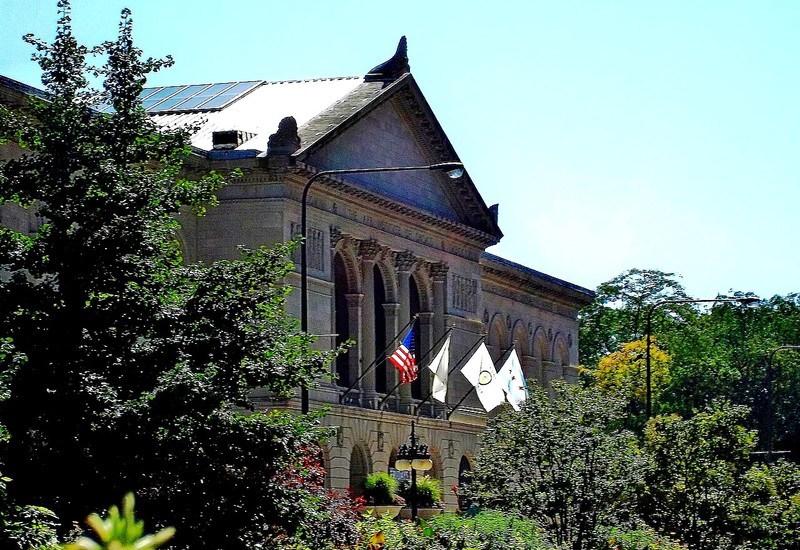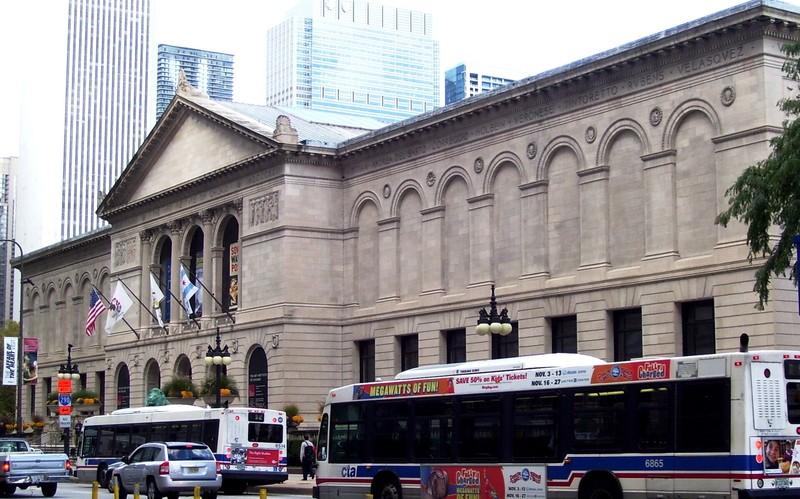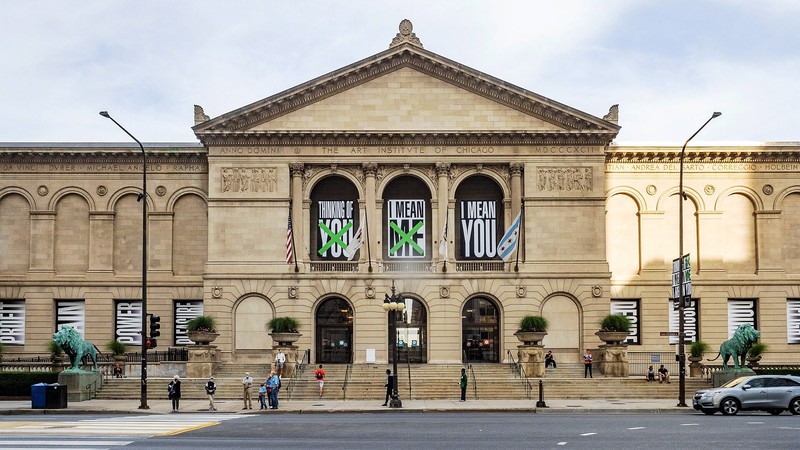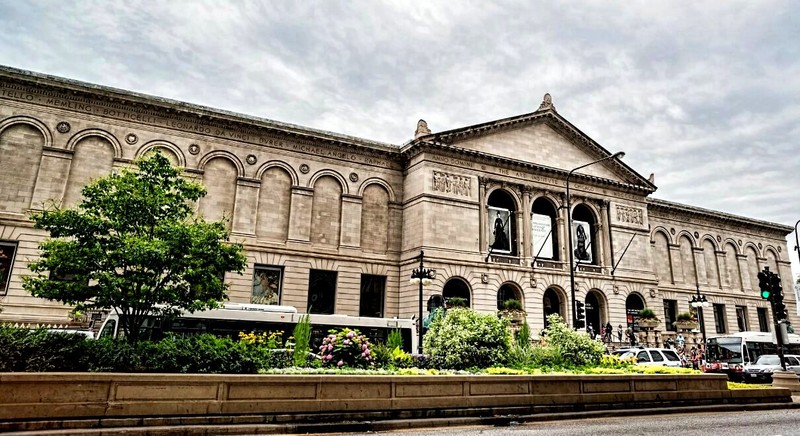

The Art Institute of Chicago is represented as a university and an art museum opened in the United States. Its staff organizes about 30 exhibitions annually. Workshops and concerts are also held here, which are attended by both residents of the city and tourists who have come to Illinois from other states or countries.
History of creation
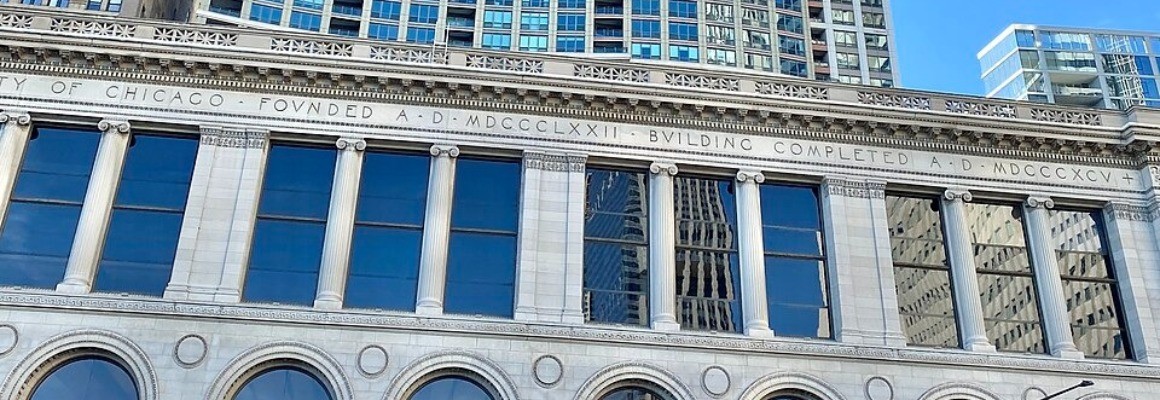
A group of artists opened the Academy of Design in 1866, its charter was adopted a year after its foundation, and classes began to be held in 1868. The institution had debts, and in 1879 the Chicago Academy of Fine Arts was established, which bought them at auction. The facility became known as the Art Institute of Chicago in 1882.
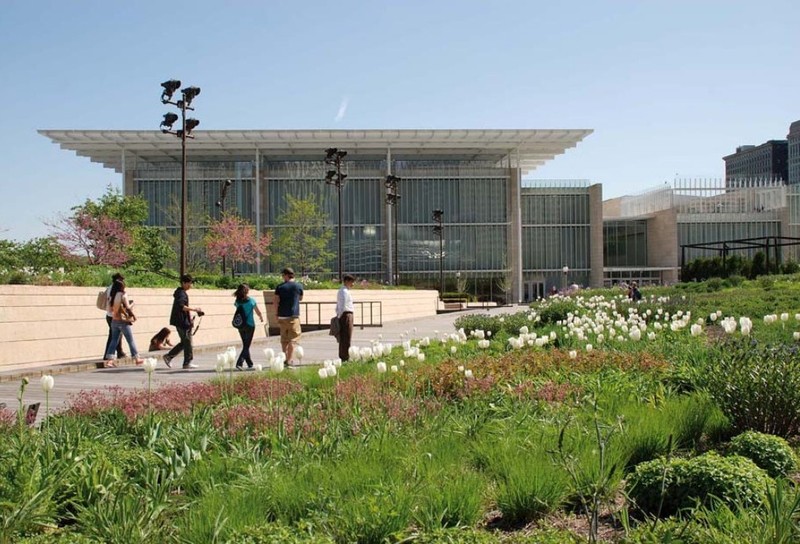
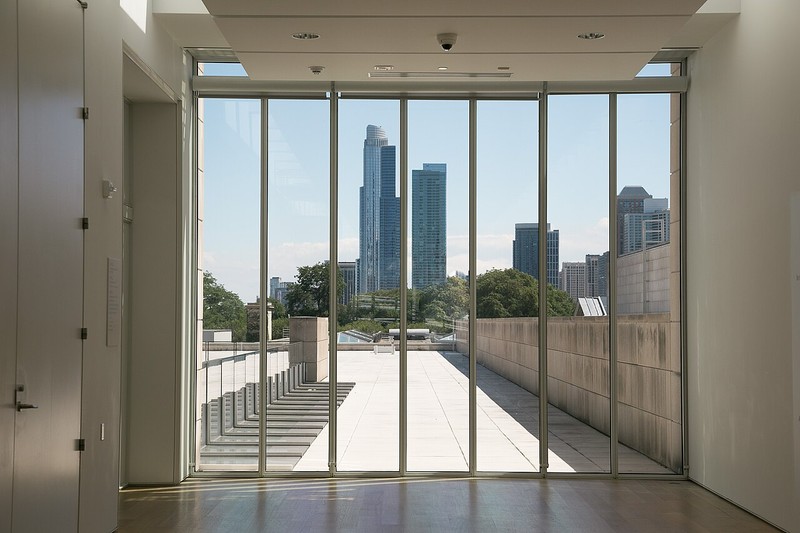
After 11 years, the institution moved to Michigan Avenue, where it still operates. In 2009, the institute was expanded and modernized, and the corresponding project was prepared by Renzo Piano. Then a new wing was added, additional exhibition halls were opened, and a terrace was built. After the renovation, the area of the Art Institute of Chicago increased to almost 93,000 square meters, and this allowed for the expansion of the existing collection.
Short description
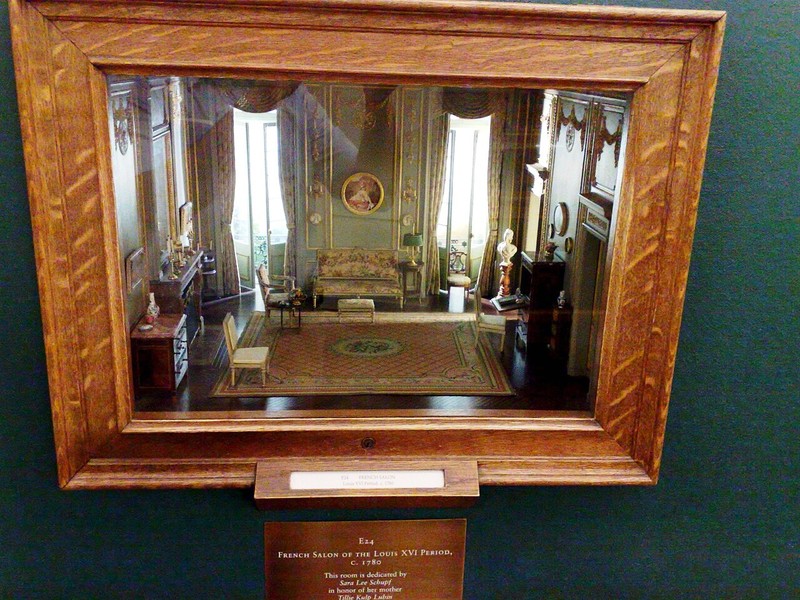
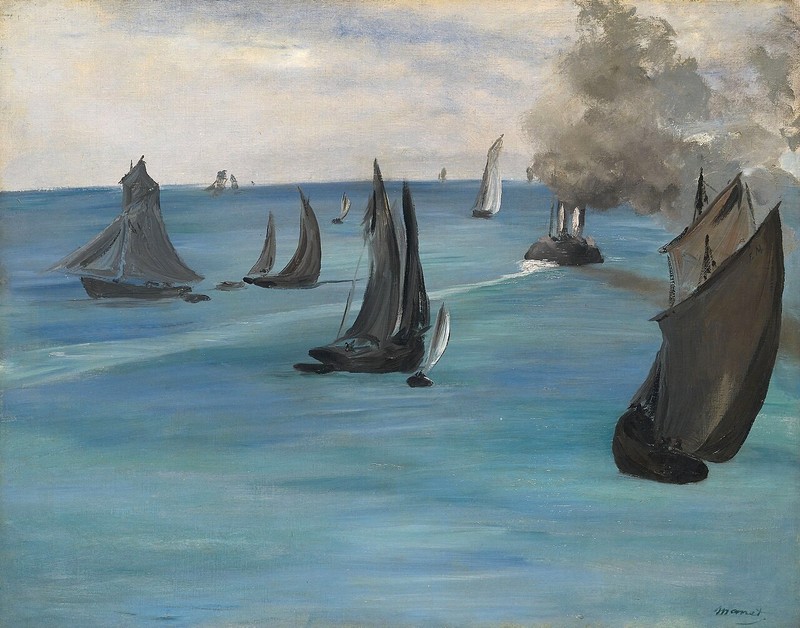
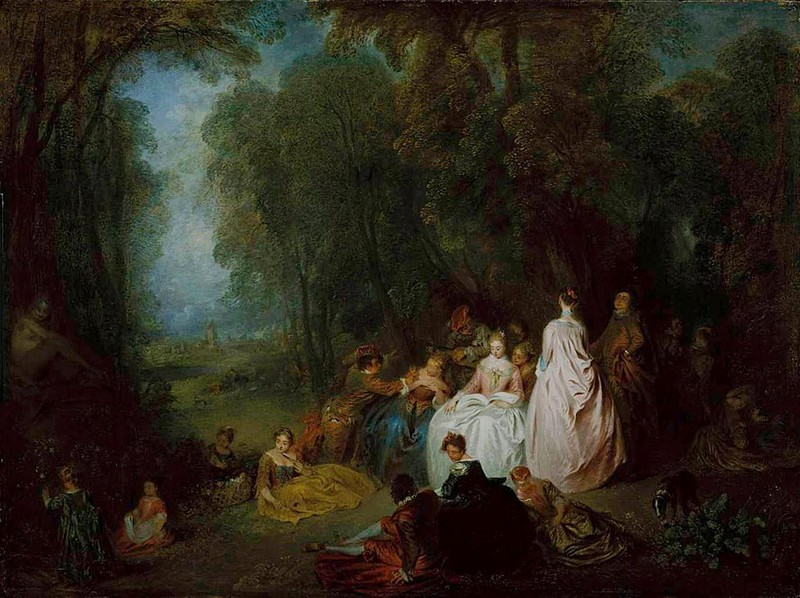
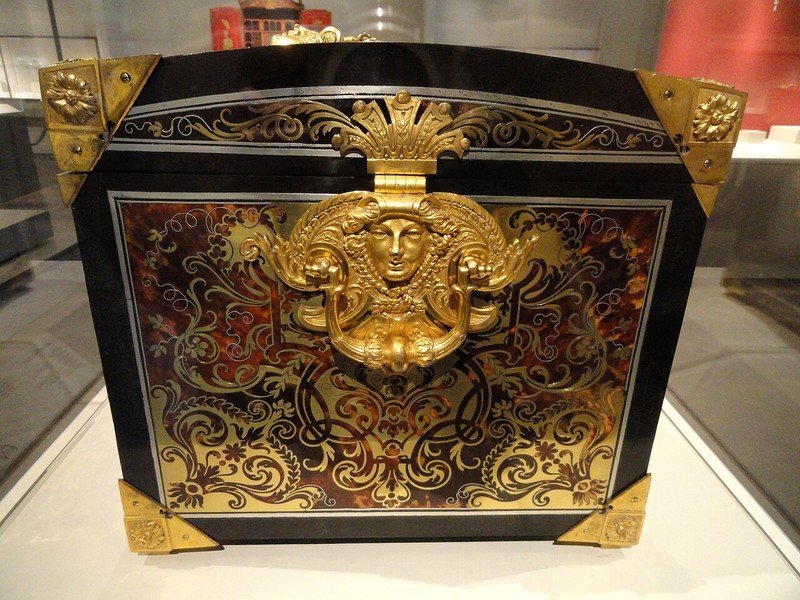
The main educational specializations of the Art Institute of Chicago include architecture and fine arts. There are classes in art, technology, computer animation, fashion design, cinema, and so on. The museum's collection covers 5,000 years of creative development in cultures around the world. 300,000 works of art have been collected, including early prints and contemporary art from the USA.
- African art and Native American art are represented in 2 galleries. The African collection includes about 400 masks, samples of clothing, jewelry, and ceramics from all over the continent. In the collection of indigenous peoples of America, you can see a variety of art objects from ceramics to textiles.
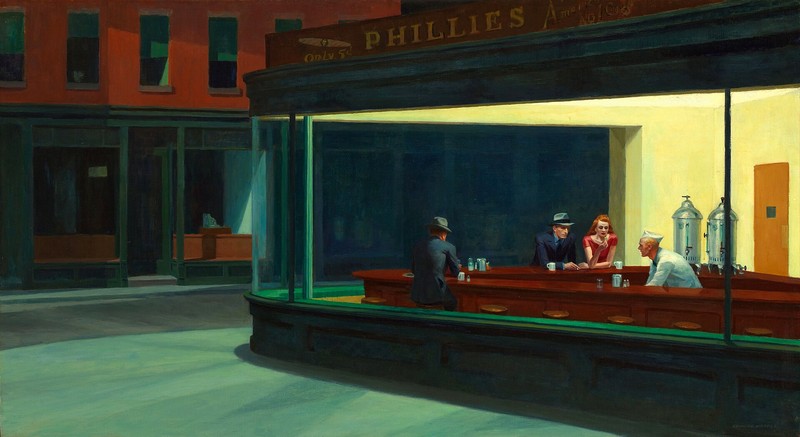
- The U.S. art collection consists of works from the American canon, including Grant Wood's "American Gothic" and Mary Cassatt's "Bathing a Child." It covers the colonial and modern periods. It is known that in 1942, the museum bought Edward Hopper's "Midnighters" for $3,000, the painting is called an icon of American culture in the country. Parodies of her are found in songs, films, and broadcasts.
- The ancient collection covers 4,000 years of art history, with its help you can get acquainted with Egyptian, Greek, Roman, Etruscan sculptures, jewelry, coins. Currently, 5,000 works are on display here.
- Architecture and Design stores 14,000 models and drawings from the 1870s to the present day. These are landscape architecture, engineering structures, and industrial design models. For example, you can view the works of Frank Lloyd Wright.
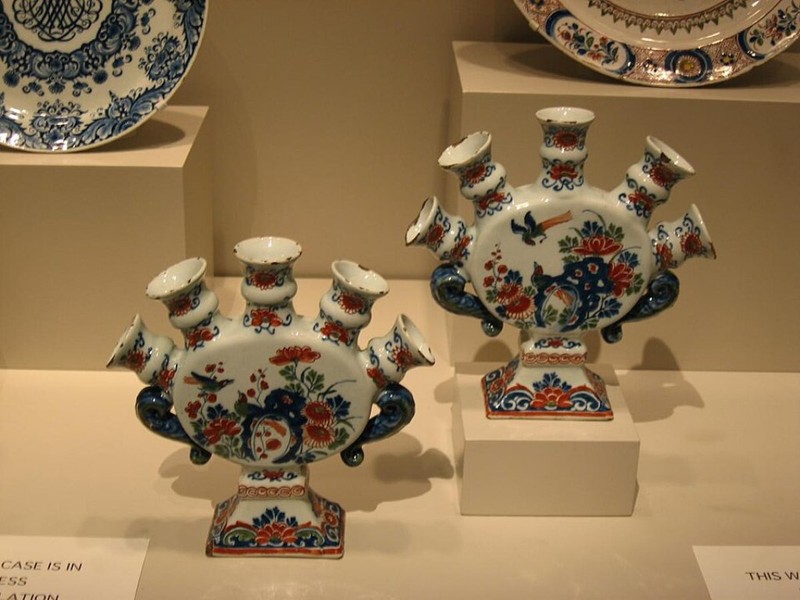
- Asian art preserves works created in China, Japan, Korea, India, etc. The collection includes 35,000 exhibits made of bronze, jade, ceramics, textiles and other materials.
- European paintings and sculptures are represented by Impressionist and post-Impressionist works. Among the exhibits are dozens of paintings by Claude Monet, including "Water Lilies", works by Pierre-Auguste Renoir, Gustave Caillebotte, Henri Matisse, Vincent Van Gogh.
- The collection of prints and drawings at the Art Institute of Chicago began with a donation from Elizabeth Stickney, who donated 460 works in 1887. In 1911, a special department was allocated at the institute, where drawings and engravings of the XV-XXI centuries are kept.
- The collection of Art Nouveau and contemporary art continues to grow. Collectors voluntarily donate their masterpieces. So, Henri Matisse's "Bathers by the River" appeared in the collection.
- The collection of photographs appeared in 1949, when the artist Georgia O'Keeffe donated part of the Alfred Stiglitz collection to the museum. After that, the collection increased by about 20,000 works.
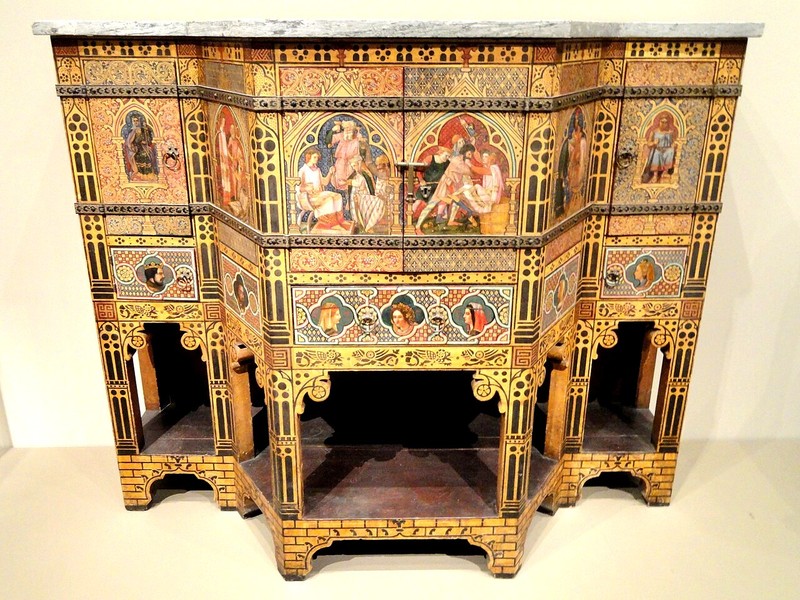
- Textiles consist of more than 13,000 products from BC and the 21st century, ranging from needlework by English craftsmen, quilts created in America, and art objects made from fibers.
How to get
The nearest metro station is Adams/Wabash, and the Art Institute is about 100 meters away. Michigan & Monroe buses No3, 4, 6, 26, 143 also stop nearby. You can arrive at the Art Institute of Chicago by private/rented car or taxi, which is easy to order from any area or suburb.
Gallery