Haleakalā National Park is located on the island of Maui in the U.S. state of Hawaii. Its name is associated with Haleakalā Volcano, whose summit rises to about 3,056 meters above sea level. The park is known for its immense volcanic depression, colorful cinder cones, rare plants, and tropical forests filled with streams and waterfalls.
Area and history
The park covers approximately 136.45 square kilometers, or 13,645 hectares. The area first became part of Hawaiʻi National Park in 1916. In 1961, Haleakalā was established as a separate national park. Today, it protects natural environments ranging from sea level to the high volcanic summit. Much of the park is designated wilderness, where human activity is restricted to preserve fragile ecosystems.
Haleakalā Volcano and its crater
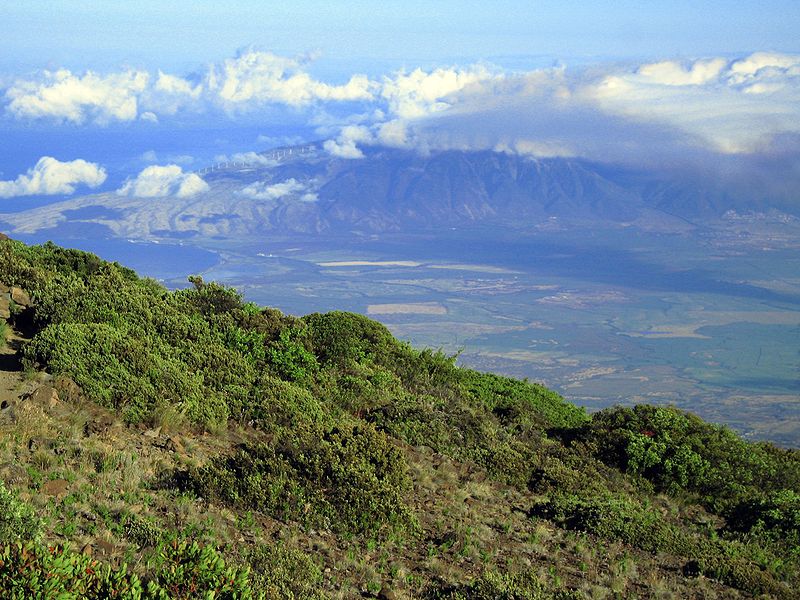
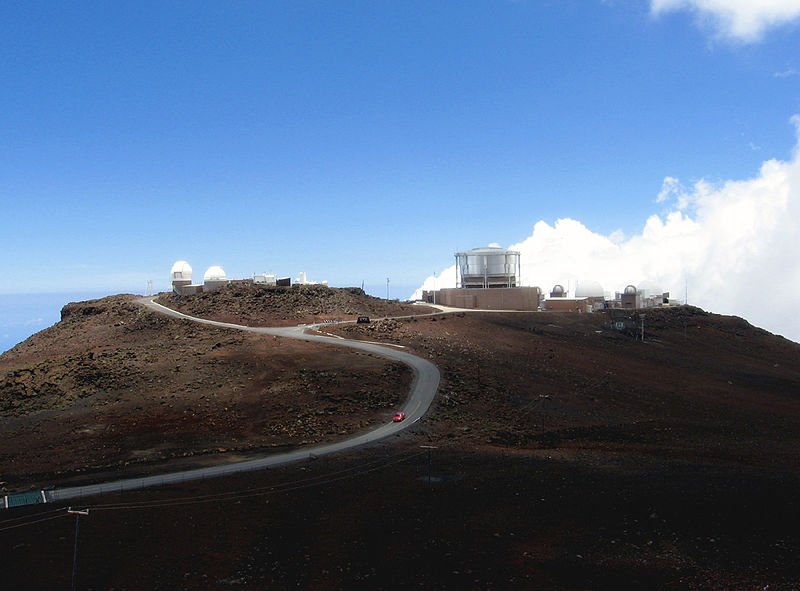
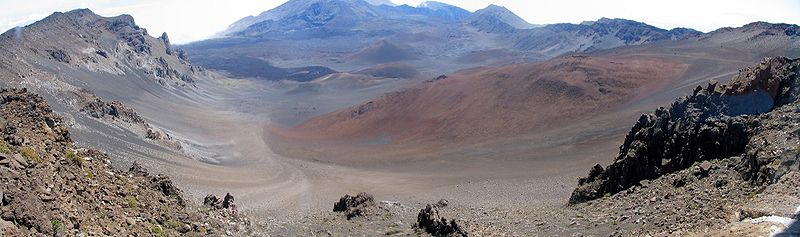
Haleakalā is a massive shield volcano that formed much of eastern Maui. Its summit contains a broad depression with steep walls, ridges, and numerous cinder cones. Although commonly called a crater, this landscape was shaped largely by erosion and the merging of major valleys rather than by a single volcanic explosion. The rocks range from red and ochre to brown and nearly black, depending on the light. Scientists estimate that the volcano's most recent known eruption occurred several centuries ago, so it is not considered definitively extinct.
Sunrise above the clouds
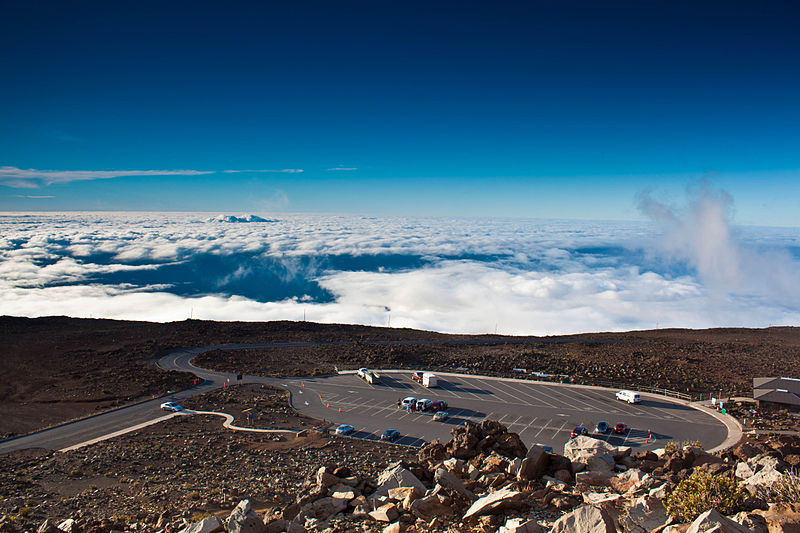
One of the park's best-known experiences is watching sunrise from the summit. Clouds often fill the valleys below, while the first sunlight gradually turns the volcanic slopes gold and pink. Because of the elevation, temperatures can fall below freezing even when the coast is warm. Visitors entering the Summit District between 3 a.m. and 7 a.m. to watch sunrise must make a reservation in advance. Current requirements should be checked on the official park website.
Rare plants and wildlife
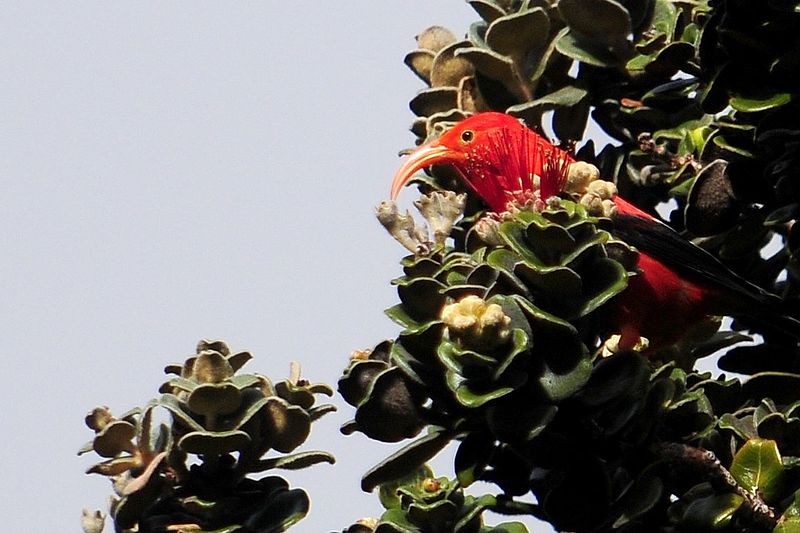
The high-elevation landscape can resemble a harsh volcanic desert, yet it supports unique species. One of the most famous is the silversword, or ʻāhinahina, a plant with silvery leaves found naturally only in Hawaii. It grows slowly, usually flowers once in its lifetime, and then dies. The park also protects rare Hawaiian birds, including the nēnē, or Hawaiian goose, and the Hawaiian petrel. Many native species evolved in isolation and are particularly vulnerable to introduced animals, diseases, and invasive plants.
Two different worlds: the summit and Kīpahulu
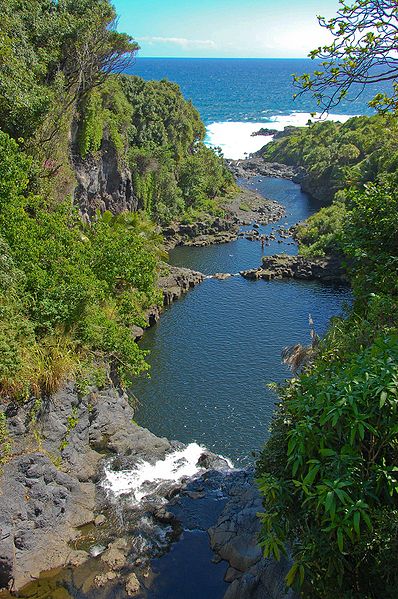
The park has two main districts that are not connected by a direct road through the protected area. The Summit District contains the volcanic depression, high-elevation shrublands, overlooks, and hiking routes. The coastal Kīpahulu District lies in southeastern Maui and is known for wet tropical forests, streams, and waterfalls. The popular Pīpīwai Trail passes through forest and bamboo groves toward Waimoku Falls. In the ʻOheʻo area, visitors can see cascades and pools, although access depends on current conditions and safety restrictions.
Hiking and outdoor experiences
Trails in the summit area cross cinder fields and volcanic valleys. Some routes descend into the vast depression, revealing unusual lava and ash formations. Hikes can be more demanding than they appear on a map: high elevation means less oxygen with each breath, weather changes quickly, and loose volcanic ground makes walking difficult. In Kīpahulu, trails pass through tropical vegetation, damp forest paths, and streamside scenery. Check trail conditions and allow enough time for the return journey before setting out.
Cultural significance
Haleakalā has deep spiritual and cultural significance for Native Hawaiians. In Hawaiian traditions, mountains, forests, water, and other natural features are connected with stories of origin, ancestors, and the spiritual world. The name Haleakalā is often translated as “House of the Sun” and is associated with a legend about the demigod Māui, who captured the sun to make the days longer. Visitors are encouraged to treat the summit and cultural sites with respect, leave rocks and plants undisturbed, and avoid leaving any trace of their visit.
When to visit and what to know
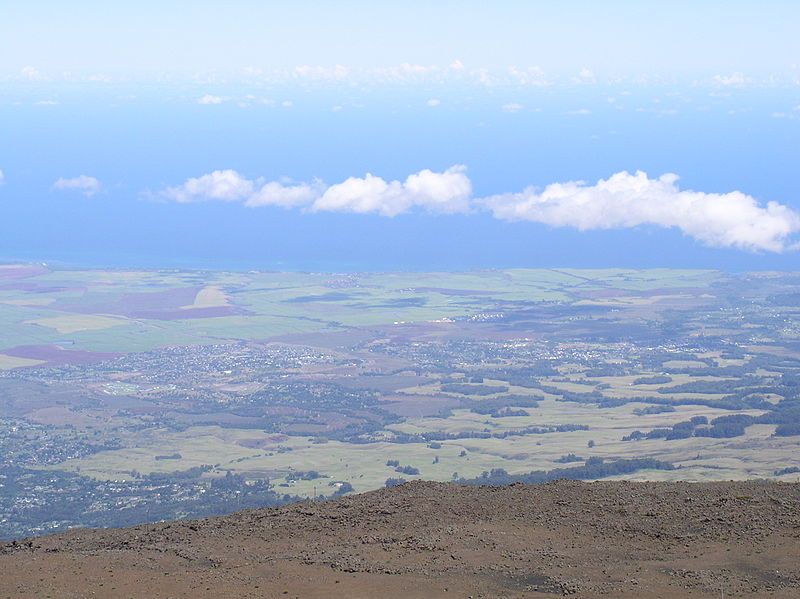
The park is open year-round, but conditions vary greatly between the summit and the coast. The summit can be cold, windy, and foggy, while Kīpahulu is generally hot, humid, and rainy. There are no gas stations inside the park, so refuel beforehand. Bring warm clothing for the summit, water, sun protection, and sturdy footwear. Sudden floods and rockfalls can occur in Kīpahulu, making swimming and entering streams dangerous. Haleakalā offers an extraordinary view of Hawaii's ecological diversity, from a high-altitude volcanic desert to lush tropical rainforest.
Gallery