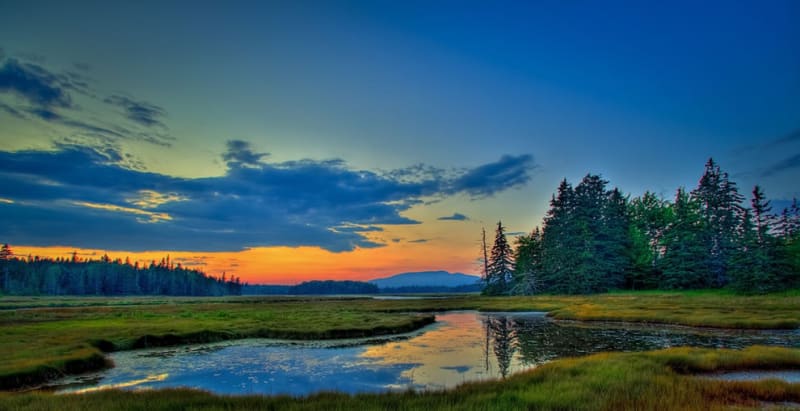
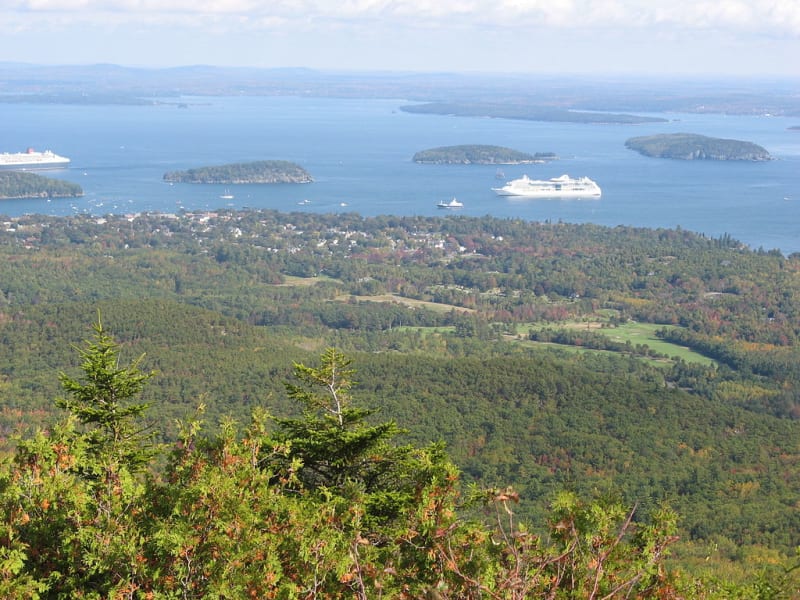
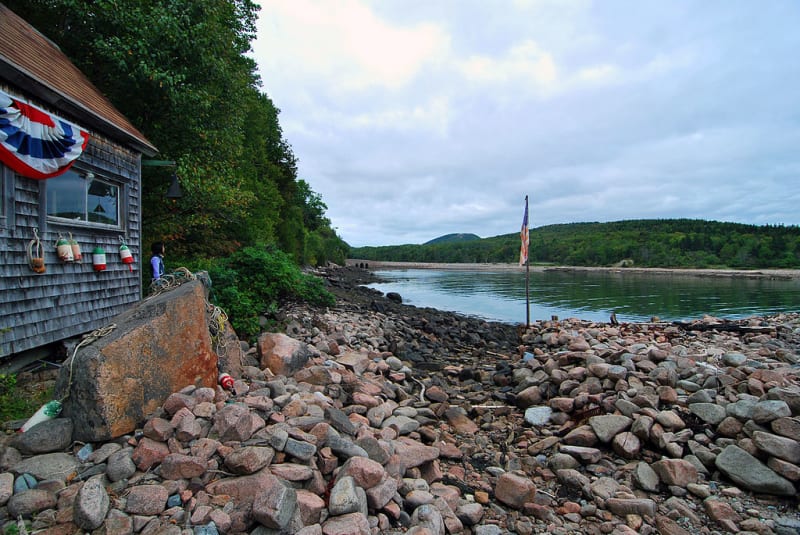
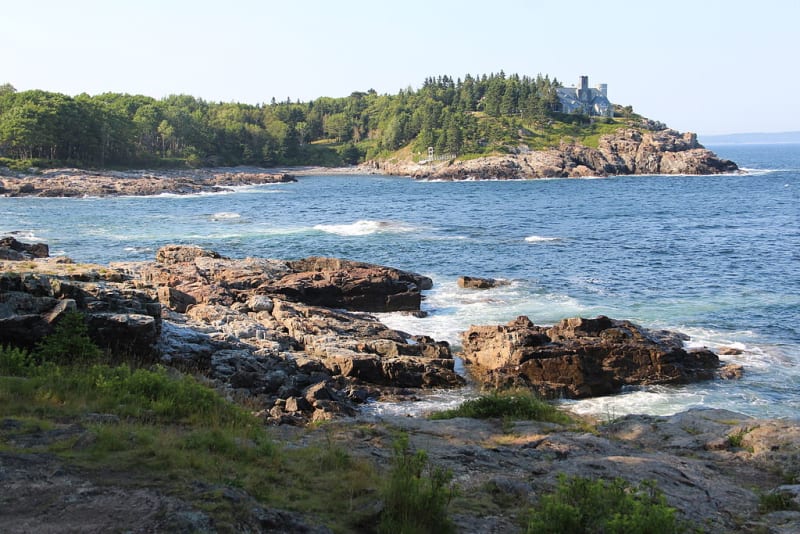
Acadia National Park is a scenic protected area on the Atlantic coast of Maine in the northeastern United States. It is known for rocky shores, granite peaks, dense forests, glacial lakes and small islands. Mountain landscapes meet the cold waters of the Atlantic here, creating one of New England's most recognizable natural settings.
Most of the park lies on Mount Desert Island, while the protected area also includes the Schoodic Peninsula and several smaller islands. Acadia attracts hikers, cyclists, photographers and travellers who want to experience the rocky coastline and forests of northeastern America. Unlike many larger US national parks, it is relatively easy to combine mountain walks, lakeside breaks and scenic drives along the ocean.
History of the national park
Long before the national park was established, the region was home to the Wabanaki peoples, who used the islands and coastline for generations. Later, European explorers, fishermen and settlers became familiar with the area. Its landscapes gradually attracted artists and tourists, and growing popularity increased the need to protect the island from excessive development.
In the early twentieth century, conservationists including George Dorr and Charles Eliot worked to preserve land on Mount Desert Island. In 1916, Sieur de Monts National Monument was established, and in 1919 the area became a national park named Lafayette. The park was renamed Acadia in 1929. It became the first national park in the United States east of the Mississippi River.
Philanthropist John D. Rockefeller Jr. played a major role in the park's development. He financed the construction of historic carriage roads that allowed people to travel across the island without motor vehicles. Today, these routes form an important part of Acadia's cultural heritage and are used for walking, cycling and horse-drawn carriage rides.
Cadillac Mountain
Cadillac Mountain is one of Acadia's principal attractions. It rises about 466 metres above sea level, offering broad views of Frenchman Bay, nearby islands and the indented coastline. It is the highest point on the Atlantic coast of the United States east of the Mississippi River.
Trips to the summit at sunrise are especially popular. During part of the year, visitors can be among the first in the continental United States to see the sun rise here. The precise location of the first sunrise varies with the season and the observer's position. A road leads to the summit, where a short walking trail and panoramic viewpoints are available.
During the warmer months, visitors driving Cadillac Summit Road must reserve an entry time in advance. Requirements can change, so it is best to check the official website of the US National Park Service before visiting.
Rocky coastline and the ocean
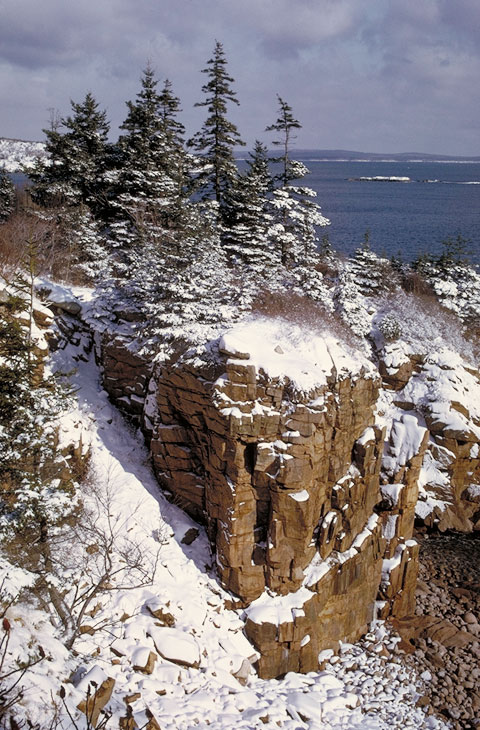
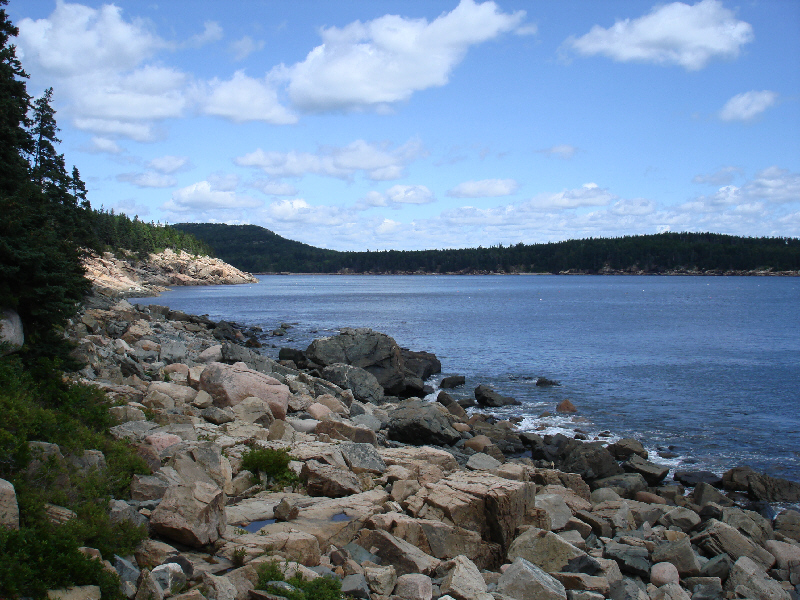
Acadia's shoreline features granite cliffs, small coves, rocky beaches and coastal forests. One of the best-known locations is Otter Cliffs, where steep rock faces rise above the Atlantic Ocean. The force of the waves and the rugged character of Maine's coast are especially evident here.
Sand Beach is a popular destination: a small sandy beach surrounded by cliffs and wooded slopes. Despite its inviting appearance, the Atlantic water here remains cold even in summer. Swimming requires caution because of low water temperatures, waves and changing weather conditions.
The scenic Park Loop Road is a convenient way to explore the coastline. It connects several well-known natural sites and offers stops at viewpoints, beaches and trailheads. In some places, the road runs close to steep drops, so visitors should follow traffic rules and use designated stopping areas.
Lakes, forests and glacial landscapes
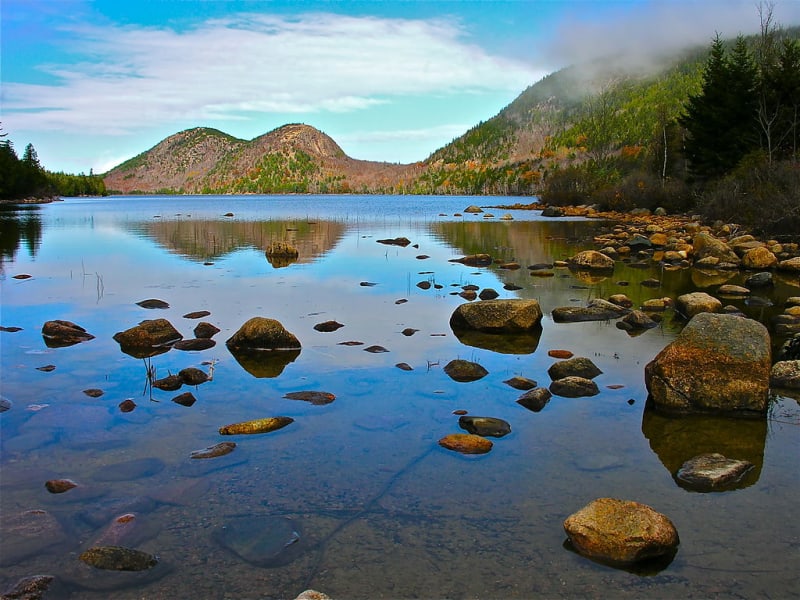
The interior of the park differs from the exposed ocean coast. It contains forests, granite hills and lakes shaped by ancient glaciers. One of the best-known places is Jordan Pond, a clear lake surrounded by mountains. On calm days, distinctive peaks known as the Bubbles are reflected in the water.
Walking routes around Jordan Pond provide views of the lake from different angles. Visitors can watch waterbirds, photograph mountain reflections and enjoy the woodland scenery. It is important to remain on the trails and avoid damaging shoreline vegetation.
Acadia's forests include both coniferous and deciduous trees, with ferns, mosses and shrubs in some areas. Seasonal changes are especially striking in autumn, when the deciduous woods turn red, gold and orange. Spring and summer bring fresh greenery, while some routes can be used for snowshoeing and cross-country skiing in winter when conditions allow.
Historic carriage roads
One unusual feature of Acadia is its network of historic carriage roads. John D. Rockefeller Jr. and his family financed their construction between 1913 and 1940. The routes were designed to follow the natural contours of the land, preserve trees and provide attractive views of hills and valleys.
The roads feature stone bridges, granite edging and small historic gatehouses. Today, visitors can walk, cycle or travel by horse-drawn carriage along them. These routes are especially popular with people who prefer a quieter way to explore nature away from motor traffic.
Wildlife and birdwatching
Acadia is home to white-tailed deer, foxes, raccoons, hares and other mammals. Numerous bird species live in the forests and along the rocky coast, including seabirds and birds of prey. Marine mammals may occasionally be seen in coastal waters, although sightings depend on the season and location.
Early morning and the quieter hours before sunset are often good times to look for wildlife. Binoculars help visitors observe birds on cliffs and over the water. Keep a safe distance from wild animals, never feed them and do not leave food unattended. Coastal visitors should also be aware of tides, powerful waves and slippery rocks.
Hiking trails and outdoor activities
Acadia National Park offers trails of varying difficulty, from short walks to viewpoints to steep climbs over rocky slopes. Some routes pass through forests and valleys, while others lead to exposed summits with ocean views. Popular areas include Cadillac Mountain, the Bubbles and the coastline.
Before setting out, consider the route's length and difficulty, and bring water, suitable footwear and clothing for changeable weather. Wind can be stronger on exposed rocks than in the forest, and fog can reduce visibility quickly. On challenging sections, follow trail signs and stay behind safety barriers.
Cyclists can use the historic carriage roads, while Park Loop Road is convenient for exploring by car. Popular areas can be crowded during peak season, so starting early can make the visit more relaxed. Campsites generally require advance reservations.
Best time to visit Acadia
Summer is suitable for hiking, coastal drives and beach visits, although it is also the busiest season. Spring brings cool weather and renewed forest growth, but some trails may remain wet or temporarily closed. Autumn is especially popular for the bright colours of deciduous trees. Winter is quieter, but conditions can be harsh and some roads and facilities close seasonally.
Before travelling, check road conditions, parking availability and seasonal restrictions. An entrance pass is required to visit the national park, and driving to Cadillac Mountain's summit requires a separate reservation during certain months. The latest requirements should be confirmed with the US National Park Service.
Visitor rules and conservation
Acadia protects both natural landscapes and the region's cultural heritage. Visitors should stay on marked trails, take their rubbish with them, avoid picking plants and leave wildlife undisturbed. Along the rocky coast, keep a safe distance from the water's edge, especially when the sea is rough.
Park visitors must follow parking and traffic rules as well as restrictions that apply to specific routes. Camping is allowed only in designated areas. Respectful behaviour helps preserve Acadia's forests, lakes, rocky shores and historic structures for future generations.
Acadia National Park combines ocean panoramas, mountain summits, quiet lakes and historic roads. Because many attractions are relatively close together, one trip can reveal several sides of Maine's natural scenery, from granite cliffs above the Atlantic to forest trails and glacial lakes.
Gallery