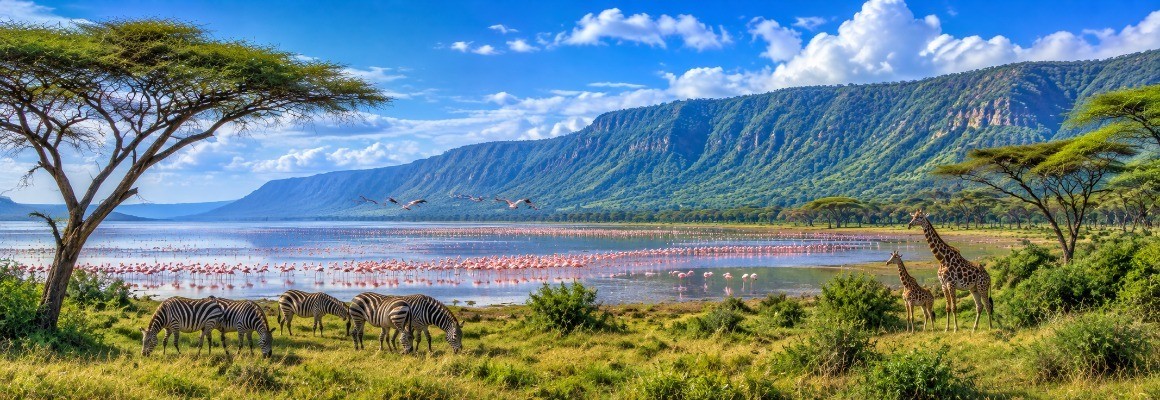
Tarangire National Park is one of Tanzania’s most remarkable protected areas, located in the north of the country. It is famous for large herds of African elephants, ancient baobabs, open savannas and a river that becomes a vital source of water during the dry season. Unlike the Serengeti, widely associated with the Great Migration, Tarangire stands out for its varied landscapes and opportunities to watch wildlife gathering near water.
The park covers approximately 2,850 km². It forms part of northern Tanzania’s safari circuit, together with Serengeti National Park, the Ngorongoro Conservation Area and Lake Manyara National Park. Its scenery includes grassy plains, hills, seasonal wetlands, woodland and enormous trees.
Location and geography
Tarangire lies in northern Tanzania, mainly in the Manyara region, southwest of Arusha. The drive from Arusha usually takes about two and a half to three hours, depending on road conditions and the entrance used. The nearest major transport hubs are Kilimanjaro International Airport and Arusha Airport. Kuro Airstrip inside the park is used by some charter flights.
Elevations in different parts of the park range roughly from 900 to 1,250 metres. The landscape includes the Tarangire River valley, open grasslands, acacia woodland, rolling hills and seasonal swamps. Wildlife also moves through surrounding lands beyond the official park boundary in search of food and water.
Name and history
The park takes its name from the Tarangire River, which crosses the area. During the dry months, the river becomes especially important as many smaller pools and water sources in the surrounding savanna disappear. Elephants, buffaloes, zebras, antelopes and birds gather along its valley.
Tarangire was officially established as a national park in 1970 and is managed by Tanzania National Parks Authority. Conservation must extend beyond the park itself, because seasonal grazing lands and wildlife corridors outside its borders are important for animal movements. Expanding settlements, agriculture and roads can disrupt these connections.
The Tarangire River: a lifeline for wildlife
During the dry season, the river is one of the most important water sources for animals living across the surrounding plains. As temporary pools disappear, herds gather in the river valley. Visitors may see elephants, zebras, antelopes, buffaloes and many birds near the same waterhole, while predators may be present nearby.
After the rains, the savanna becomes greener and temporary pools appear, allowing animals to spread over a wider area. In the dry months, available water concentrates wildlife in fewer places. This makes the dry season particularly rewarding for game viewing, although Tarangire can be visited throughout the year.
Elephants of Tarangire
Elephants are the park’s signature animals. Tarangire is one of the best places in Tanzania to observe them in the wild. Visitors may encounter family groups with calves, large bulls and herds moving through the savanna or gathering along the river. Elephants use their trunks to drink, bathe, collect grass and branches, and communicate with one another.
During dry months, large herds visit the river and swamps. Elephants sometimes dig into the dry riverbed to reach damp sand and underground water. Such scenes reveal their cooperation and social behaviour, as adults protect calves and younger animals learn from older members of the herd. Elephants remain wild and potentially dangerous, so visitors must keep a safe distance, never block their route and follow the guide’s instructions.
Baobabs and iconic scenery
Tarangire’s landscapes are inseparable from its baobabs, massive trees with thick trunks and spreading branches. They stand across open ground, on hills and near river valleys, creating some of the most recognisable views of the African savanna.
Baobabs are adapted to dry conditions and can store water in their trunk tissues. Their flowers and fruit provide food for wildlife, while branches and hollows offer shelter for birds, insects and small mammals. Some local trees are very old, although the exact age of an individual baobab is difficult to establish without specialised research.
The combination of giant trees, elephants and reddish soil is especially photogenic. In the soft light of early morning and late afternoon, the trunks take on warm tones and long shadows emphasise the shape of the savanna.
Seasonal swamps and other habitats
In addition to the river and baobab-covered hills, seasonal wetlands play an important role in Tarangire’s ecosystem. Silale Swamp in the southern part of the park is one of the best-known examples. It can retain moisture longer than surrounding plains and provides habitat for wildlife and waterbirds. The extent of flooded ground varies with rainfall.
The park also contains open grasslands, acacia woodland, riverine forest, scrub and areas dotted with termite mounds. Each habitat supports different plants and animals. Grazing wildlife is easier to spot on open plains, smaller mammals and birds use woodland for cover, and water attracts a wide variety of species.
Wildlife
Tarangire supports a rich range of animals. Besides elephants, visitors may see African buffaloes, giraffes, zebras, wildebeest, impalas, waterbuck, eland and other herbivores. Baboons, vervet monkeys, mongooses and small dik-dik antelopes also occur in the park. Sightings vary with season, location and the timing of a safari.
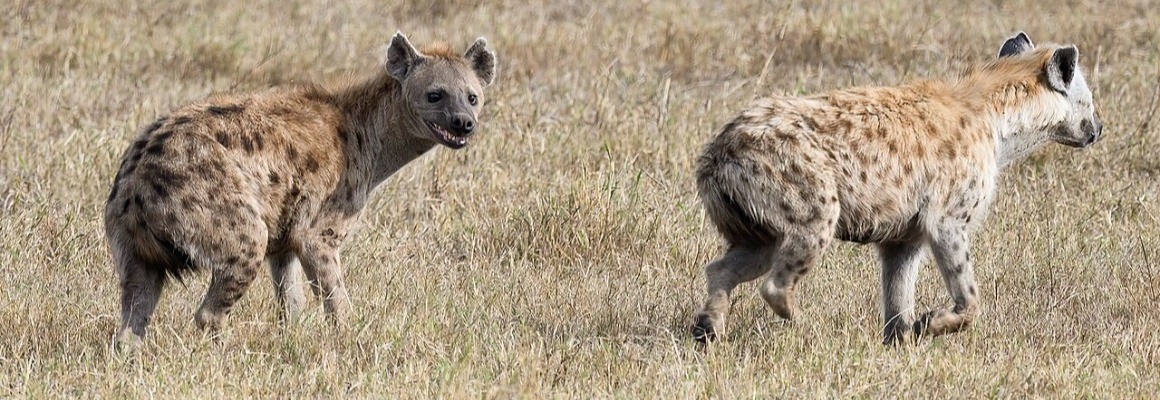
Predators include lions, leopards, cheetahs and spotted hyenas. Lions often rest in the shade during the hottest hours and are more active when temperatures fall. Leopards are elusive and may rest in trees or hide in dense vegetation. Cheetahs prefer open areas where they can pursue prey at high speed. Sightings can never be guaranteed, but dry-season concentrations of herbivores may create rewarding wildlife encounters.
Some rare and secretive species also occur in the wider ecosystem, but their presence in the region does not mean they are easy to see on a typical visit. Guides can help visitors notice tracks and animal behaviour while maintaining safe distances and avoiding disturbance.
Birdlife
More than 550 bird species have been recorded in Tarangire, making it one of East Africa’s outstanding birdwatching destinations. Species include ostriches, hornbills, kingfishers, bee-eaters, lovebirds, bustards, herons, storks and birds of prey. Depending on the season, visitors may see resident species as well as birds arriving from other regions.
The park’s varied habitats support this diversity. Some birds feed on open plains, others remain near wetlands and riverbanks, while many use trees and shrubs for nesting. Patient observers should look not only for large, colourful species but also for smaller birds concealed in the foliage.
Seasonal wildlife movements
During the rainy season, herbivores spread across the wider Tarangire and Maasai Steppe ecosystem, where fresh grass and temporary water sources are available. As the grazing areas dry out, many animals move towards the Tarangire River and other places where water lasts longer.
These movements should not be confused with the Great Migration of the Serengeti and Maasai Mara, which involves enormous herds of wildebeest and zebras moving across Tanzania and Kenya. Tarangire also experiences impressive seasonal concentrations of wildlife, especially during the dry months, but the scale, routes and timing are different. The exact timing depends on rainfall and pasture conditions.
Best time to visit
The dry season, usually from June to October, is often considered one of the best times for a Tarangire safari. Vegetation becomes less dense and animals gather more frequently near the river and swamps. July, August, September and October can be particularly rewarding for viewing large herds, although conditions vary from year to year.
Short rains usually arrive around November and December, while the longer rainy season generally lasts from March to May. During these months, the savanna turns green, temporary pools appear and birds can be especially active. Heavy rain may make some roads difficult to navigate, so itineraries should take the weather into account.
January and February can include relatively dry periods as well as showers, depending on the year. The park is open year-round, so the best season depends on a visitor’s interests: the dry months often make large animals easier to find, while the green season appeals to photographers and birdwatchers.
Safaris and activities
The main way to explore Tarangire is by vehicle with an experienced safari guide. Visitors can watch elephants, giraffes, antelopes and birds, learn to recognise tracks and stop at authorised places for photography. Early mornings are often good for observing active animals, while late-afternoon light brings out the colours of the baobabs and savanna.
Where permitted, guided walking safaris offer a closer look at plants, insects, tracks and other details that are easy to miss from a vehicle. Depending on the operator and current regulations, activities may include hot-air balloon flights, picnics and other organised experiences. Availability should be checked in advance.
The river, elephant herds among baobabs, sunset silhouettes and birds against the open sky are particularly attractive photographic subjects. Binoculars and a lens with a suitable focal length help visitors observe wildlife without approaching too closely.
Getting there and accommodation
Most visitors reach Tarangire from Arusha as part of a vehicle safari or a multi-day trip through northern Tanzania. The park is often combined with Lake Manyara, Ngorongoro and Serengeti. The drive from Arusha usually takes around two and a half to three hours, depending on conditions and the location of accommodation.
Before travelling, check entry requirements, current fees, gate opening hours and vehicle regulations. A four-wheel-drive vehicle can be particularly useful during the rainy season. Campsites, lodges and tented safari camps are available inside or near the park. Staying nearby makes it easier to start a game drive early in the morning.
Responsible tourism and conservation
Tarangire is a natural habitat for wild animals, not a zoo. Visitors should remain on authorised roads, obey speed limits, never feed animals and avoid trying to attract their attention. Leaving a vehicle is permitted only at designated locations or during an organised walk with an authorised guide. Never block an elephant’s route to water.
Protecting migration corridors, combating poaching and conserving habitats are essential for the long-term survival of wildlife populations. Visitors can help by choosing responsible operators, following park rules, taking all rubbish away and respecting local communities. Photography should never take priority over the safety of people or animals.
Why visit Tarangire National Park
Tarangire reveals a different side of safari travel in Tanzania. Its appeal lies not only in the number of animals but also in the scenery: ancient baobabs, a winding river valley, open savanna and seasonal wetlands. The park is especially rewarding for elephant enthusiasts, photographers, birdwatchers and travellers who want to spend time observing nature away from the busiest routes.
Tarangire is best experienced at an unhurried pace, stopping near the river to watch a herd and notice the smaller details of the landscape. Together with Serengeti, Ngorongoro and Lake Manyara, it forms one of East Africa’s most rewarding wildlife itineraries.
Gallery