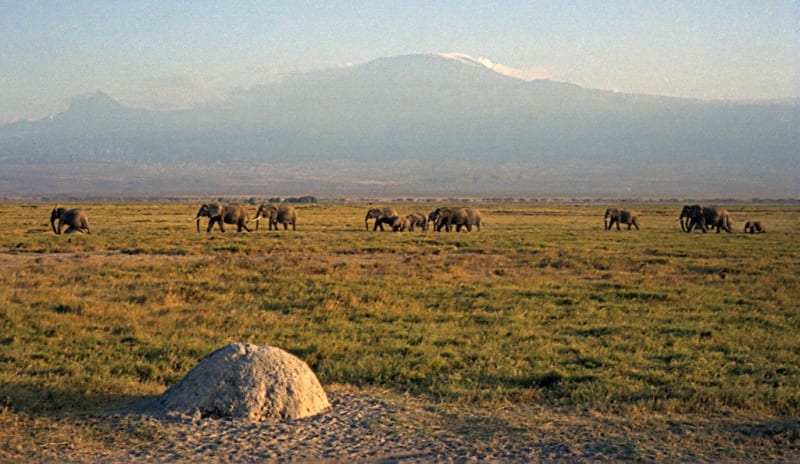
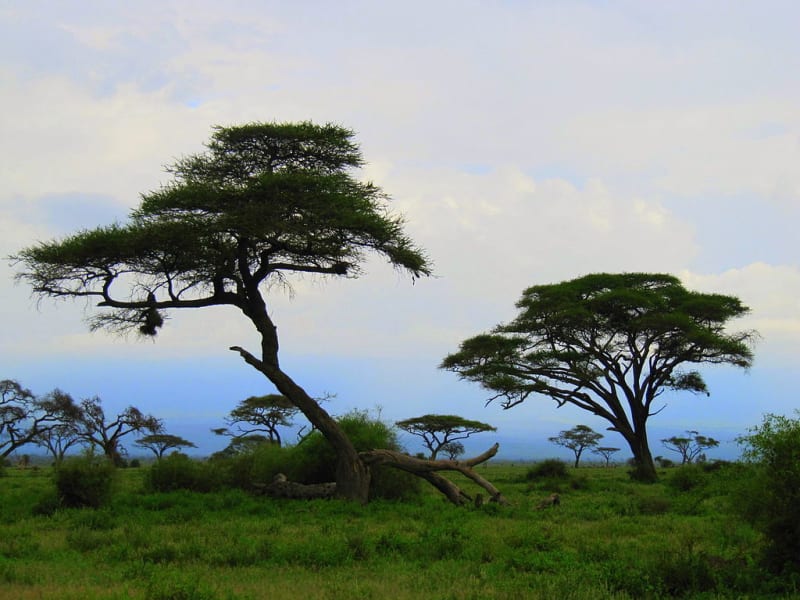
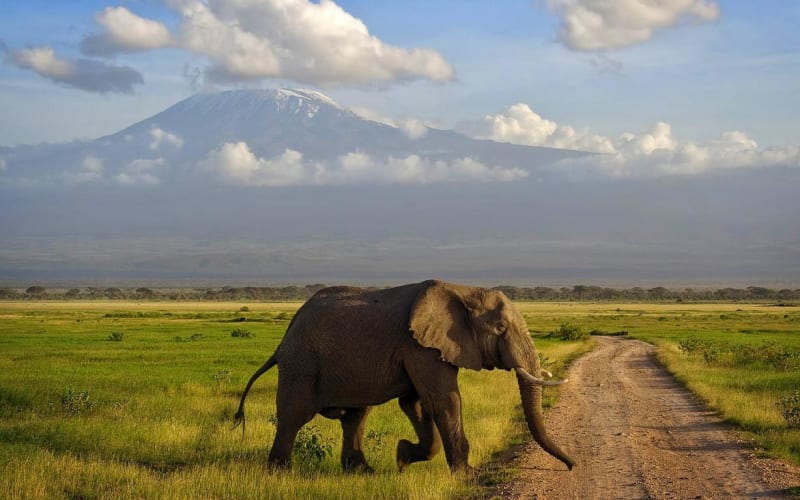
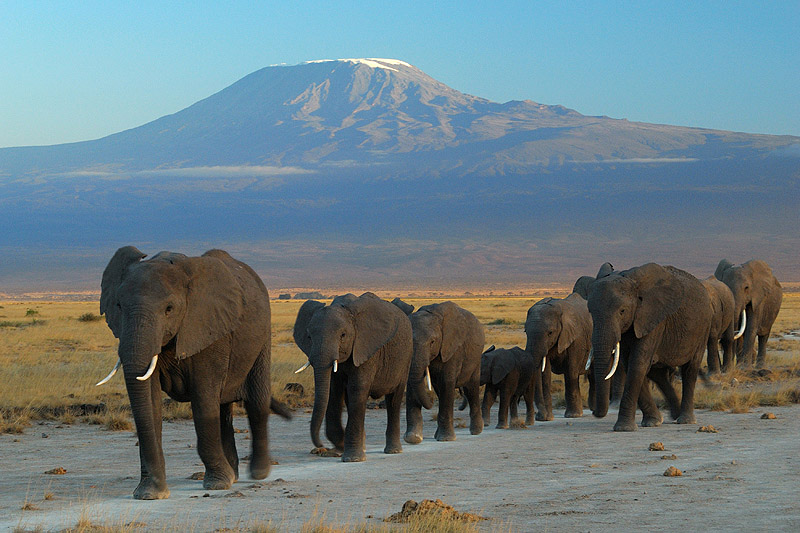
Amboseli National Park lies in southern Kenya, in Kajiado County, near the border with Tanzania. It is one of Africa's best-known places to observe wild elephants against the snow-capped summit of Mount Kilimanjaro. Covering about 392 km², the park combines open savanna, acacia woodland, thorn bush, swamps and a dry lake basin. Despite the arid climate, its wetlands sustain abundant wildlife and make Amboseli especially appealing for safaris and photography.
Mount Kilimanjaro – the Symbol of Amboseli
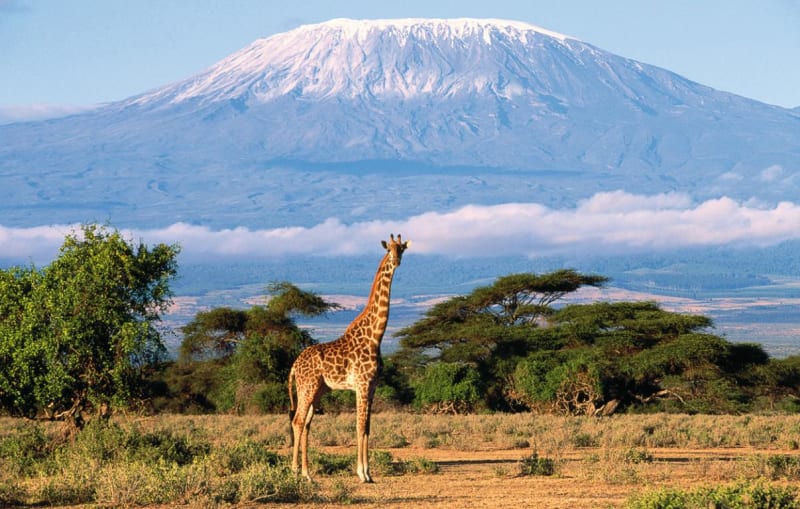
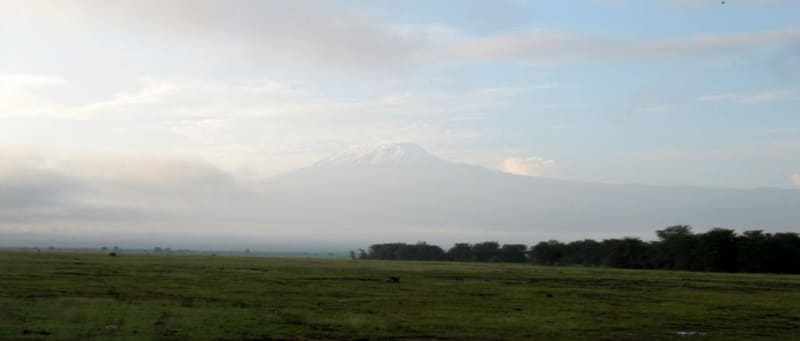
The defining feature of Amboseli's scenery is Mount Kilimanjaro, located across the border in Tanzania. Its towering summit rises above the plains and provides a striking backdrop for wildlife viewing on clear days. Particularly beautiful views often appear early in the morning, before clouds gather, and again toward evening. The combination of elephants, open savanna and the snow-capped peak has made the park one of East Africa's most recognizable natural destinations.
Elephants and Other Wildlife
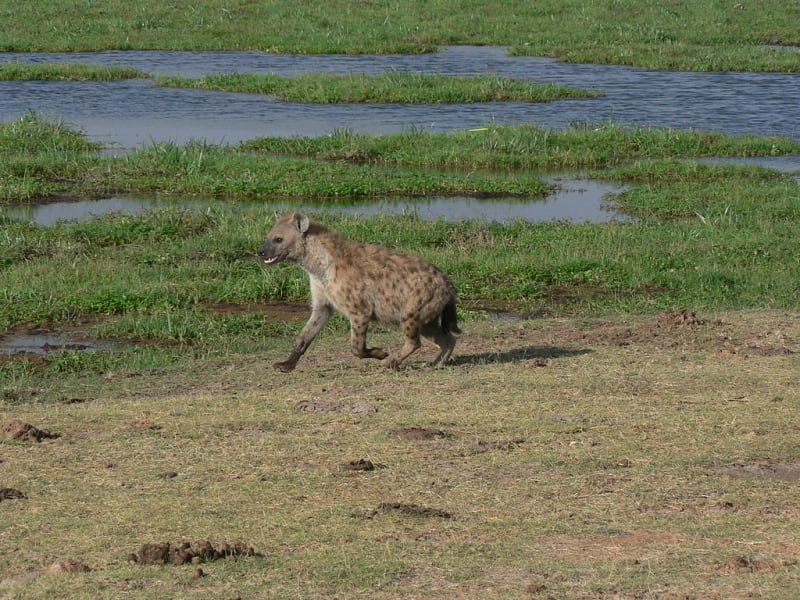
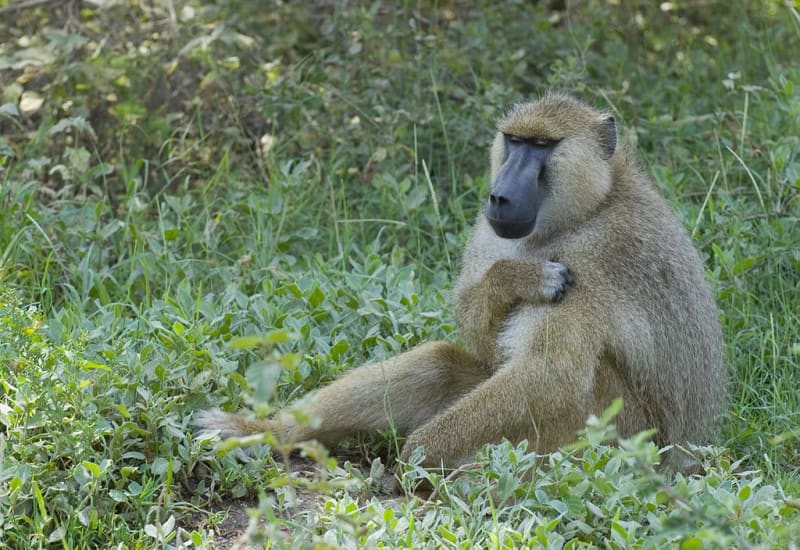
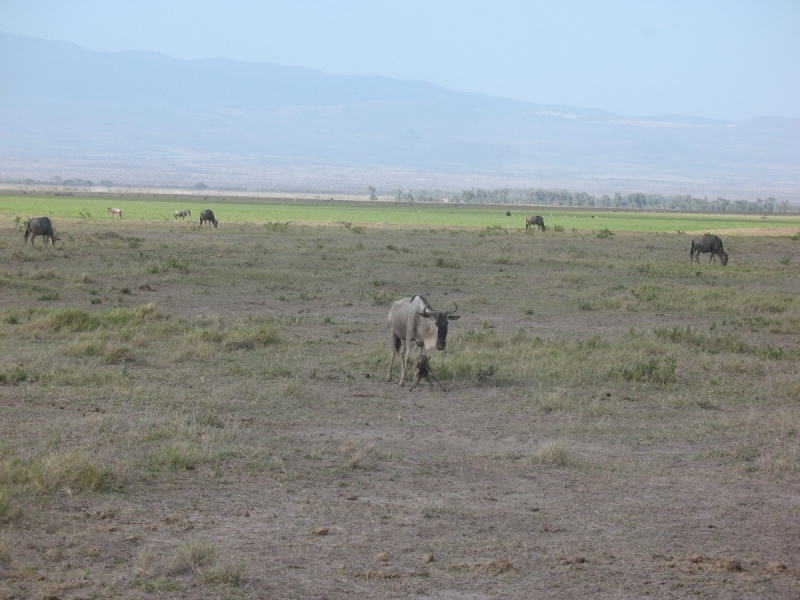
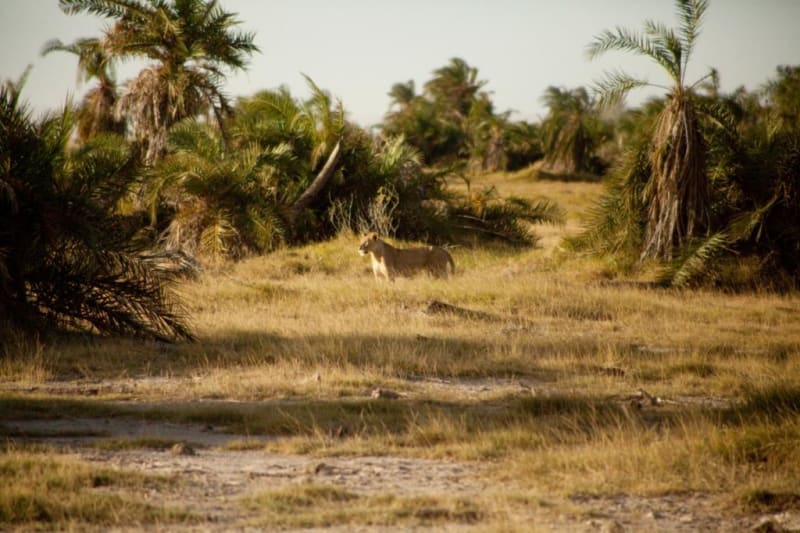
Amboseli is especially famous for its large herds of African elephants. The animals move between savanna, woodland and swamps in search of food and water. Some are known for their impressive tusks, and decades of observation of the local population have contributed greatly to the study of elephant behavior. Other residents include lions, leopards, cheetahs, African buffaloes, Maasai giraffes, zebras, wildebeest, gazelles and hyenas. The chance of seeing particular species depends on the season, location and luck during a safari.
Swamps and Water Sources
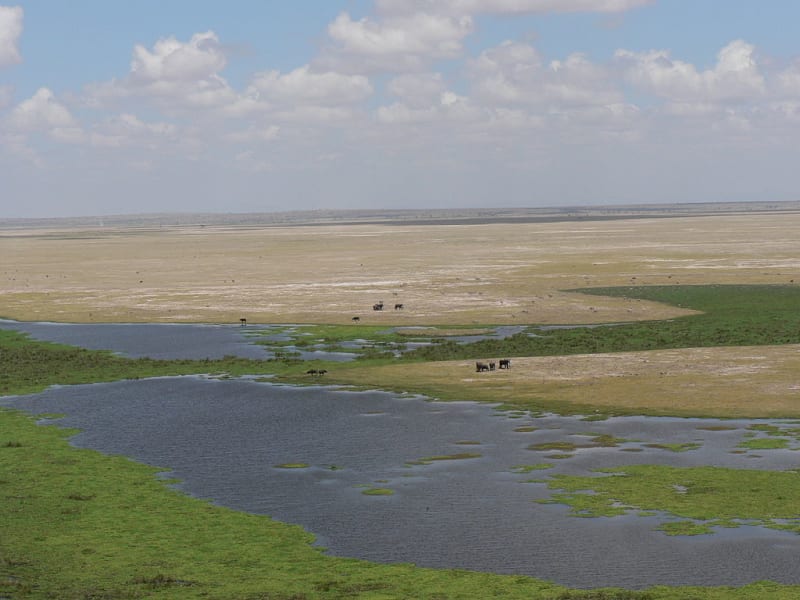
At first glance, Amboseli may appear dry and dusty, but underground water associated with the Kilimanjaro massif feeds several permanent springs and swamps. Enkong Narok Swamp is one of the important wetland areas. These habitats provide animals with water and fresh vegetation even during dry periods. Elephants, buffaloes, hippos and many birds can be seen here. The swamps are vital to the ecosystem and help explain why so many animals live in this relatively arid region.
Lake Amboseli and Seasonal Landscapes
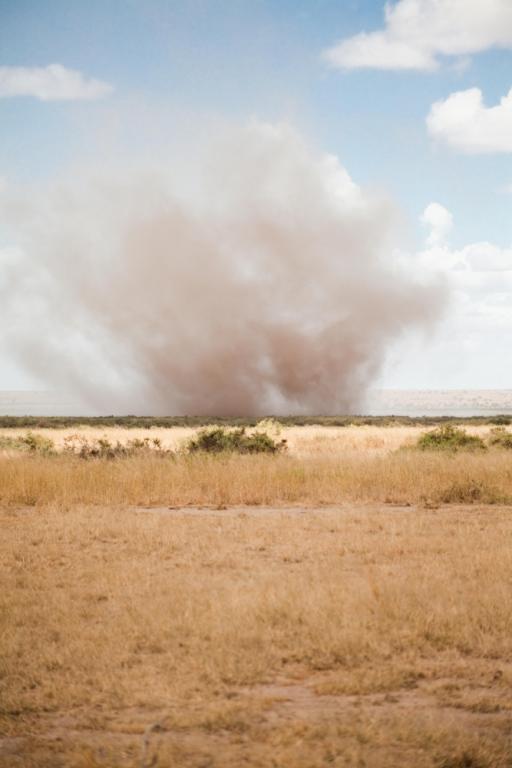
The park contains the basin of temporary Lake Amboseli. During periods of heavy rain, it can fill with water and attract flamingos and other waterbirds. In the dry season, the lake often becomes a vast exposed basin with salt-encrusted areas, dust and mirages. The contrast between dry plains and green swamps is one of Amboseli's defining characteristics. Water levels and the appearance of the lake basin change noticeably throughout the year.
Birdlife in the National Park
Amboseli is an important area for bird conservation. More than 400 species have been recorded in the ecosystem, including waterbirds, herons, pelicans, kingfishers, hornbills and birds of prey. Wetlands provide opportunities to observe aquatic species, while the open plains support birds adapted to dry conditions. The variety of habitats makes the park an interesting destination for ornithologists and wildlife photographers. The best observation areas depend on the season and the condition of the water bodies.
Observation Hill
One of the park's popular viewpoints is Observation Hill, also known as Nomatior. From the elevated position, visitors can enjoy panoramic views of the plains, swamps and surrounding landscapes. It is a convenient place to appreciate the close connection between water sources and wildlife movements. The hill also has cultural significance and is associated with the history of local communities. Visiting the viewpoint offers opportunities for photography and a broad perspective on Amboseli's landscape.
Maasai Culture
The park lies in a region traditionally inhabited by the Maasai, a pastoralist people whose culture is closely connected with open grazing lands and livestock. Areas outside the protected park remain important for seasonal movement by people and animals. Visitors may be offered trips to settlements and cultural centers, where they can learn about traditional lifestyles, crafts and local customs. Such visits are best arranged through local communities, with programs that respect their traditions and provide fair compensation for participation.
Safaris and Activities
The main activity in Amboseli is a vehicle safari to observe elephants and other wild animals. Photographers especially value the open plains and views of Kilimanjaro. Birdwatching, visits to Observation Hill, picnics in designated areas and cultural experiences with the Maasai are also popular. Some tour programs offer hot-air balloon flights or accommodation at lodges overlooking natural habitats. Availability should be confirmed in advance because it depends on operators, the season and current regulations.
How to Reach the National Park
Amboseli lies approximately 200–240 kilometres from Nairobi, depending on the chosen route and entrance. Road journeys commonly pass through Emali or Namanga, and the main gates include Iremito, Kimana and Meshanani. Travel time depends on road conditions and weather. Visitors who prefer to fly can use the Kimana airstrip, which serves small aircraft. Before travelling, check which entrance is most convenient for the chosen lodge and planned safari routes.
Best Time to Visit
Amboseli can be visited throughout the year, although conditions change noticeably with rainfall. During drier months, animals often gather around permanent water sources and swamps, making them easier to observe. In the rainy season, the plains become green and the temporary lake may fill with water. However, some roads can become more difficult to navigate. To see Kilimanjaro, plan viewing opportunities for early morning or evening, when skies are often clearer. Even then, visibility of the summit cannot be guaranteed.
Conservation and Visitor Guidelines
Amboseli was officially designated a national park in 1974 and forms part of a UNESCO biosphere reserve. Conservation depends on protecting wetlands, water sources and wildlife corridors, as well as cooperation with local communities. During safaris, visitors should remain in vehicles except in designated areas, never feed animals and take all rubbish away. Stay on established roads, observe speed limits and maintain a safe distance from wildlife. Responsible tourism helps protect Amboseli's famous elephants and the fragile ecosystem of this distinctive part of Kenya.
Gallery