Delft Island is an unusual island off the northern coast of Sri Lanka, in the Palk Strait between Sri Lanka and India. Its Tamil name is Neduntheevu. The island is known for dry, flat landscapes, coral limestone, colonial ruins and horses roaming across open pastureland. It appeals to travellers interested in history, nature and everyday life in a remote island community.
Nature and landscape
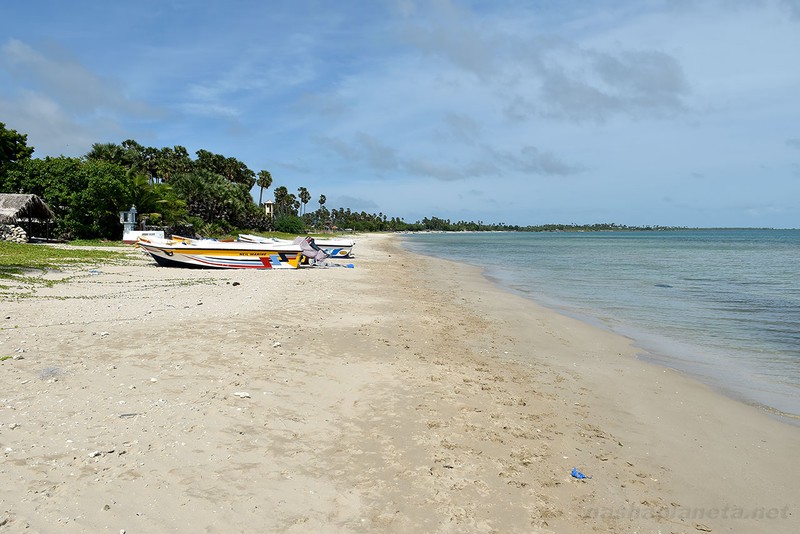
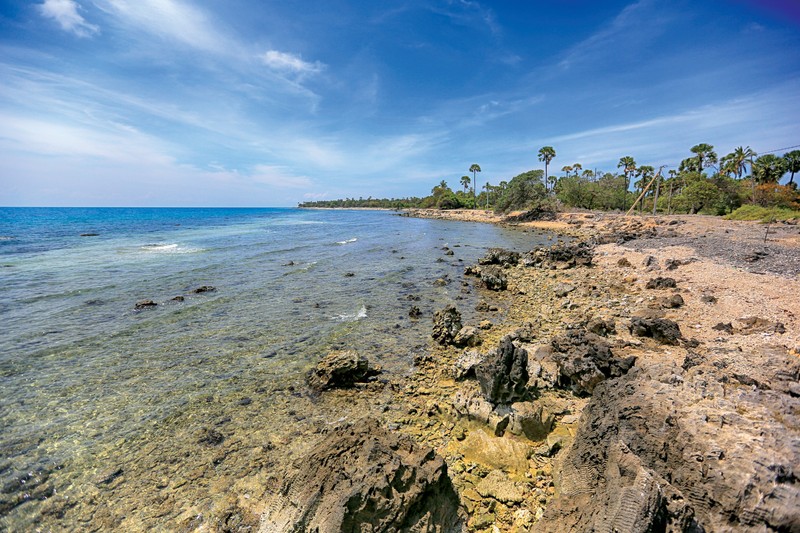
Delft is mostly flat and has a dry tropical climate. Coral limestone is common and has traditionally been used to build houses, walls and enclosures. The island features shallow coastal waters, dry grassland, palms and low shrubs. Limited freshwater supplies and dry periods affect both local residents and animals.
Free-roaming horses
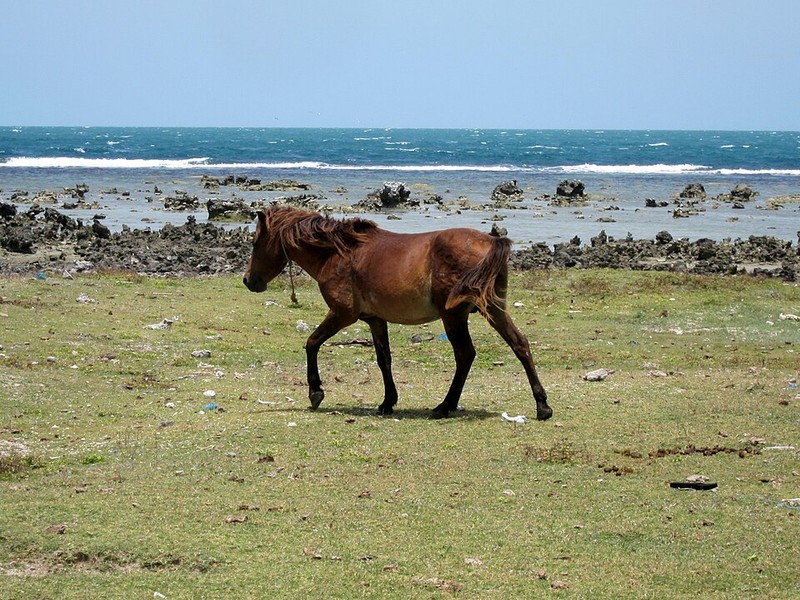
One of Delft's best-known features is its population of horses that roam across pastures and quieter parts of the island. Their ancestors were brought by Europeans during the colonial era for horse breeding and keeping. When those activities changed, some animals remained on the island and adapted to life in open terrain.
The horses have become a symbol of Delft. They may be seen grazing among dry grass, near shrubs and beside island roads. Observe them from a respectful distance and do not chase or feed them.
The ancient baobab tree
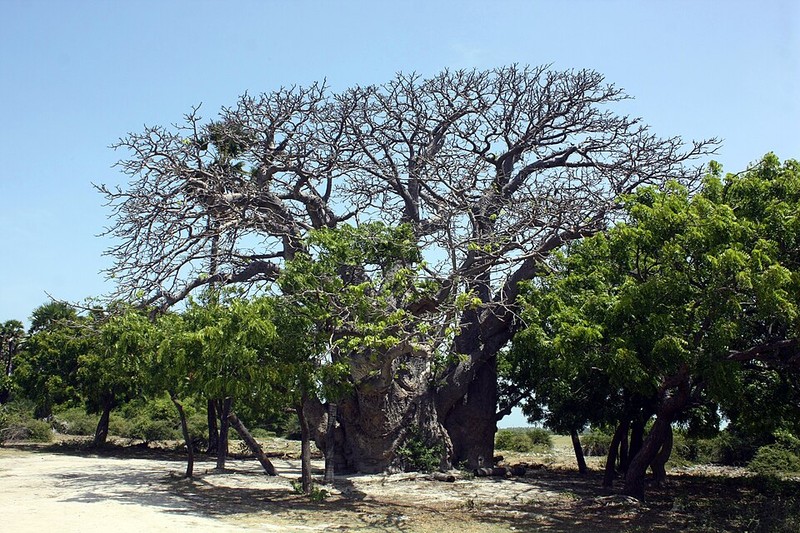
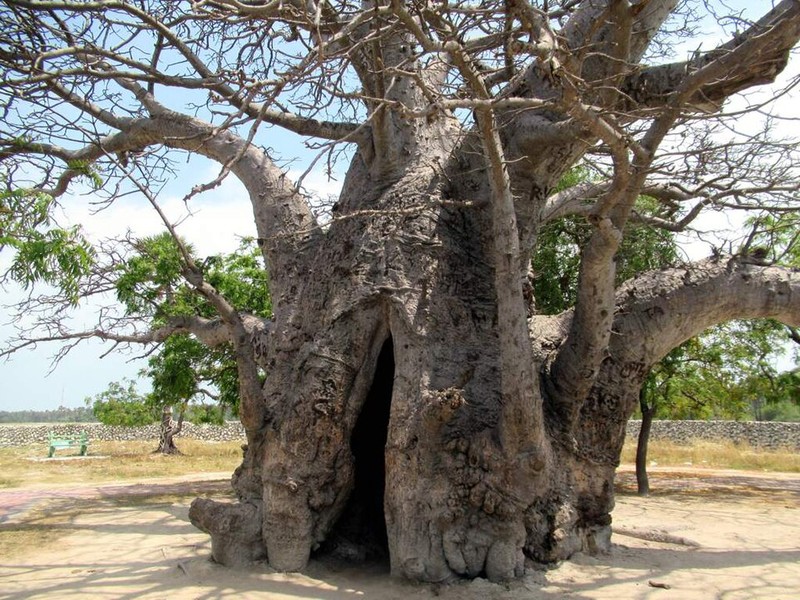
The baobab is one of the island's most recognisable natural landmarks. This tree, with its massive trunk, is native to tropical Africa and nearby regions. Baobabs store water in their trunks, helping them survive dry conditions. Their presence in Sri Lanka is generally associated with historic maritime trade across the Indian Ocean. The precise age of an individual tree should be treated cautiously unless supported by reliable research.
Ruins of the colonial fort
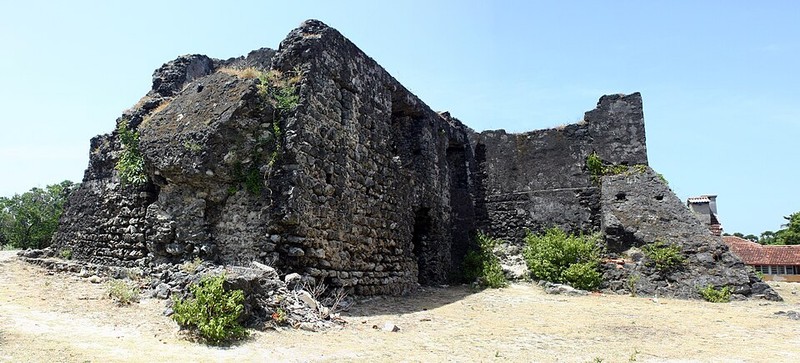
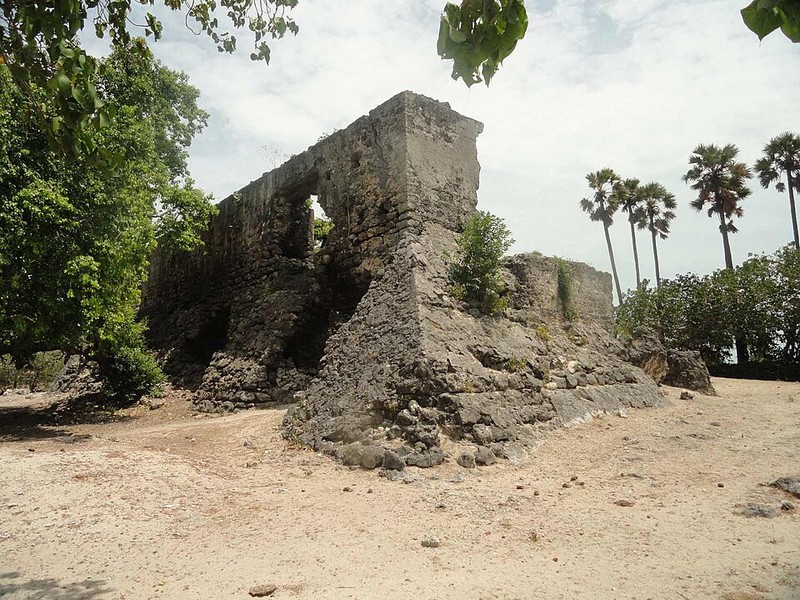
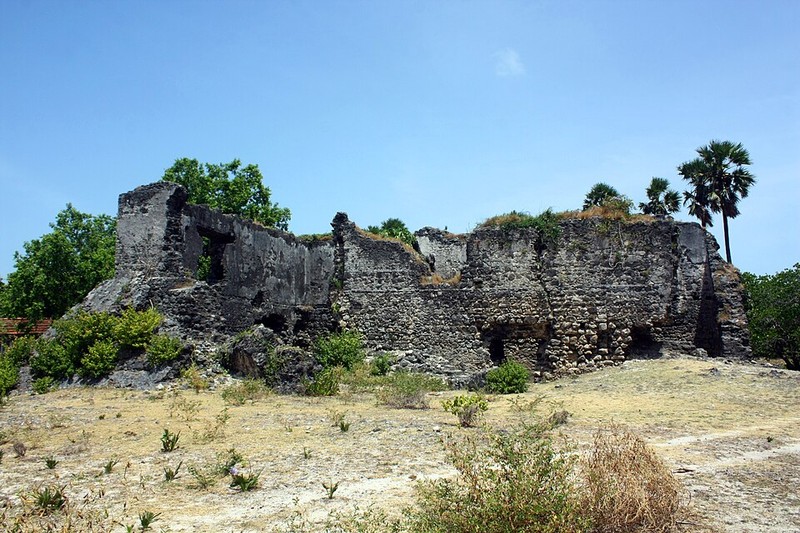
Delft's history is closely linked to maritime trade and European colonial rule. The island contains the remains of a fort traditionally associated with the Portuguese and later the Dutch. Local coral stone was used in its construction. Fragments of walls and foundations recall the island's strategic position near important sea routes.
Queen's Tower
Queen's Tower is a historic structure associated with maritime navigation and the island's colonial heritage. Navigation towers and similar landmarks helped sailors orient themselves along a coast marked by islands and shallow waters. Today, the tower adds another historical stop to a tour of Delft.
The old pigeon house
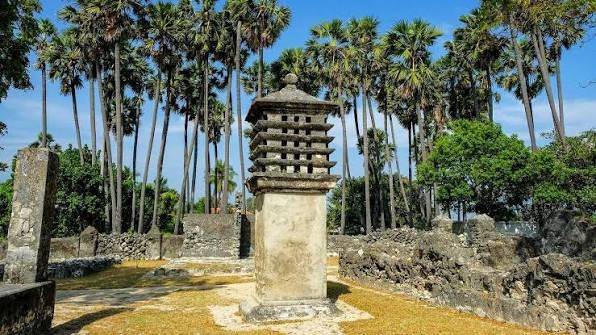
One unusual historic structure on Delft is a pigeon house built from coral stone. During the colonial period, carrier pigeons were used to send messages between the island and other settlements, including the Jaffna Peninsula. The birds were kept in special niches, and messages were attached to their legs.
The surviving structure recalls a time when communication between remote settlements depended on boats and simple message-delivery systems. It also illustrates how local building materials were adapted for practical purposes.
Coral-stone walls and traditional houses
Coral-stone walls are a distinctive feature of Delft's landscape. They surround houses, plots and yards, creating a characteristic pattern along roads and footpaths. Combined with palms, dry grass and pale limestone, they give the island a recognisable appearance. Visitors should not dismantle walls, remove stones or damage natural coral formations.
Ancient religious remains
Archaeological remains from earlier periods can also be found on Delft, including ruins associated with Buddhist structures. They indicate that the island was connected to cultural and maritime networks long before European colonial powers arrived. Some remains are fragile, so they should be viewed carefully and with respect for local traditions.
Local life
Delft is still inhabited, and everyday life is connected to fishing, animal husbandry and limited natural resources. Settlements are small and the pace of life is slower than in Sri Lanka's larger cities. Freshwater is particularly valuable, and dry periods can make conditions difficult for both residents and animals.
Best time to visit
Plan the trip around the weather and ferry schedule. July and August are often considered relatively pleasant months to visit. January and February can be cooler but may bring rain. Sea crossings can be rougher during the north-east monsoon. Always check the current ferry timetable before setting out.
How to get there
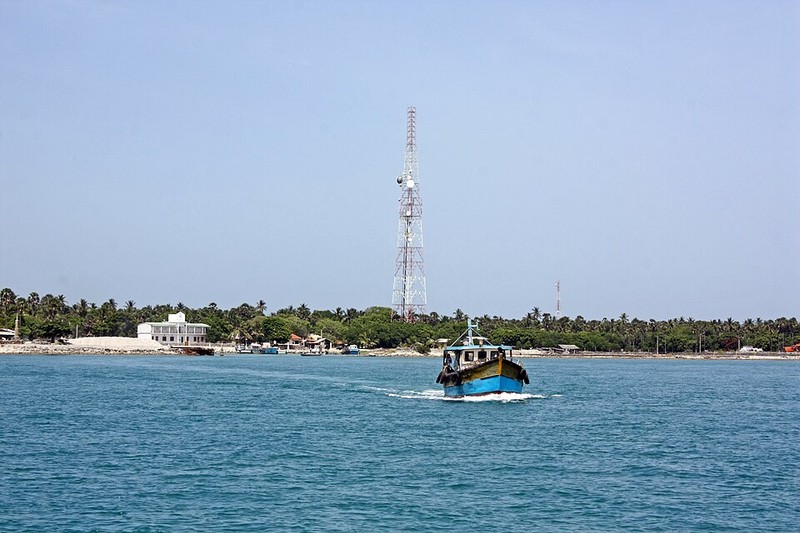
The journey usually begins in Jaffna. From there, travel by road to Kurikattuwan jetty on Pungudutivu Island, then take the ferry to Delft. The crossing takes about an hour, although timings and schedules can change. Public transport on Delft is limited, so visitors often arrange local transport to reach more distant landmarks.
Things to see on the island
Highlights include the free-roaming horses, ancient baobab tree, colonial fort ruins, Queen's Tower, old pigeon house and coral-stone walls. Local settlements and archaeological remains are also worth seeing. Since transport options are limited, allow most of a day for the excursion and coordinate the route with a local driver or guide.
Travel tips
Bring drinking water, a hat, sunscreen and comfortable shoes. Shade and shopping options are limited on the island. Respect local residents and religious sites, do not leave litter and avoid damaging historic structures. Confirm the ferry timetable in advance and leave enough time for the return journey.
Why visit Delft Island
Delft offers a different view of Sri Lanka: dry island scenery, coral-stone architecture, colonial ruins and horses roaming freely. Its maritime history, archaeological remains and unhurried local life make it a rewarding destination for travellers who want to explore less familiar parts of the country.
Gallery