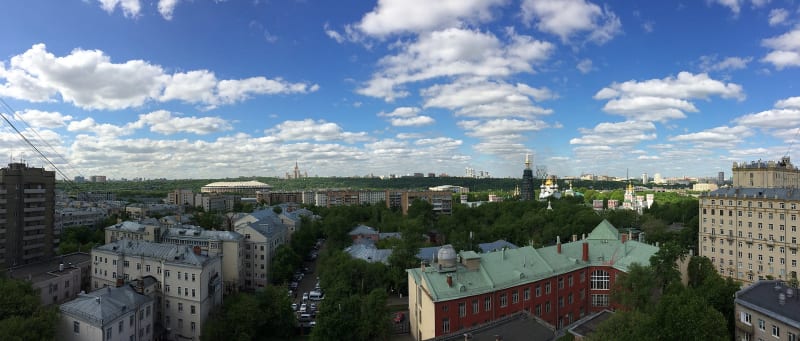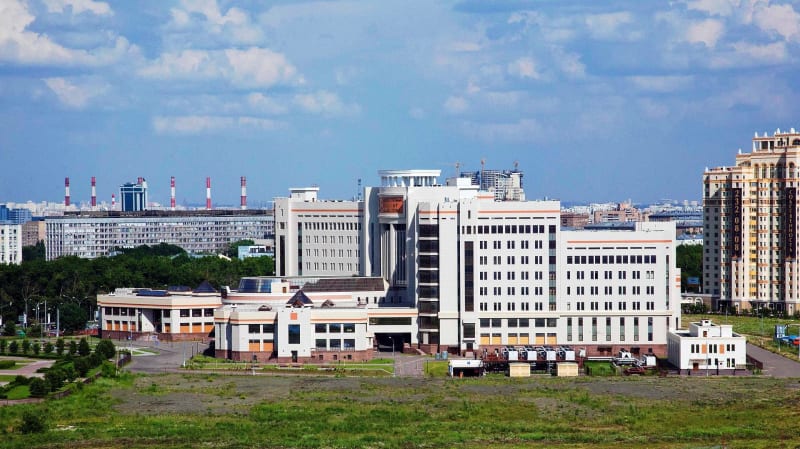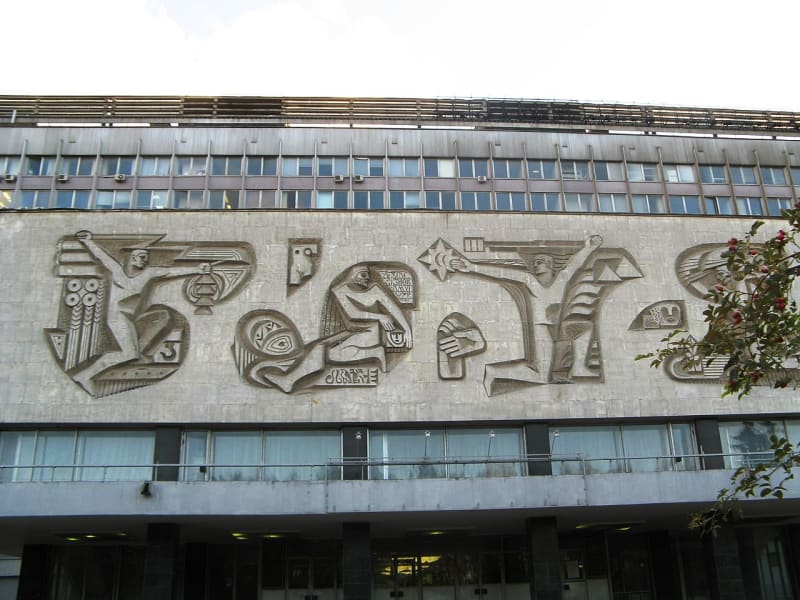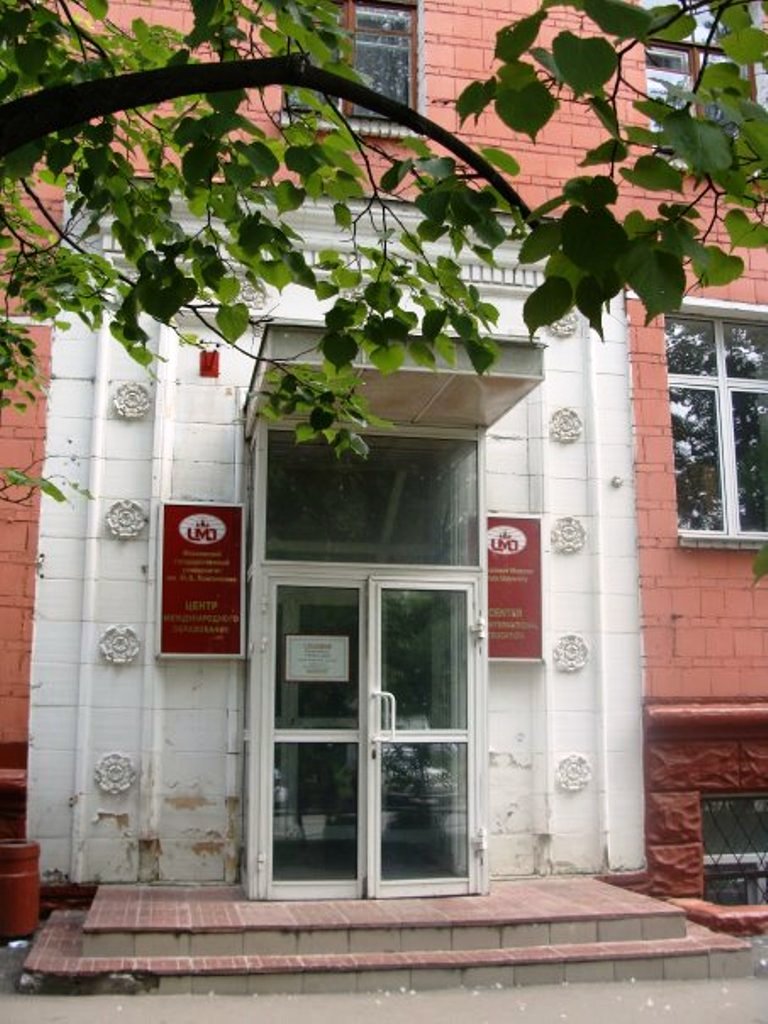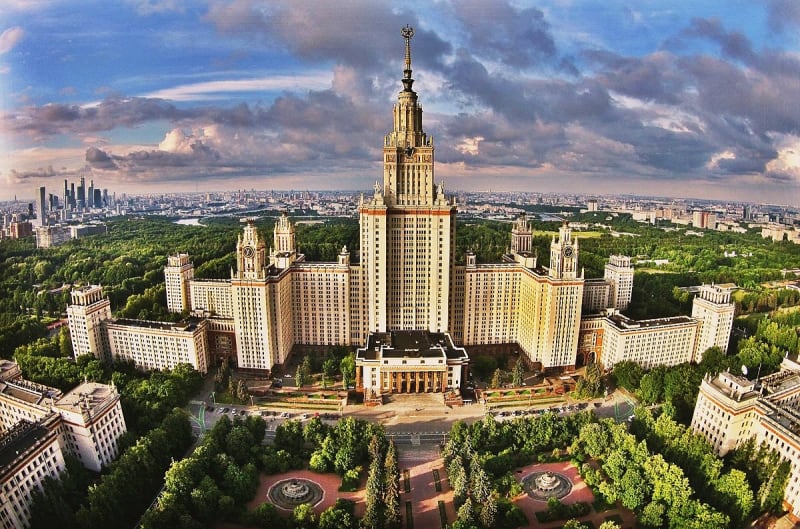

MSU stands for Moscow State University, for 162 years it was considered imperial, today the university is considered one of the oldest and largest universities in the country. Foreigners from different regions of Russia and foreigners come here to study. In society, the MSU diploma is considered prestigious, and graduates can easily find work in their specialty.
History of creation
Ivan Shuvalov and Mikhail Lomonosov were the first to propose the construction of the university. In 1755, the red ribbon of the doors was cut at Moscow State University. Tatiana's Day is celebrated on January 25 every year. This holiday has two important events, the first is Student's Day, and the second is university foundation Day. A.M. Argamakov became the first director of the university. The University was directly subordinate to the Government of Moscow. Shuvalov, who is also the curator, is considered the most important person at the university. Everything related to the appointment of teachers passed directly through him, and he made the final decision. The first mention of the faculties dates back to the 18th century, namely there were three faculties: law, philosophy and medicine. About 100 people were invited to the opening of the university, who acquired the status of a student.
Historical facts
At the beginning of the 20th century, MSU faced its first problems concerning students. Due to the fact that students did not like some of the rules from the charter, the university often had to be closed for revision. In 1911, there was a conflict between the minister and the managers of Moscow State University, which subsequently led to the resignation of more than 100 teachers, some of them professors. And in 1918, a major change took place, a new Faculty of social Sciences took the place of the law school.
Due to the shortage of professors and teachers, the administration signed a decree on the division of the educational institution into several universities. After the war, the Administration established a new institute of nuclear physics. In the period from 1952 to 1966, new educational institutions were established: journalism, the Institute of Foreign Languages, Mechanics, and the Faculty of Psychology. The leadership of Moscow University included 22 professors. The chain of changes continues right up to the present day.
The University today
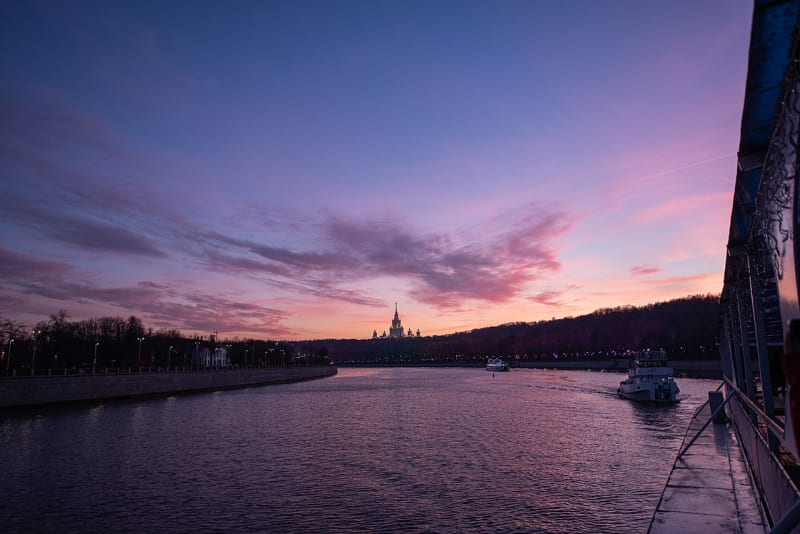
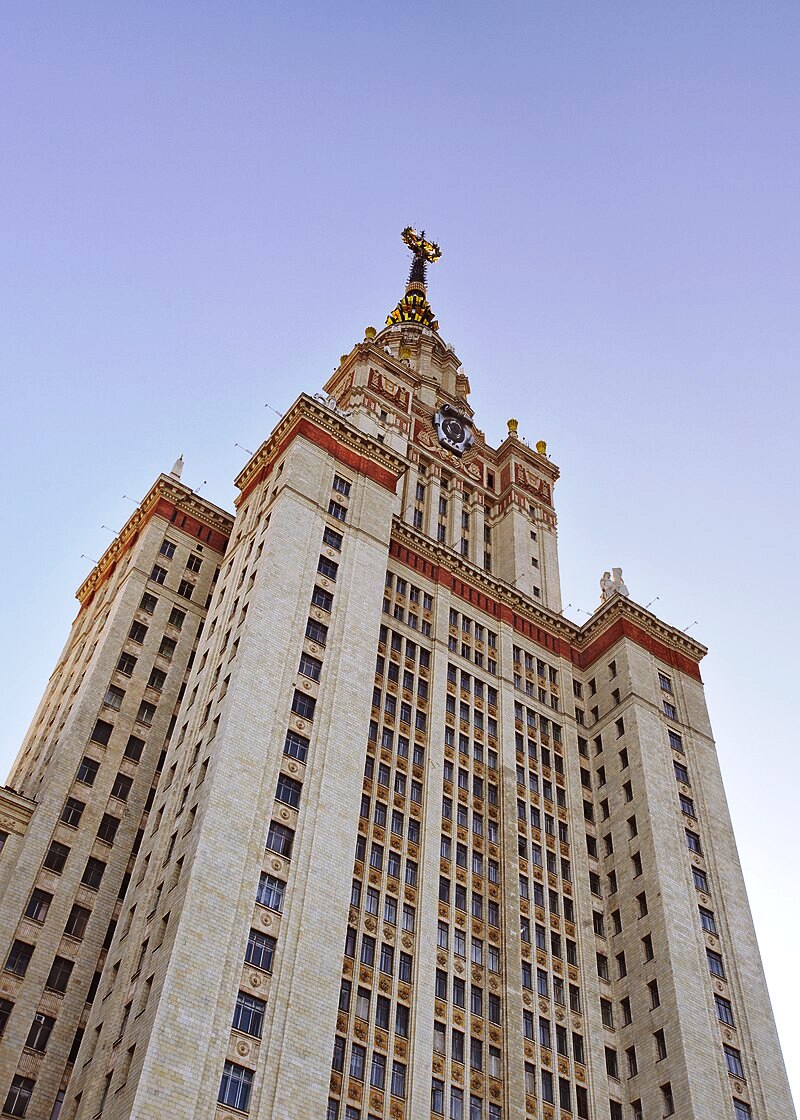
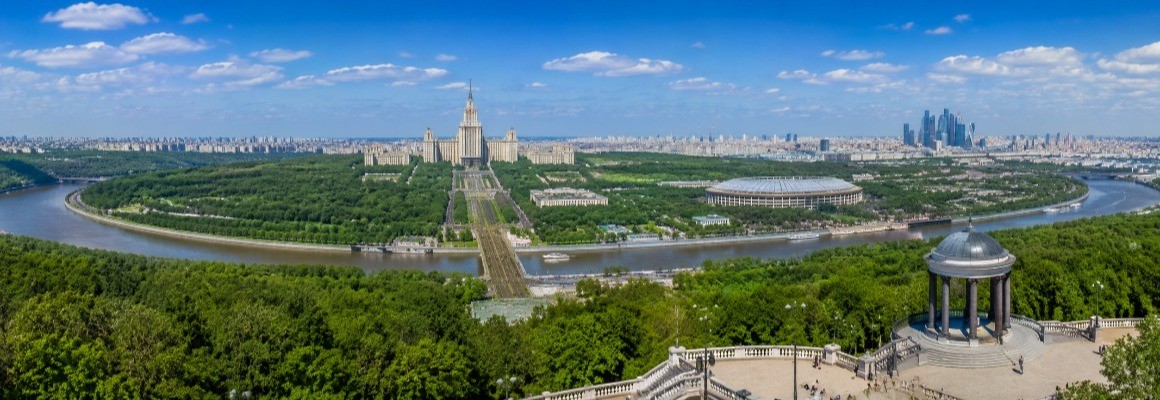
Today, MSU occupies a very large area, it houses more than six hundred schools, universities and faculties. The most important building is located on the famous Vorobyovy Gory. Major changes include the date, November 11, 2009, when the President of Russia issued a decree that Moscow State University can issue diplomas to students with the seal of the Russian Federation. Over the next decade, it is planned to open 7 more schools, the program of which will be based on such sciences as space, preservation of the world cultural and historical heritage, mathematical methods of analyzing complex systems, the future of the planet, and others.
Gallery