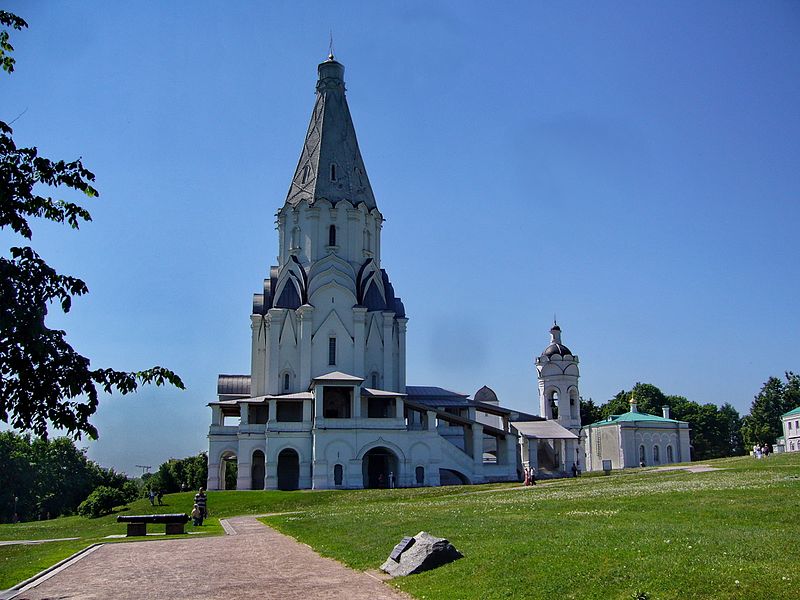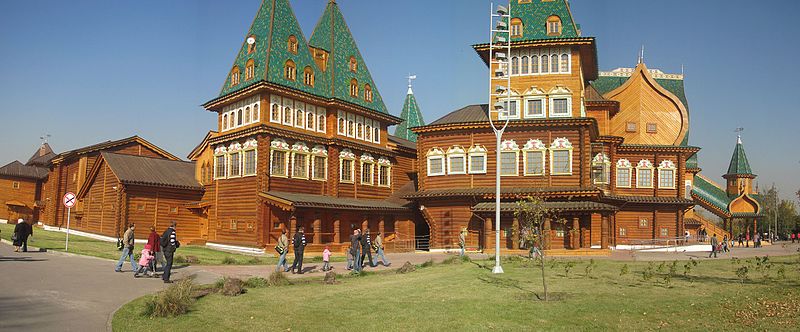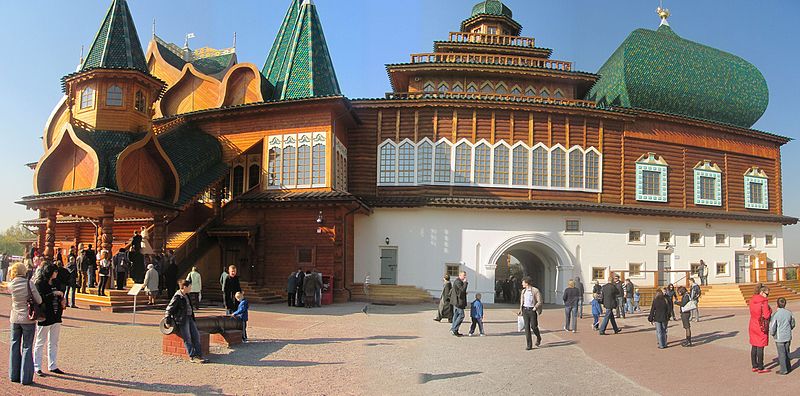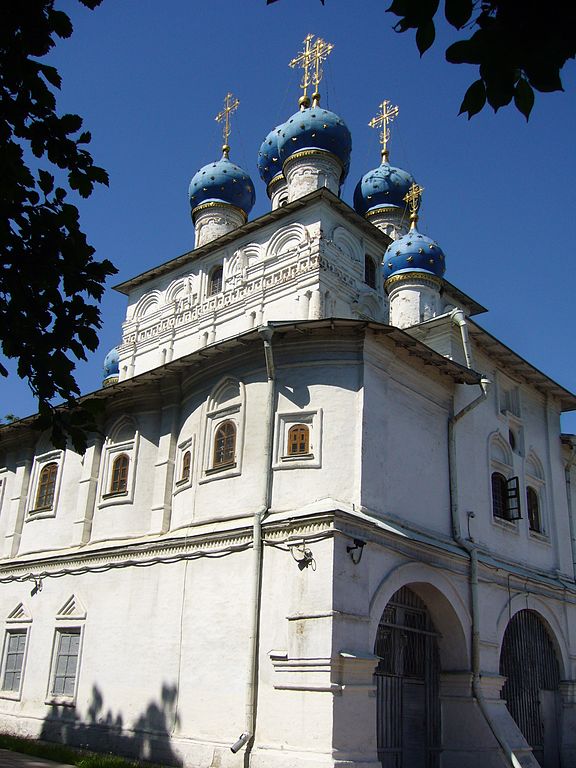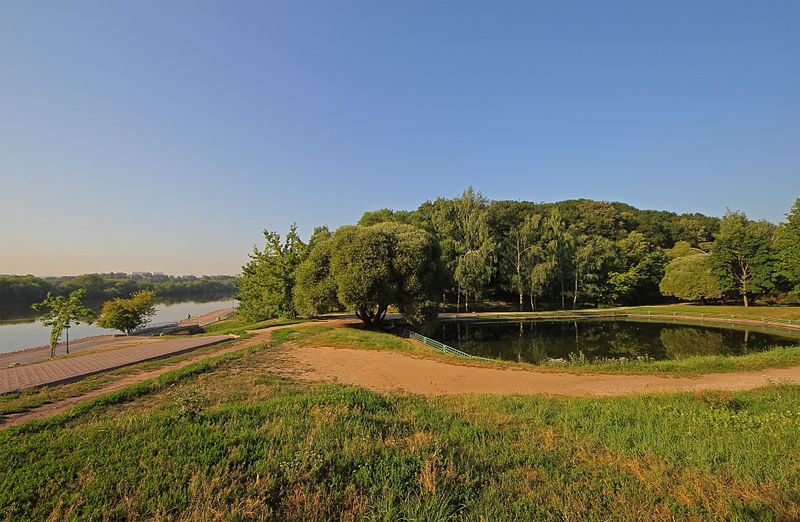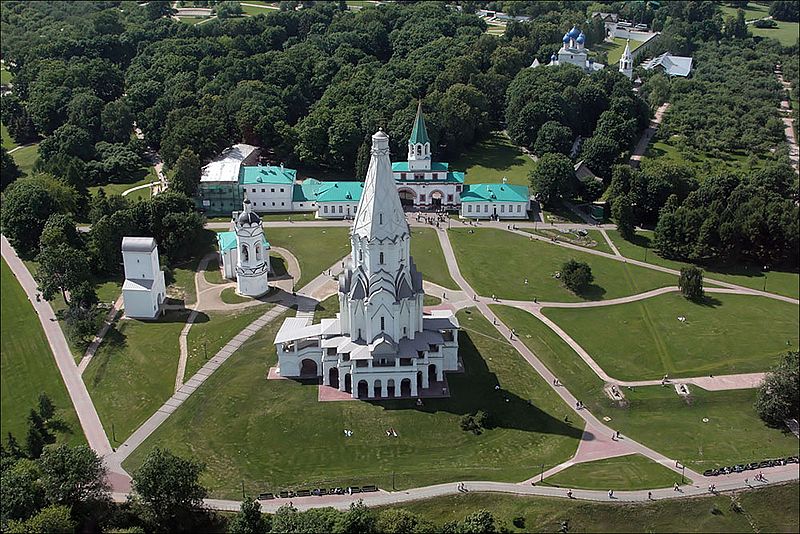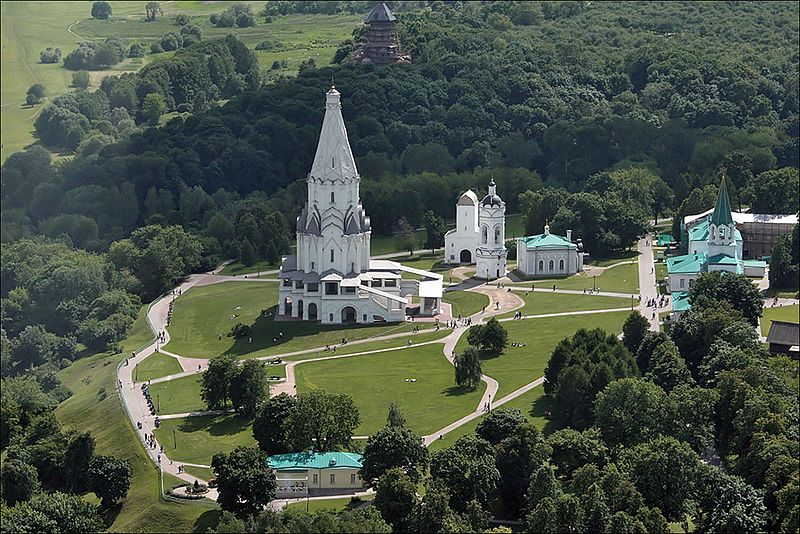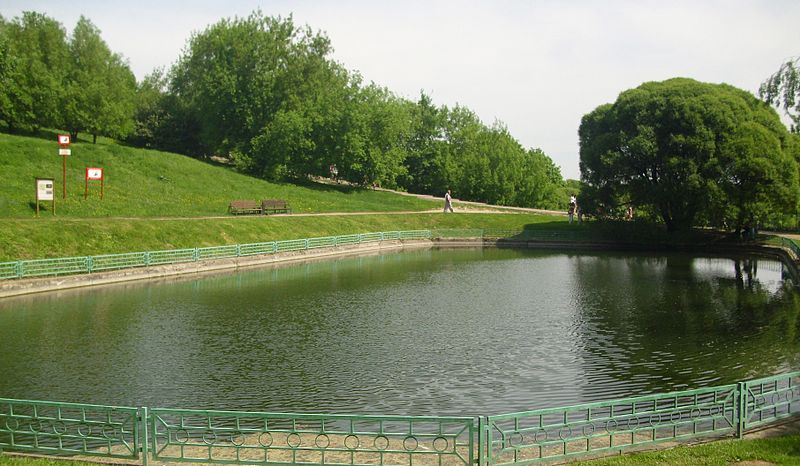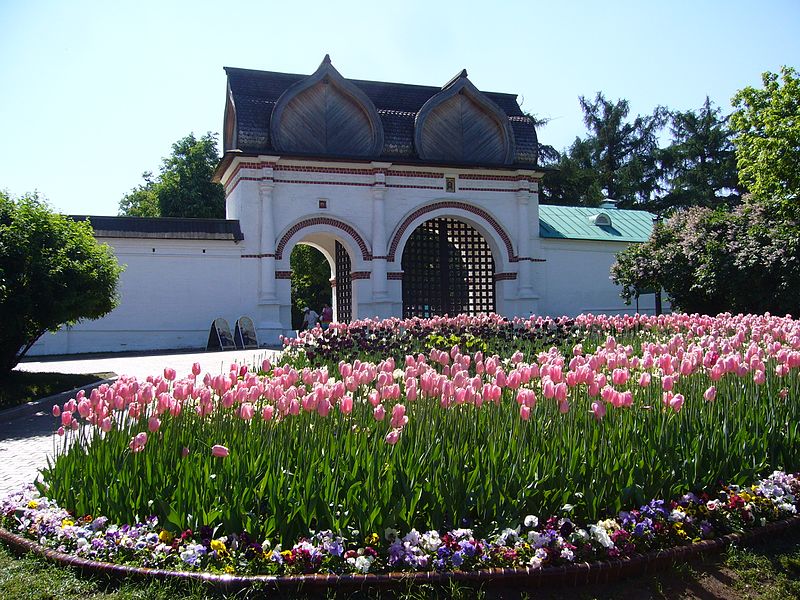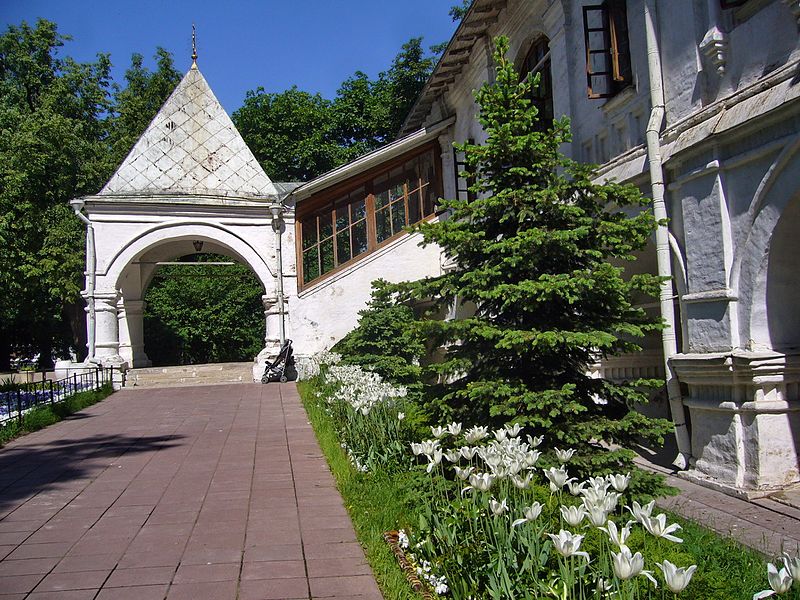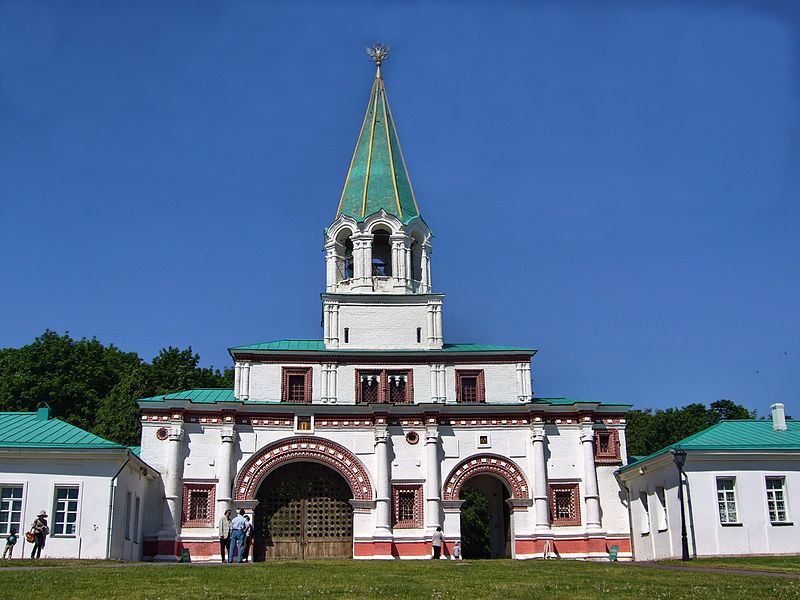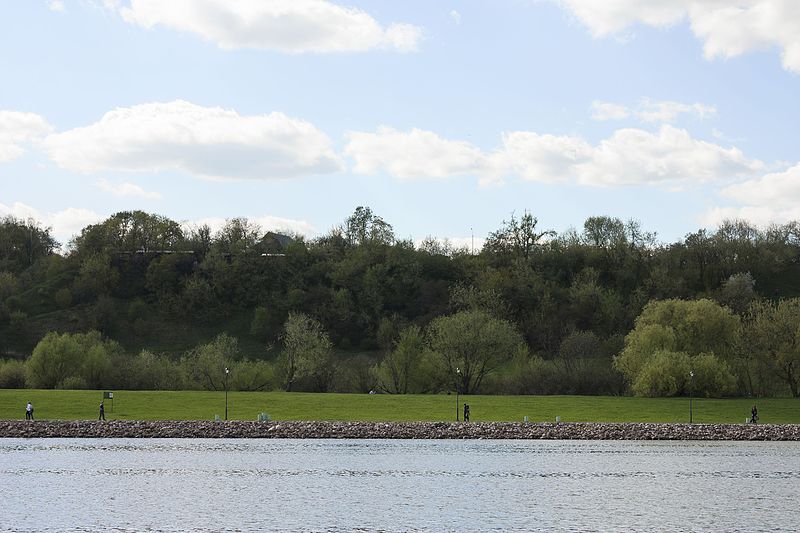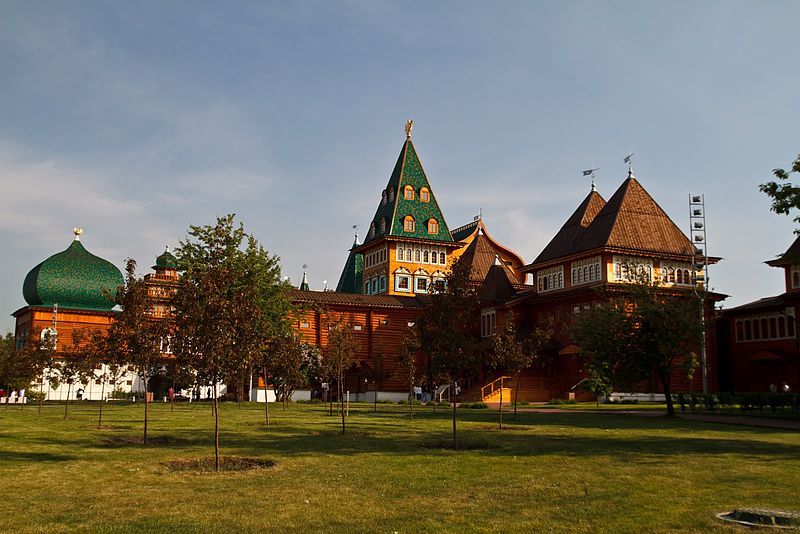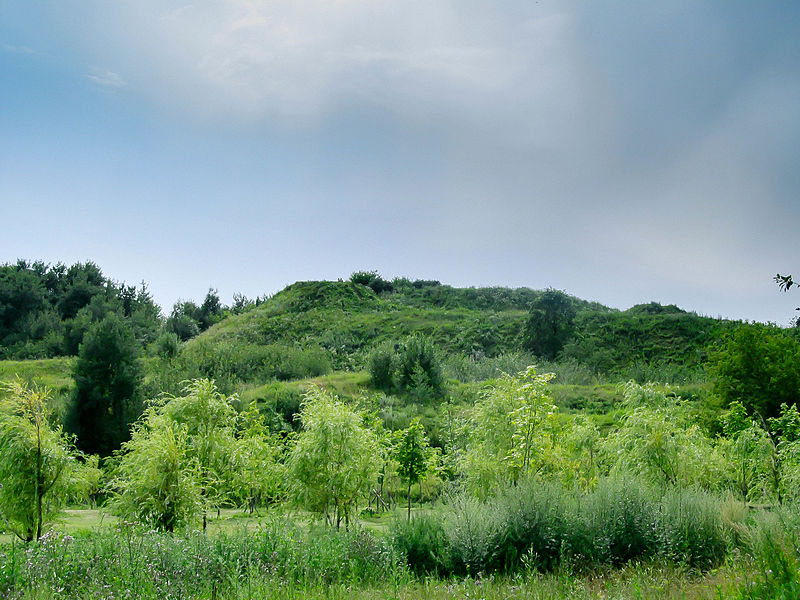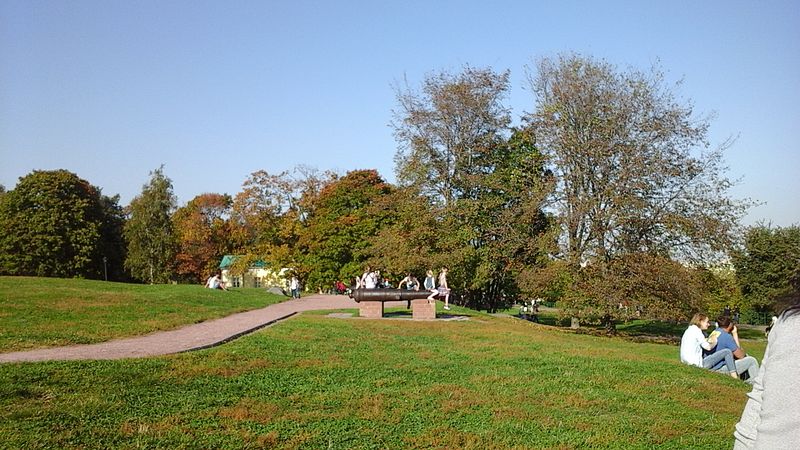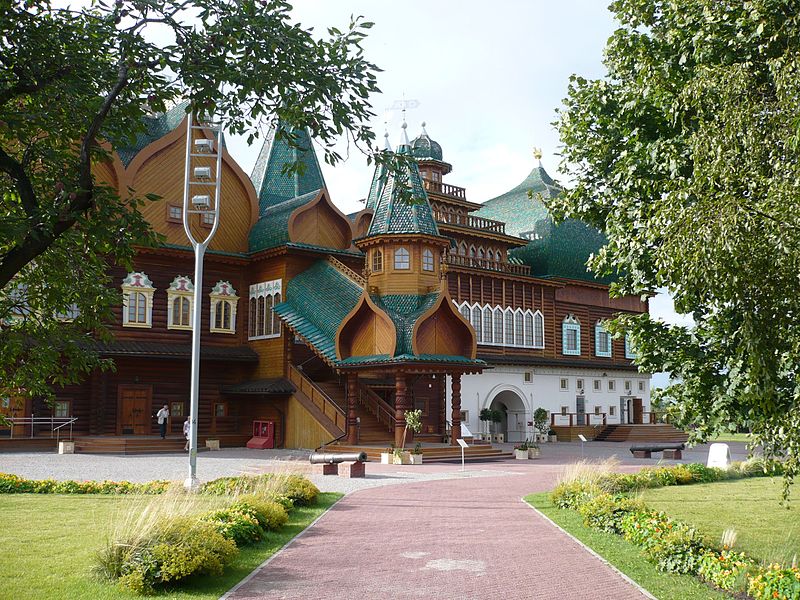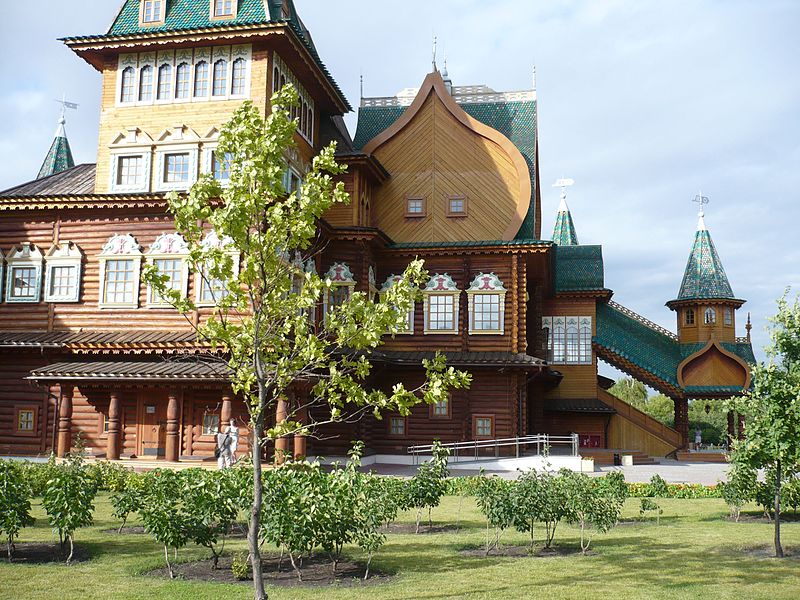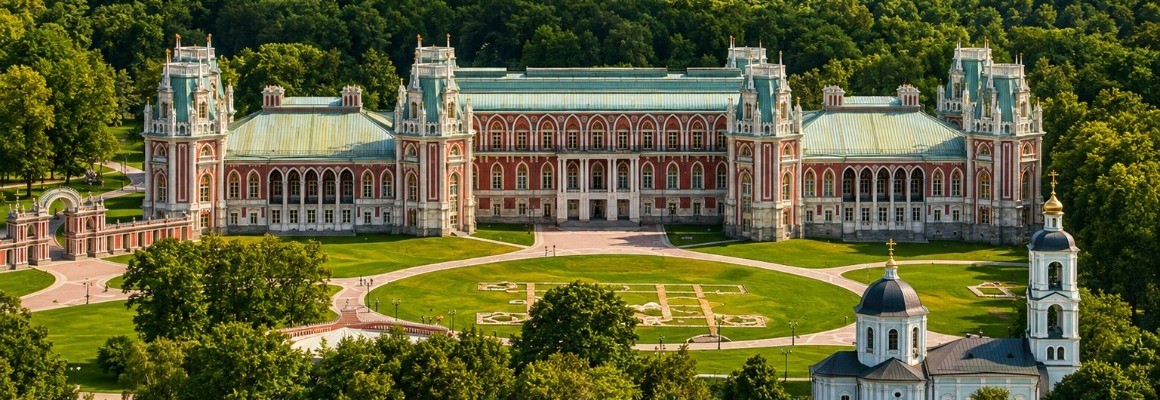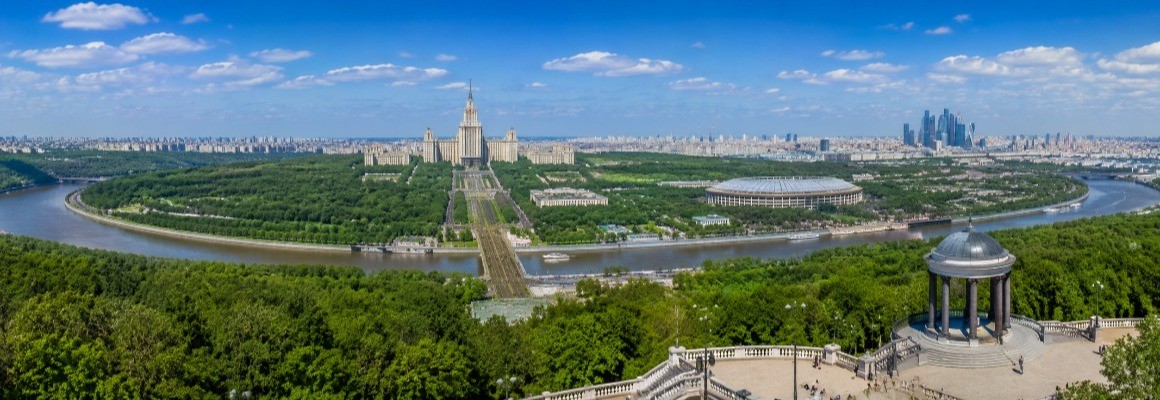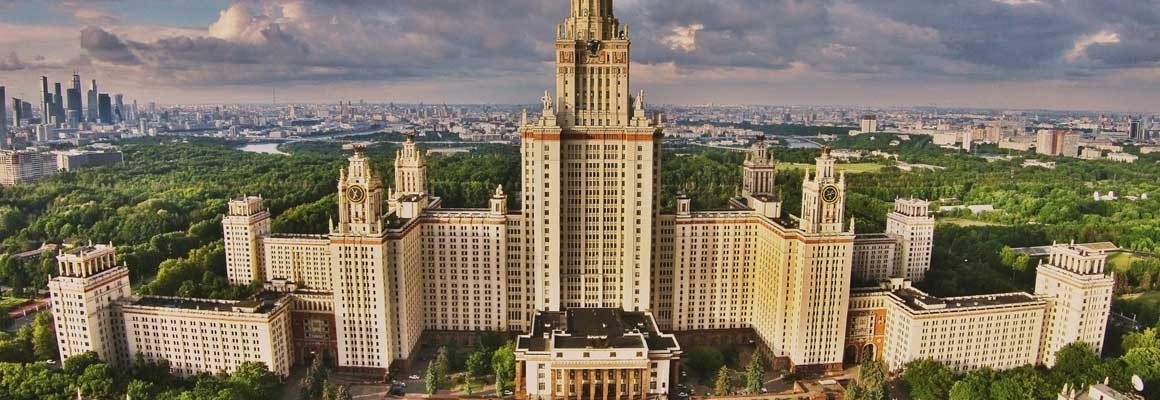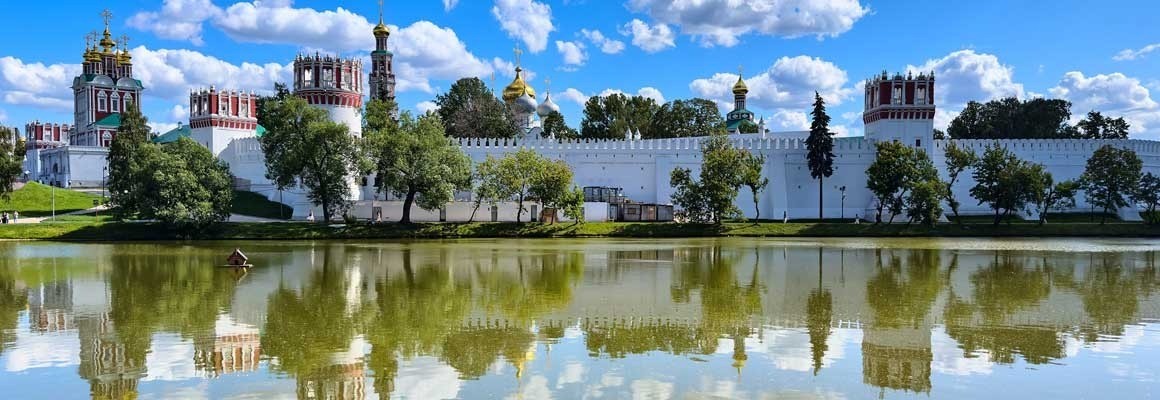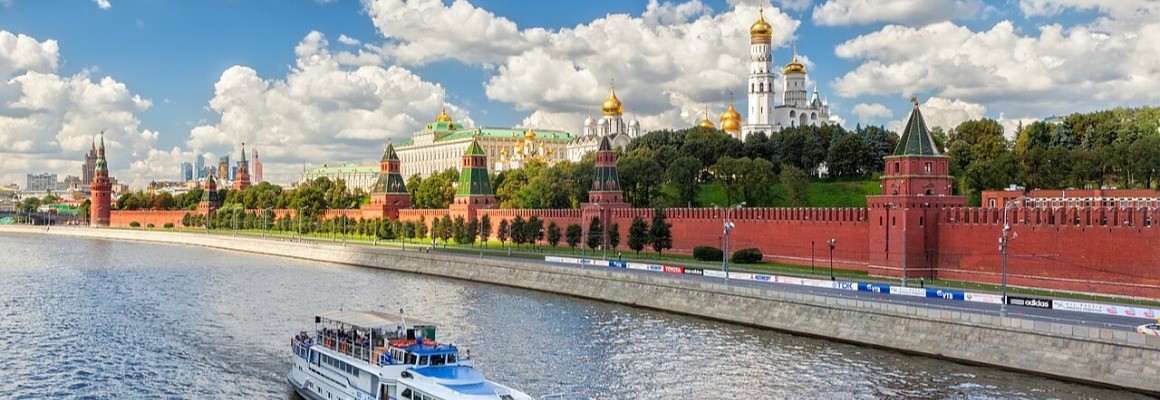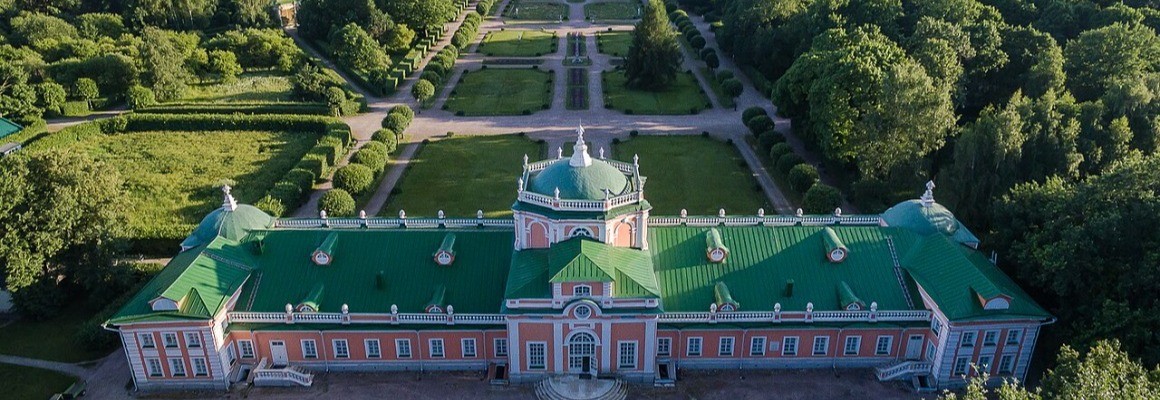

Kolomenskoye was once the residence of the Russian tsars, but today it is an art historical and architectural museum-reserve located in Moscow on an area of 309 hectares.
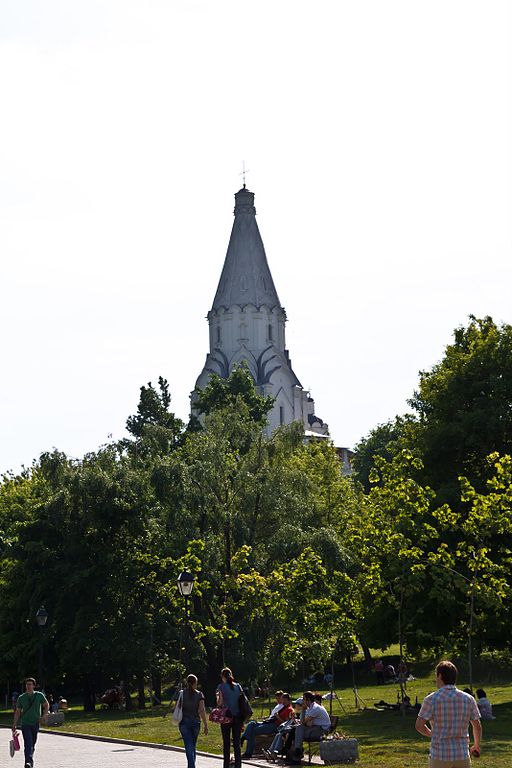
According to legend, the village of Kolomenskoye was founded by residents of Kolomna, who fled during the raids of the Mongol Khan Batu. The village was first mentioned in 1336 in the spiritual charter of the Moscow Prince Ivan Kalita, since at that time it became the hereditary property of the Moscow princes. Under Basil III, the Church of the Ascension, known to many, was built. On the occasion of his wedding to the throne, Ivan the Terrible ordered the construction of a church of Beheading in the village of Dyakovo near Kolomenskoye.
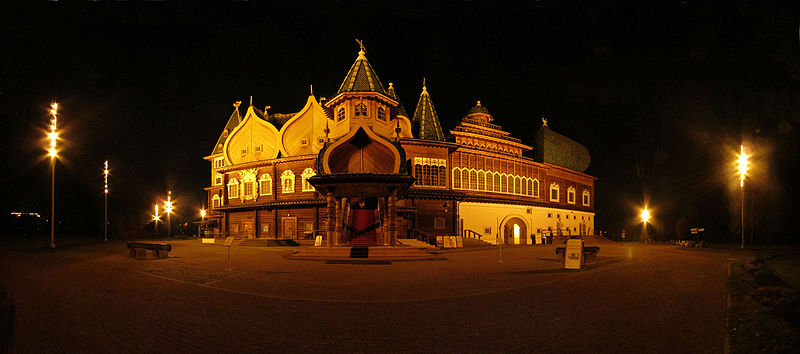
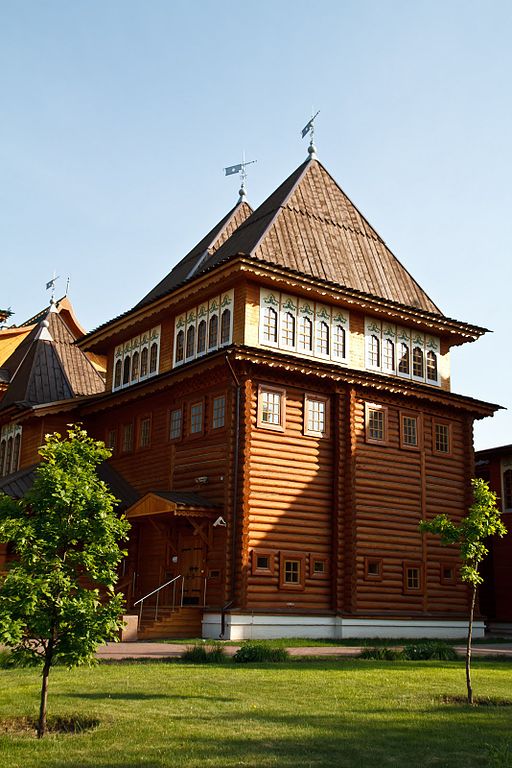
Many historical events are connected with Kolomna village. So in 1606, there was the headquarters of Ivan Bolotnikov, the leader of the 1606-1607 uprising. In 1610, the impostor False Dmitry II was already standing here with his army. When Tsar Alexei Mikhailovich came to power, Kolomenskoye became his favorite place to stay. During his reign, a 270-room palace was built here. In 1662, during the copper rebellion, rebellious peasants, artisans, and merchants came here demanding that the traitors who had allowed the depreciation of money be handed over to them in order to punish them. The tsarist troops arrived and drove the crowd into the river, where many drowned, many were killed, and the prisoners were tortured, and after the investigation, many were hanged or sent into exile to Kazan, Astrakhan and Siberia.
Kolomenskoye became desolate after the death of Alexei Mikhailovich, besides, the capital was moved to St. Petersburg. During the reign of Catherine II, the old palace was dismantled and a new one was built according to the drawings of Prince P.V. Makulov opposite the Church of the Ascension. In the palace, the 2 lower floors were made of stone, and the 2 upper floors were made of wood. It was rebuilt in 1825, but this version of the palace did not last long either. In 1872, it was dismantled, and the building materials from it were used to repair buildings in Kolomenskoye.
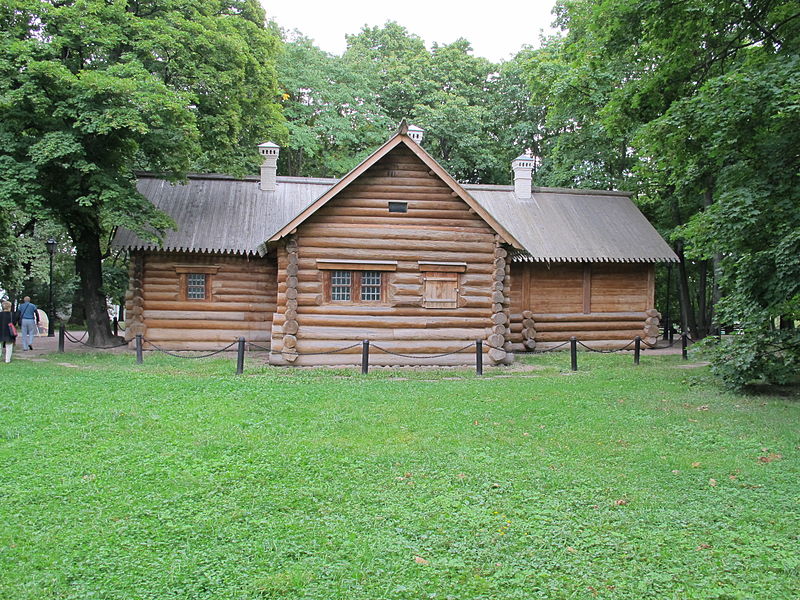
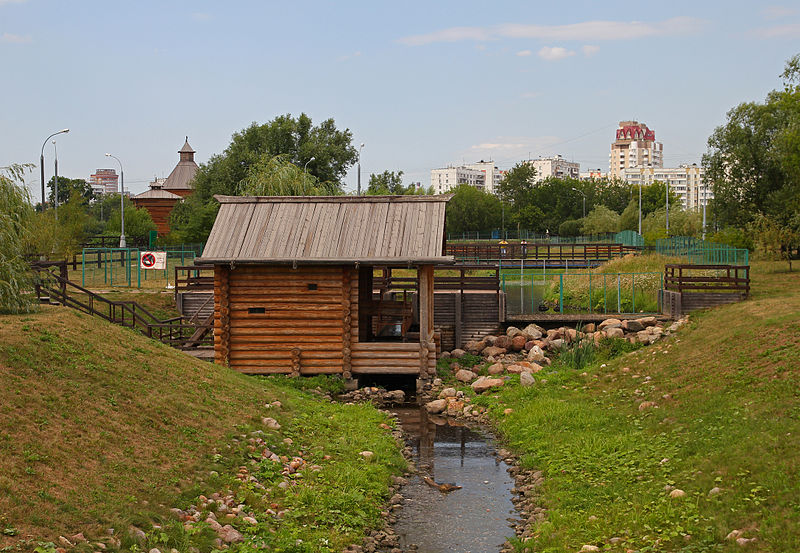
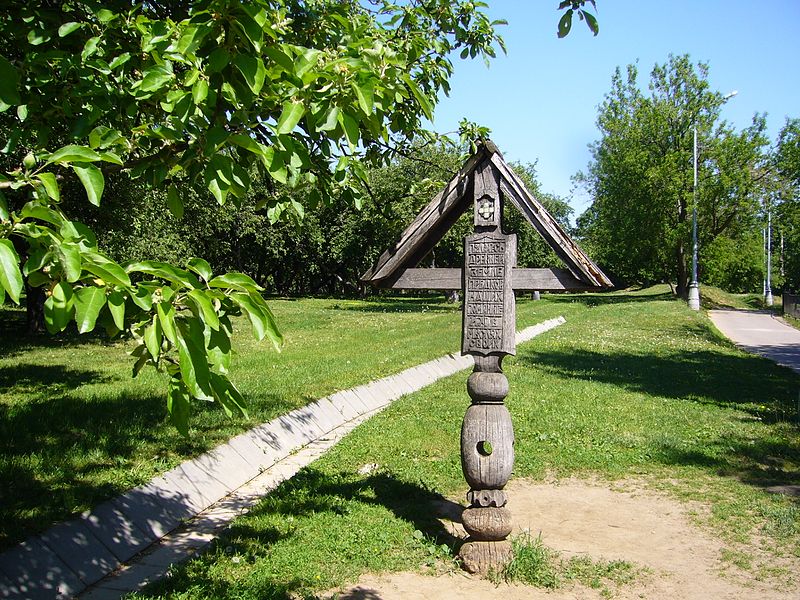
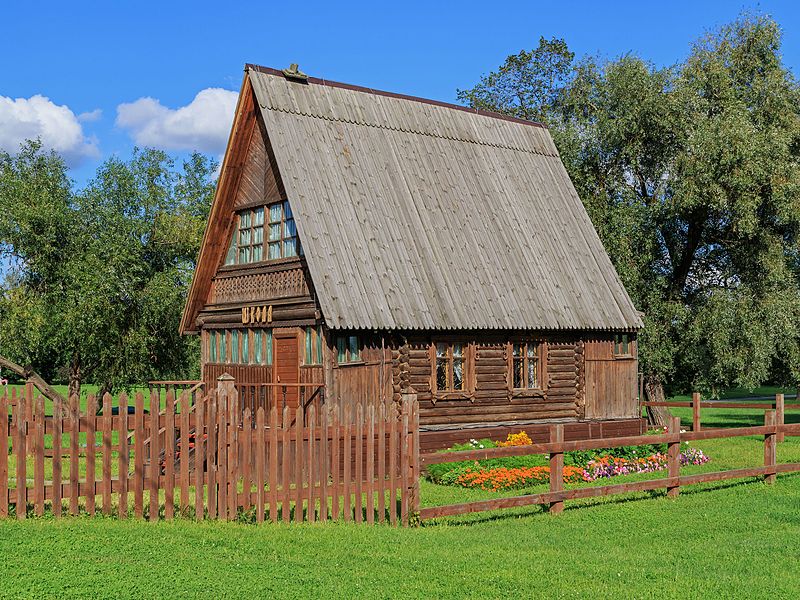
In 1923, a museum was organized in Kolomenskoye. The director of the museum was Peter Dmitrievich Baranovsky, an architect-restorer and the main initiator of the museum's foundation. According to his idea, old wooden buildings from all over Russia began to be brought here.
Gallery