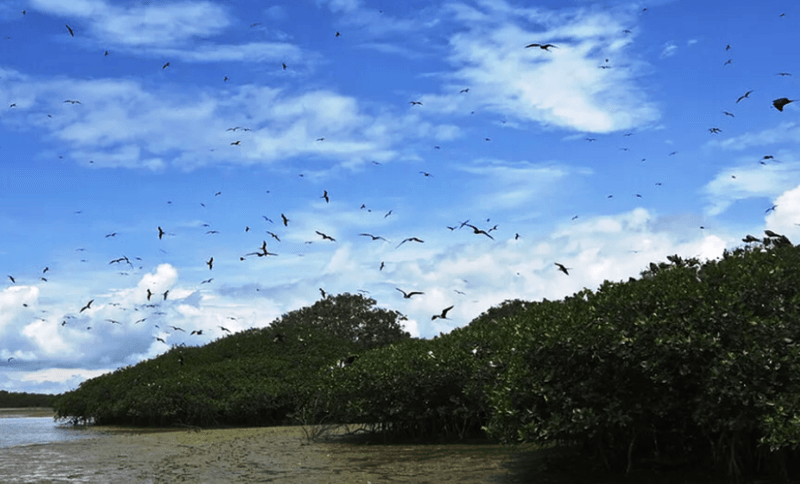
The Tumbes Mangroves are a remarkable natural attraction in northwestern Peru, where tropical mangrove forests meet Pacific tides, river mouths, and quiet coastal channels. This unusual ecosystem is adapted to brackish water, and the tangled roots of mangrove trees provide shelter for fish, crustaceans, mollusks, and many bird species. Mangroves play an important role in biodiversity conservation and support traditional livelihoods in nearby communities.
The principal protected area is the Los Manglares de Tumbes National Sanctuary, located in Zarumilla Province in the Tumbes region, near the Ecuadorian border. It covers approximately 2,972 hectares and protects Peru’s largest expanse of mangrove forest. The mangroves extend around the mouth of the Tumbes River and along coastal waterways toward Punta Capones.
A unique mangrove ecosystem
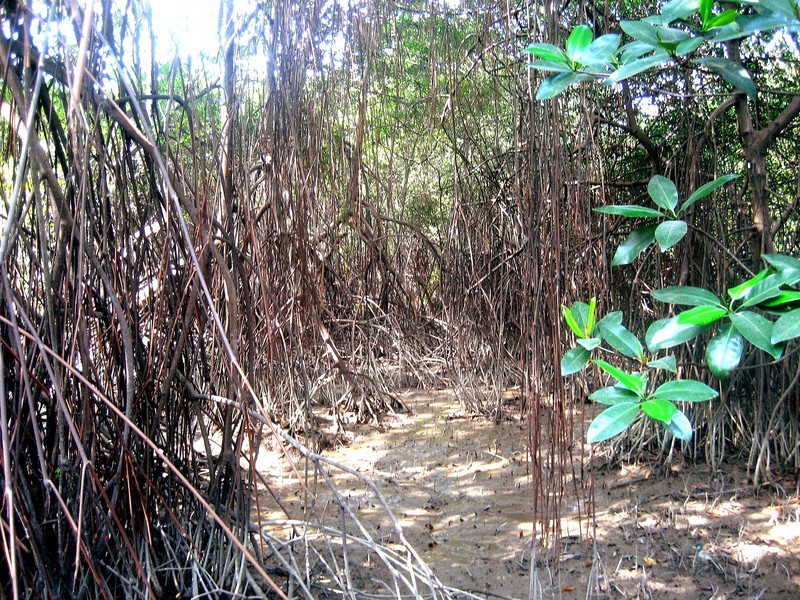
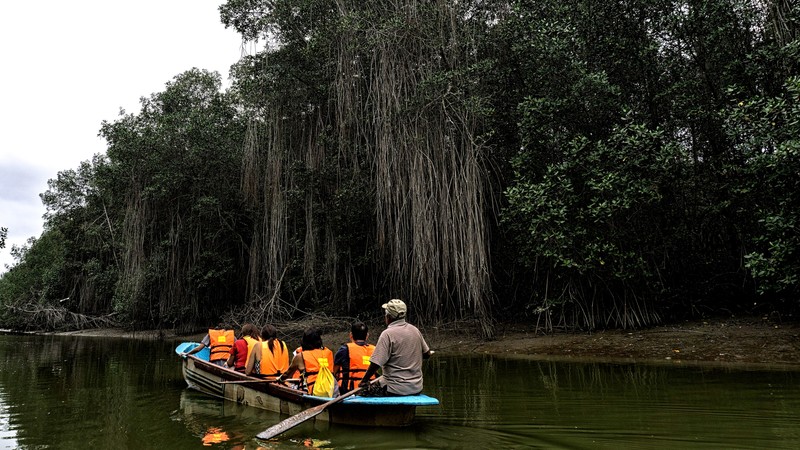
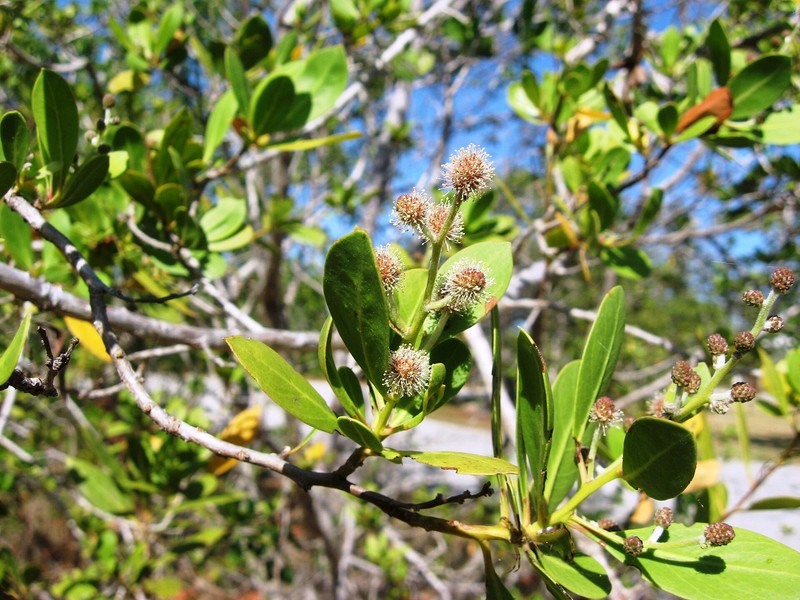
Mangrove trees are adapted to conditions that many other plants cannot tolerate. They withstand high salinity, periodic tidal flooding, and low oxygen levels in waterlogged soil. Their roots trap sediment, help reduce coastal erosion, and create a complex network of shelters for aquatic organisms. As a result, mangrove forests serve as natural nursery grounds for many fish and invertebrate species.
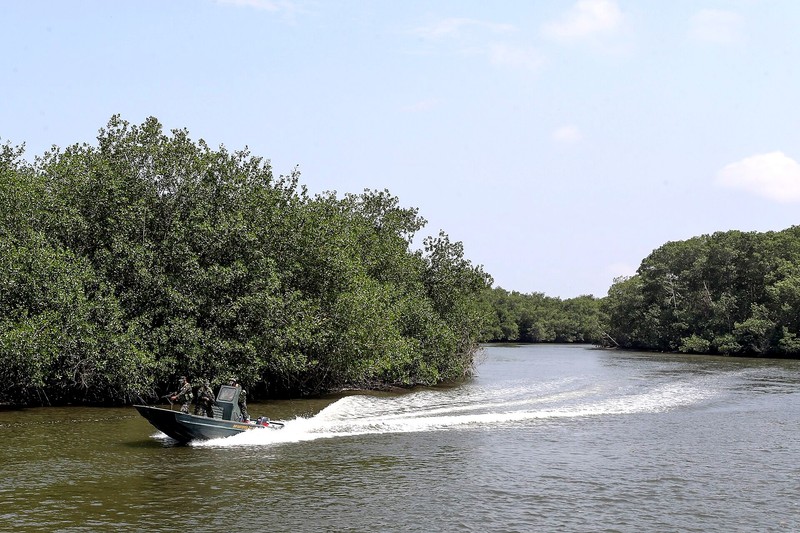
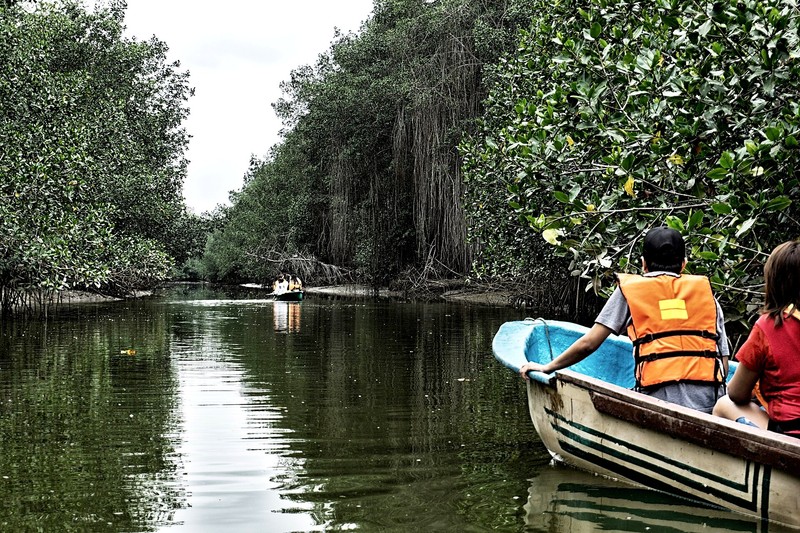
The landscape changes with the tides. At high tide, water fills the channels and boats can travel between the trees. At low tide, muddy flats, exposed roots, and shallow areas appear, providing feeding grounds for birds. This daily rhythm gives the mangroves their distinctive character and makes wildlife observation especially rewarding.
Wildlife of Tumbes
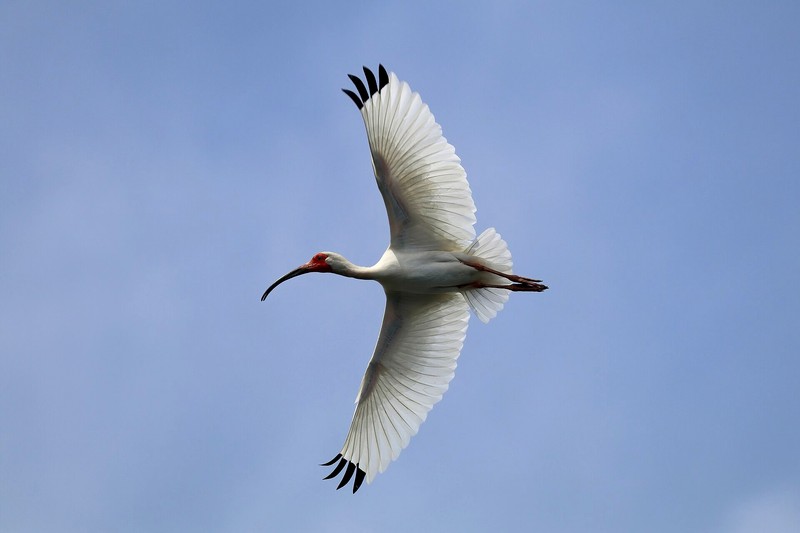
The sanctuary is known for its bird diversity, with more than 150 recorded species, including resident and migratory birds. Herons, ibises, and other waterbirds can be seen along the channels as they search for fish and crustaceans in shallow water. Early morning is a particularly good time to look for the tiger heron around the Algarrobo, Soledad, and Zarumilla estuaries.
The mangroves also support fish, shrimp, crabs, snails, and bivalve mollusks. Peruvian conservation authorities report about 105 fish species, 34 crustacean species, 33 gastropod species, and 24 bivalve species in the sanctuary. One of the most important animals protected here is the American crocodile, a threatened species whose survival depends on the preservation of suitable coastal habitats.
What to see in the Tumbes Mangroves
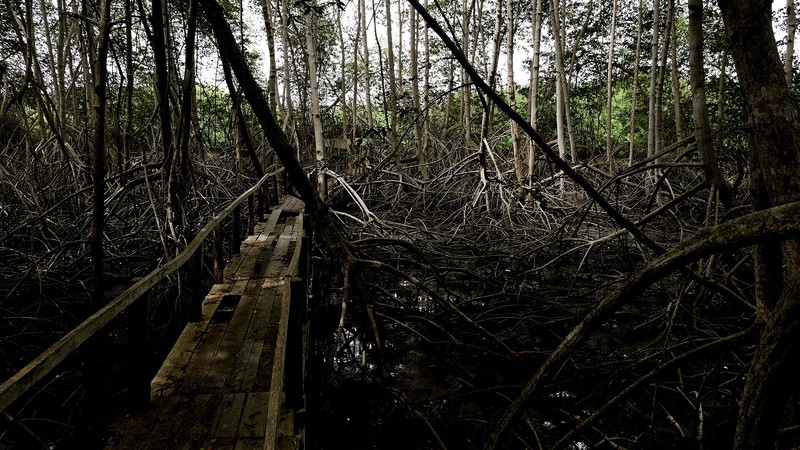
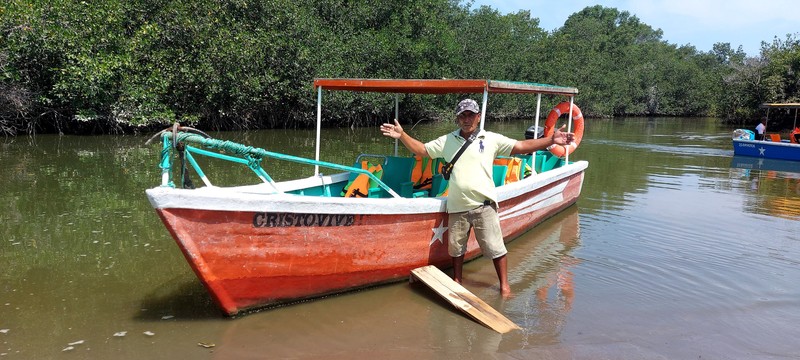
One of the best ways to explore the area is by boat along its mangrove channels. Visitors can observe the intricate tree roots, watch birds along the banks, and discover the workings of this coastal ecosystem. Traditional routes pass through the Zarumilla estuary and the El Gallegos trail, with departures from the Puerto 25 landing or the El Algarrobo control post.
Birdwatchers may prefer the specialized route toward Matapalo Island and Punta Capones. This journey offers a closer look at coastal habitats and the diversity of local birdlife. Depending on the route and conditions, visitors may also learn about traditional methods used by local people to harvest aquatic resources.
Puerto Pizarro is another interesting nearby destination, with islands, small channels, and bays. Its landscape combines mangrove areas, sandy flats, and waterways. A visit provides a broader view of the Tumbes region and the close relationship between coastal communities, the sea, and mangrove ecosystems.
How to reach the Tumbes Mangroves
Most trips begin in the city of Tumbes, which can be reached by domestic flight from Lima or by road. Tumbes is about 25 kilometres from Zarumilla, from where visitors can continue to the protected area's access points. The El Algarrobo control post is approximately 8 kilometres from Zarumilla, while Puerto 25 is about 5 kilometres away. Further travel through the waterways depends on the chosen route and tidal conditions.
Before travelling, check the current visitor rules, opening hours, and availability of boat excursions with the protected area's administration. Use authorized providers where required and follow instructions from sanctuary staff. Some areas have soft, muddy ground, so suitable footwear is important.
Best time to visit
The Tumbes Mangroves can be visited during much of the year, but April through December is generally recommended. Rain is more common from January to March. The climate is warm, with temperatures typically ranging from about 18 to 30 °C. Early morning is best for birdwatching, when wildlife is active and the softer light is suitable for photography.
Visitors who want to see the mangroves under different conditions should check the tide timetable. Water levels affect access to individual channels and determine which areas can be observed from a boat. Planning around local advice and tidal conditions can make the visit more rewarding.
Conservation and responsible travel
The Tumbes Mangroves are ecologically and economically important. They provide habitat for numerous species, help protect the coastline, and sustain fishing and the collection of aquatic resources on which local families depend. Pollution, habitat disturbance, and excessive harvesting can undermine the resilience of this fragile ecosystem.
Visitors should remain on authorized routes, avoid damaging roots or disturbing wildlife, and take all rubbish away with them. Bring sunscreen, insect repellent, and comfortable clothing, and follow the instructions of sanctuary staff. Supporting local guides and responsible tourism services can benefit the regional economy while helping to preserve the natural environment.
The Tumbes Mangroves offer a chance to experience one of Peru’s most unusual ecosystems. Boat trips through the waterways, birdwatching, and encounters with coastal traditions make this a peaceful and informative destination. It is especially appealing to travellers interested in ecotourism, wildlife, and distinctive coastal landscapes.
Gallery