Tambopata National Reserve is one of the most remarkable natural areas in southeastern Peru, renowned for the extraordinary richness of its Amazonian flora and fauna. It lies in the Madre de Dios region, near the city of Puerto Maldonado, amid tropical forests, rivers, lakes and wetlands. Travellers come here to observe wildlife in its natural habitat, take boat trips through the rainforest and discover one of the most biologically diverse regions of South America.
The protected area’s official name is Reserva Nacional Tambopata, or Tambopata National Reserve. It covers approximately 274,690 hectares in Tambopata Province, Madre de Dios. The reserve is protected by the Peruvian state and plays an important role in conserving Amazonian ecosystems. Hundreds of bird, mammal, reptile, amphibian, fish and insect species live here. Thanks to its variety of habitats, Tambopata is one of Peru’s most interesting destinations for ecotourism and wildlife observation.
Amazon rainforest and natural landscapes
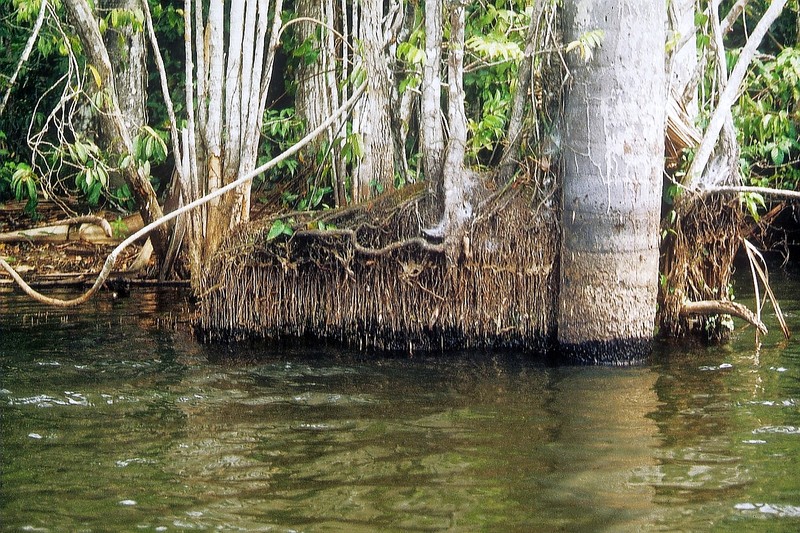
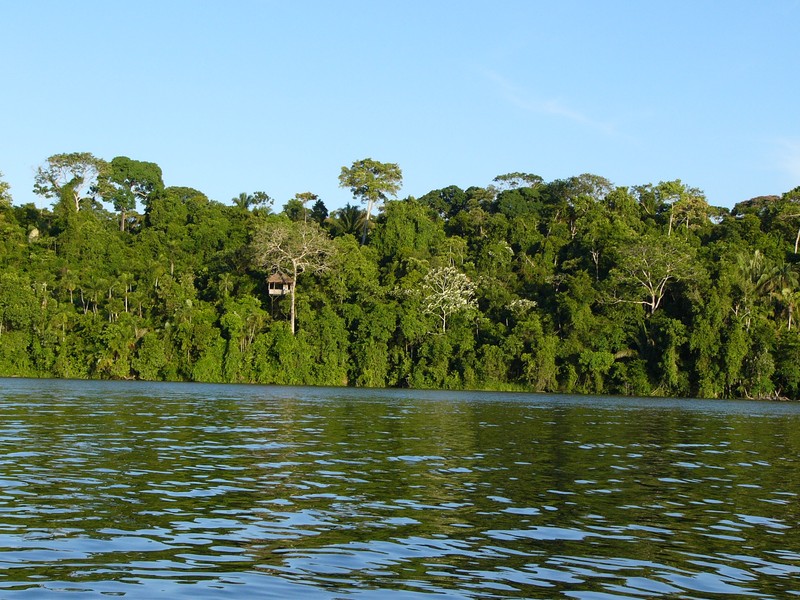
The defining feature of Tambopata is its extensive lowland Amazon rainforest. Tall trees form several layers of canopy, beneath which grow palms, ferns, lianas and many shade-loving plants. Humid air, dense greenery and the calls of birds create the characteristic atmosphere of tropical forest. Many plants are adapted to seasonal changes in water levels, and some areas are regularly flooded during rainy periods and river overflows.
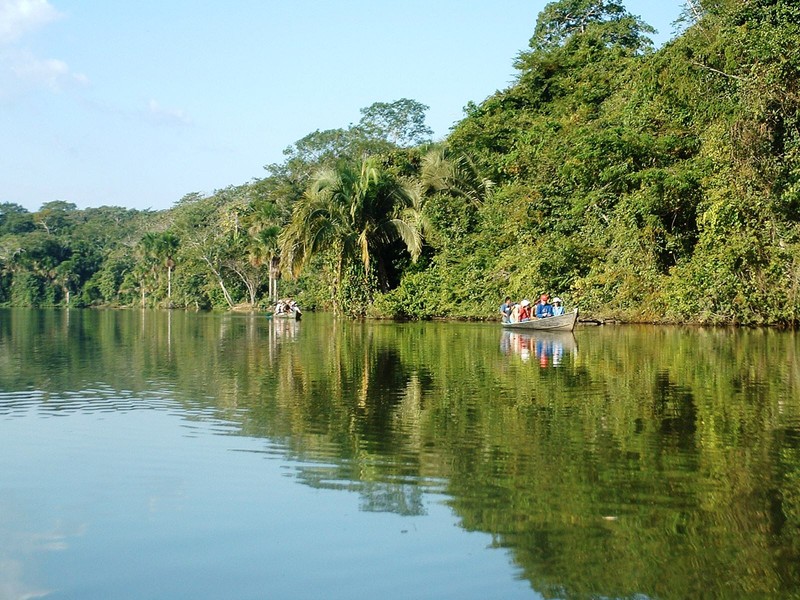
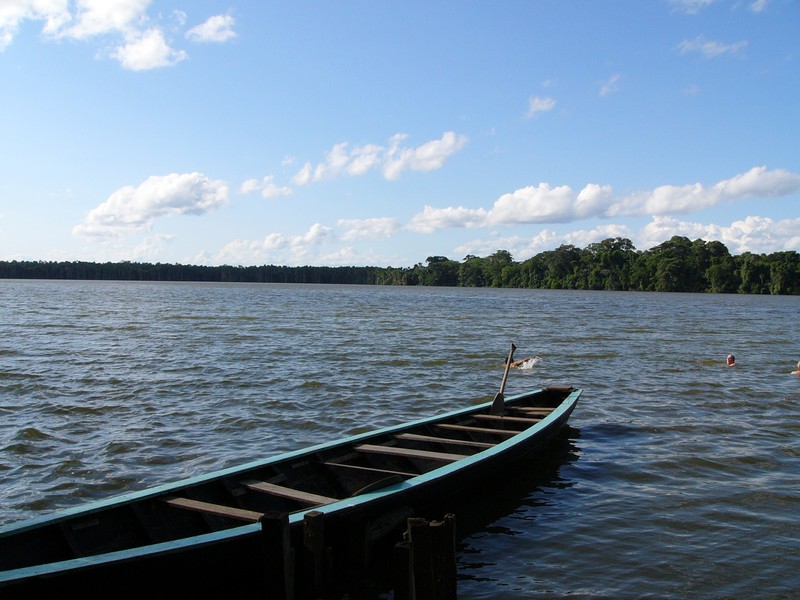
Rivers and their tributaries are central to the landscape. Waterways serve as natural corridors for wildlife and as the main routes used by people travelling through remote parts of the reserve. Along the banks are sandy shallows, shaded backwaters and forest edges where visitors may spot birds, monkeys and other rainforest animals. Lakes formed in abandoned river channels lie within the forest. These oxbow lakes provide distinctive habitats for aquatic animals and shoreline vegetation.
Natural conditions in Tambopata change with the seasons. During rainy months, rivers can overflow, flooding low-lying areas and affecting access to some routes. In the drier season, certain trails may be easier to walk and river journeys may be simpler to plan. Nevertheless, the rainforest remains humid throughout the year, so visitors should be prepared for rain and high humidity even during the relatively dry months.
Exceptional wildlife diversity
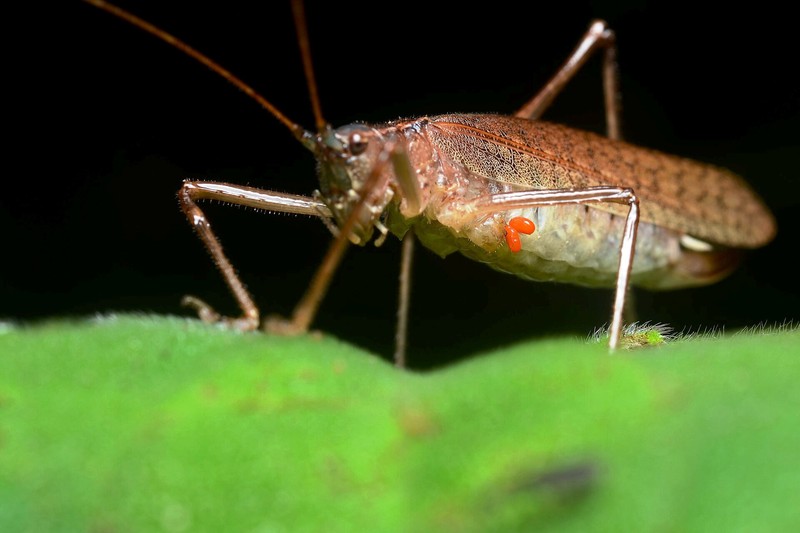
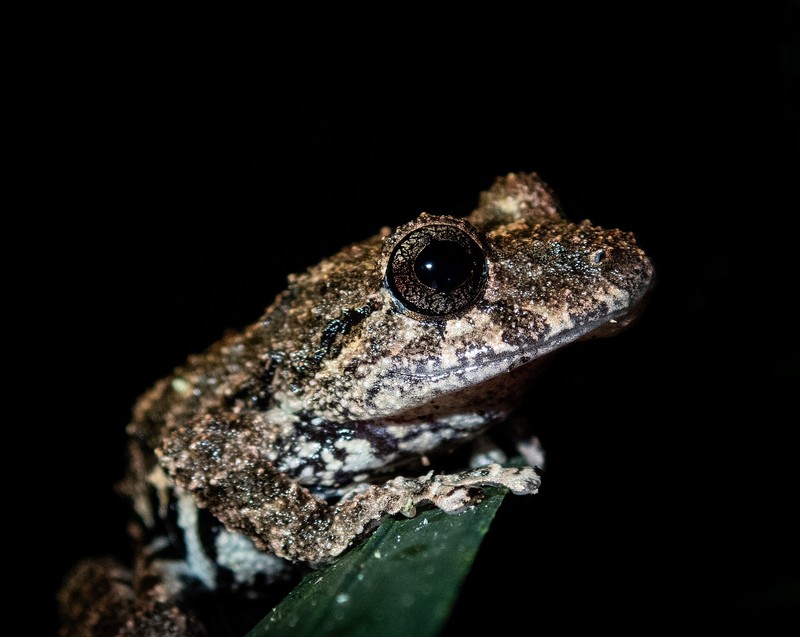
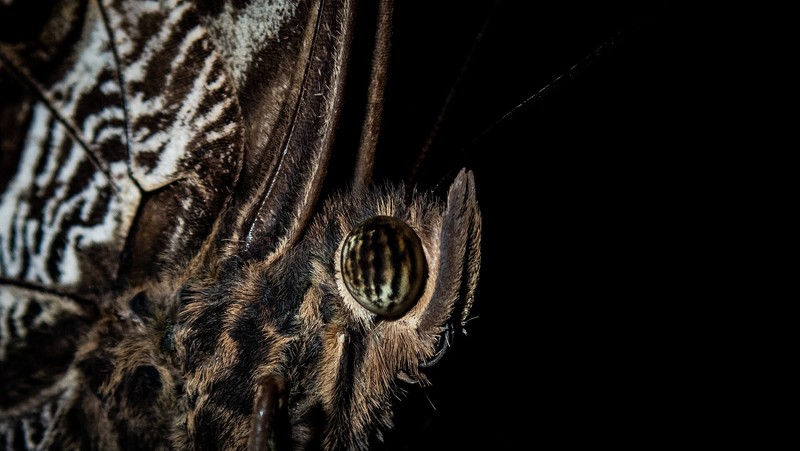
Tambopata is renowned for its remarkable variety of wildlife. According to Peru’s protected-area authority, SERNANP, the reserve records about 600 bird species, 169 mammal species, 103 amphibian species, 103 reptile species and 205 fish species. The region is also home to numerous butterflies and other invertebrates. These figures illustrate the biological richness of the Amazon rainforest, although the chance of seeing a particular species depends on the season, weather and route chosen.
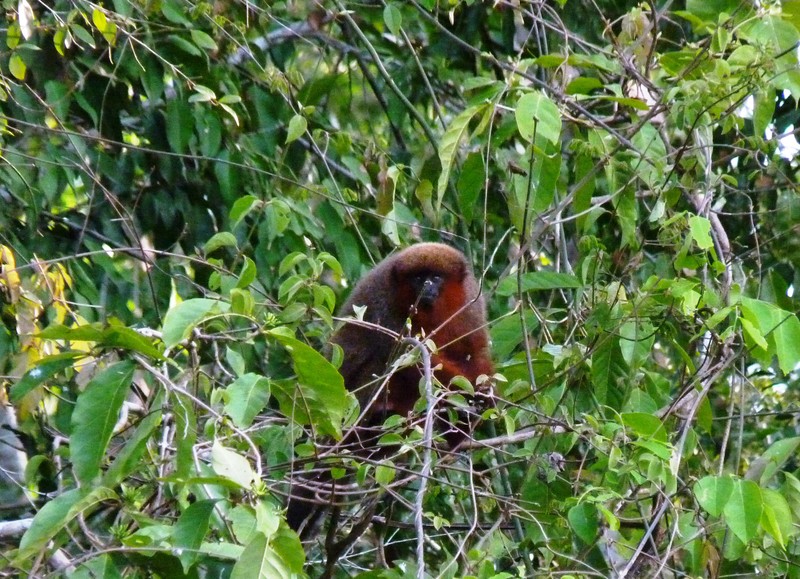
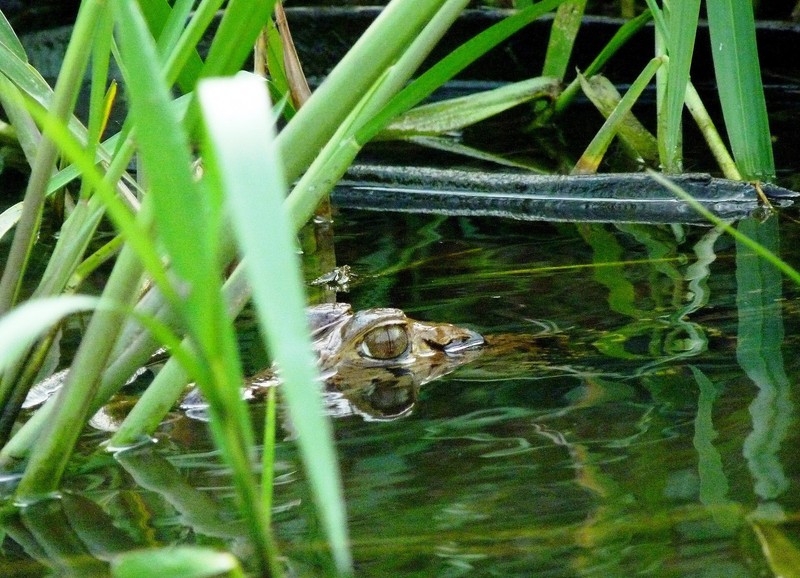
Among the reserve’s best-known animals are jaguars, ocelots, capybaras, tapirs, several kinds of monkeys, caimans and giant river otters. The jaguar is one of the Amazon ecosystem’s top predators, but seeing one in the wild is far from guaranteed. This elusive cat prefers remote forest areas and generally avoids people. Visitors are more likely to notice monkeys, birds, animal tracks and other signs of tropical wildlife.
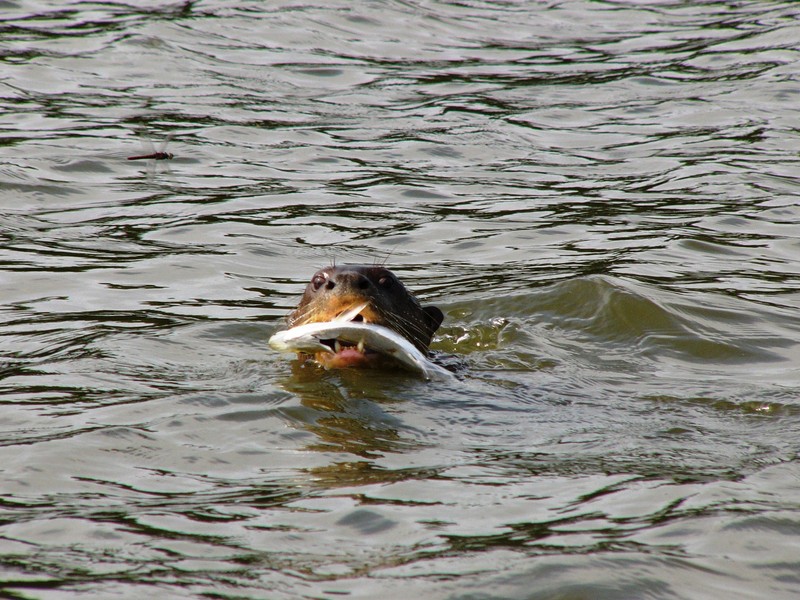
The giant river otter is particularly fascinating. This large semiaquatic mammal lives in groups in rivers and lakes. It can be found in some of the reserve’s waterways, including Cocococha and Sachavacayoc lakes. Otters hunt fish, swim along the shore and rest on fallen tree trunks. Watching them requires patience and a respectful distance because the animals are sensitive to disturbance.
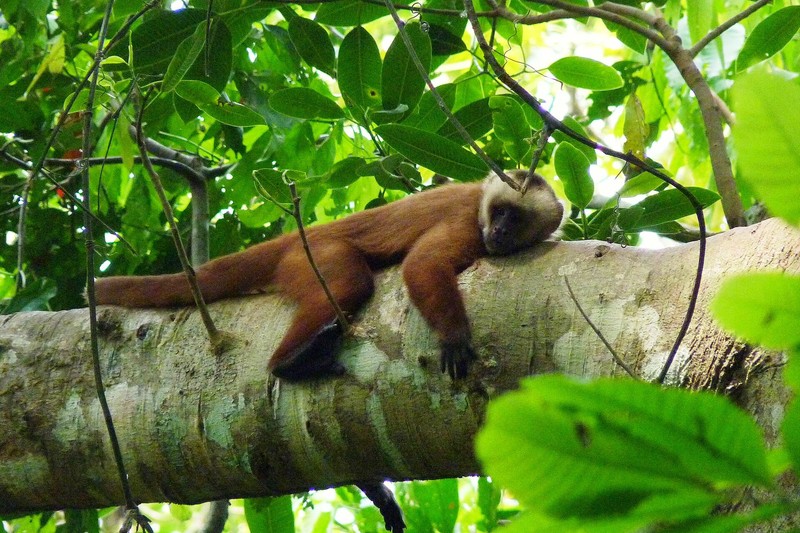
Tapirs, peccaries, sloths, anteaters, armadillos and many species of bats also inhabit the forest. Different monkeys live in the canopy and understory, while capybaras and caimans may be seen near the water. Even when large mammals remain hidden, the forest is full of life: calls, movements in the treetops and tracks in damp soil reveal the complexity of the ecosystem.
Birdlife and famous clay licks
One of Tambopata’s most spectacular natural events takes place at clay licks, known locally as collpas. Birds gather at these exposed riverbank or cliffside deposits to eat mineral-rich clay. On sunny mornings, hundreds of parrots, amazons and large macaws may arrive. Their vivid plumage, loud calls and coordinated movements create an unforgettable wildlife spectacle.
The Chuncho and Colorado clay licks are especially famous. Chuncho is located in the upper Tambopata basin and is considered one of the most impressive places to observe macaws in the Peruvian Amazon. Colorado lies on the banks of the Tambopata River and also attracts large numbers of parrots and macaws. Birds visit these sites because mineral-rich clay supplements their diet. The best way to watch is from designated hides, which allow visitors to observe without disturbing the birds.
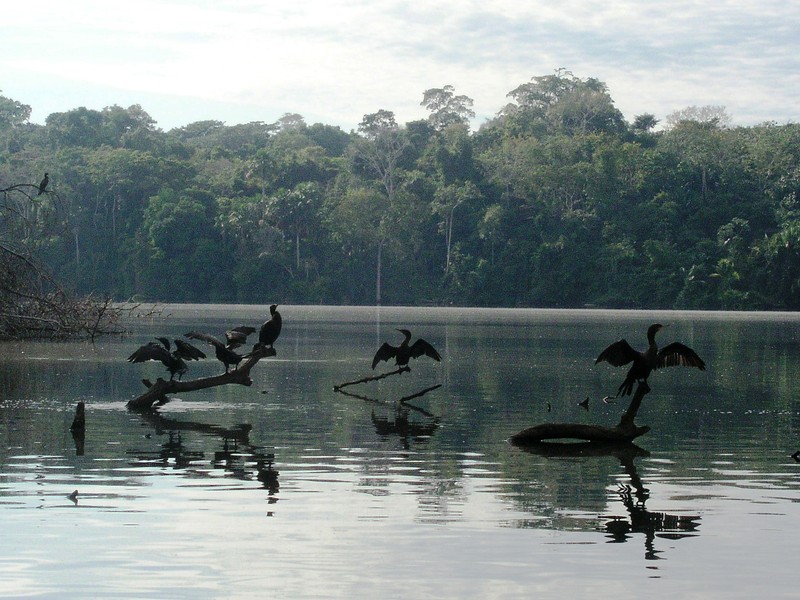
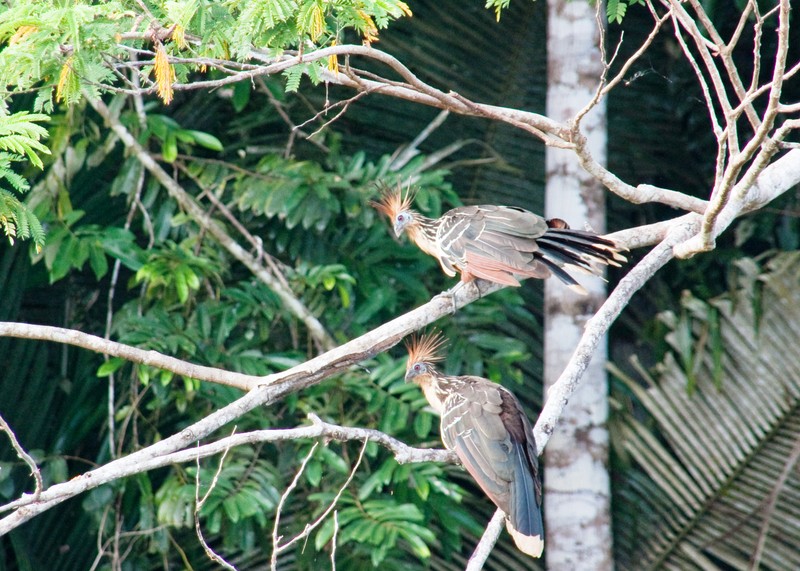
Beyond the clay licks, visitors may encounter toucans, kingfishers, herons, birds of prey and many other forest species. One of the region’s most remarkable birds is the harpy eagle, a powerful predator of tropical forests. Tambopata is especially valuable for birdwatchers because it combines great species diversity, dense vegetation and opportunities to observe birds in their natural environment.
Lake Sandoval
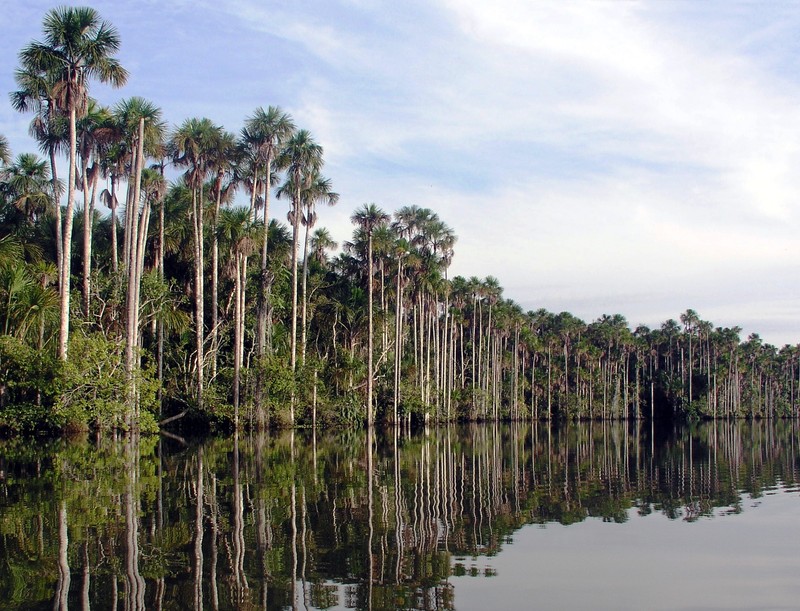
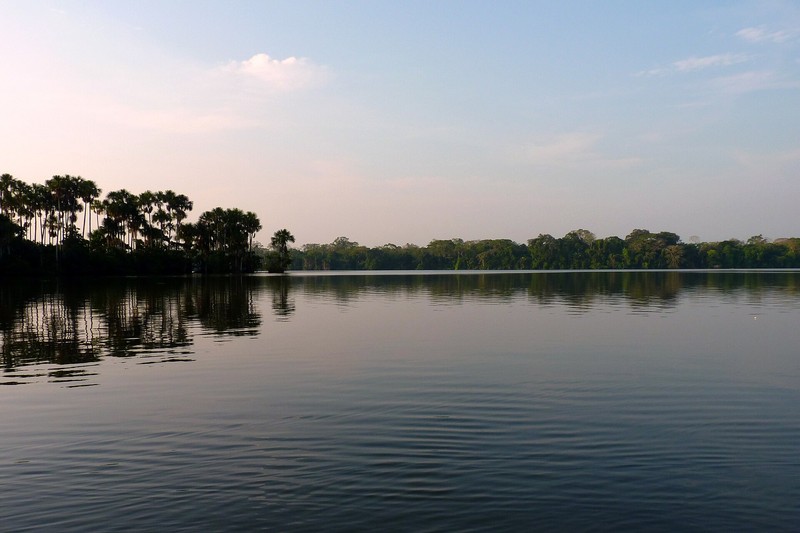
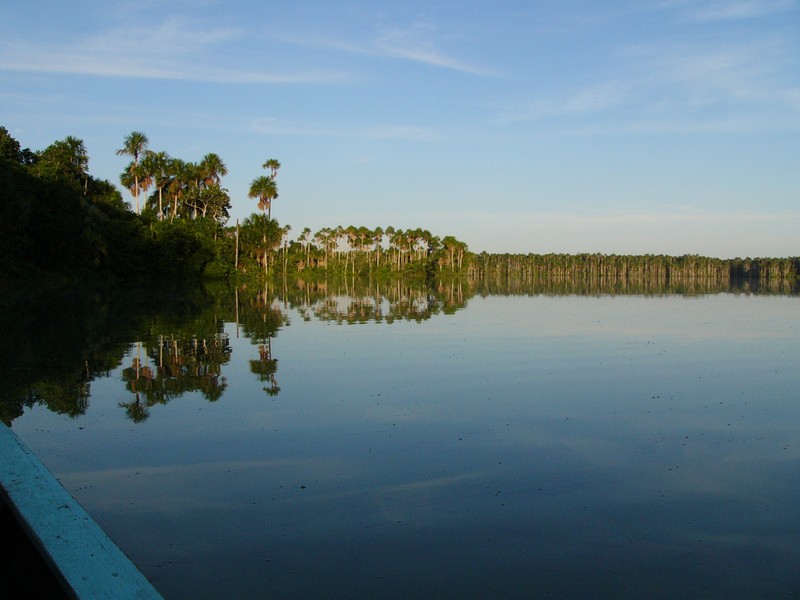
Lake Sandoval is one of the reserve’s best-known attractions. This scenic lake is surrounded by rainforest and palm groves reflected in its calm water. Visitors usually travel by boat along the river and then walk along a forest trail to reach the lake. The route offers a chance to see different layers of Amazonian vegetation before arriving at the water.
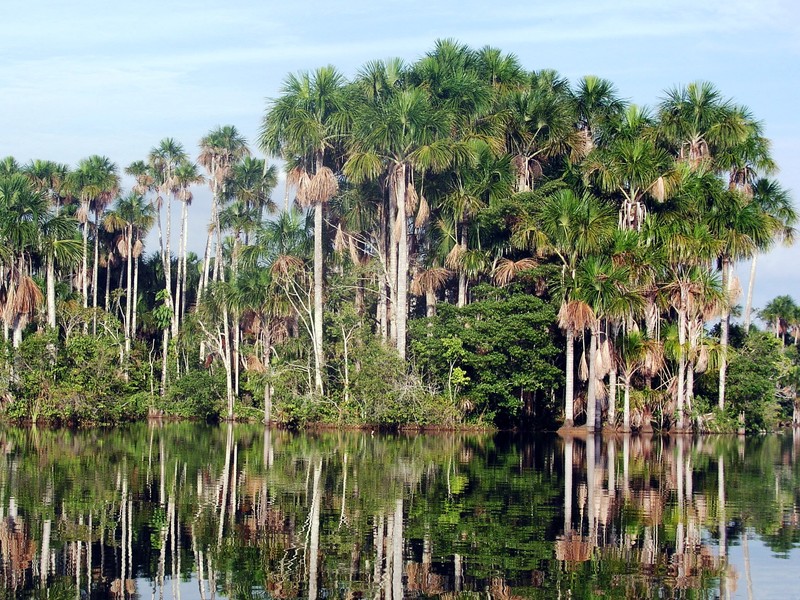
Lake Sandoval is known for sightings of giant river otters, monkeys, capybaras and numerous waterbirds. Aguaje palms, characteristic of humid Amazonian lowlands, grow along the shore. Depending on the time of day and weather, birds may appear on the water while monkeys call from the canopy. Guided excursions and boat trips are organised to explore the lake.
The Sandoval area has visitor facilities, including ecotourism lodges and an observation tower. From the tower, visitors can look over the treetops and appreciate the scale of the forest. Visits must follow the reserve’s rules: travellers should stay on authorised routes, register at control posts and follow instructions from reserve staff.
Rivers, lagoons and rainforest routes
Tambopata offers several routes through different Amazonian landscapes. In the middle section of the river basin are Cocococha, Sachavacayoc and Condenado lakes. They are known for their calm waters, surrounding palm forests and wildlife-watching opportunities. Some lakes are known for giant river otters, while tapirs and other large mammals inhabit the surrounding forest, although sightings can be difficult.
Depending on the route, visitors can take a boat trip, walk along forest trails or watch birds from the shore. Near Briolo Creek, water excursions and, where properly organised, kayaking may be available. The Palma Real area offers river scenery and opportunities to learn about local communities. Routes and services depend on the season, water levels and permits, so it is best to arrange the trip through an authorised tour operator.
Amazonian plant life
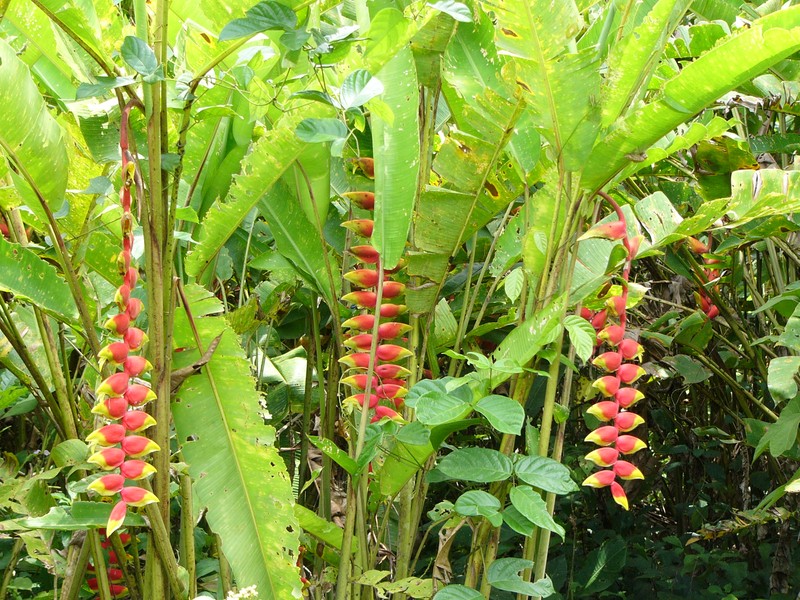
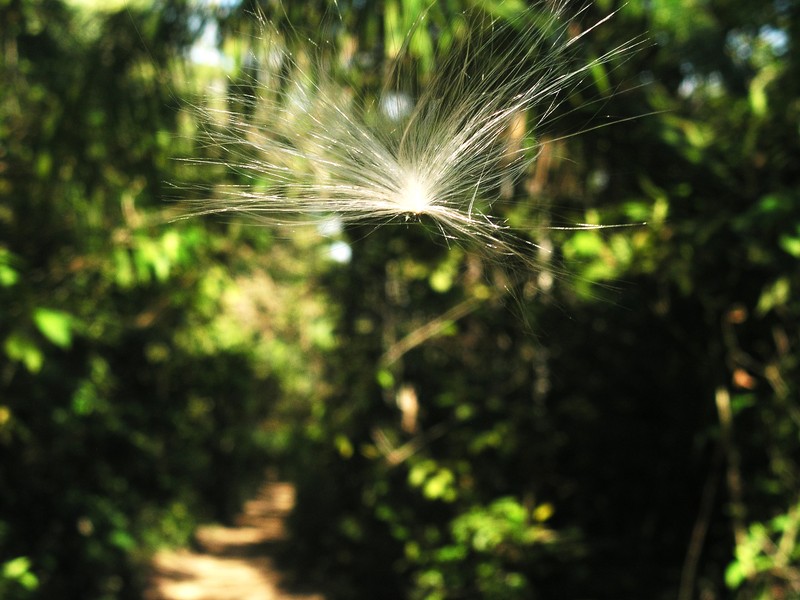
Tambopata’s vegetation is exceptionally diverse. The forest contains tall tropical trees, palms, lianas, epiphytes and plants adapted to high humidity. Some trees rise above the general canopy to receive more sunlight, while shade-tolerant species dominate lower layers. Lianas connect trunks and branches, and tree bark often supports mosses, ferns and other epiphytes.
Aguaje palm swamps and forests are particularly important. Local communities use the palm’s fruit as food, while the trees and surrounding wetlands provide habitat for many animals. The forest also contains large trees valued for their timber, including shihuahuaco. Protecting these plants matters not only for botanical diversity but also for the complex food webs of the rainforest.
The Amazon rainforest plays a crucial role in the water and carbon cycles, soil protection and regional climate. Forest destruction can cause habitat loss, alter water systems and reduce wildlife populations. Protecting Tambopata’s vegetation therefore has significance well beyond the boundaries of the reserve.
Indigenous communities and cultural heritage
The Madre de Dios region is not only a natural landscape but also the homeland of Indigenous communities whose histories and cultures are closely connected to Amazonian rivers and forests. Ese’eja people live in communities around the reserve, including Palma Real, Sonene and Infierno. Traditional knowledge of plants, animals, waterways and seasonal changes remains important to their way of life.
Some tourism routes include visits to local communities and opportunities to learn about cultural traditions. These visits should be arranged respectfully through agreed local programmes. Visitors should not interfere with daily life or photograph people without permission. Responsible tourism can support local livelihoods and help preserve cultural heritage when community interests are respected alongside those of visitors.
Best time to visit Tambopata
The most popular period to visit is generally the drier season, roughly from May to October. Rainfall is usually lower then, and conditions for boat trips and forest walks may be more convenient. However, Amazonia remains a humid tropical region, and rain is possible at any time of year. Even during the relatively dry months, bring clothing that protects against moisture and prepare for high humidity.
December through March is generally wetter. Rivers may rise, and some trails can become muddy or temporarily inaccessible. Seasonal changes in water levels also create different opportunities for observing nature. The best time depends on what matters most to each traveller: easier movement, opportunities to see particular animals or experiencing the forest during high-water conditions.
The climate in Tambopata is hot and humid. The annual average temperature is around 26°C, although actual conditions can vary widely, from cooler spells to heat approaching 38°C. Check the weather forecast and ask your tour operator about current river and trail conditions before travelling.
How to reach the reserve
Puerto Maldonado is the main starting point for trips to Tambopata. Flights from Lima take approximately one hour and twenty minutes. It is also possible to travel overland from Cusco; the journey takes around ten hours and passes through varied landscapes in southeastern Peru. From Puerto Maldonado, the onward journey to many tourist sectors of the reserve continues by motorboat along the river.
River travel times depend on the destination. The Sandoval sector is usually reached after about half an hour by boat, followed by a walk of roughly three kilometres. Reaching the middle Tambopata lakes can take about three hours by river, followed by walking along forest trails. The upper sector with the famous Chuncho and Colorado clay licks may require around five and a half hours by river.
Visits are organised through tour operators authorised by Peru’s SERNANP. Remote areas lack ordinary road infrastructure, so transport, accommodation, meals and guide services should be arranged in advance. Check current access conditions, visitor rules and entrance fees before departure.
Practical tips for travellers
For rainforest walks, bring lightweight long-sleeved clothing, long trousers, comfortable footwear and rubber boots for wet areas. Insect repellent helps reduce mosquito bites, while sunscreen is useful even under cloudy skies. Binoculars, a flashlight, a waterproof case for a phone or camera and drinking water are also useful, unless water is provided by the excursion organiser.
In the jungle, follow the advice of guides and reserve staff. Do not leave marked trails, approach wild animals on your own, feed them or try to touch them. Never collect plants, leave rubbish or pollute the water. Sightings of jaguars, giant otters and other large animals are not guaranteed, so the value of a visit lies not only in finding individual species but also in experiencing the ecosystem as a whole.
High humidity means clothing and equipment can remain damp for a long time. Protect electronic devices from water and keep documents and money in waterproof bags. On a multi-day trip, find out in advance what a lodge provides, including electricity, communication, drinking water and safety equipment. In remote areas, access to rapid assistance may be limited.
Conservation and ecotourism
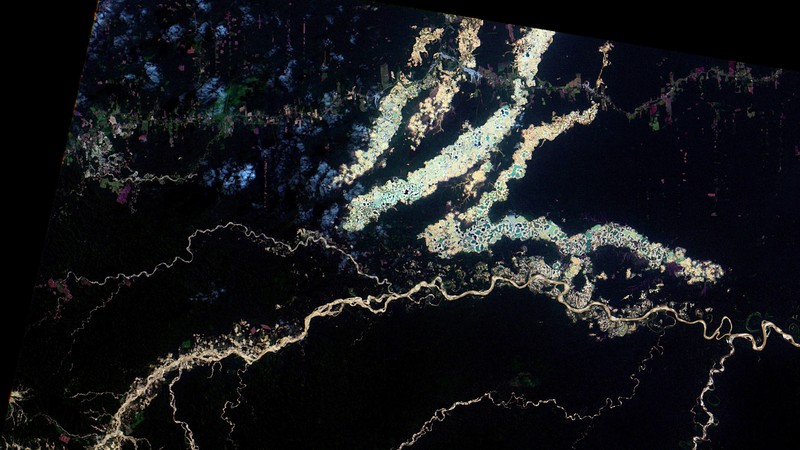
Tambopata faces threats common to many parts of the Amazon, including illegal mining, deforestation, poaching and pollution of waterways. These activities can destroy habitats, reduce water quality and disrupt ecological balance. Protected status helps conserve large areas of forest and maintain the conditions needed by many plant and animal species.
Ecotourism can support conservation when it is organised responsibly. Work for guides, boat operators and local lodges creates economic incentives to keep the forest intact. Visitors can contribute by choosing authorised operators, following reserve rules, reducing single-use plastic and respecting local communities.
Why visit Tambopata?
Tambopata offers a chance to experience Amazonia not as an abstract tropical forest but as a complex living system in which rivers, lakes, trees, birds and mammals are closely connected. Boat journeys, watching macaws at clay licks, walks along forest trails and visits to Lake Sandoval reveal different aspects of this ecosystem.
The reserve is especially appealing to nature lovers, photographers, birdwatchers and travellers seeking unusual experiences far from major cities. Rare animals are not always easy to see, but the atmosphere of the Amazon rainforest, its sounds, humid air and abundance of life make a visit memorable. Tambopata National Reserve remains one of Peru’s most important natural treasures and a key area for conserving Amazonian biodiversity.
Gallery